Applying math concepts Math Worksheets for Ages 4-8
3 filtered results
-
From - To
Engage young learners with our "Applying Math Concepts" worksheets designed for ages 4-8! At Kids Academy, we provide fun, printable activities that help children grasp essential math skills effortlessly. Our worksheets cover a variety of topics, from simple addition and subtraction to understanding shapes, patterns, and time. Tailored to spark curiosity and enhance problem-solving abilities, each worksheet offers a mix of challenges suitable for beginners and advancing young mathematicians. Parents and teachers can utilize these resources to support classroom learning or practice at home, ensuring that children build a strong foundation in math while enjoying the process!
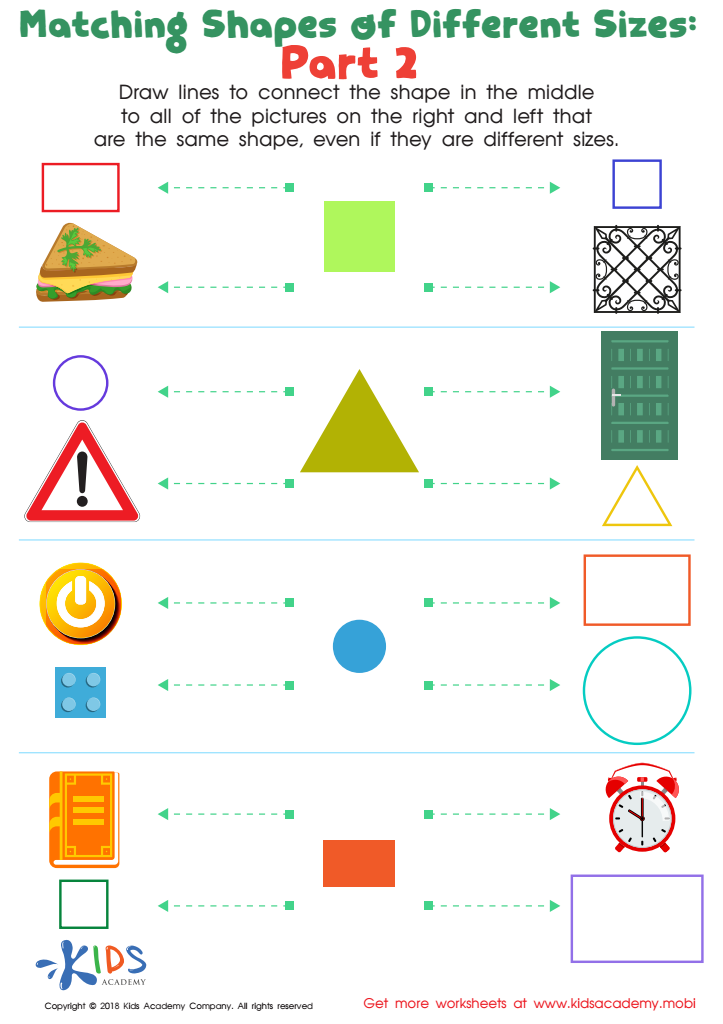
Geometry: Part 2 Worksheet
 Assign to My Students
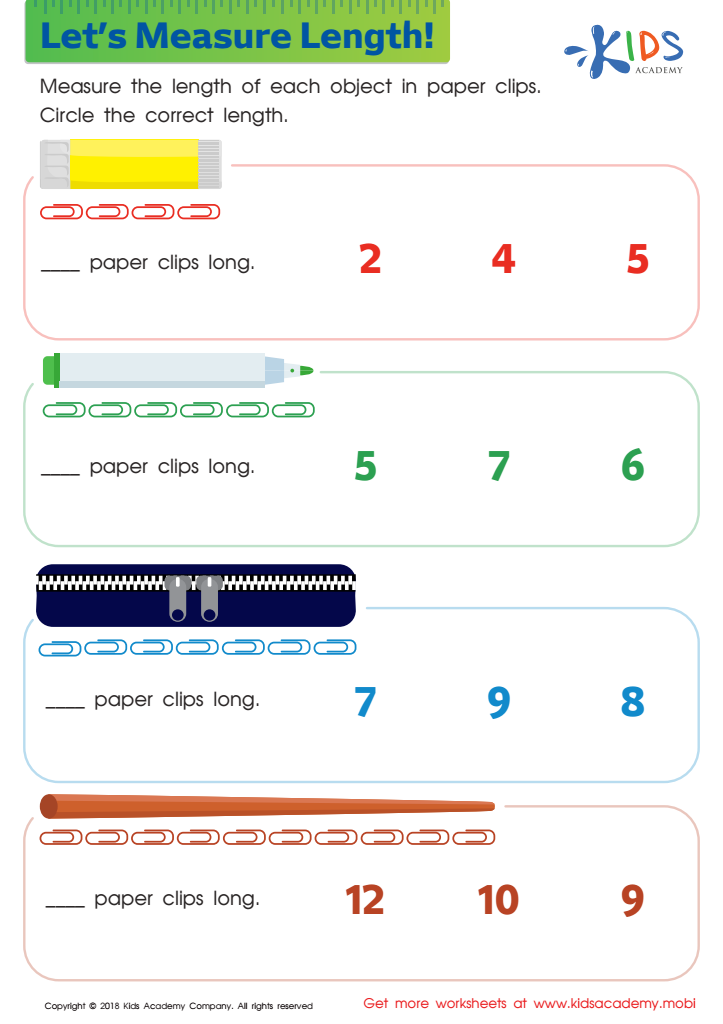
Lets Measure Length Worksheet
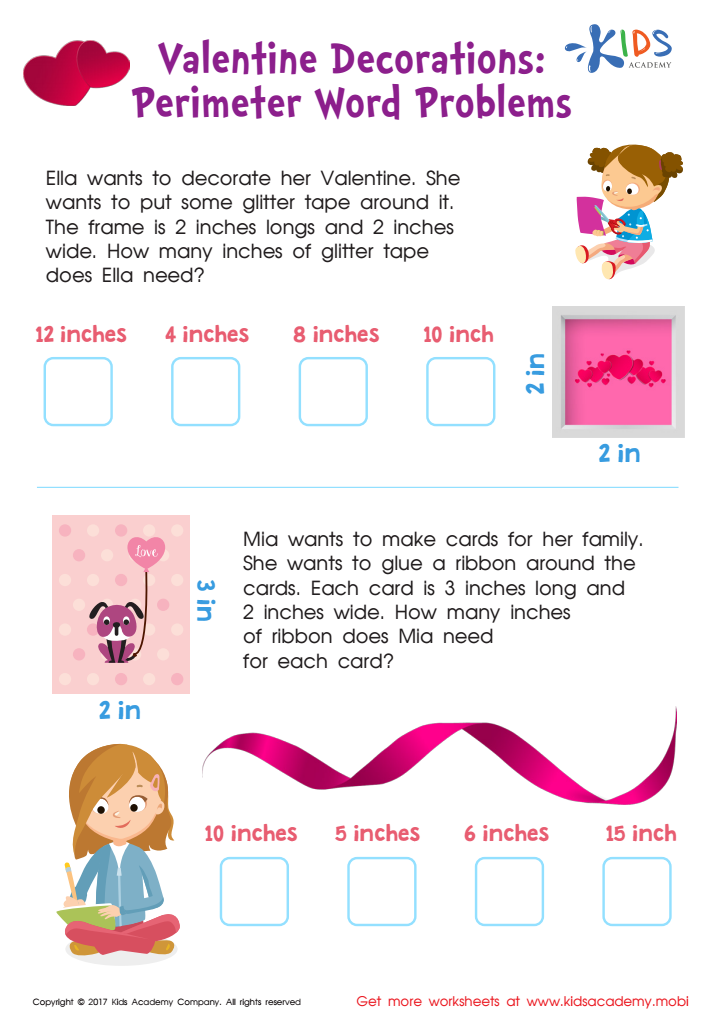
Perimeter Word Problems Worksheet








Applying math concepts for children ages 4-8 is crucial for their overall cognitive development and future academic success. At this formative stage, children's brains are rapidly growing and highly receptive to new information. Engaging with math helps strengthen critical thinking and problem-solving skills that are essential across all subjects, not just in arithmetic.
Math concepts such as counting, number recognition, and basic operations like addition and subtraction lay the groundwork for more complex ideas encountered later in life. When parents and teachers prioritize early math education, they help to build a strong foundation that will support students' understanding of advanced topics in mathematics and other fields like science, technology, engineering, and finance.
Furthermore, incorporating math into everyday activities can make learning relatable and fun, thereby fostering a positive attitude towards the subject. Children who enjoy math from a young age are more likely to maintain this interest as they grow, leading to better academic performance.
This foundational math knowledge also improves life skills such as reasoning, logical thought processes, and spatial awareness. Early exposure helps in developing resilience and the ability to approach problems methodically—a vital trait for personal and professional growth.
Ultimately, caring about early math development is an investment in a child's holistic growth and future capabilities, making it a priority for both educators and parents.








