Basic arithmetic skills Math Worksheets for Ages 4-8 - Page 2
27 filtered results
-
From - To
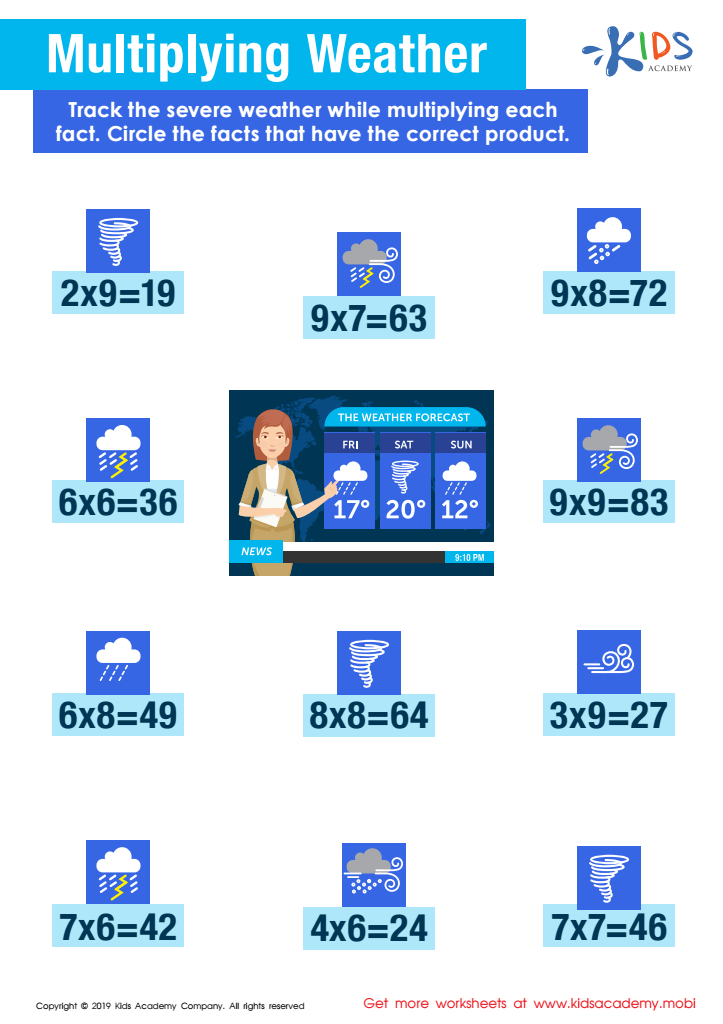
Multiplying Weather Worksheet
 Assign to My Students
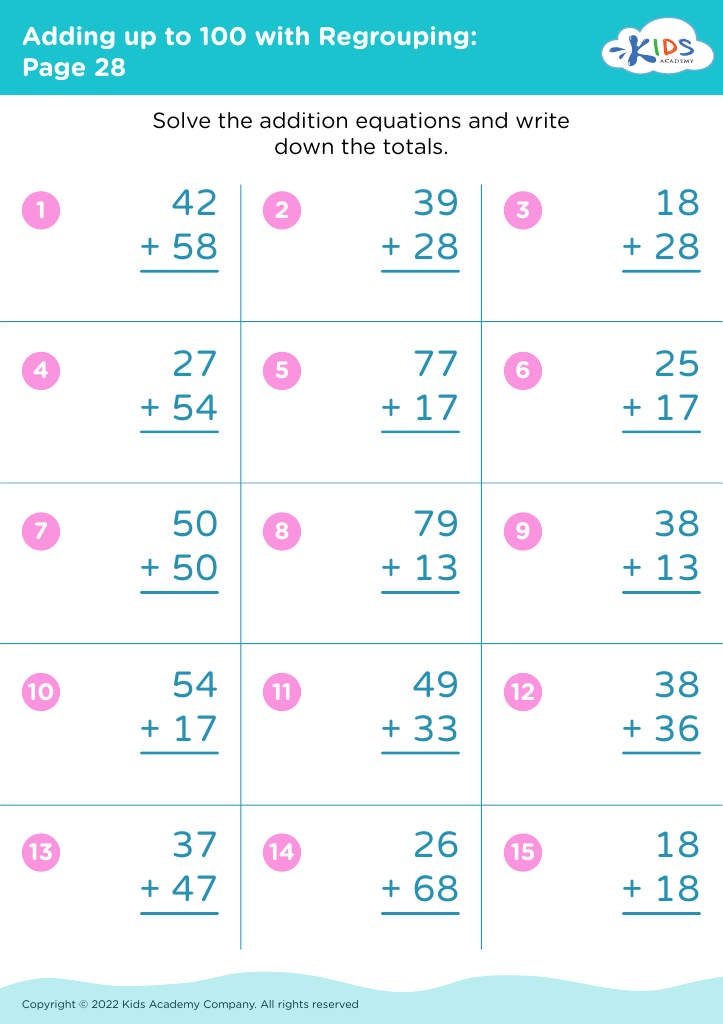
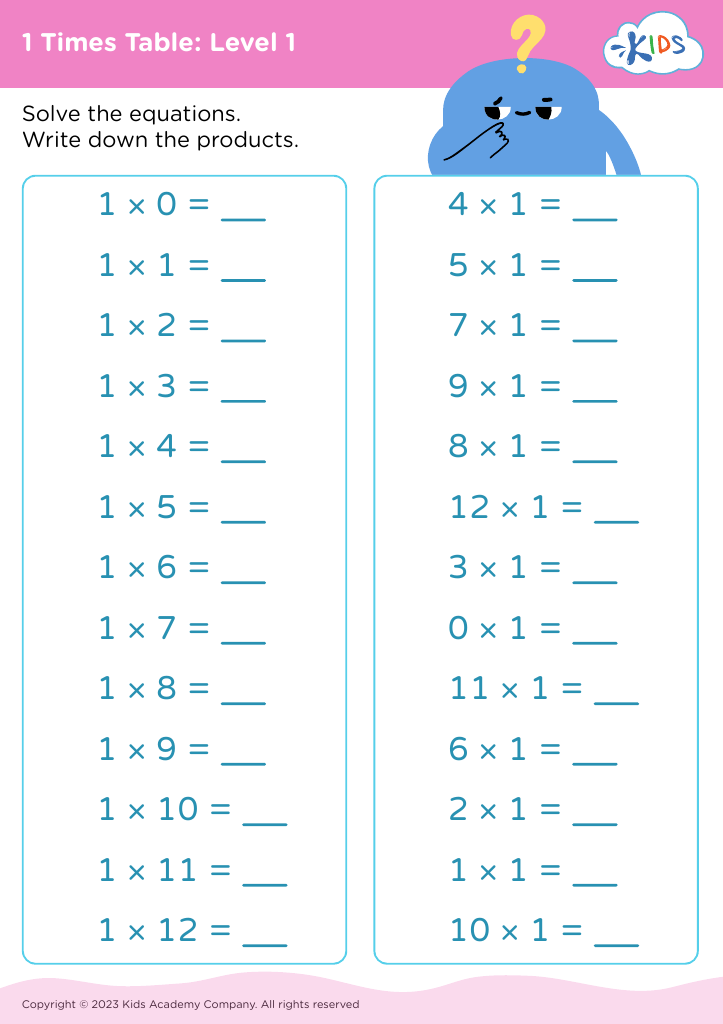








Parents and teachers should immensely value the teaching of basic arithmetic skills—addition, subtraction, multiplication, and division—to children aged 4-8, as these are foundational to their overall cognitive and academic development. During this formative period, children’s brains are highly receptive and adaptable, making it an ideal time to instill these fundamental concepts.
Numeracy skills underpin not only future mathematical learning but also essential life skills. For instance, basic arithmetic helps children understand patterns, sequences, and problem-solving, which fosters critical thinking. These abilities are crucial for everyday tasks such as telling time, counting money, cooking measurements, and even understanding sports scores.
Additionally, early mastery of arithmetic boosts confidence and reduces math anxiety by making the subject approachable and enjoyable from a young age. Such positive experiences lay the groundwork for greater success in more complex mathematical concepts encountered in higher grades, ensuring smoother academic progression.
Teachers and parents witnessing children’s struggles or successes in arithmetic gain valuable insights into their cognitive strengths and weaknesses, enabling tailored support. Therefore, investing time and resources in nurturing basic arithmetic skills during early years is crucial, setting a strong foundation for lifelong learning and practical application.








