Basic math abilities Math Worksheets for Ages 4-8
3 filtered results
-
From - To
Discover a comprehensive collection of basic math abilities worksheets designed for children aged 4-8. Our engaging and colorful resources help young learners master foundational math skills, including addition, subtraction, number recognition, and simple problem-solving. Each worksheet is tailored to promote interactive learning, ensuring kids develop confidence in their math abilities while having fun. Perfect for home or classroom use, these printable worksheets cater to various learning styles, enhancing your child’s mathematical comprehension and critical thinking. Explore our collection and support your child's education with enjoyable activities that lay the groundwork for future success in math!
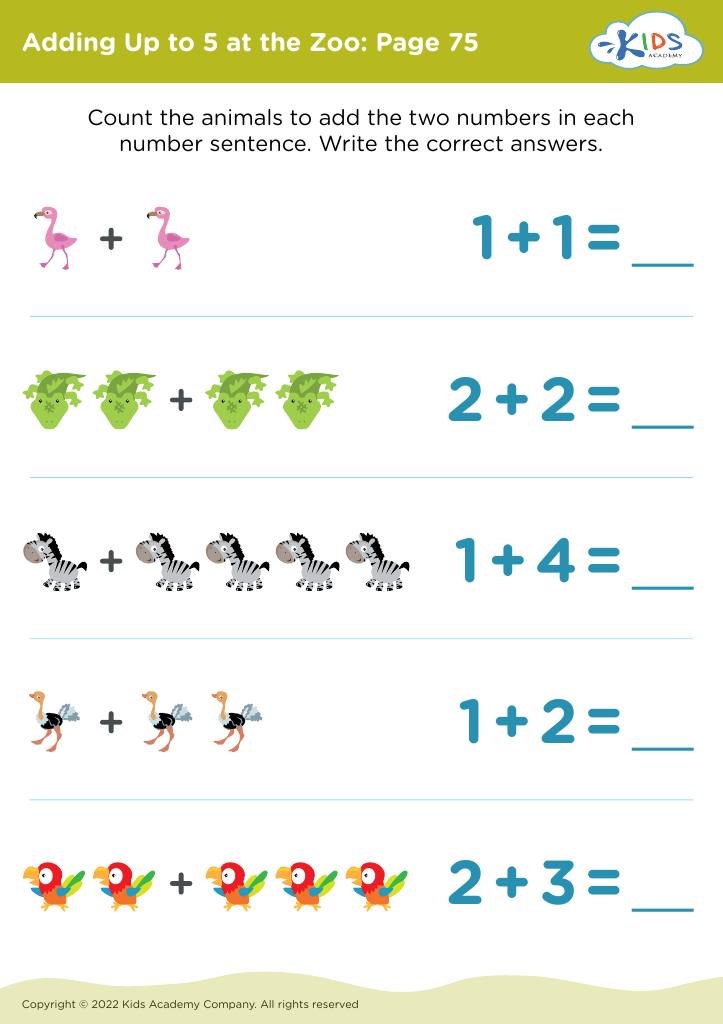
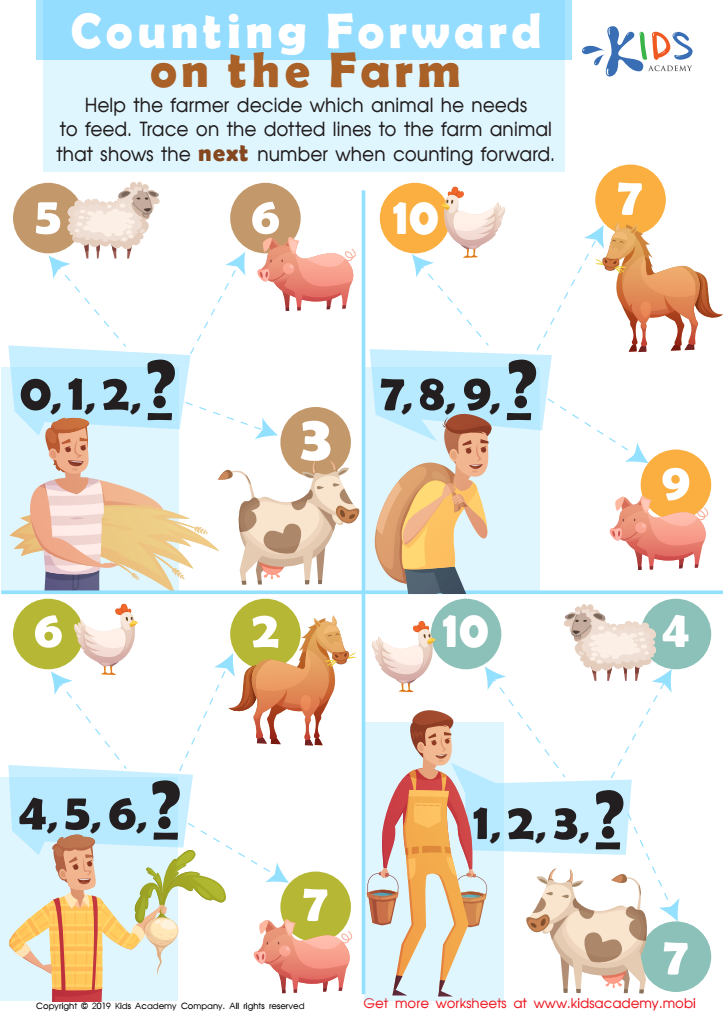
Counting Forward On the Farm Worksheet
 Assign to My Students
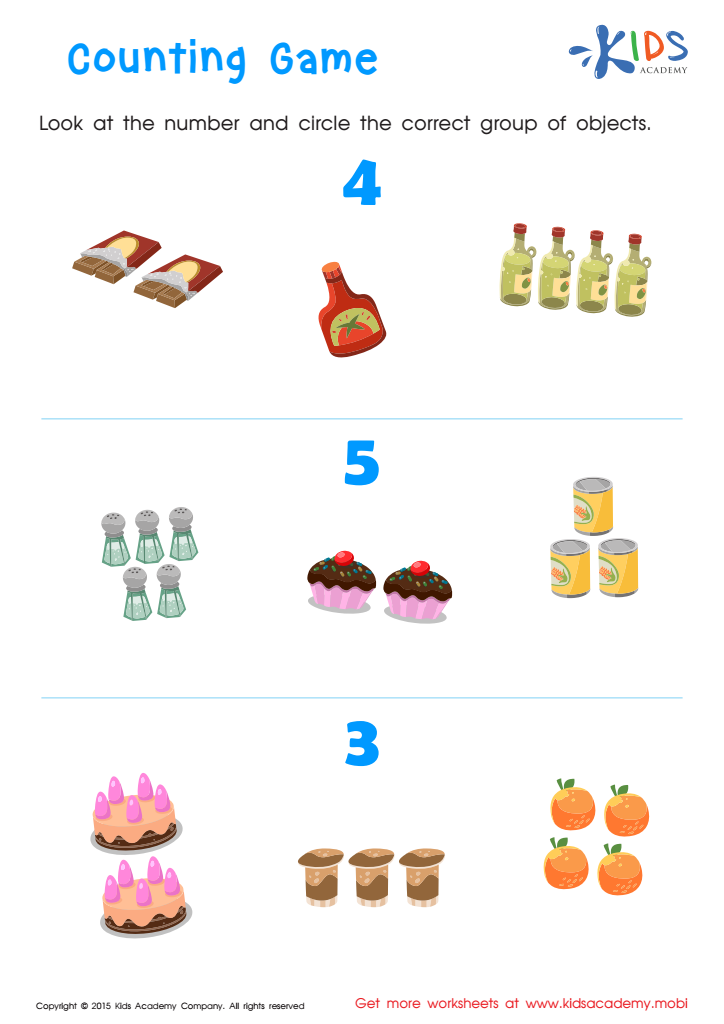
Counting Worksheet






Parents and teachers should care deeply about basic math abilities for children ages 4-8 because these foundational skills are critical for a child’s overall development and future academic success. At this age, children are like sponges, absorbing information and skills that lay the groundwork for more complex concepts later on. Proficient early math abilities not only contribute to better performance in future math classes but also enhance cognitive skills such as problem-solving, logical reasoning, and spatial awareness.
Moreover, early math education promotes confidence and an interest in the subject. When children grasp basic concepts like counting, adding, and understanding shapes, they are more likely to engage with math positively, avoiding anxiety or aversion later in life. Additionally, these skills are integral in everyday life—helping children understand simple concepts like time, money, and measurement, which are crucial for independent living as they grow.
Beyond academics, math teaches children how to think critically and approach problems methodically, skills valuable across various disciplines and in real-life scenarios. By prioritizing math education at this formative stage, parents and teachers equip children with the tools they need to thrive in an increasingly complex world.








