Comparative analysis Math Worksheets for Ages 4-8
6 filtered results
-
From - To
Welcome to our Comparative Analysis Math Worksheets for Ages 4-8. Designed to support young learners, these engaging worksheets introduce essential math concepts through fun comparisons and contrasts. Children will develop critical thinking skills as they learn to identify differences and similarities in various items, fostering their analytical abilities in a playful environment. Our resources cater to diverse learning styles, ensuring every child can thrive while building a strong mathematics foundation. With a variety of exercises that emphasize visual learning, kids will enjoy practicing comparison skills. Empower your child's mathematical journey today with our easy-to-use, printable worksheets!
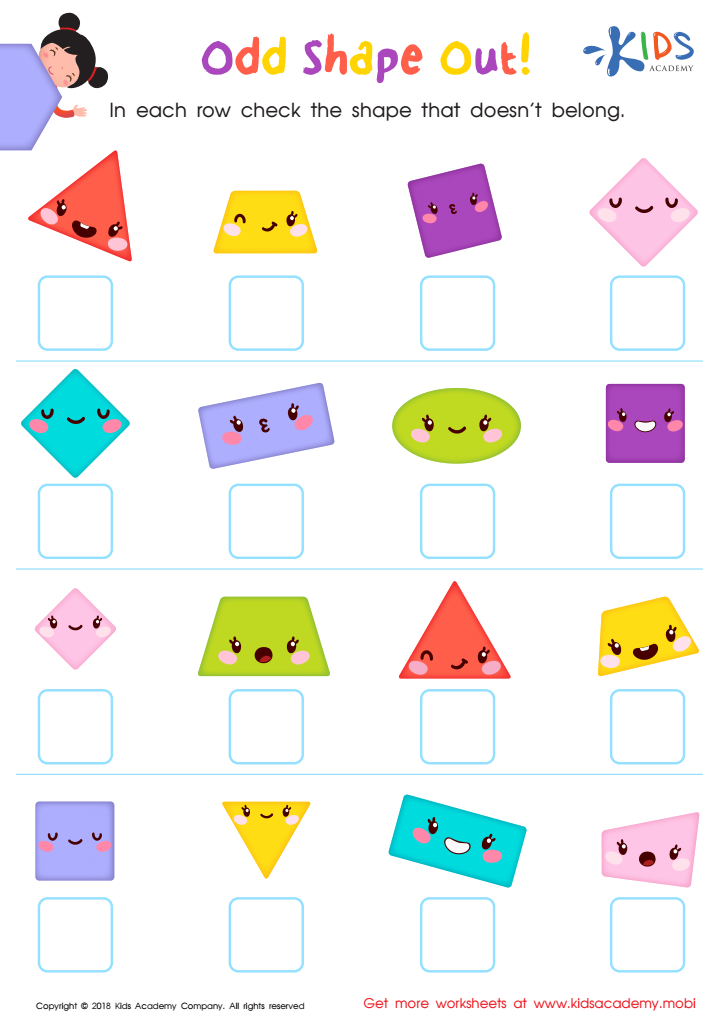
Odd Shape Out Worksheet for Grade 3
 Assign to My Students
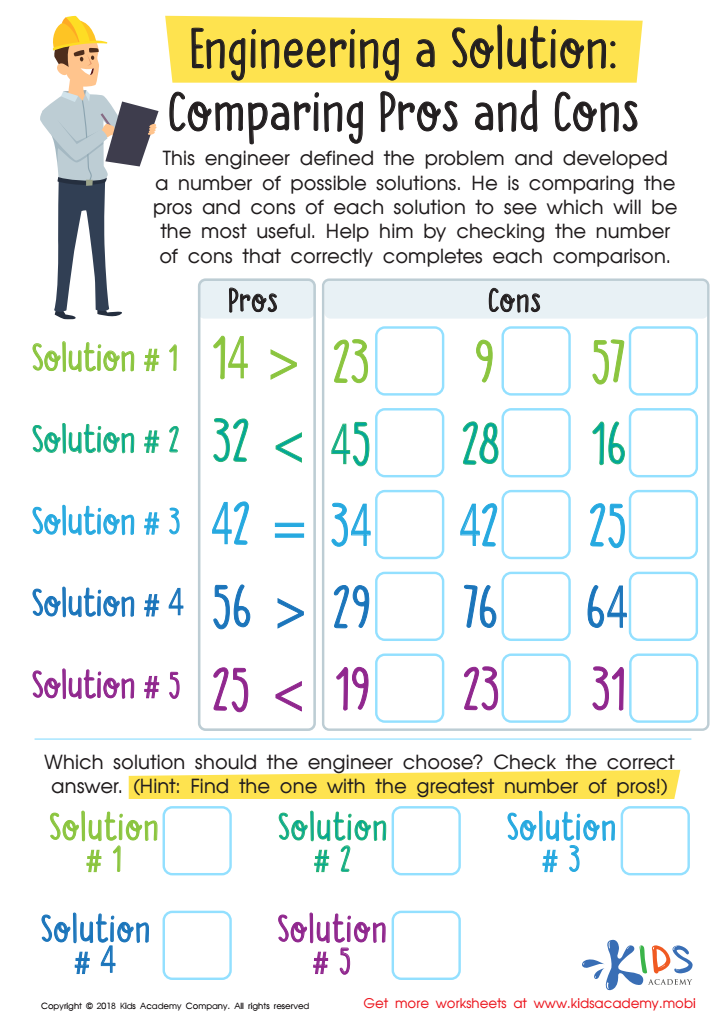
Engineering a Solution: Comparing Pros and Cons Worksheet
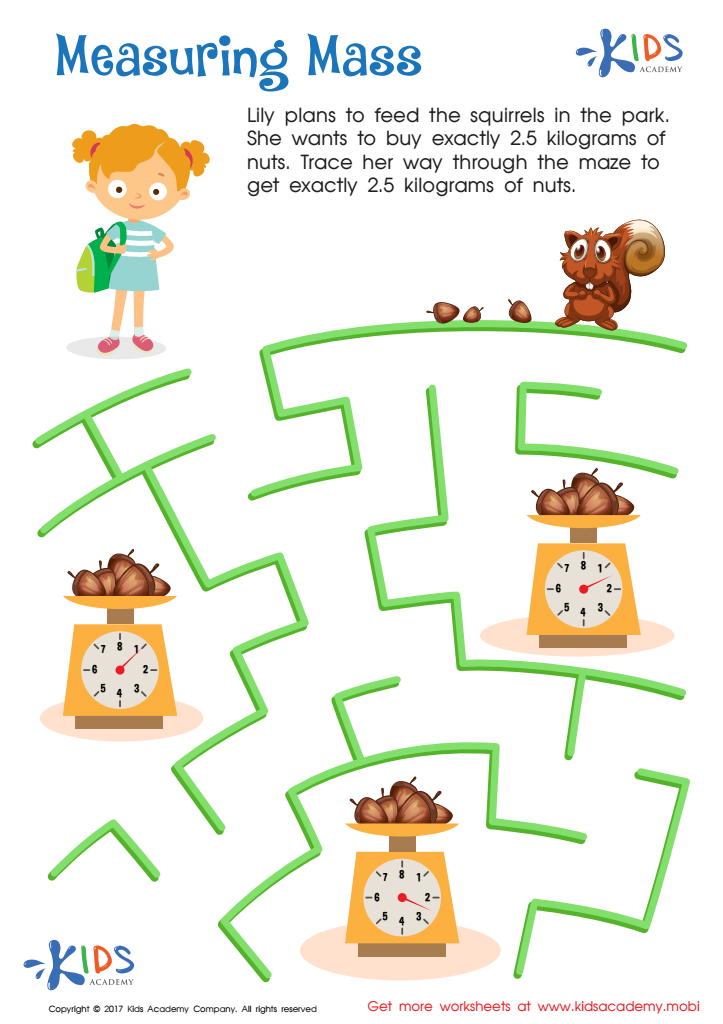
Measuring Mass Worksheet
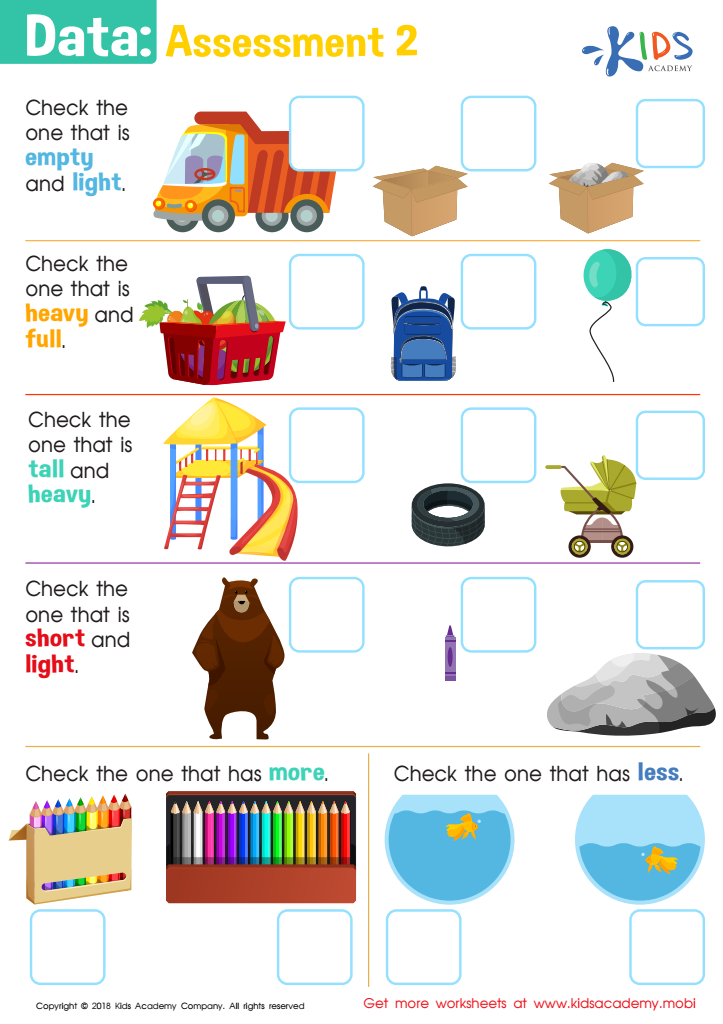
Data: Assessment 2 Worksheet
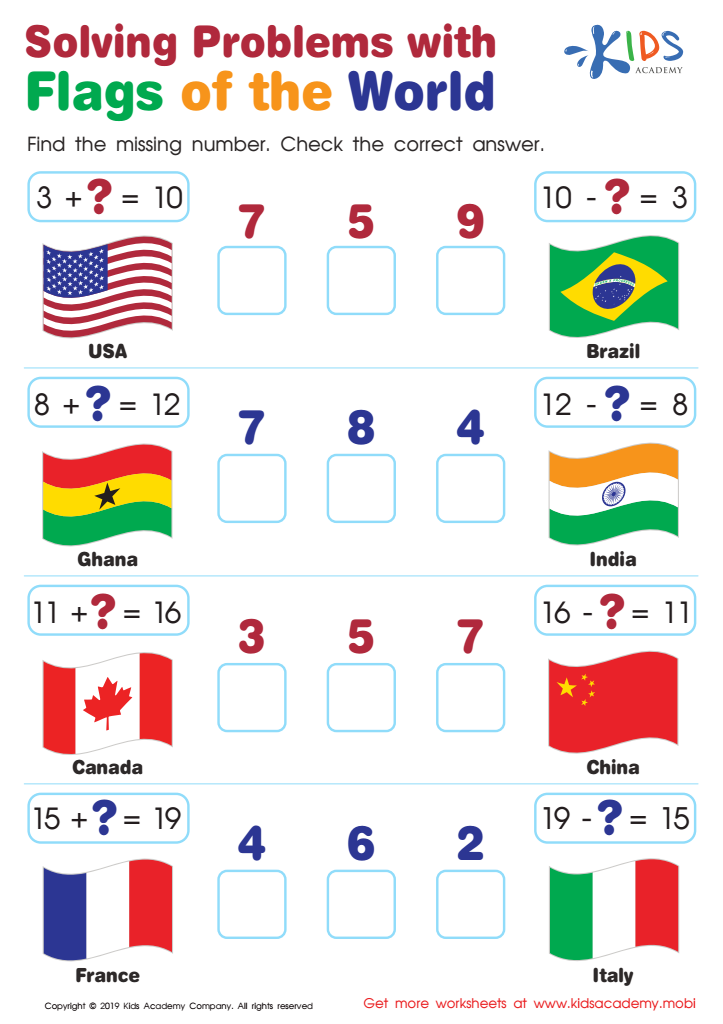
Solving Problems with Flags of the World Worksheet
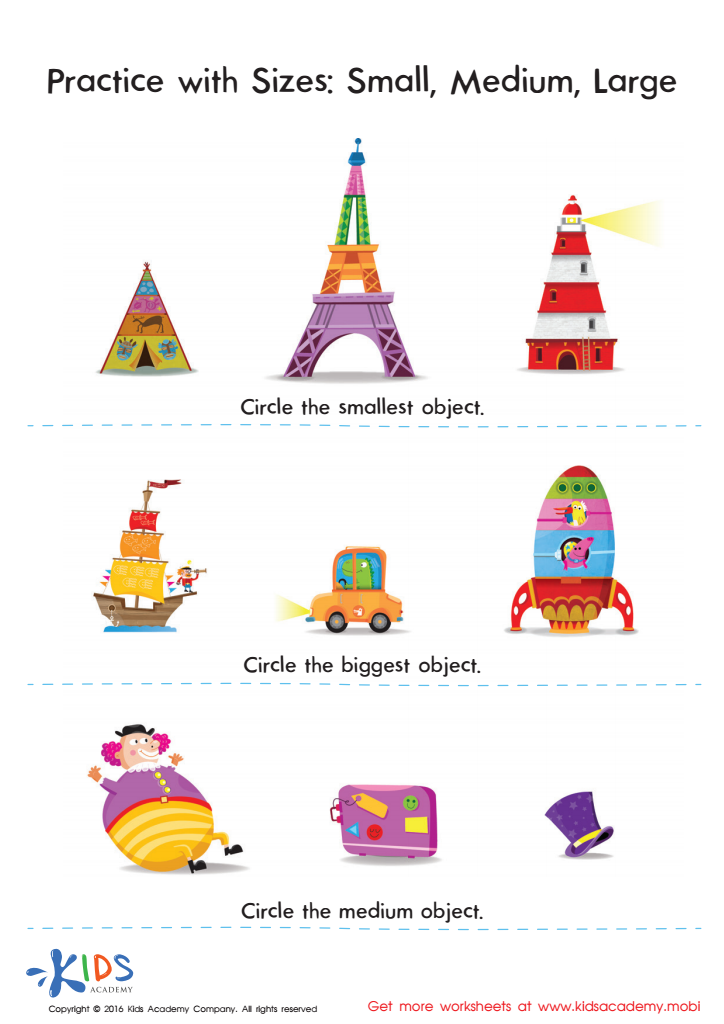








Comparative analysis in math for children aged 4-8 is essential for several reasons, fostering crucial skills that set the foundation for future learning. First, comparative analysis encourages critical thinking; it allows children to recognize similarities and differences between quantities, shapes, and patterns, which is vital for problem-solving. By engaging in tasks that require comparison, like determining which group has more or identifying larger/smaller shapes, children enhance their reasoning abilities.
Moreover, this form of analysis promotes numerical fluency. In a world where quantitative reasoning is increasingly important, understanding how to compare numbers builds confidence in handling math concepts. It helps children grasp foundational operations like addition and subtraction through intuitive understanding.
Additionally, comparative analysis nurtures language development. When children express their comparisons, they practice verbalizing mathematical ideas clearly, enhancing both their math vocabulary and communication skills.
Lastly, establishing strong numerical relationships and logical reasoning in early childhood lays a robust groundwork for later academic success. Early exposure to these concepts empowers children, making math engaging and meaningful. Thus, parents and teachers should prioritize comparative analysis in math for young learners to cultivate essential cognitive and social skills that will benefit them throughout their educational journey and beyond.








