Developing fine motor skills Math Worksheets for Ages 4-8
5 filtered results
-
From - To
Discover our engaging fine motor skills math worksheets designed specifically for children aged 4-8! These worksheets combine fun activities with essential math concepts to foster young learners' precision and control. By incorporating hands-on tasks like tracing, cutting, and coloring, children can enhance their fine motor abilities while building foundational math skills. Perfect for home or classroom use, our worksheets cater to diverse learning styles and promote early mathematical understanding in a playful, interactive way. Get started today and help your child develop the coordination and confidence they need to excel in both math and everyday tasks!
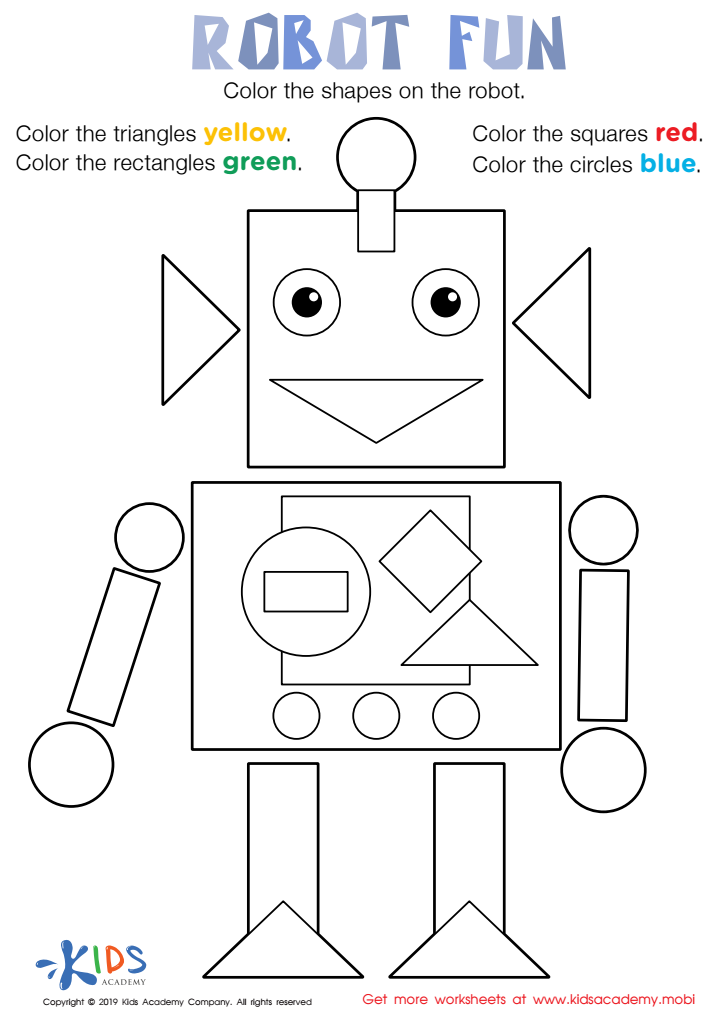
Robot Fun Worksheet
 Assign to My Students
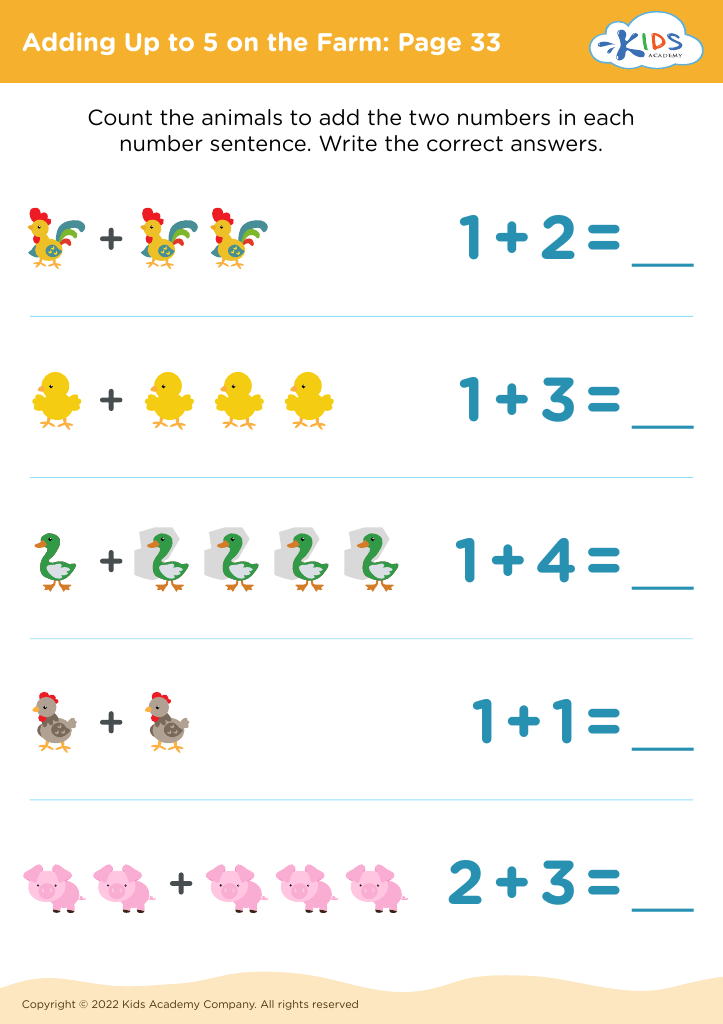








Developing fine motor skills in children aged 4-8 is crucial for their overall learning and development, particularly in mathematical concepts. Fine motor skills, which involve the coordination and control of small muscles, are essential for tasks that require precision, such as writing numbers, manipulating counting objects, and even performing basic tasks like cutting and gluing. Mastery of these skills builds the foundation for more complex math-related activities.
Research shows that strong fine motor skills correlate with better academic performance in math. For example, a child who can properly grasp a pencil will find it easier to write and solve math problems on paper. Additionally, fine motor activities like threading beads or using scissors enhance problem-solving and logical thinking, which are essential in math.
Parents and teachers should care about fostering these skills, as it supports not just math, but literacy, creativity, and critical thinking. Playing games that involve sorting, measuring, or building can seamlessly integrate fine motor practice into everyday learning. By focusing on developing fine motor skills, adults help children gain confidence, enhancing their enthusiasm for learning and paving the way for future academic success. Engaging children in these developmental activities can make math less daunting and more accessible.








