Developing spatial awareness Math Worksheets for Ages 4-8
3 filtered results
-
From - To
Discover engaging math worksheets designed to enhance spatial awareness for children ages 4-8! Our carefully crafted resources promote essential skills through fun activities that involve shapes, directions, and positional understanding. These worksheets support early learners in developing their ability to visualize and manipulate objects in space, laying a strong foundation for future math concepts. Perfect for parents, teachers, and educators, these printable worksheets are a valuable tool for enhancing kids’ problem-solving skills and cognitive abilities. Start nurturing your child's spatial awareness today, and watch their confidence and math skills soar with interactive and enjoyable learning experiences!
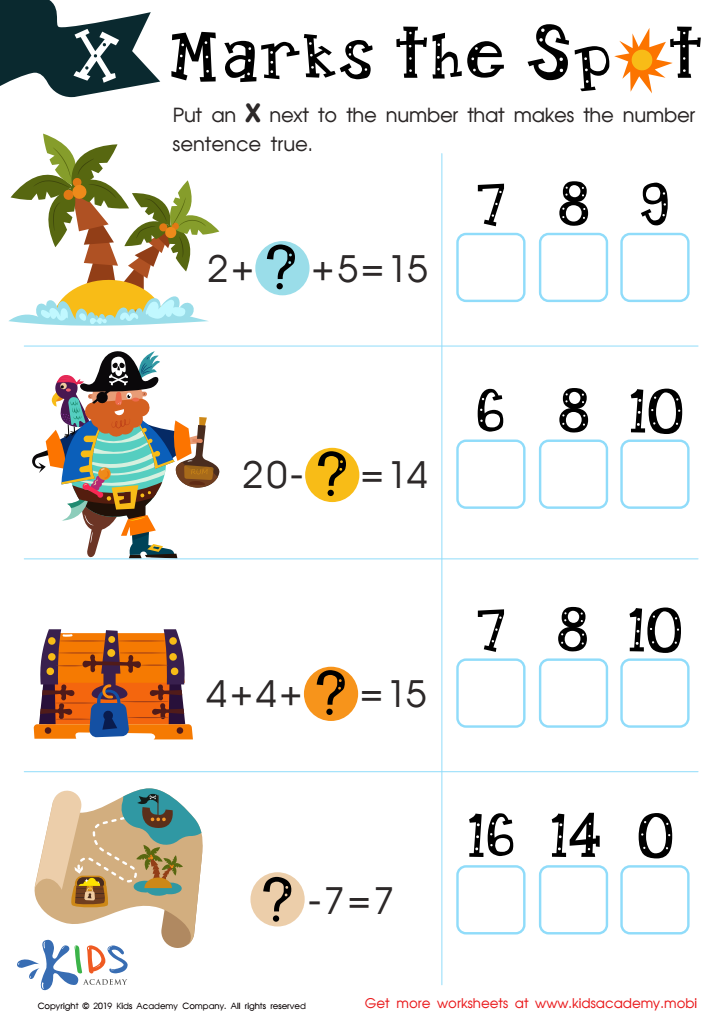
X Marks the Spot Worksheet
 Assign to My Students
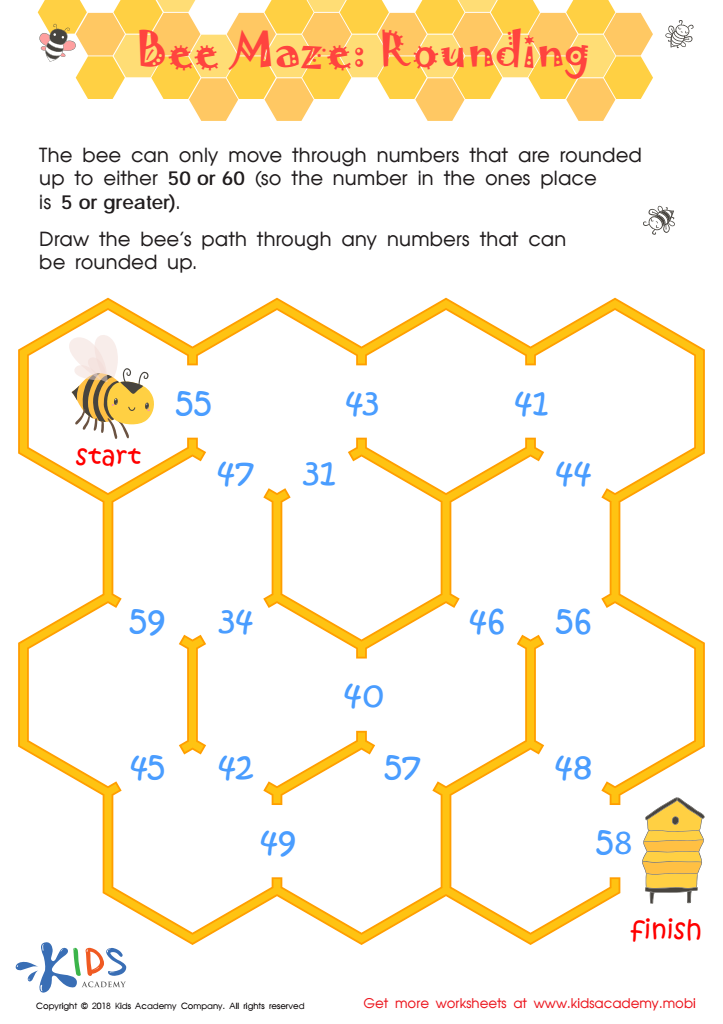
Bee Maze Rounding Worksheet






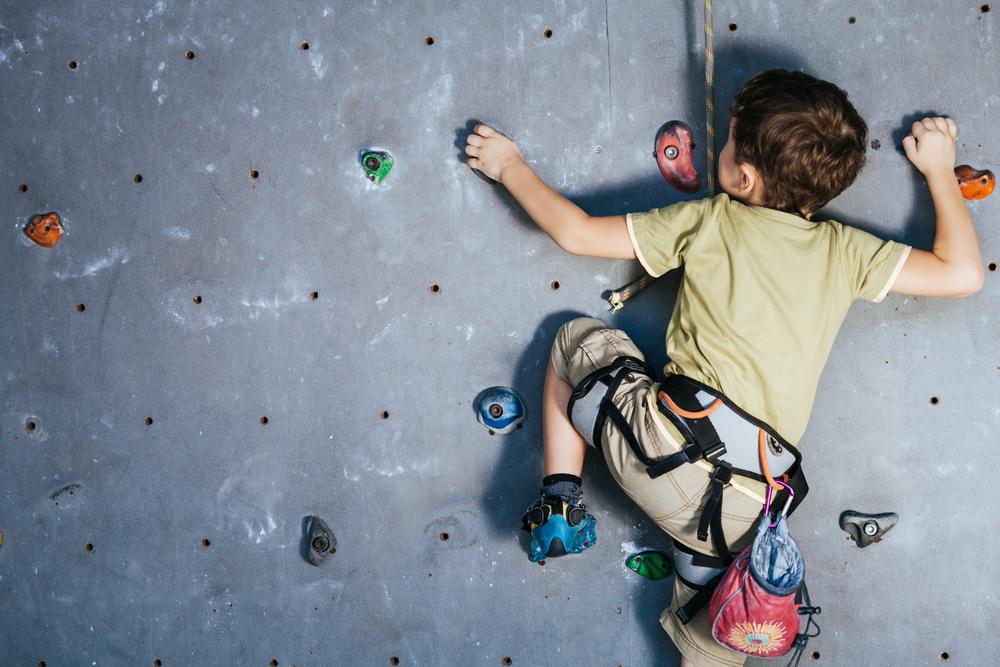

Developing spatial awareness in young children, particularly for ages 4-8, is crucial for their overall cognitive development and future mathematical skills. Spatial awareness encompasses the ability to understand and manipulate the positions and relationships of objects in space. This skill forms the foundation for more advanced mathematical concepts, such as geometry, measurement, and problem-solving.
By nurturing spatial awareness, parents and teachers help children improve their ability to visualize shapes, understand directions, and navigate their environment, which contributes to greater confidence in math. Early exposure to spatial activities—like building with blocks, playing with puzzles, or engaging in movement-based games—encourages critical thinking and fosters creativity.
Moreover, studies suggest that strong spatial skills correlate strongly with success in STEM (science, technology, engineering, and mathematics) fields later in life. By prioritizing spatial awareness, educators and parents not only enhance foundational math skills but also expand future opportunities for children in an increasingly technology-driven world.
Ultimately, investing in spatial awareness at an early age equips children with the tools they need to tackle complex mathematical challenges, setting a solid groundwork for lifelong learning and success in various disciplines.








