
Enhance fine motor skills Math Worksheets for Ages 4-8
5 filtered results
Difficulty Level
Grade
Age
-
From - To
Subject
Activity
Standards
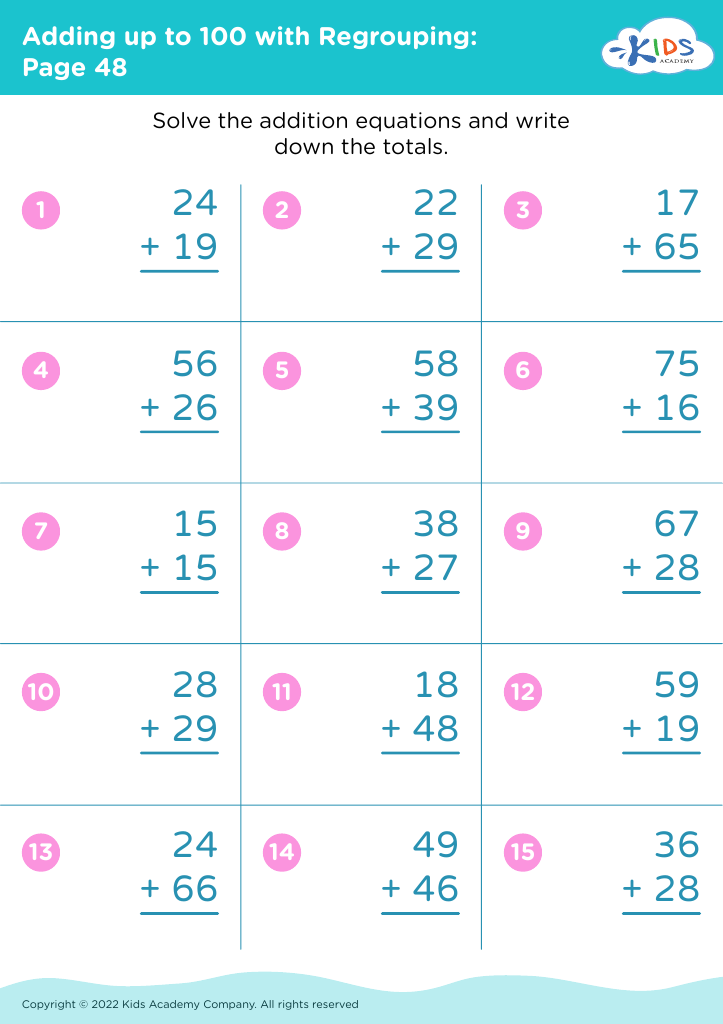
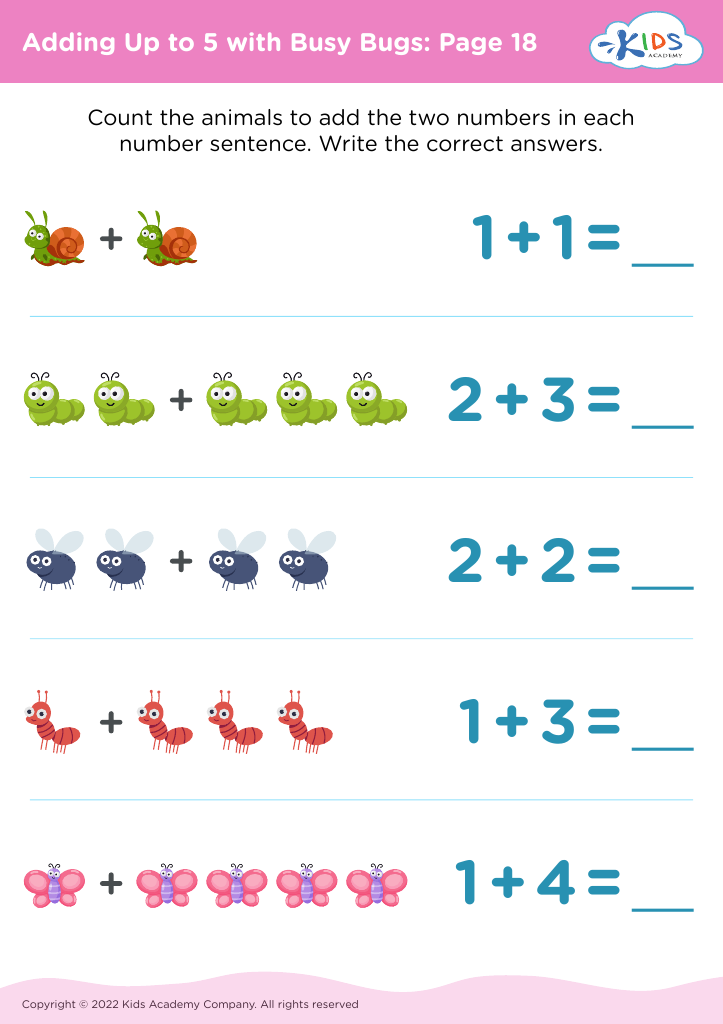
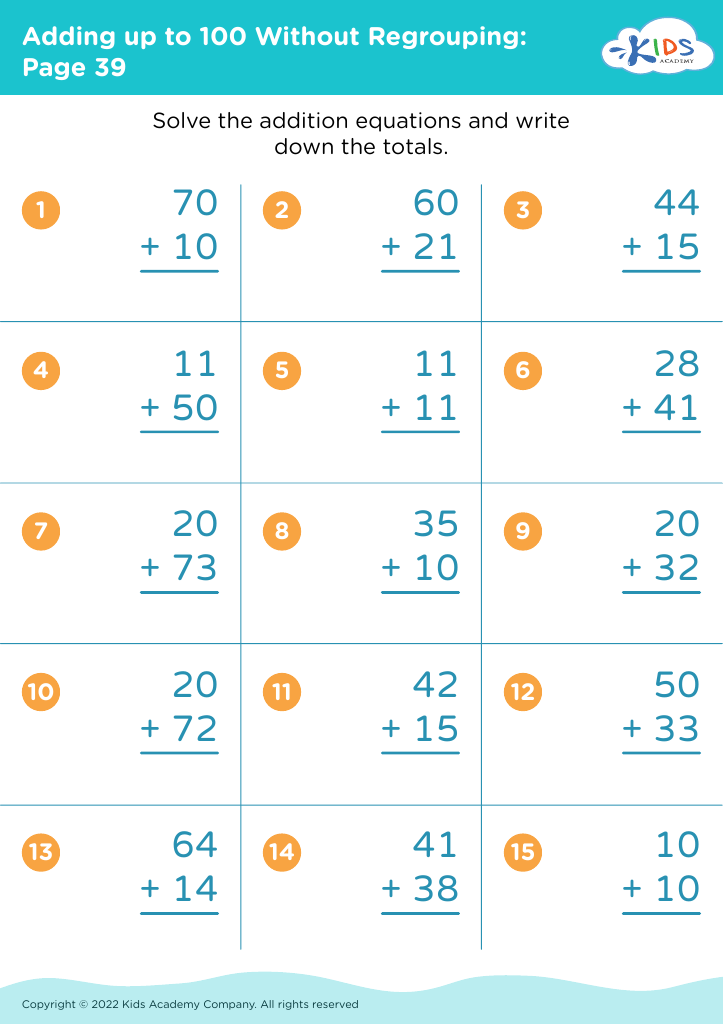
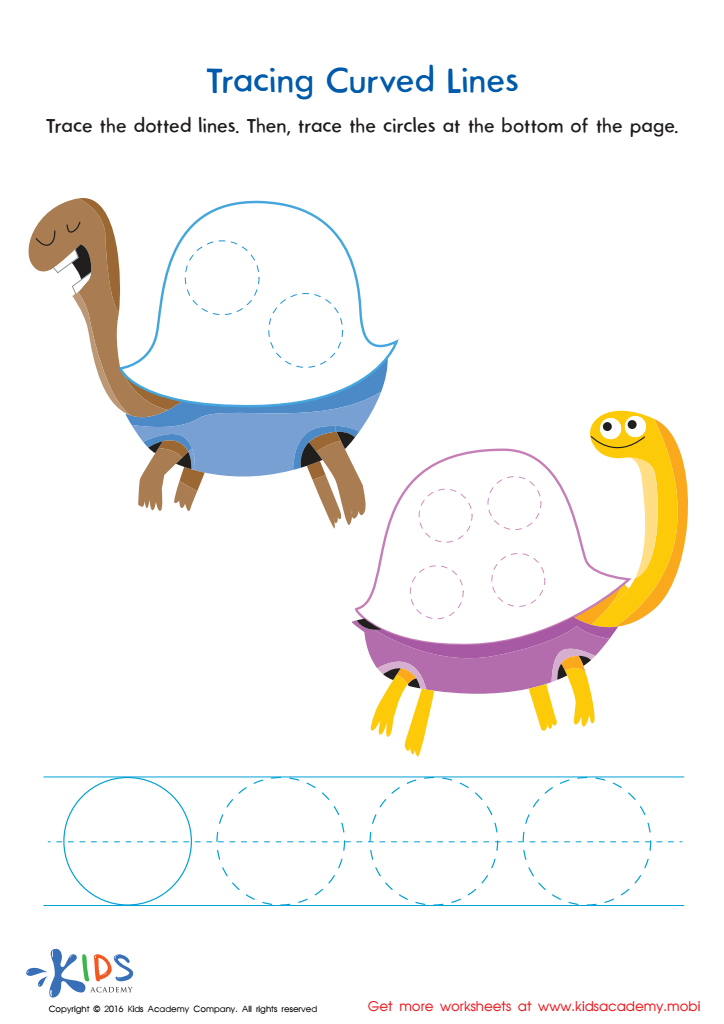
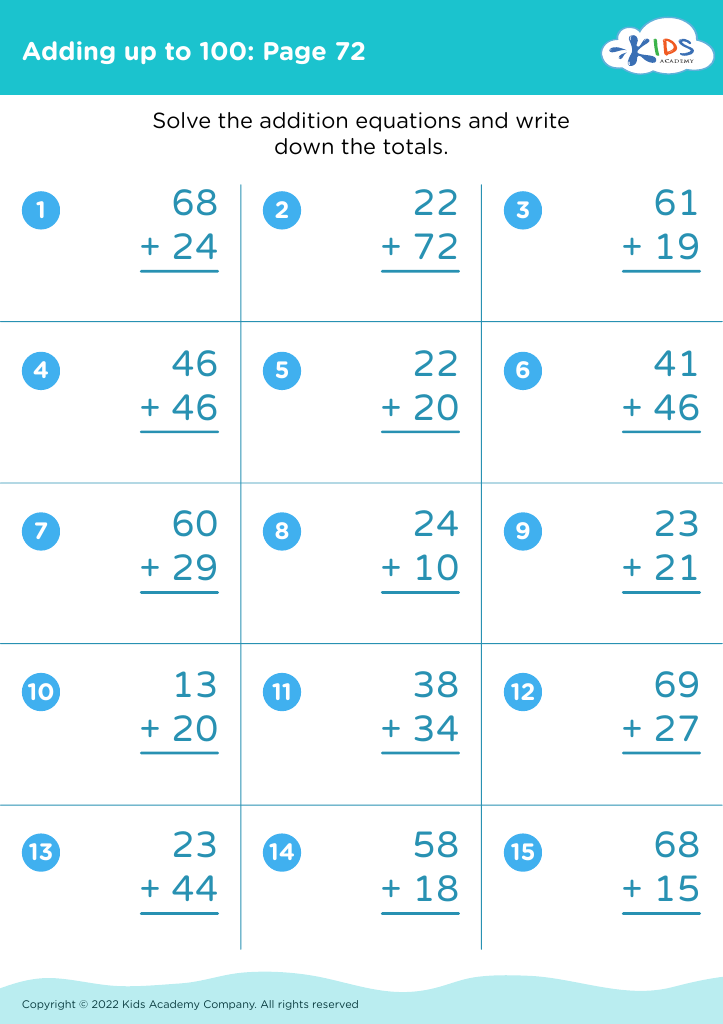
Boost your child's fine motor skills while reinforcing their math abilities with our engaging worksheets designed for ages 4-8. Perfect for early learners, these activities incorporate fun, hands-on exercises that encourage children to practice essential skills like cutting, coloring, and tracing. Our user-friendly worksheets not only support math concepts such as counting, shapes, and patterns but also enhance hand-eye coordination and dexterity. Developed by educators, these resources promote a love for learning through interactive play. Explore our collection to make math enjoyable and improve fine motor skills simultaneously, ensuring a well-rounded educational experience for your young learners!
Favorites
With answer key
Interactive
 Assign to My Students
Join Kids Academy for Free
Who is primarily going to use this learning content?



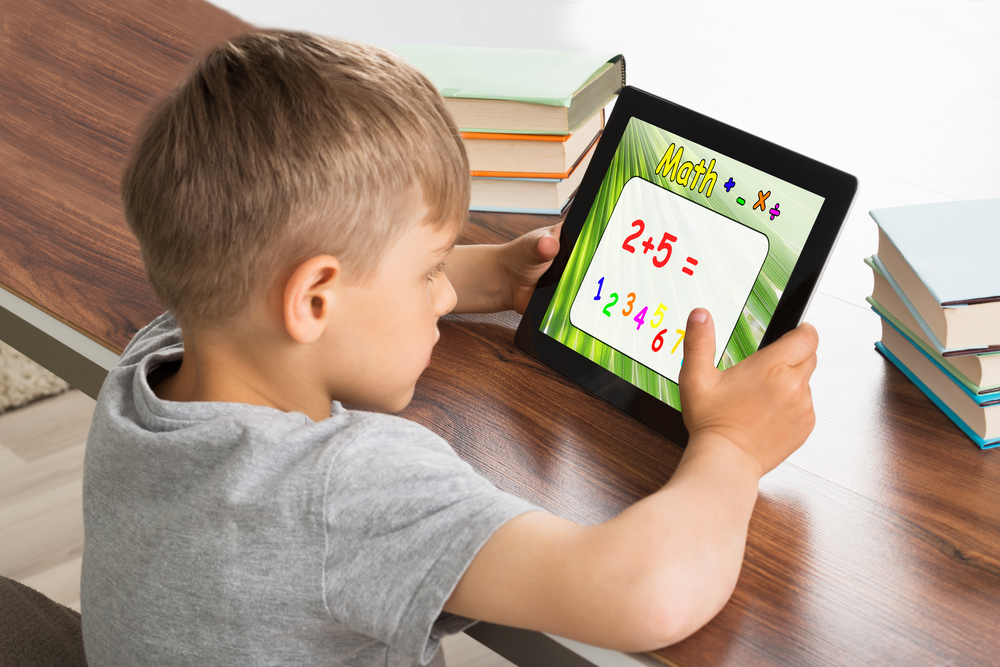




Enhancing fine motor skills in children aged 4-8 is crucial for their overall developmental growth, especially in math-related learning. Fine motor skills involve the use of small muscles in the hands and fingers, which are essential for tasks like writing, counting, and manipulating objects. When parents and teachers prioritize fine motor skill development, they are effectively laying the groundwork for future academic success.
For young learners, the ability to grasp pencils, cut shapes, and build with blocks supports not only physical coordination but also cognitive skills. Engaging in activities that enhance these skills helps children with number formation, the manipulation of counting tools like beads or blocks, and the construction of geometric shapes, all of which are foundational concepts in math.
Moreover, fine motor activity encourages concentration, patience, and problem-solving—qualities that serve well in math learning. By providing opportunities for hands-on experiences, such as threading beads, completing puzzles, or engaging in craft activities, parents and teachers foster resilience and critical thinking.
Ultimately, developing fine motor skills not only reinforces mathematical understanding but also builds confidence, allowing children to approach math problems with greater ease and enthusiasm, assuring a positive learning trajectory in their educational journey.








