Following directions Math Worksheets for Ages 4-8
3 filtered results
-
From - To
Discover engaging Following Directions Math Worksheets designed specifically for children aged 4-8 at Kids Academy! These interactive worksheets encourage young learners to hone their listening and comprehension skills while solving fun math problems. Each activity is tailored to promote understanding of essential math concepts while enhancing attention to detail and the ability to follow step-by-step instructions. Perfect for home or classroom use, our printable resources are colorful and easy to navigate, ensuring that learning remains fun and effective. Spark your child's interest in math today and make following directions an enjoyable adventure with our tailored worksheets!
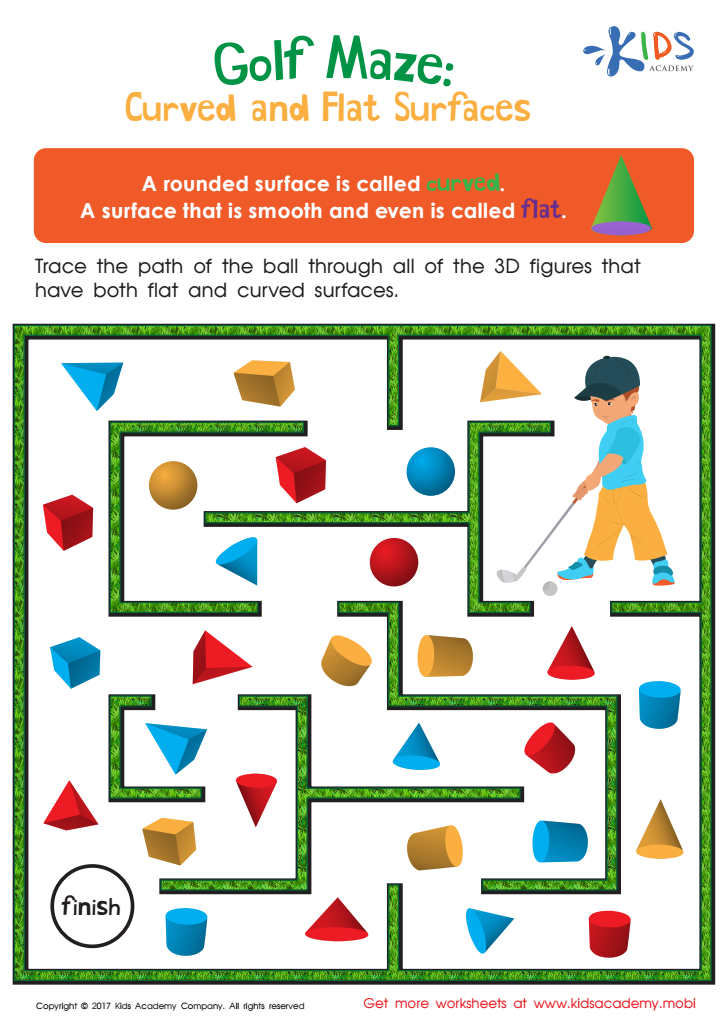
Golf Maze: Curved and Flat Surfaces Worksheet
 Assign to My Students
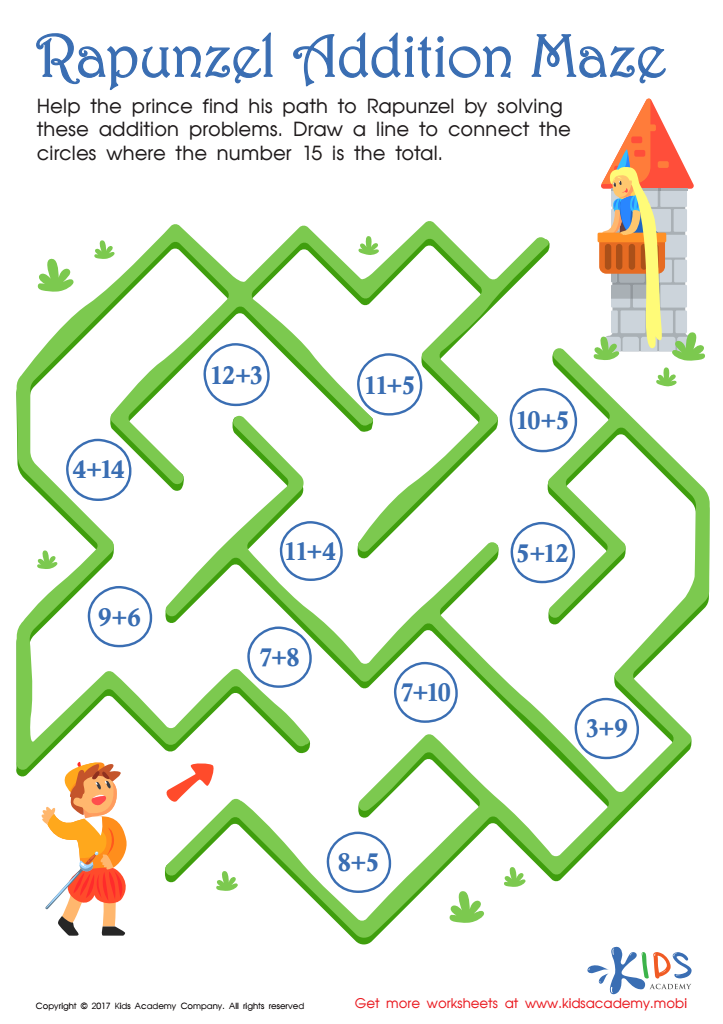
Rapunzel Addition Maze Worksheet
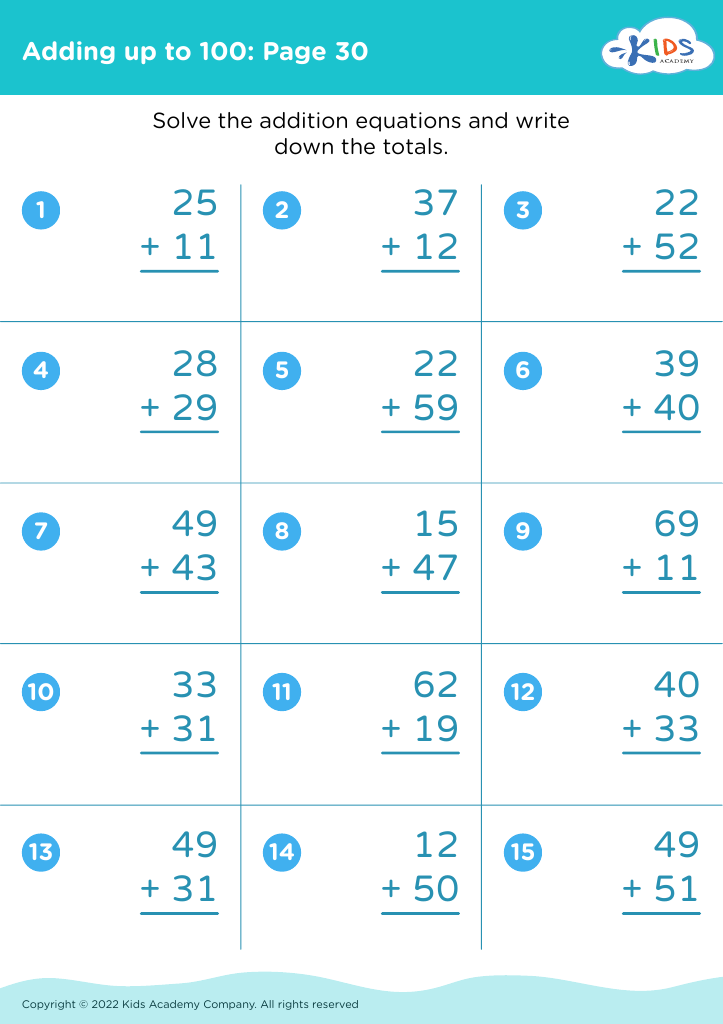








Following directions in math is crucial for young learners aged 4-8, as it lays the foundation for critical thinking and problem-solving skills. When parents and teachers emphasize good listening and adherence to steps in math activities, it prepares children to comprehend concepts deeply rather than just memorizing strategies. Math often requires a series of sequential steps, whether in addition, subtraction, or even geometry; following directions helps students learn to approach challenges systematically.
Moreover, these skills cultivate independence and confidence. When children succeed in completing tasks accurately by following directions, they develop a sense of achievement, motivating them to tackle more complex problems in the future. This process also enhances their ability to focus and enhances concentration.
Additionally, emphasizing following directions helps reinforce communication between parents and teachers. It nurtures collaborative learning, where children learn to interpret verbal and written instructions while developing social skills. Lastly, instilling the importance of following directions at a young age fosters a respectful attitude towards structure and authority, preparing children for advanced education where these skills will remain essential. This attention to detail ultimately shapes responsible learners who can navigate not just math but various aspects of their academic and everyday lives.








