
Improve reading comprehension Math Worksheets for Ages 4-8
12 filtered results
Difficulty Level
Grade
Age
-
From - To
Subject
Activity
Standards
Discover our engaging "Improve Reading Comprehension Math Worksheets" designed for children ages 4-8! These worksheets seamlessly blend math concepts with reading comprehension skills, helping young learners enhance their understanding of both subjects simultaneously. With a variety of fun, age-appropriate exercises, kids will work through word problems and math scenarios that require critical thinking and reading fluency. Our resources foster a love for learning, making math and reading enjoyable and interactive. The worksheets are perfect for at-home practice or classroom use, ensuring your child builds essential skills while having fun. Explore our collection today and give your child's learning journey a boost!
Favorites
With answer key
Interactive
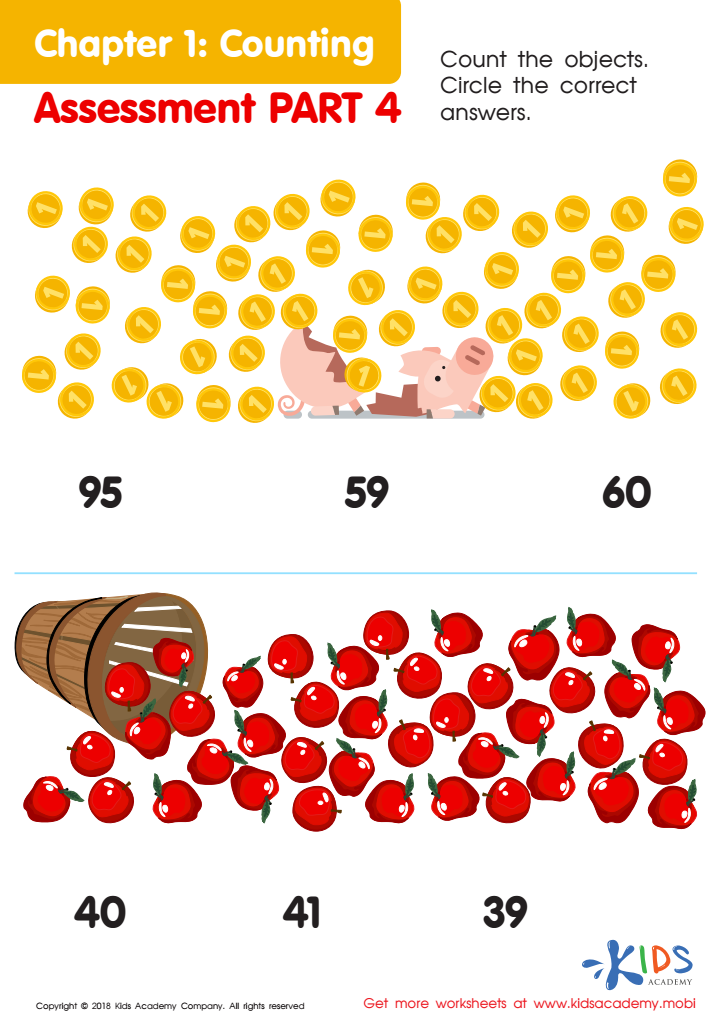
Counting: Assessment 4 Worksheet
Encourage your students to count objects in this colorful worksheet. Ask them to circle the correct answers from the options given. See how much their counting skills have improved with your guidance. Have fun!
 Assign to My Students
Counting: Assessment 4 Worksheet
Worksheet
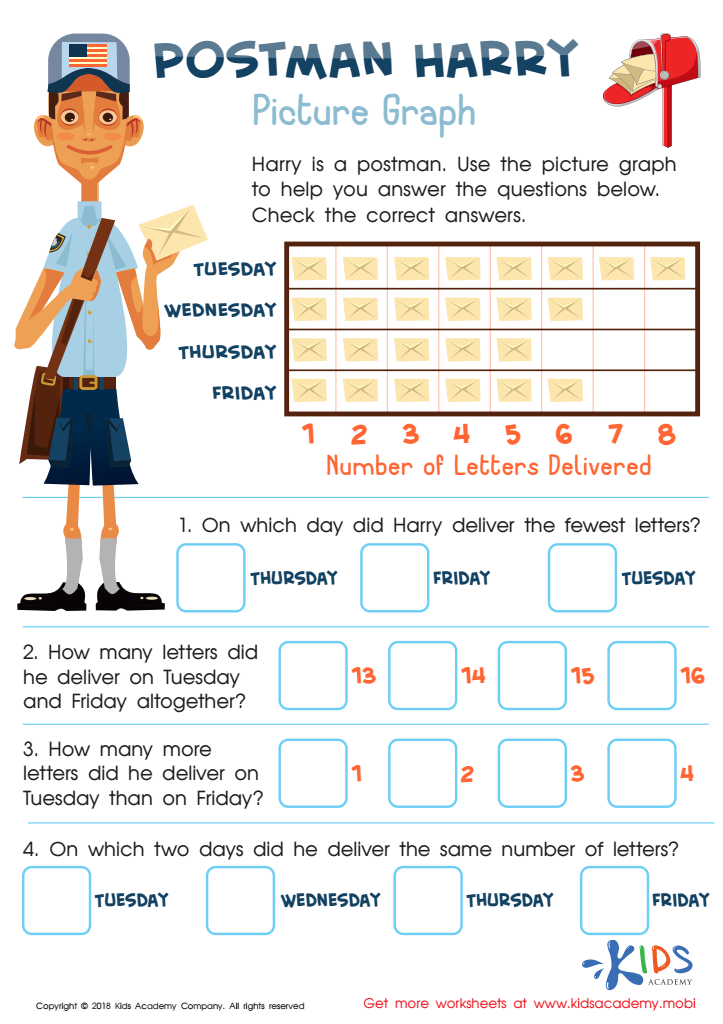
Postman Harry: Picture Graph Worksheet
Show your kids a picture of Harry the Postman and ask if they can identify his profession. Then, with this simple picture graph worksheet, help Harry out by having your kids answer the questions below the picture graph. It shows the number of letters he delivered, and on what day. Get your kids to use the picture graph to solve it.
Postman Harry: Picture Graph Worksheet
Worksheet
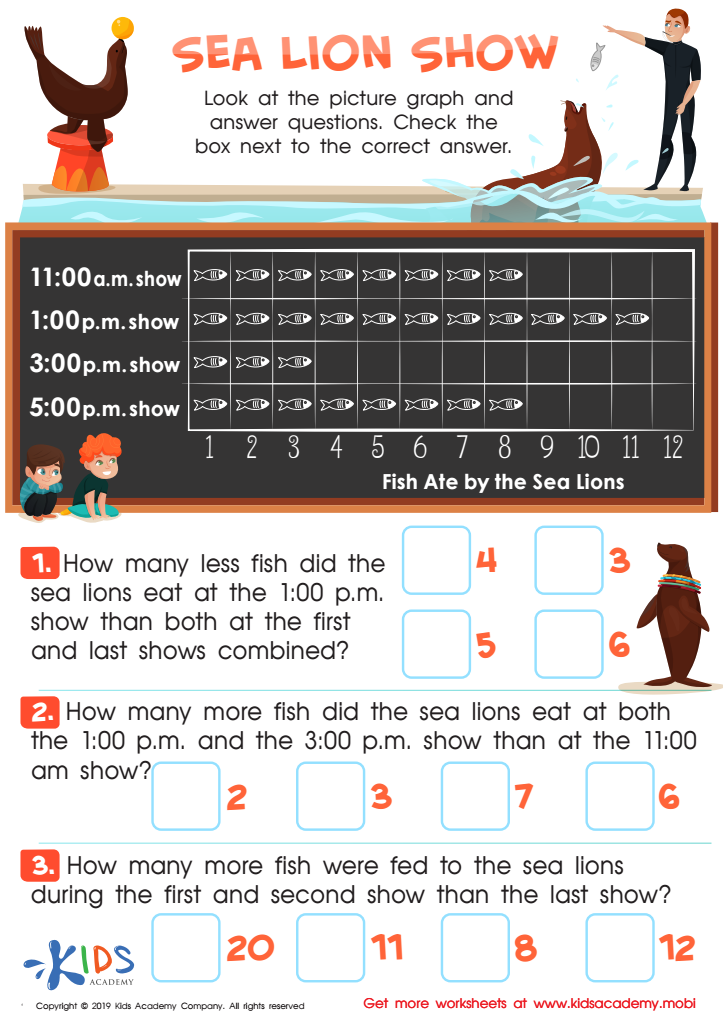
Sea Lion Show Worksheet
Help your kids understand and enjoy bar graphs better with this worksheet. Read and follow the simple instructions with your kids, and guide them through some exercises which will help them practice. As they learn maths in school, each day brings a new topic which might prove more difficult than the last. This worksheet will give your kids the best learning experience.
Sea Lion Show Worksheet
Worksheet
Join Kids Academy for Free
Who is primarily going to use this learning content?




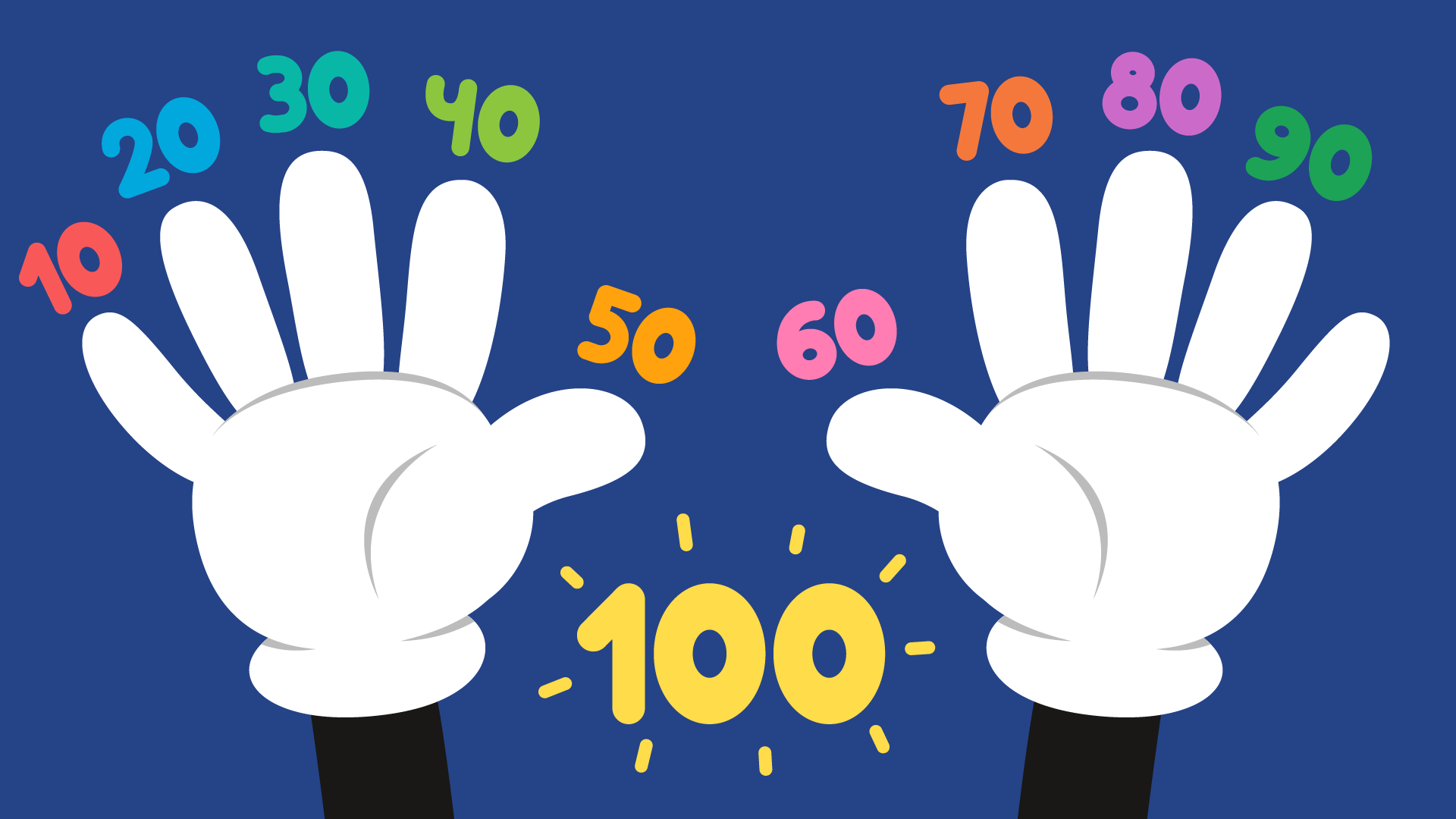



Improving reading comprehension and math skills in children aged 4-8 is crucial for several reasons. During these formative years, children develop foundational abilities that set the stage for future learning. A strong grasp of reading comprehension helps them understand and engage with their environment, fosters critical thinking, and is essential for all subjects, not just literacy. Reading is a vital tool for learning across disciplines, where the ability to extract meaning from texts is necessary for success.
On the other hand, foundational math skills like counting, recognizing patterns, and understanding basic arithmetic build their problem-solving capabilities and logical reasoning. These skills are important not only in future math classes but also when navigating everyday situations, like managing money or organizing information.
Moreover, children who receive a strong education in reading and math during these early years are more likely to develop a love of learning, enhancing their self-esteem and motivation. Parents and teachers must collaborate to create engaging and supportive learning environments, ensuring children acquire these essential skills in the primary years, as they are invaluable for a child's overall academic success and lifelong learning. Understanding this interconnection fosters a holistic approach to education.








