Improving fine motor skills Math Worksheets for Ages 4-8
3 filtered results
-
From - To
Enhance your child's fine motor skills while making math fun with our engaging worksheets designed for ages 4-8! These carefully crafted printable activities focus on hand-eye coordination and precision, essential for successful handwriting and small manipulations. Each worksheet combines mathematical concepts with creative exercises, encouraging kids to trace, connect, and color their way to mastering numbers. Ideal for at-home learning or classroom use, our resources promote skill development in a playful and supportive environment. Unlock your child's potential by integrating fine motor practice into their math journey today! Explore our collection to find the perfect worksheets that fit your needs.
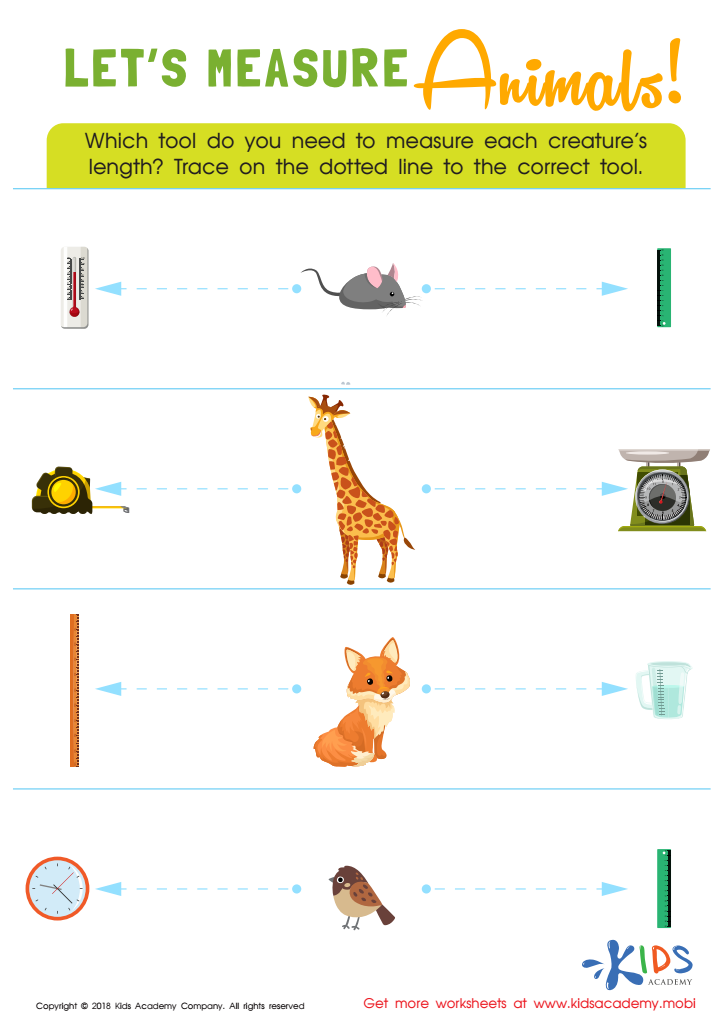
Let's Measure Animals! Worksheet
 Assign to My Students







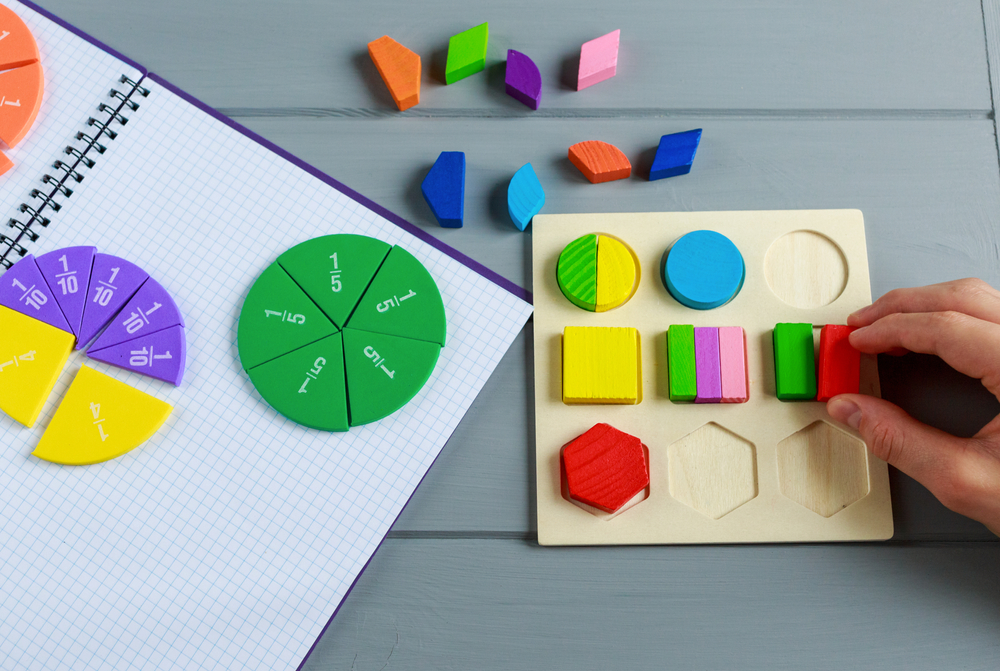
Improving fine motor skills in young children, especially during the critical ages of 4-8, is essential for several reasons. Firstly, fine motor skills, which involve the coordination of small muscle movements, are foundational for daily activities such as writing, drawing, and manipulating objects. These skills directly impact a child’s ability to succeed in early academic tasks, particularly in math, where writing numbers and manipulating counting objects like blocks are fundamental.
Moreover, when children engage in activities that enhance their fine motor skills, they also develop their hand-eye coordination and spatial awareness—both of which are crucial for understanding mathematical concepts such as shapes, symmetry, and measurement. Engaging, hands-on approaches combine play with learning, making math enjoyable and relatable for young learners. This can foster a positive attitude towards mathematics, promoting a love for learning from an early age.
Furthermore, the process of developing these skills instills patience, persistence, and problem-solving abilities as they work through various tasks. Teachers and parents who prioritize fine motor skill development create a supportive environment conducive to learning, ultimately setting the groundwork for future academic achievement and confidence in math. By investing time in these activities, adults help nurture well-rounded learners ready to tackle more complex concepts down the road.








