Improving observation Math Worksheets for Ages 4-8
3 filtered results
-
From - To
Enhance your child's observational skills with our "Improving Observation Math Worksheets" designed for children ages 4-8! These engaging, printable worksheets focus on developing essential math skills through exciting activities that challenge kids to notice details, recognize patterns, and strengthen their analytical thinking. Each worksheet includes colorful illustrations and age-appropriate exercises that make learning math fun and interactive. Perfect for home or classroom use, our resources help young learners build confidence while honing their observational abilities. Explore our extensive collection and watch your child thrive as they embark on a delightful math adventure that fosters critical thinking and promotes early numeracy skills!
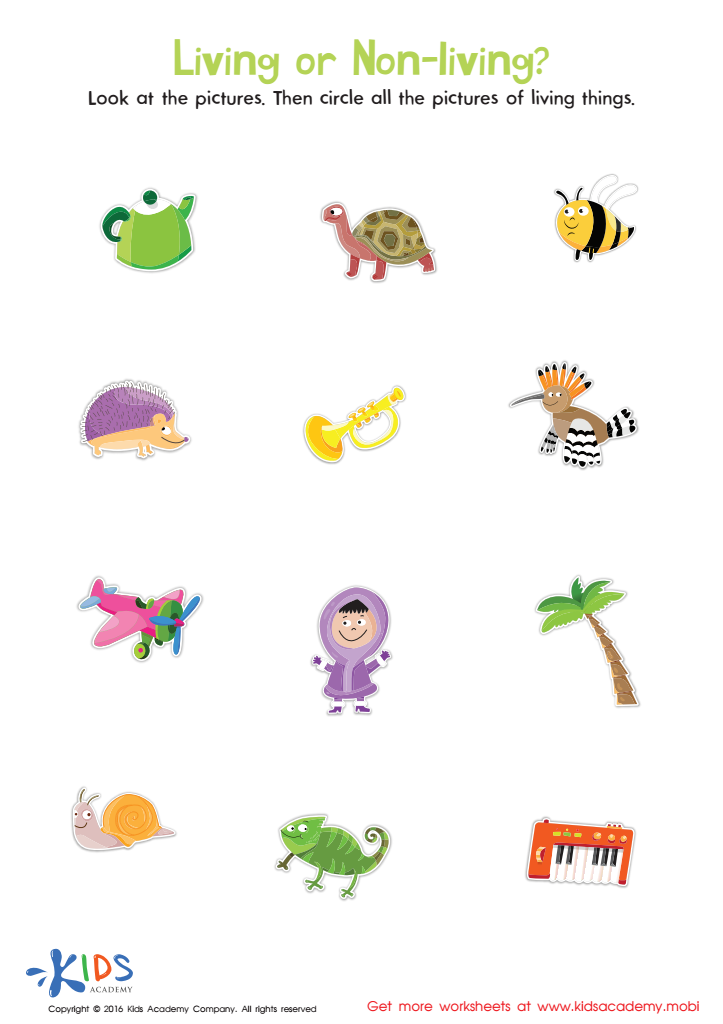
Identifying Living and Non–living Things Sorting Worksheet
 Assign to My Students
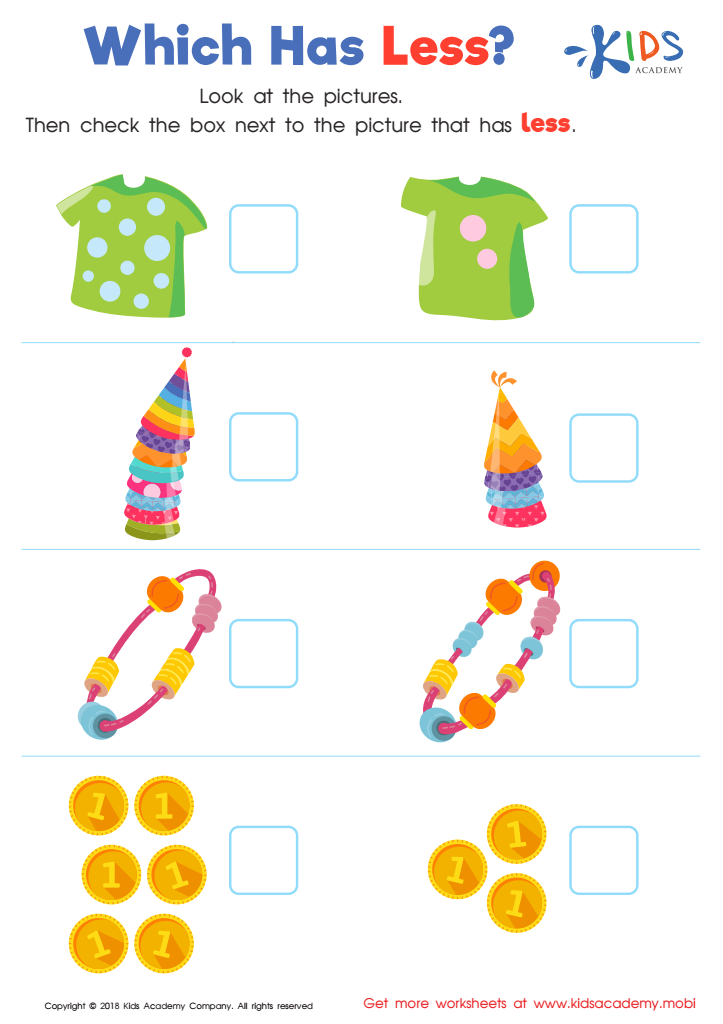
Which Has Less? Worksheet
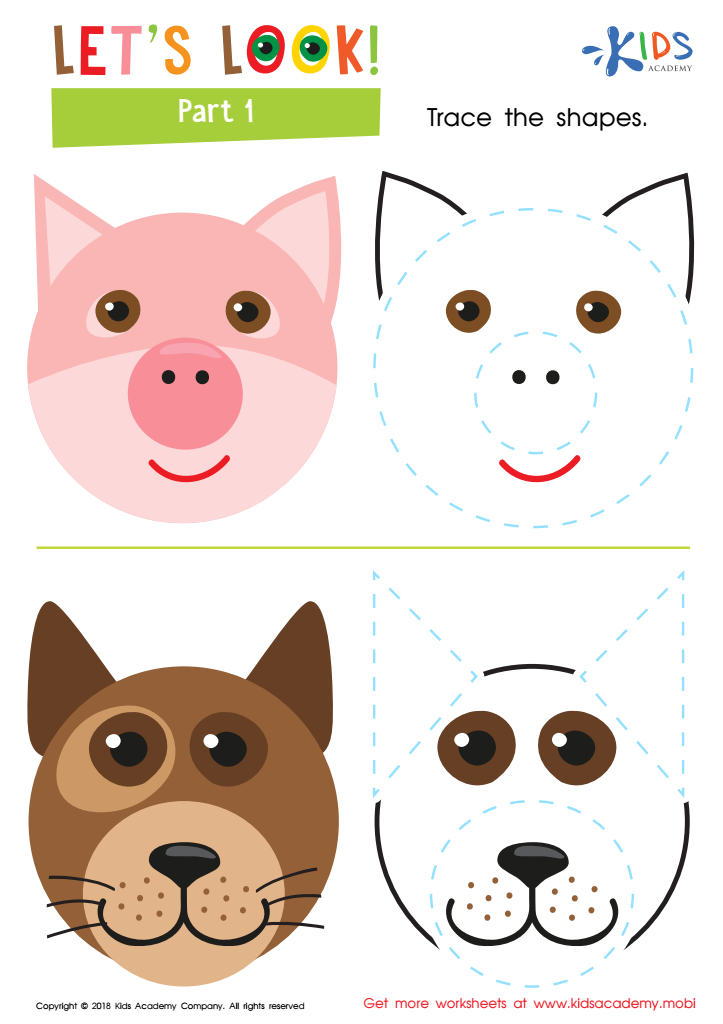
Let's Look! Part 1 Worksheet







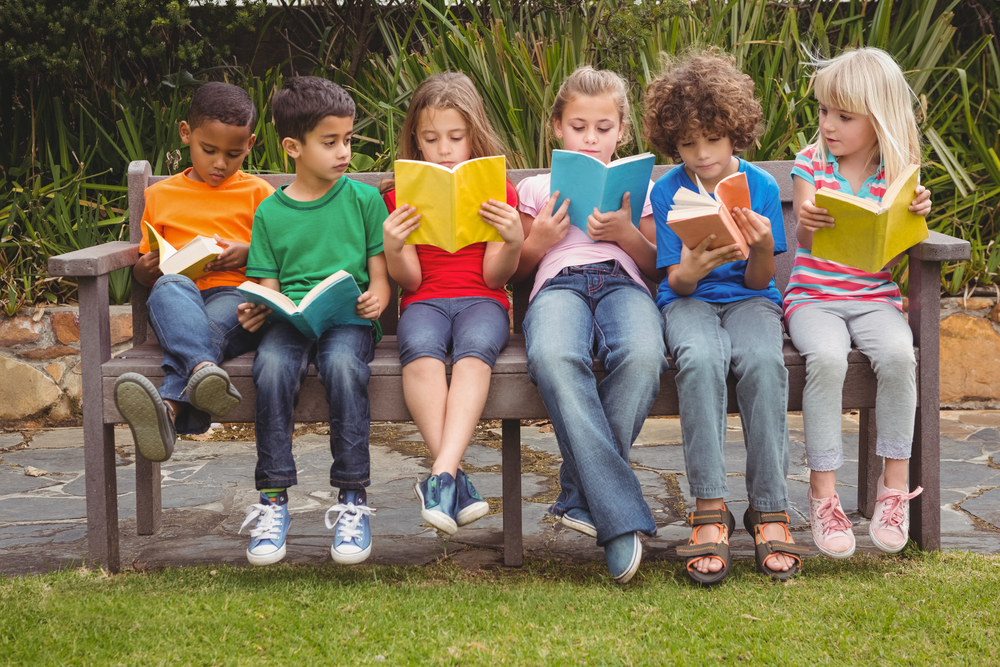
Improving observation math for children aged 4-8 is crucial for several reasons. First, this age group is in a formative stage of cognitive development, where foundational skills in math are essential. Observational math encourages curiosity and engagement, allowing children to explore mathematical concepts through everyday experiences. This hands-on approach helps solidify their understanding of key ideas like counting, patterns, and spatial awareness.
Moreover, enhancing observational math skills fosters critical thinking and problem-solving abilities. As children learn to observe and analyze their surroundings mathematically, they develop the ability to make connections between concepts, which is vital for more complex mathematics they will encounter later. This encourages a growth mindset, as students learn to approach math with confidence rather than fear.
Also, equipping children with strong observational skills promotes lifelong learning habits. When parents and teachers prioritize these skills, they create a rich learning environment, leading to better academic outcomes and an appreciation for math beyond the classroom.
Lastly, improved observational math skills can help close achievement gaps. Children from diverse backgrounds may have varying access to formal math education, so engaging them in observational math is an inclusive strategy that nurtures a love for learning in all students.








