Improving observational skills Math Worksheets for Ages 4-8
3 filtered results
-
From - To
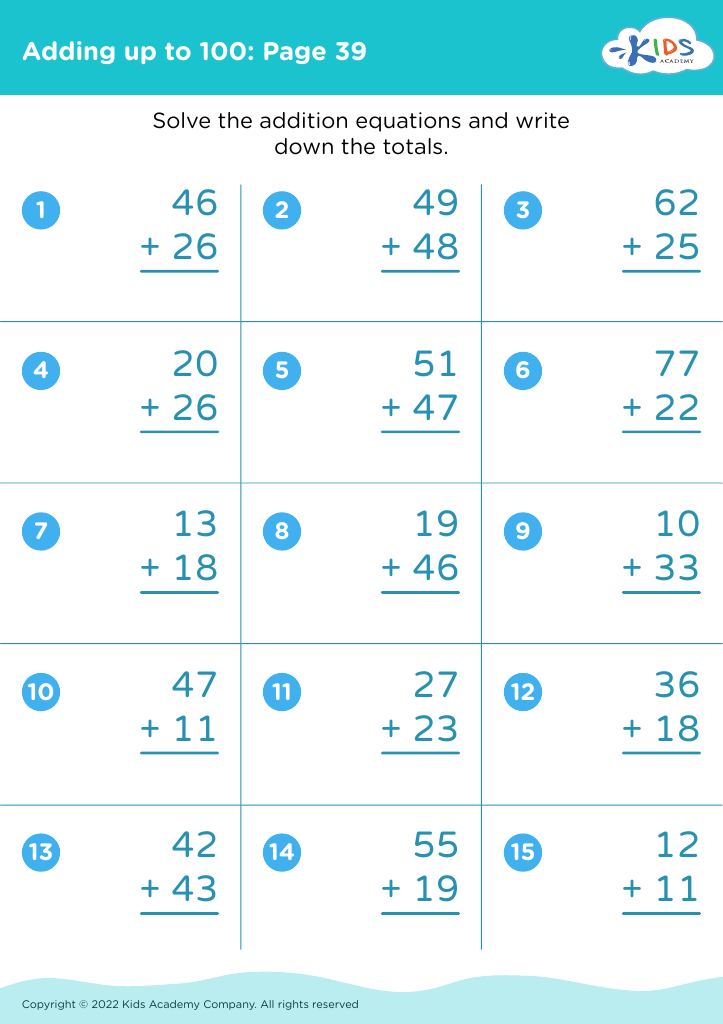
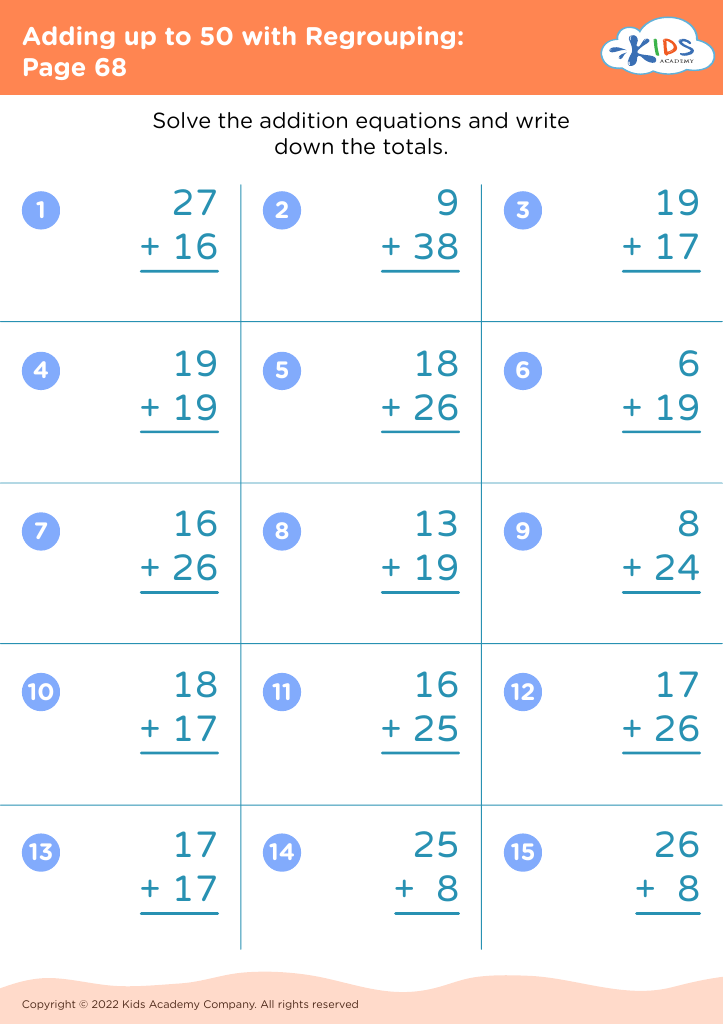
Enhance your child's observational skills with our engaging Math Worksheets for ages 4-8! Designed to captivate young learners, these worksheets combine fun activities with foundational math concepts. Kids will develop vital skills through varied exercises that encourage attention to detail, pattern recognition, and critical thinking. Our colorful, age-appropriate activities make learning enjoyable while fostering a love for math. Perfect for both classroom and home use, these worksheets provide an interactive way to improve cognitive abilities. Explore our collection today and watch your child's analytical skills flourish as they learn through observation and exploration!
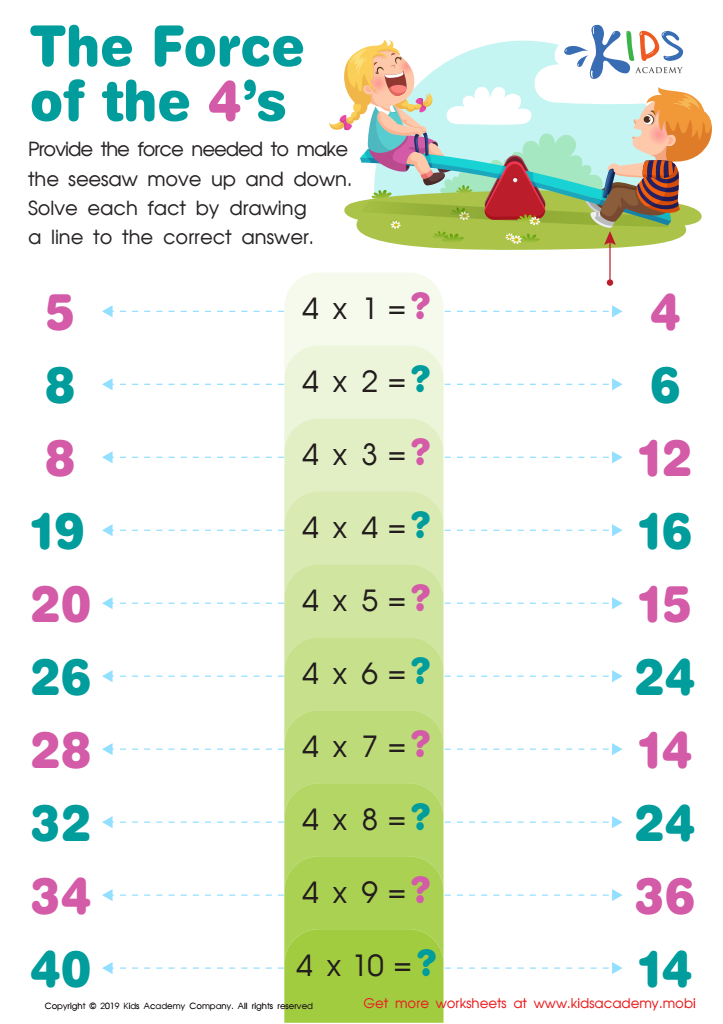
The Force of the 4's Worksheet
 Assign to My Students





.jpg)
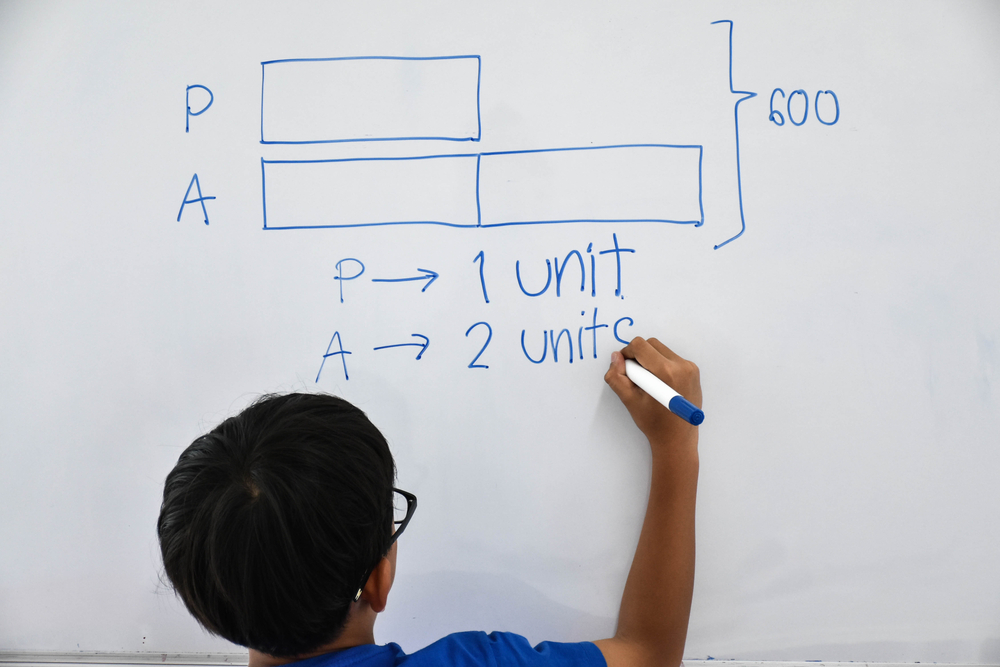

Improving observational skills in math for children aged 4 to 8 is essential for their cognitive development and overall academic success. At this formative stage, children are naturally curious and keen to explore their surroundings; nurturing this curiosity fosters critical thinking and problem-solving abilities. When parents and teachers emphasize observational skills, children learn to recognize patterns, shapes, and relationships, crucial components of mathematical reasoning.
Moreover, strong observational skills lay the groundwork for future mathematical concepts, enabling children to make connections between real-world experiences and abstract ideas. Engaging with math through observation helps children to understand measurement, comparisons, and spatial awareness, which are vital for analytical thinking in later grades.
Additionally, these skills support language development, as children learn to describe and communicate their observations. When parents and teachers encourage children to articulate their thought processes, they enhance their confidence and encourage a love for math. Overall, fostering observational skills empowers children to become independent learners, ready to tackle more complex mathematical topics as they progress in school. Therefore, investing time in developing these skills at a young age is fundamental not just for math success, but for a well-rounded education.








