Mathematical thinking Math Worksheets for Ages 4-8
7 filtered results
-
From - To
Unlock your child's potential with our "Mathematical Thinking Math Worksheets" designed for ages 4-8! We provide engaging and interactive worksheets that encourage young learners to develop critical thinking and problem-solving skills. Our resources cover essential math concepts, including number recognition, patterning, and basic arithmetic, all tailored to spark curiosity and boost confidence. Each worksheet is colorful and fun, making learning a joyful experience. Ideal for both classroom and home use, these worksheets are crafted to support early math education and foster a lifelong love for learning. Explore our collection today and watch your child thrive in mathematical thinking!
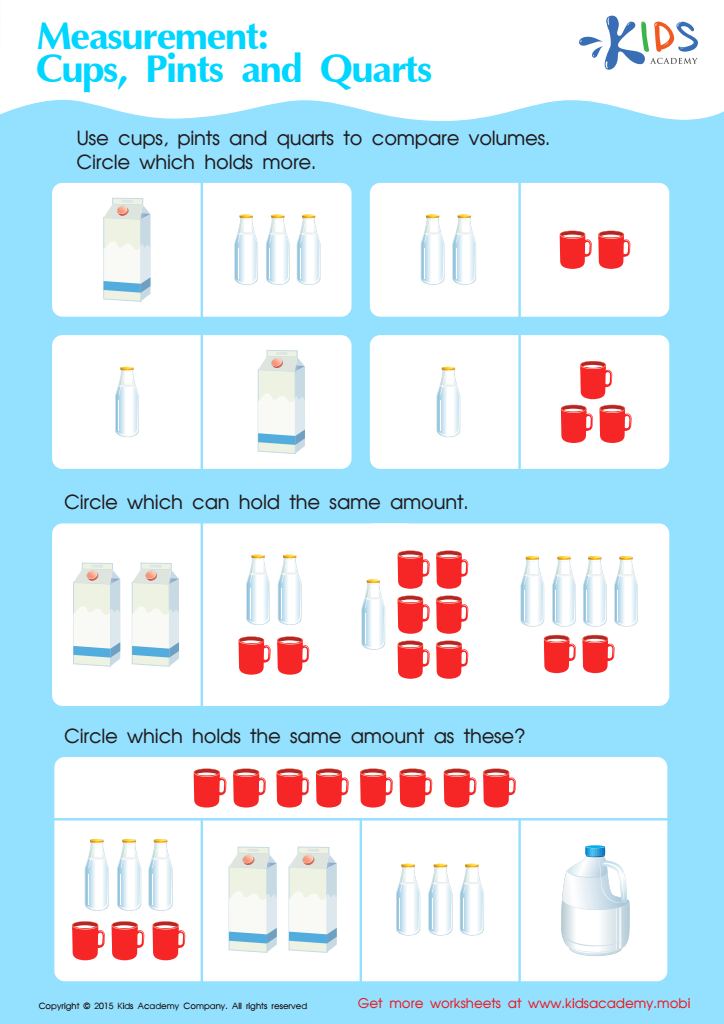
Measurement: Compare Volumes Worksheet
 Assign to My Students
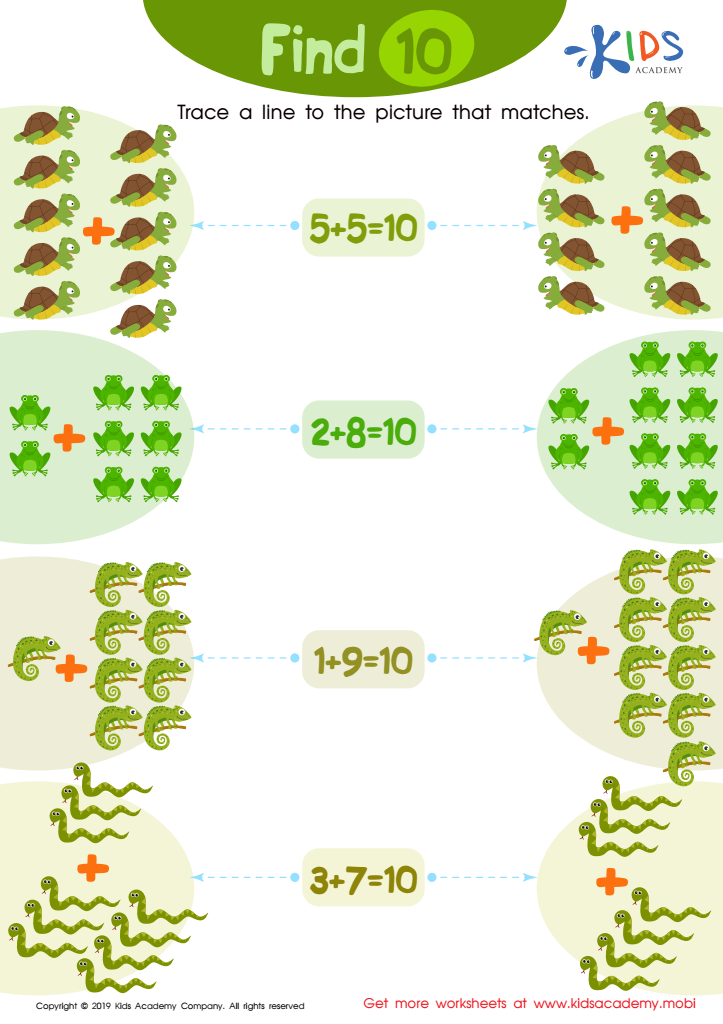
Find 10 Worksheet
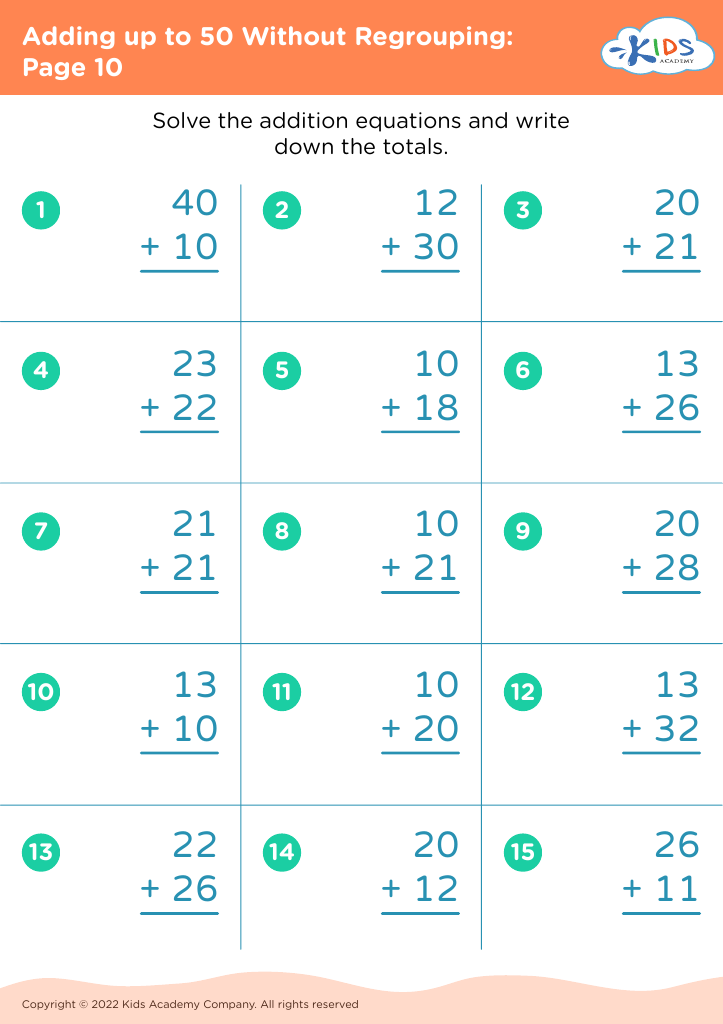
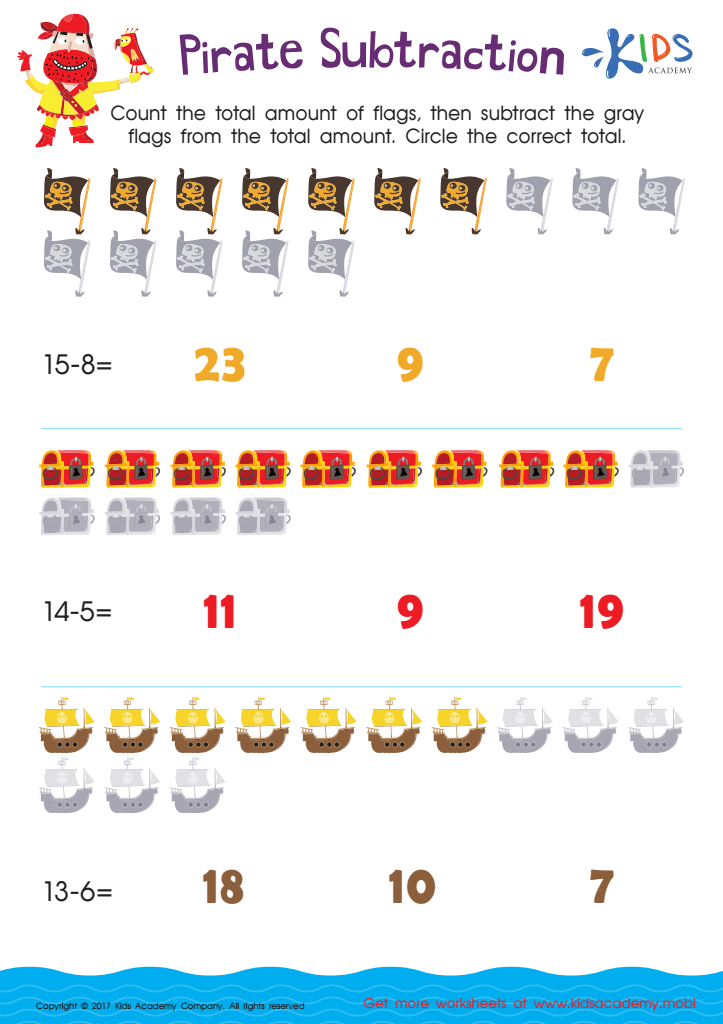
Pirate Subtraction Substraction Worksheet
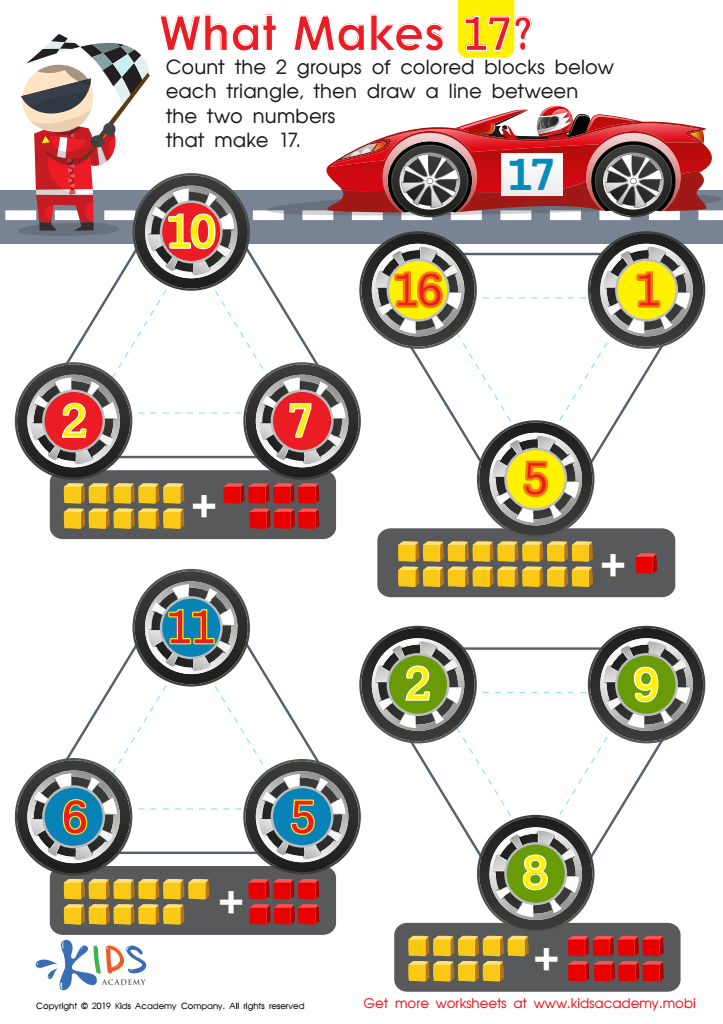
What Makes 17 Worksheet
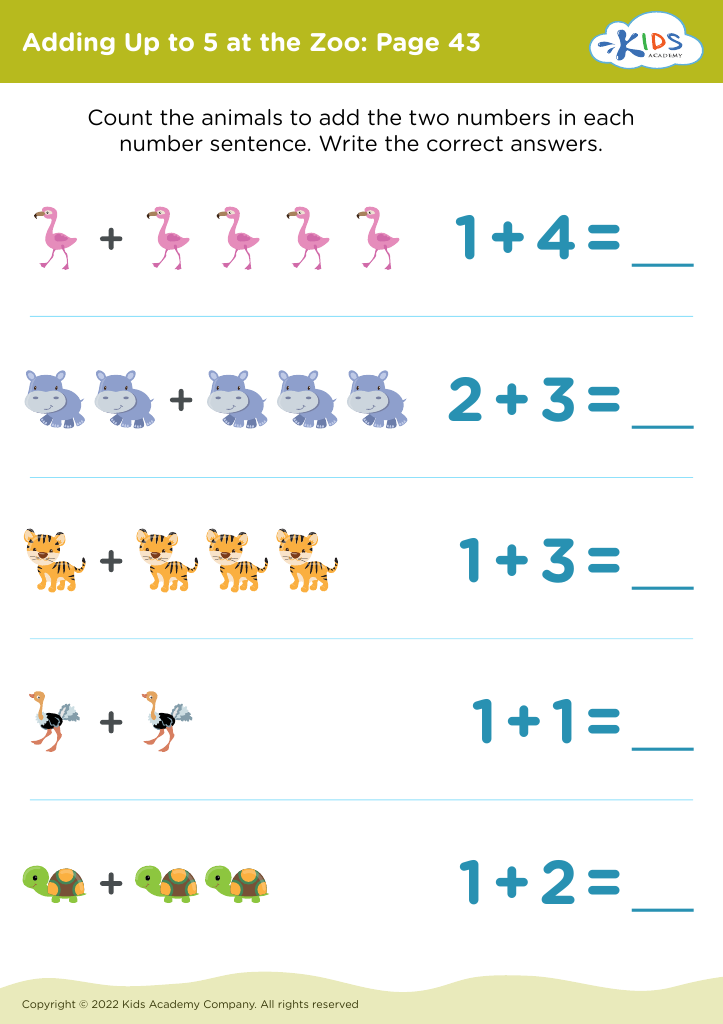
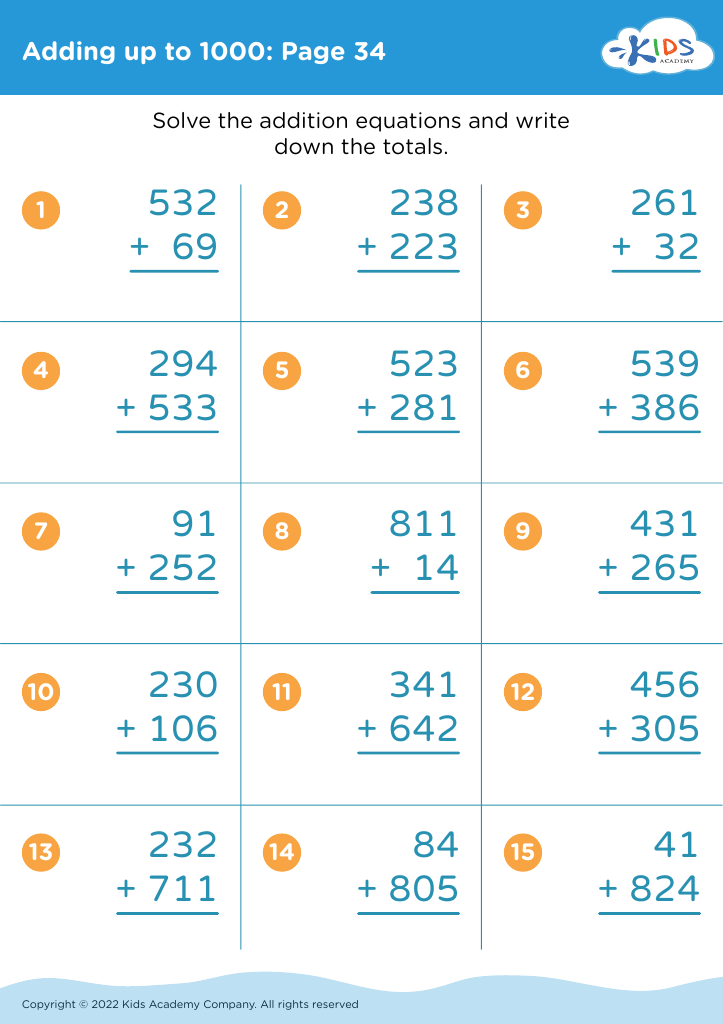




.jpg)



Mathematical thinking is crucial for children aged 4-8 as it forms the foundation for their future learning experiences. At this age, children are naturally curious and begin to explore numbers, patterns, and basic operations. Engaging young learners in mathematical thinking promotes critical skills such as problem-solving, logical reasoning, and analytical abilities.
Parents and teachers should prioritize fostering mathematical thinking because it enhances cognitive development. Math teaches children how to approach problems systematically, which is essential not only in mathematics but also in daily life situations. Additionally, strong early math skills correlate with later academic success across various subjects.
Moreover, early exposure to math can reduce anxiety towards the subject. When math is presented through play, real-life scenarios, and interactive activities, children can understand and appreciate its relevance. This positive attitude encourages perseverance and curiosity.
Lastly, parents and teachers play a vital role in bridging the gap between intuitive understanding and formal mathematical concepts. By engaging children in discussions about numbers and shapes, and by encouraging exploration, adults can create a supportive environment where young learners feel confident to investigate, inquire, and grow as mathematically minded individuals. Ultimately, nurturing mathematical thinking sets the stage for a lifelong appreciation and understanding of math.








