Numerical recognition Math Worksheets for Ages 4-8
3 filtered results
-
From - To
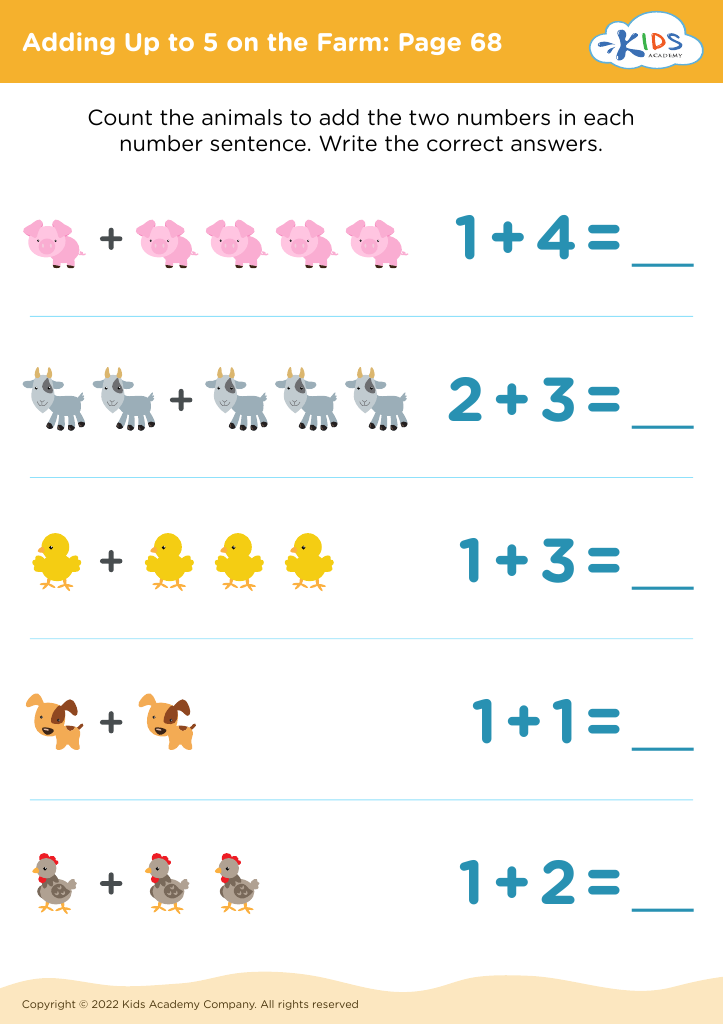
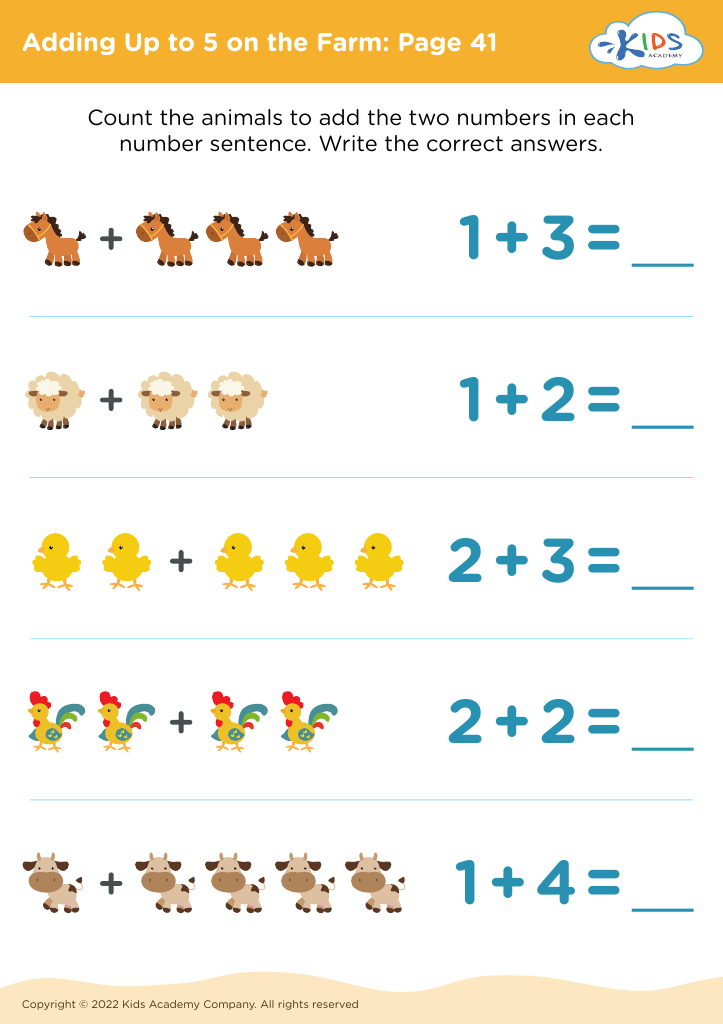
Introduce your child to the exciting world of numbers with our Numerical Recognition Math Worksheets for Ages 4-8! Designed to engage young learners, these fun and interactive worksheets enhance counting skills, number identification, and basic math comprehension. With vibrant illustrations and captivating activities, children will enjoy practicing their numerical recognition while building a strong foundation for future math success. Tailored for early learners, our worksheets cater to diverse learning styles, ensuring every child has the opportunity to thrive. Perfect for home or classroom use, these resources support early education and promote confidence in math. Start their learning journey today!
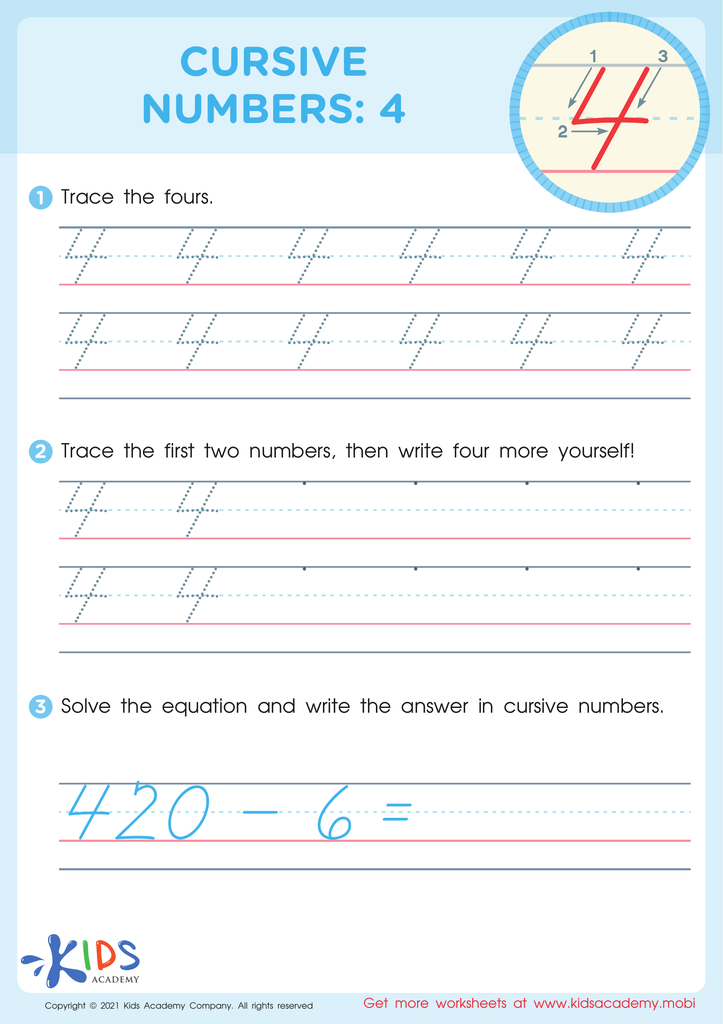
Cursive Numbers: 4 Worksheet








Numerical recognition is a fundamental math skill that acts as the foundation for future mathematical understanding and problem-solving abilities. For children ages 4-8, mastering numerical recognition is essential as it helps them identify, understand, and manipulate numbers effectively. This early proficiency empowers their confidence in math, laying the groundwork for more complex concepts like addition, subtraction, and ultimately, higher-level arithmetic.
Parents and teachers should care about this crucial skill because it impacts a child's overall academic performance and their ability to engage with the world around them. Early numerical recognition can enhance cognitive development, reinforce logical thinking, and encourage perseverance among young learners. Furthermore, it fosters a positive attitude towards math, an area where many children experience anxiety if they struggle early on.
Engaging children in numerical activities, such as counting games or using everyday objects to teach math, promotes active participation and reinforces learning. By nurturing this skill, parents and educators not only help children succeed academically but also prepare them for real-life situations where math is a requisite. In short, fostering numerical recognition ensures a stronger mathematical foundation, guiding children towards lifelong success and enjoyment in the subject.








