Observation skills Math Worksheets for Ages 4-8
5 filtered results
-
From - To
Boost your child's learning with our engaging Observation Skills Math Worksheets designed for ages 4-8! These worksheets encourage critical thinking and enhance observational abilities through fun, interactive activities. Your child will develop essential math skills while identifying patterns, categorizing objects, and deciphering visual information. Each worksheet is crafted to spark curiosity and promote hands-on learning, making math enjoyable and effective. Perfect for classrooms or homeschooling, our resources provide a solid foundation for future mathematical concepts. Set your child on the path to math mastery by exploring our collection of appealing and educational worksheets today!
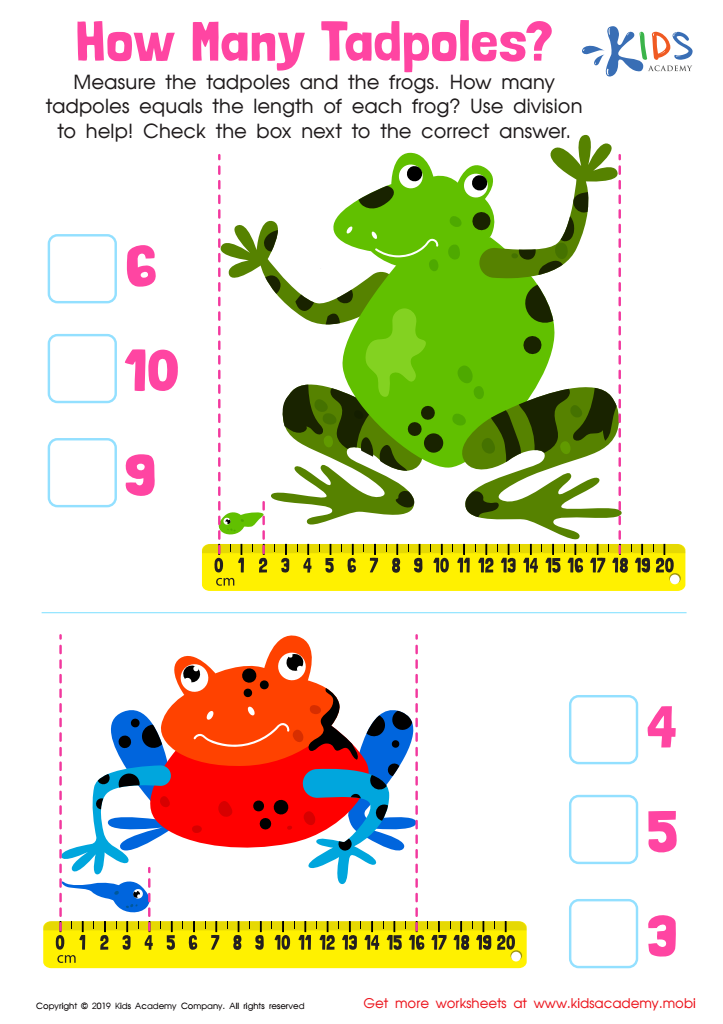
How Many Tadpoles Worksheet
 Assign to My Students
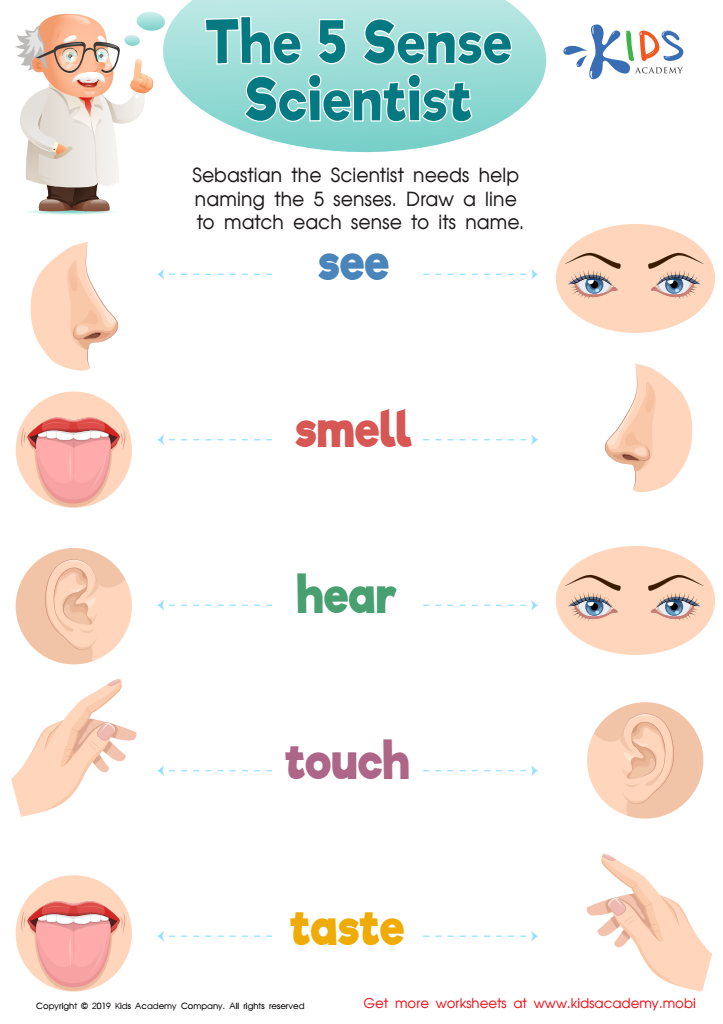
The 5 Sense Scientist Worksheet
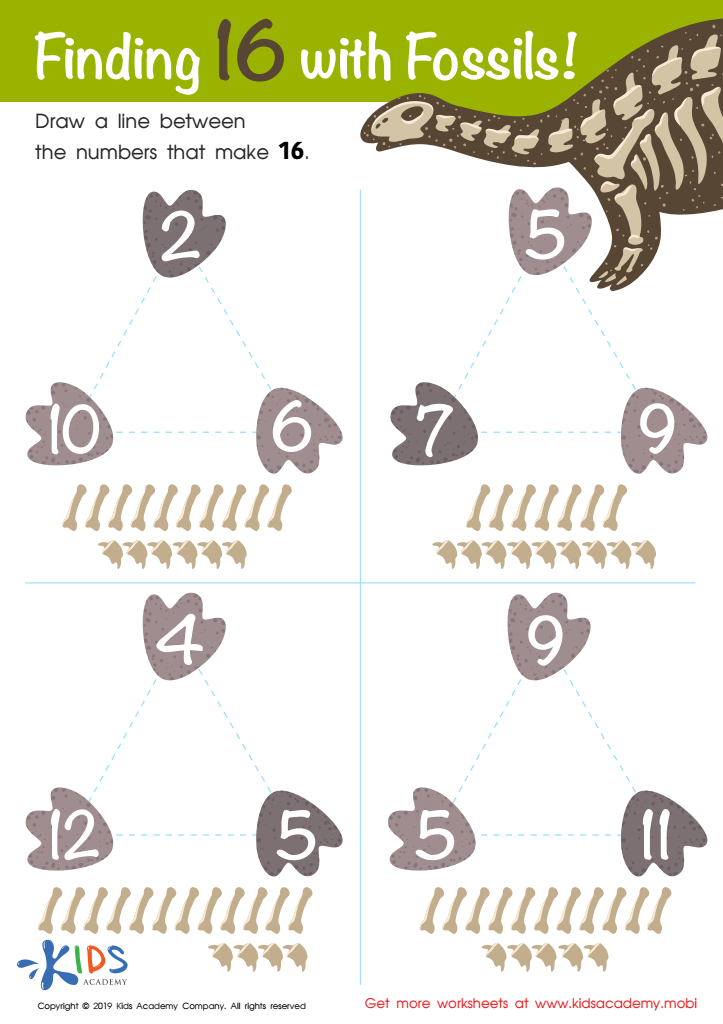
Finding 16 With Fossils Worksheet
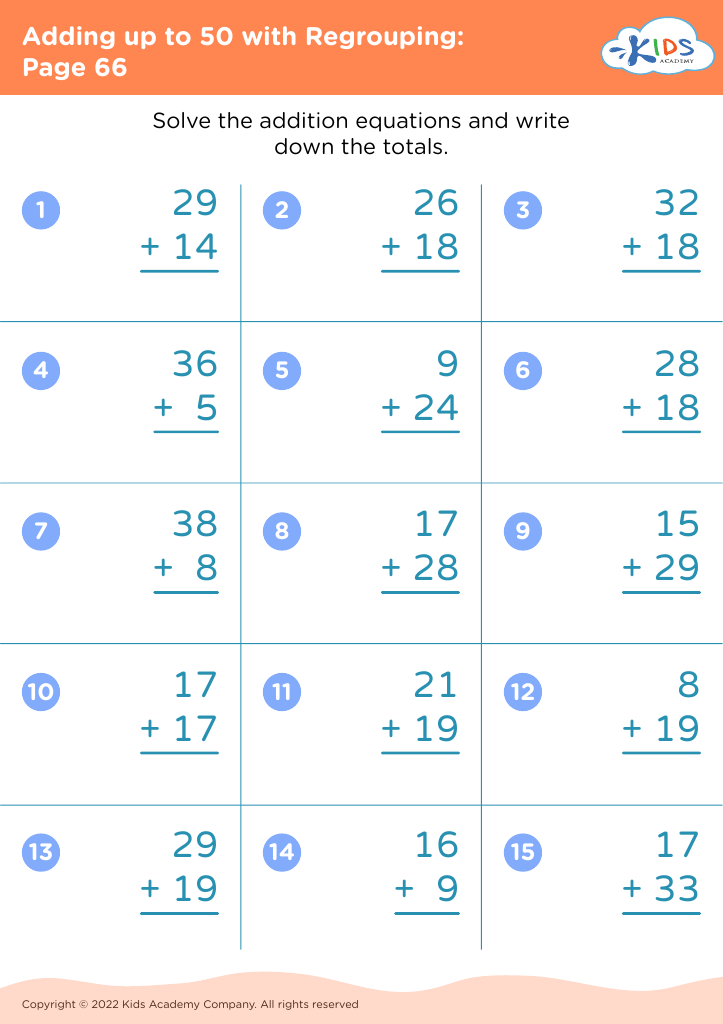
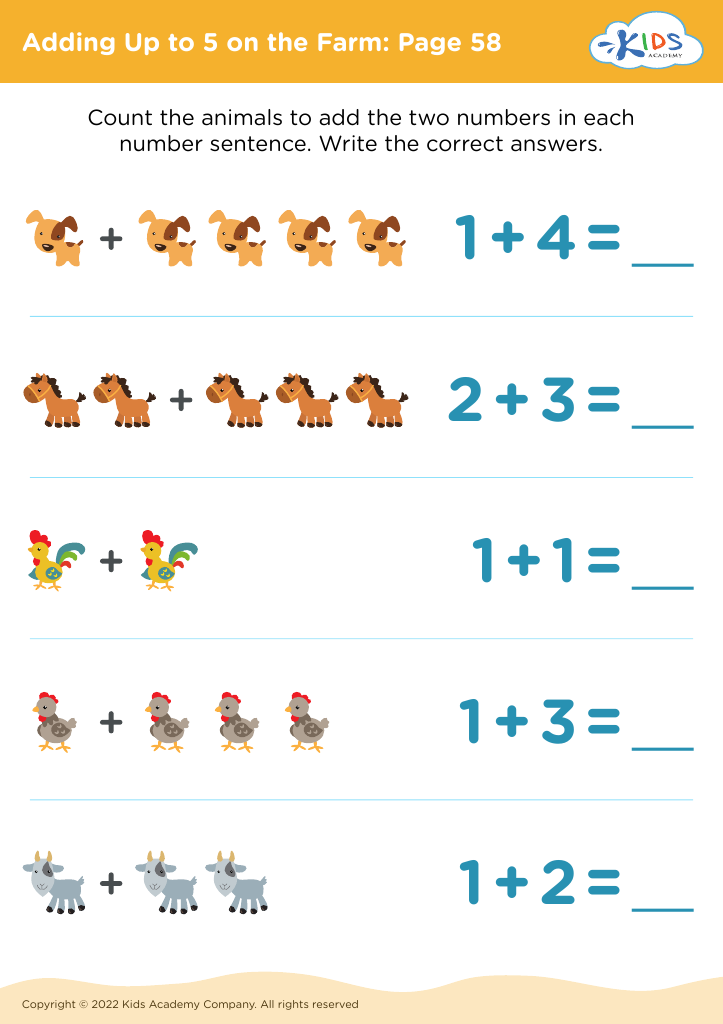








Observation skills in mathematics for children aged 4-8 are foundational for their overall development and understanding of the world around them. Research has shown that early engagement in math-related activities improves cognitive abilities and lays the groundwork for advanced skills later on. Parents and teachers play a crucial role in fostering these skills by encouraging children to observe and analyze patterns, shapes, quantities, and spatial relationships in their environment.
These observational skills enhance critical thinking and problem-solving abilities, which are essential for success in math and beyond. When children learn to observe, they become more curious, asking questions about the world around them, leading to richer learning experiences. This age is a critical time for brain development, making it essential for caregivers to create stimulating environments where children can explore mathematical concepts through play and daily activities.
Moreover, the ability to observe and communicate their findings improves language development and social skills, allowing children to express their understanding and reasoning. By prioritizing observation skills in math, parents and teachers can help young learners build confidence and a positive attitude toward math, setting the stage for lifelong learning and enthusiasm in the subject.








