Recognizing Patterns Math Worksheets for Ages 4-8 - Page 2
27 filtered results
-
From - To
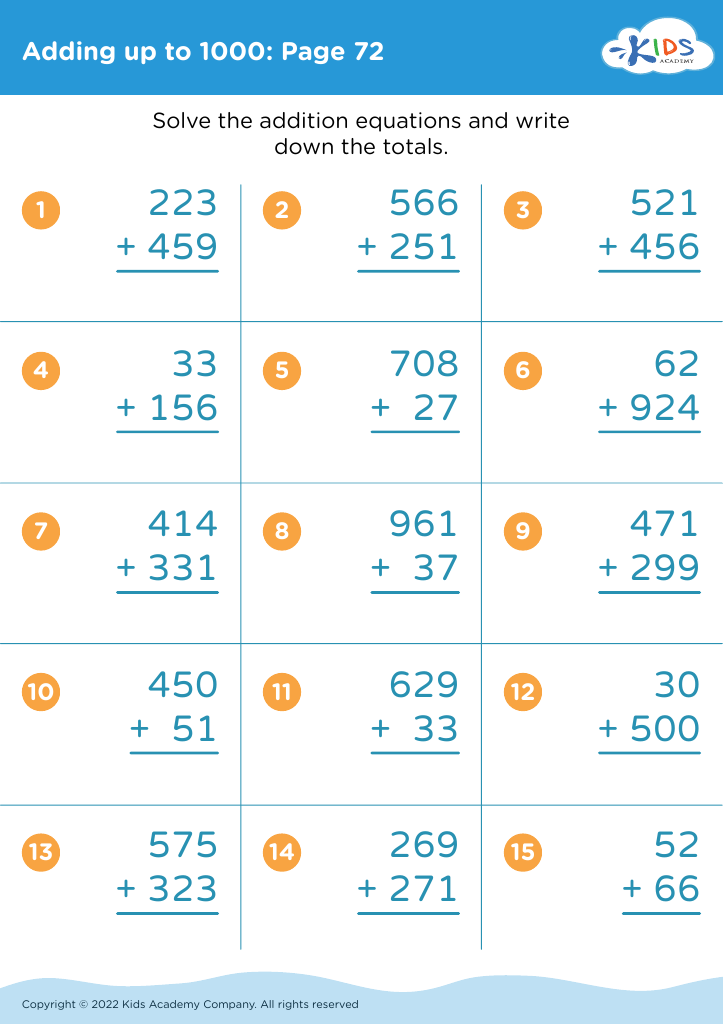
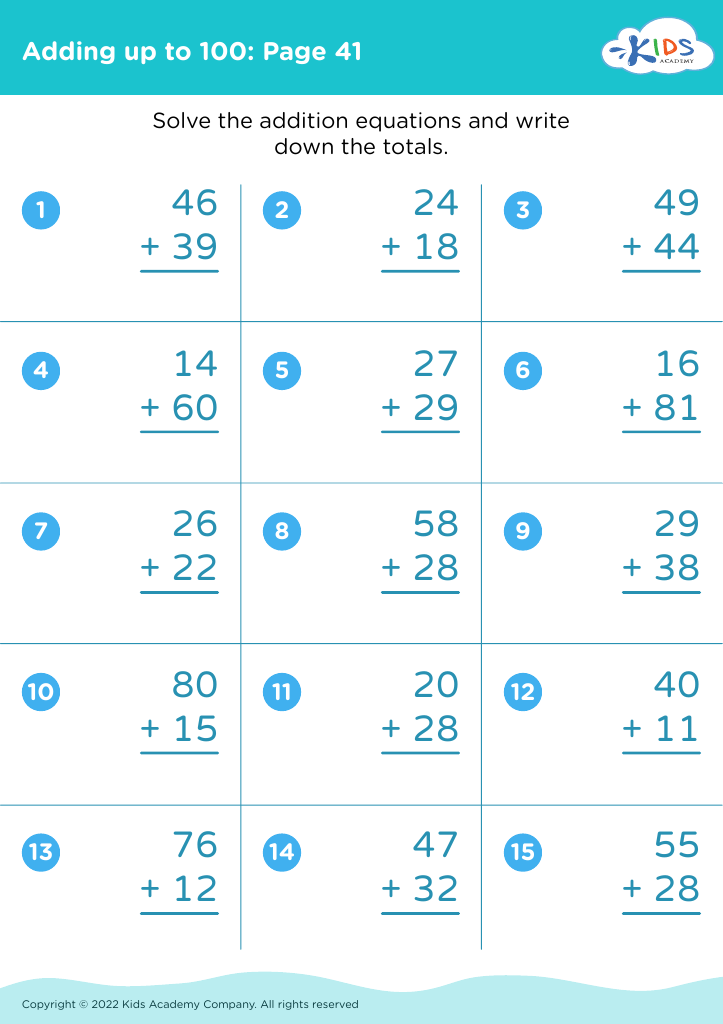
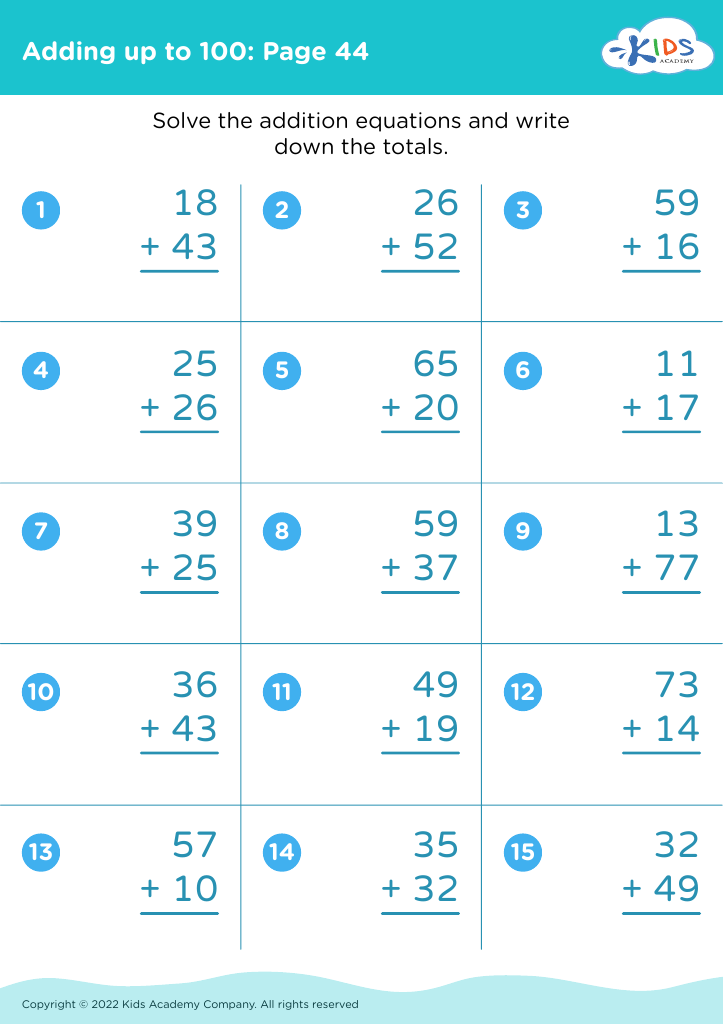







Recognizing patterns is a fundamental skill in math development for children aged 4-8. This skill not only lays the groundwork for more complex mathematical concepts later on, but it also nurtures critical thinking and problem-solving abilities. When children learn to identify, create, and extend patterns, they develop a sense of order and predictability, which can be applied across various domains, including science, art, and daily life.
Moreover, pattern recognition enhances cognitive skills by encouraging concentration and memory retention. It promotes an understanding of relationships and supports early algebraic thinking, which aids in grasping functions and operations as children advance in their educational journey.
For parents and teachers, fostering pattern recognition enriches learning experiences through engaging activities, such as sorting objects, creating patterns with colors, or exploring shapes. This engagement reinforces collaboration and interaction, making math enjoyable and accessible.
Additionally, recognizing patterns boosts confidence in young learners as they engage with mathematical ideas. By prioritizing this skill, parents and teachers equip children with essential tools for future academic success, motivating them to approach challenges with enthusiasm and curiosity. In essence, recognizing patterns cultivates a solid foundation for lifelong mathematical understanding and appreciation.








