Check out this FREE Trial Lesson on Math for age 4-8!

Match Objects that Fit Together

Favorites
With answer key
Interactive
  • 4-8
  • Understanding fractions
  • Math
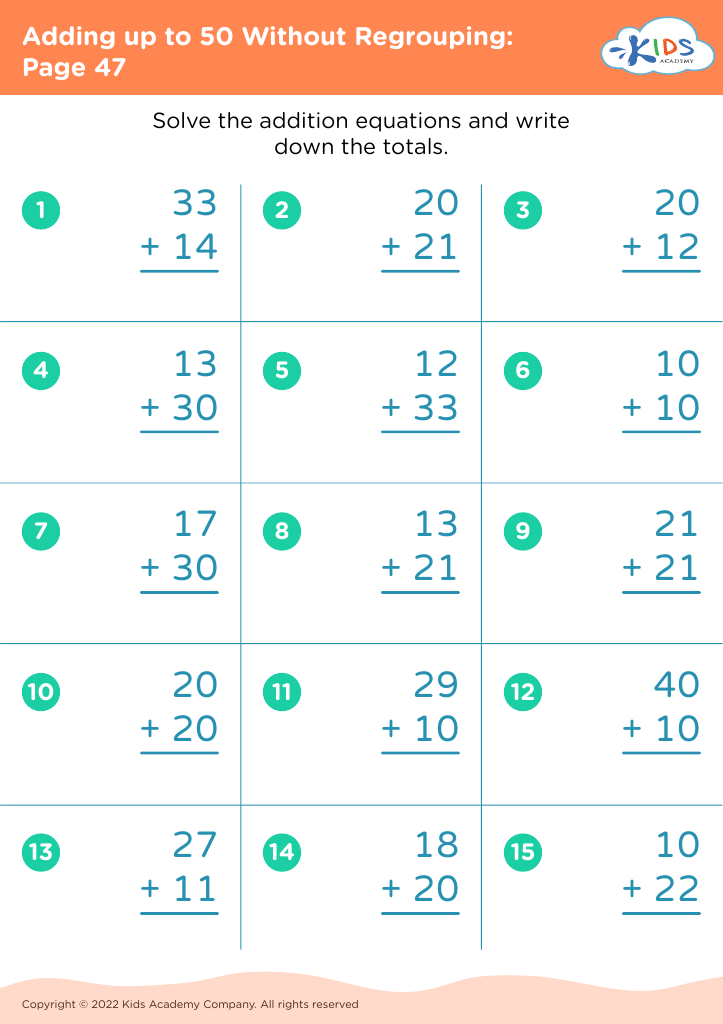
Adding up to 50 Without Regrouping: Page 47
Worksheet
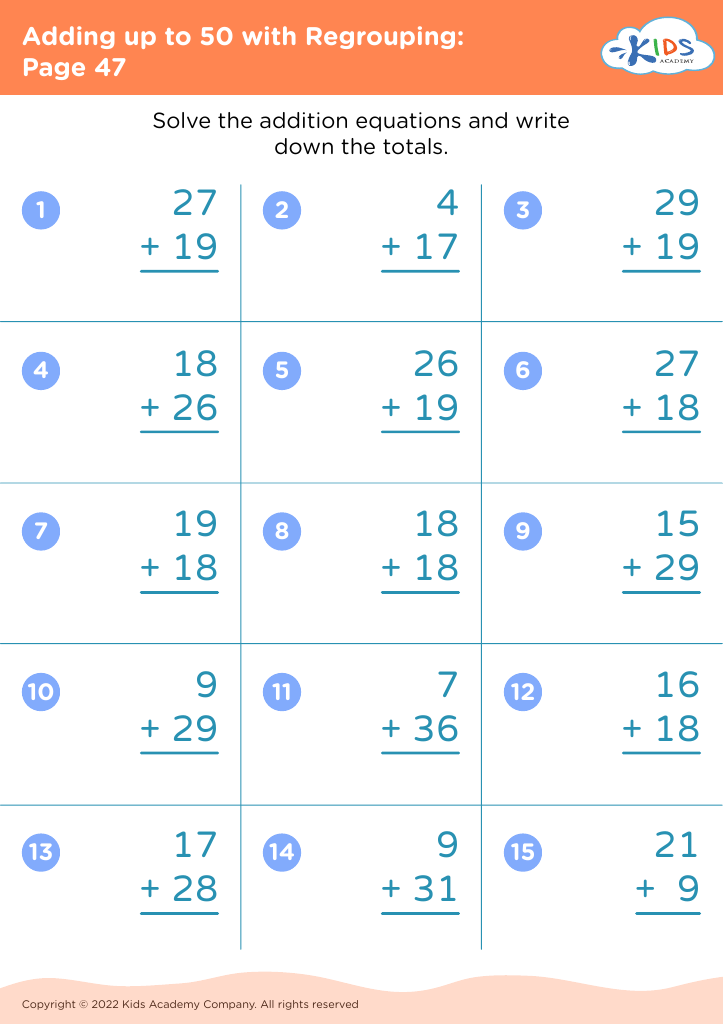
Adding up to 50 with Regrouping: Page 47
Worksheet
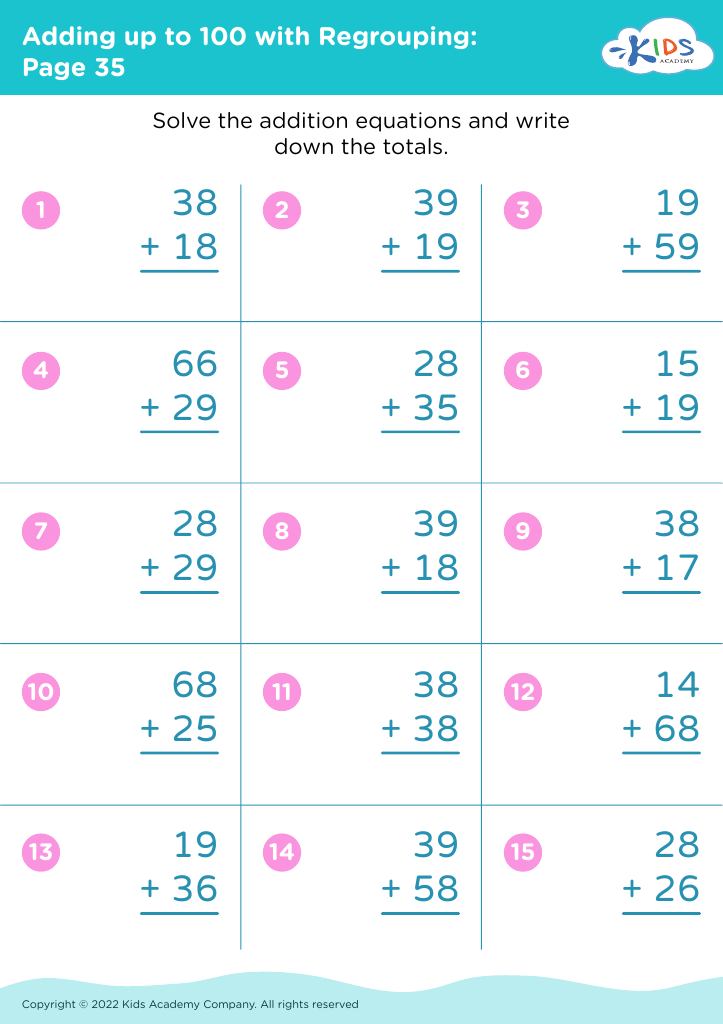
Adding up to 100 with Regrouping: Page 35
Worksheet
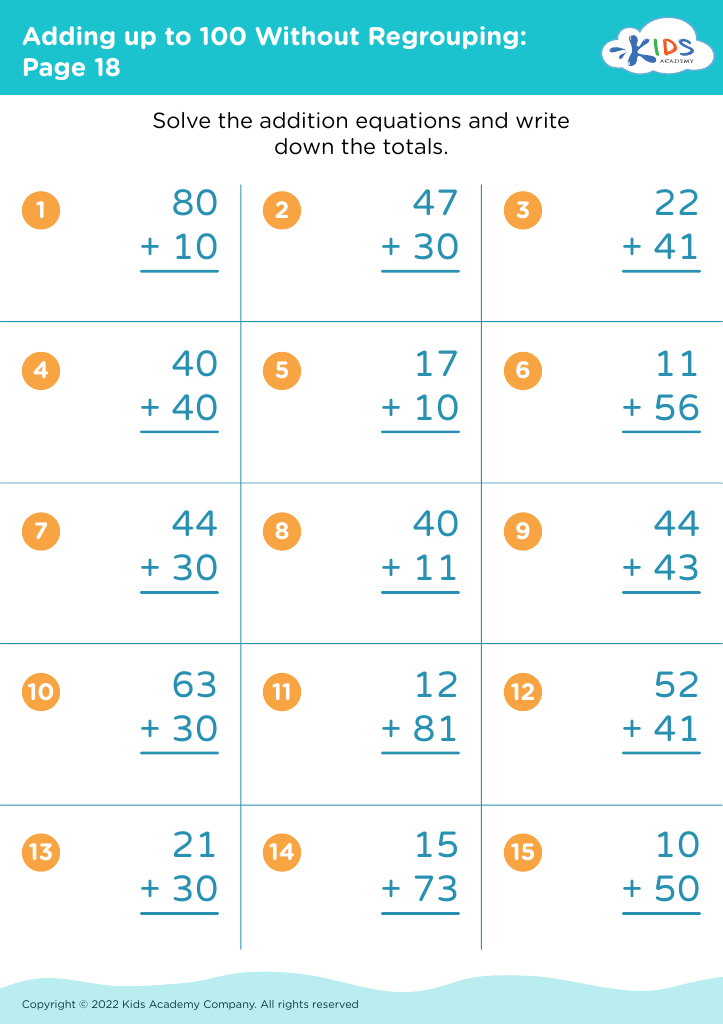
Adding up to 100 Without Regrouping: Page 18
Worksheet
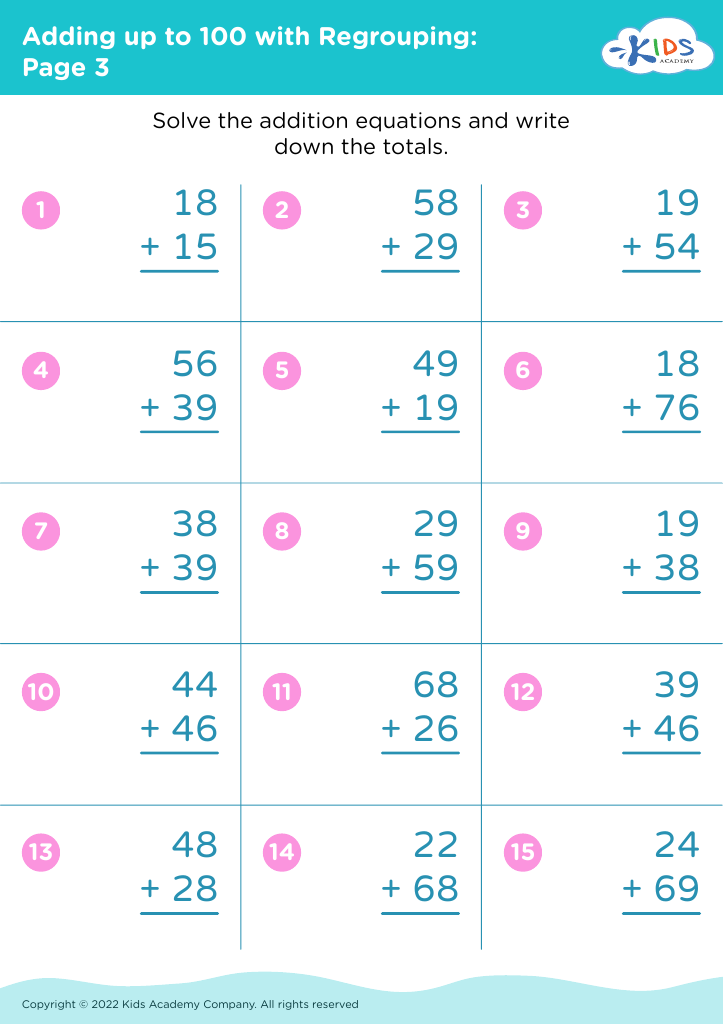
Adding up to 100 with Regrouping: Page 3
Worksheet
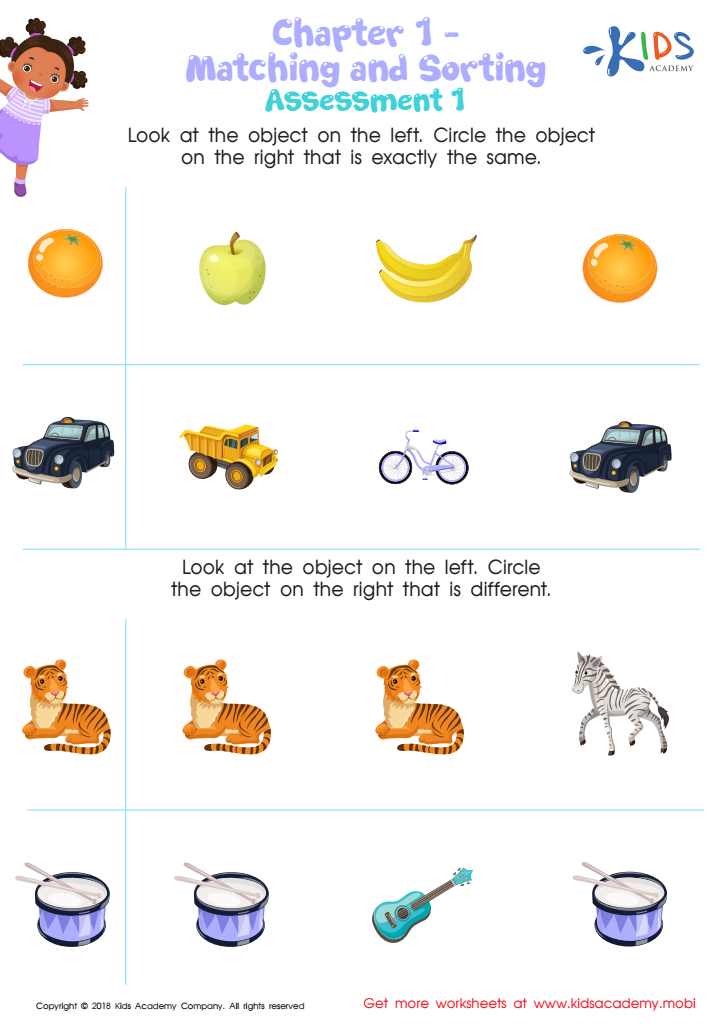
Matching and Sorting for Preschool: Assessment 1 Worksheet

Matching and Sorting for Preschool: Assessment 1 Worksheet

Test your child's matching skills with this worksheet! Ask them to name each of the objects pictured, then circle the ones that are the same. Repeat for the second task. It's a great way to assess their skills and have fun at the same time!
Matching and Sorting for Preschool: Assessment 1 Worksheet
Worksheet
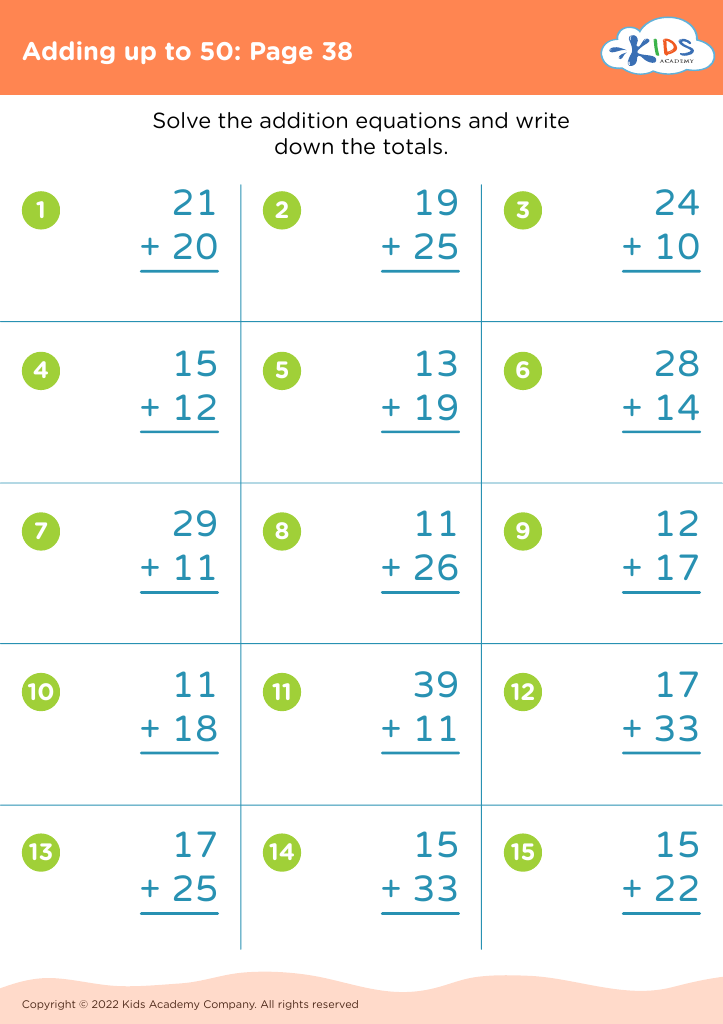
Adding up to 50: Page 38

Adding up to 50: Page 38

Adding up to 50: Page 38
Worksheet
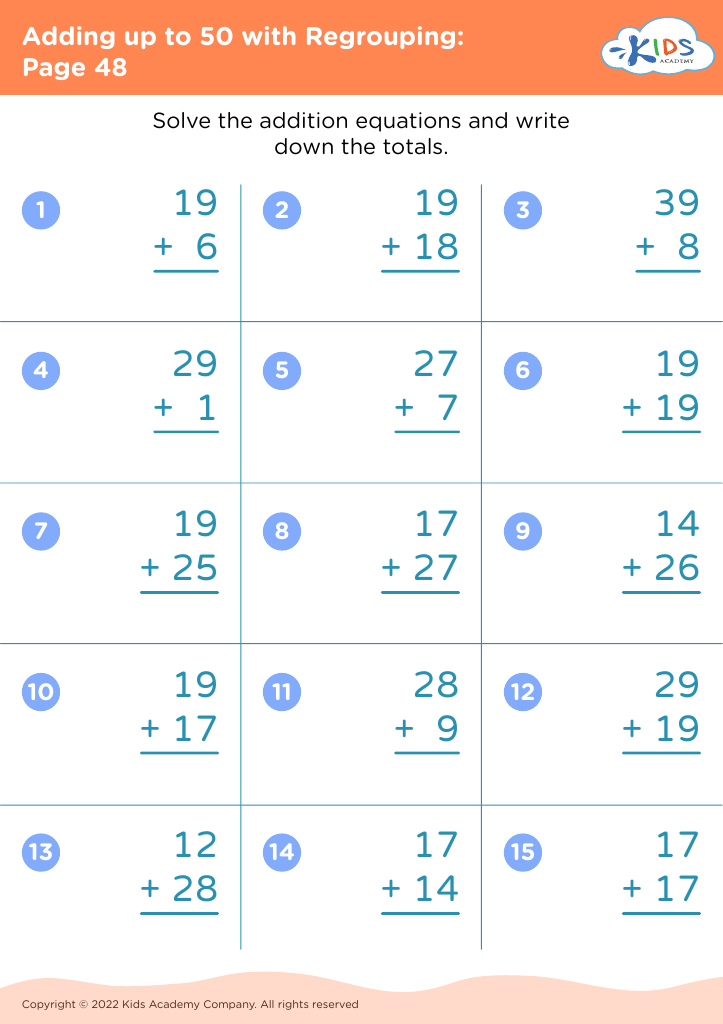
Adding up to 50 with Regrouping: Page 48
Worksheet
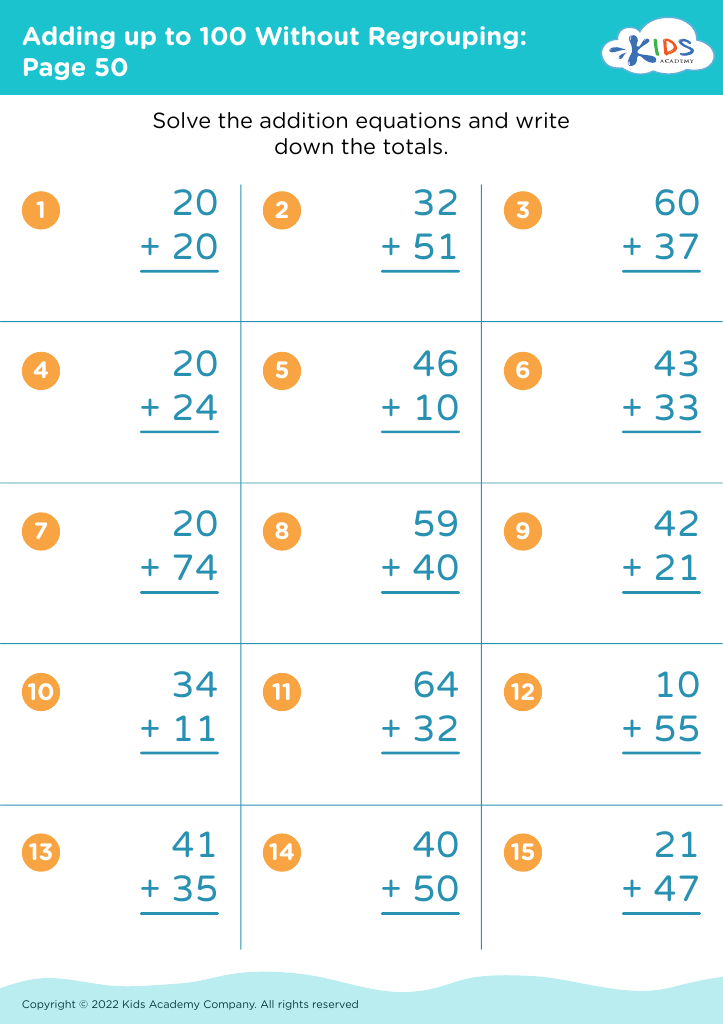
Adding up to 100 Without Regrouping: Page 50
Worksheet
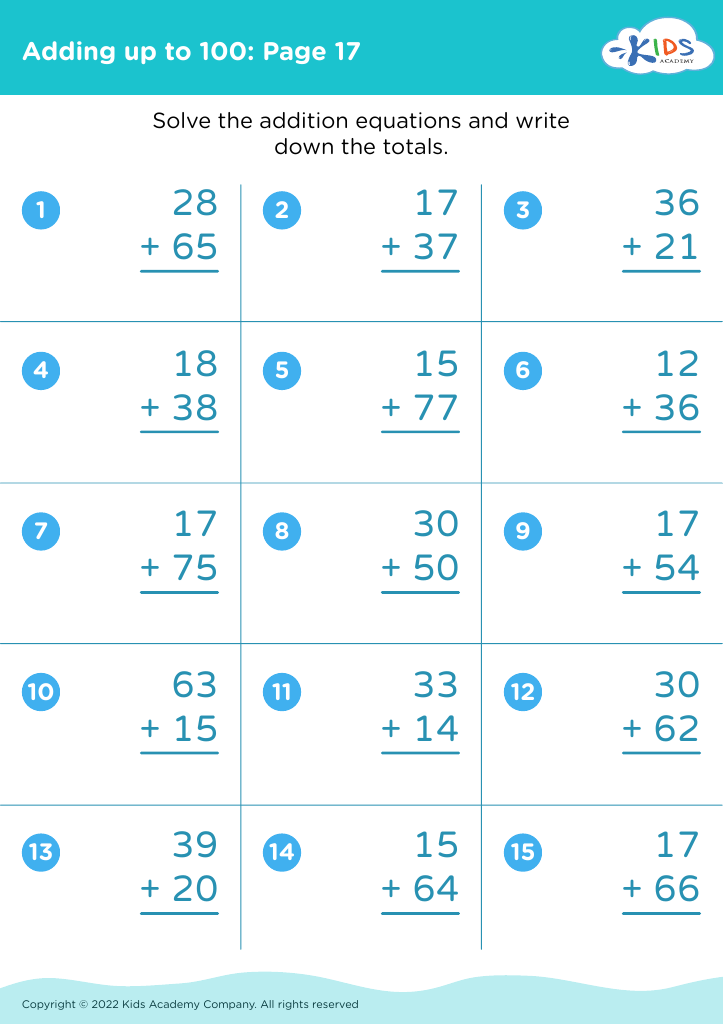
Adding up to 100: Page 17

Adding up to 100: Page 17

Adding up to 100: Page 17
Worksheet
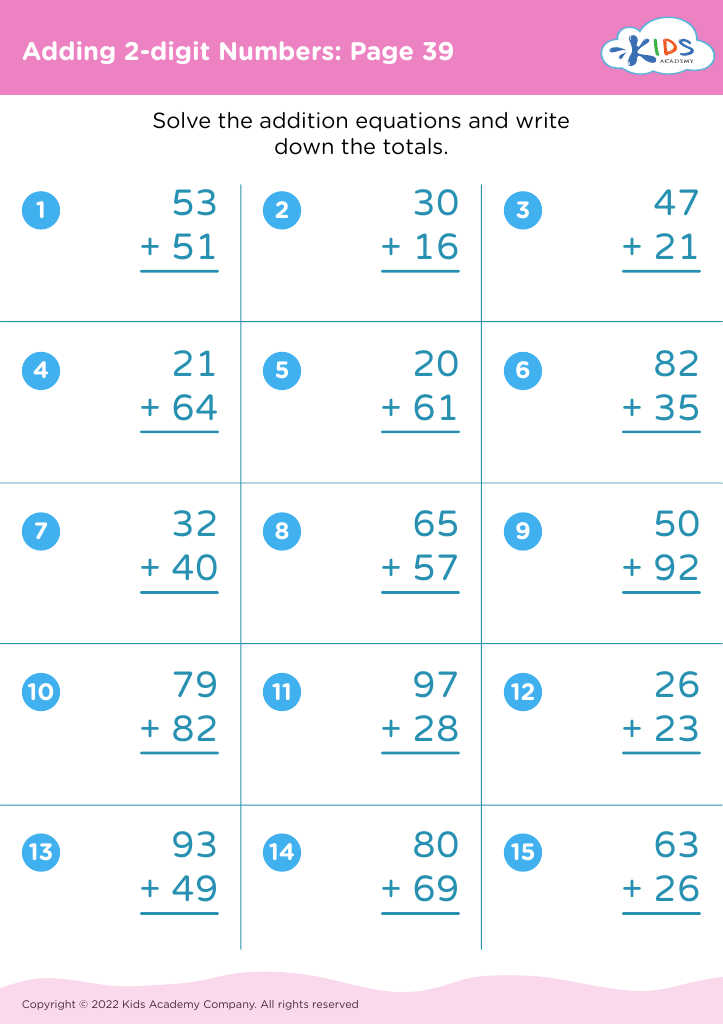
Adding 2-digit Numbers: Page 39

Adding 2-digit Numbers: Page 39

Adding 2-digit Numbers: Page 39
Worksheet
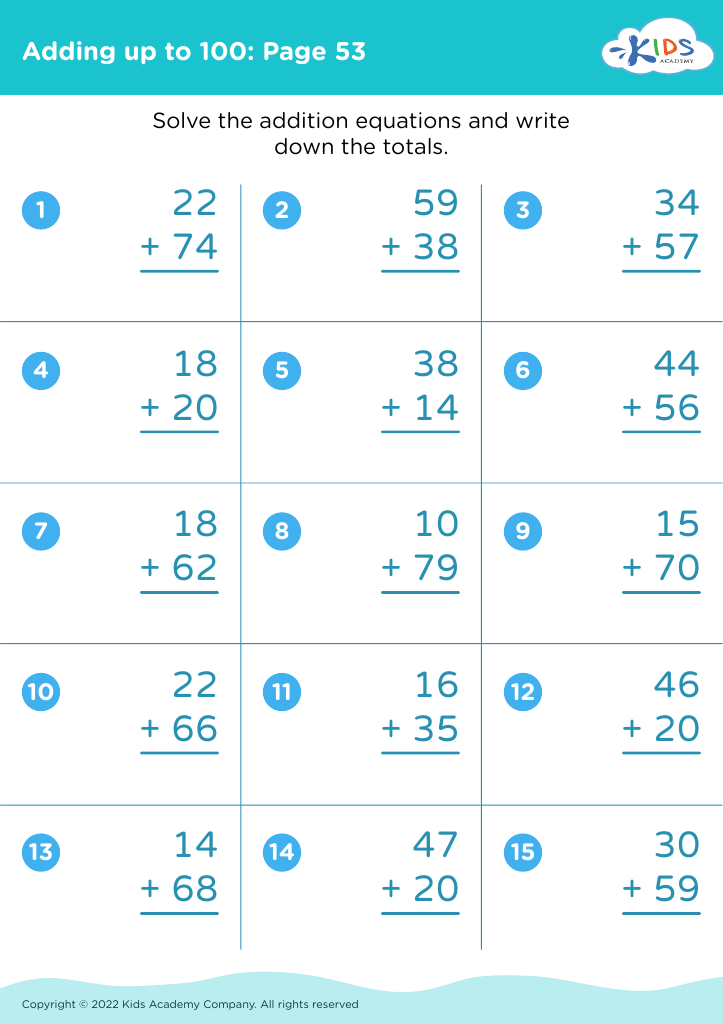
Adding up to 100: Page 53

Adding up to 100: Page 53

Adding up to 100: Page 53
Worksheet
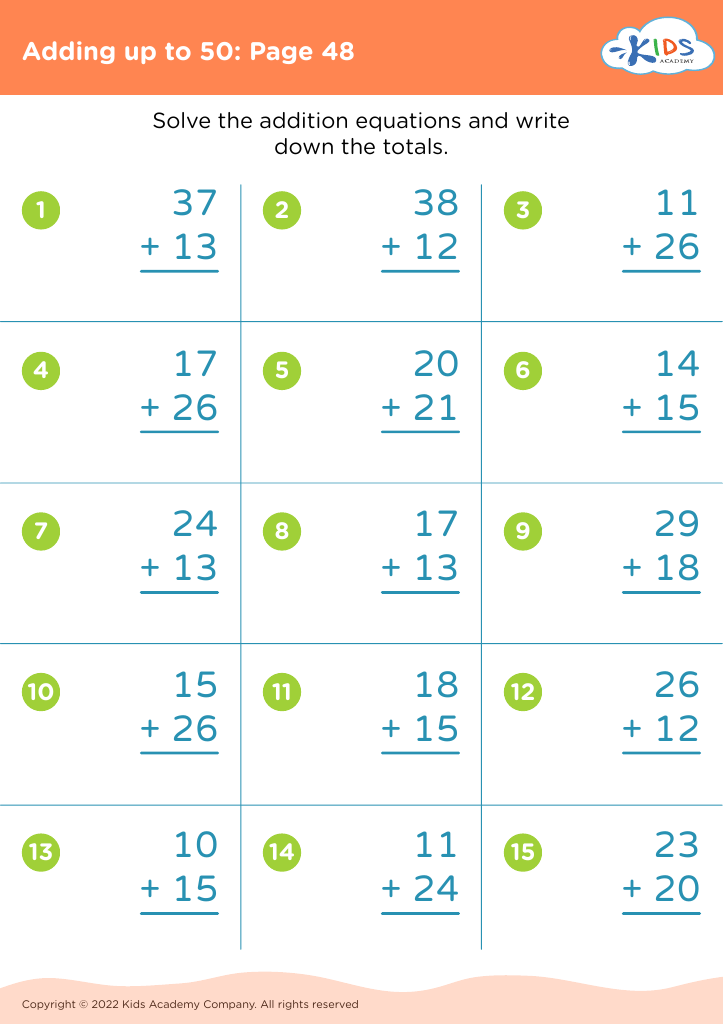
Adding up to 50: Page 48

Adding up to 50: Page 48

Adding up to 50: Page 48
Worksheet
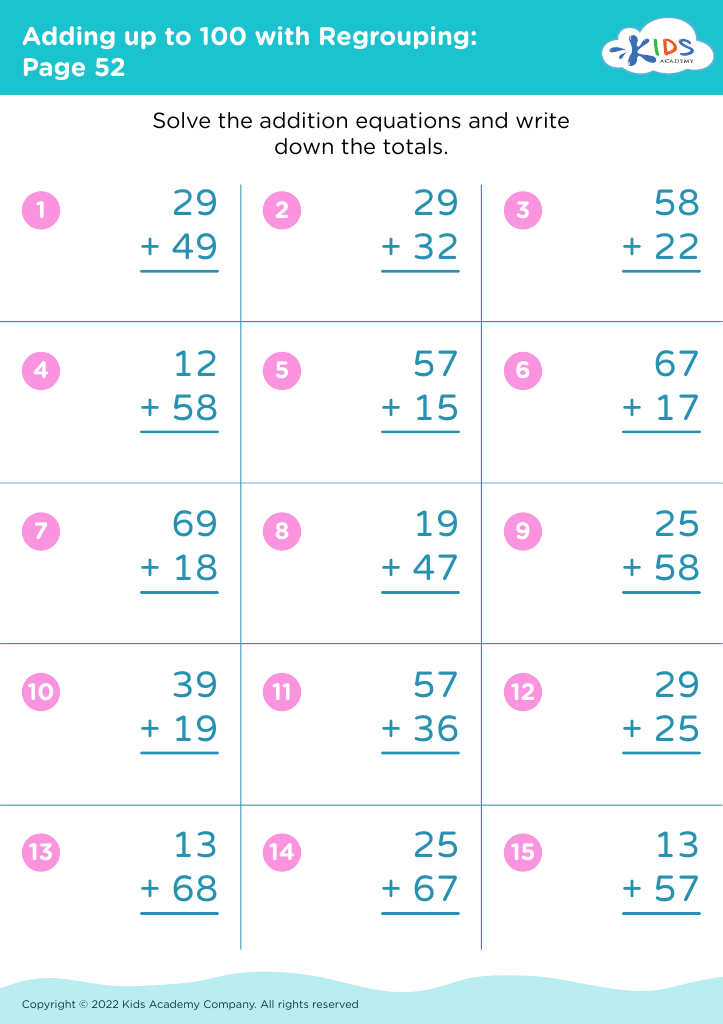
Adding up to 100 with Regrouping: Page 52
Worksheet
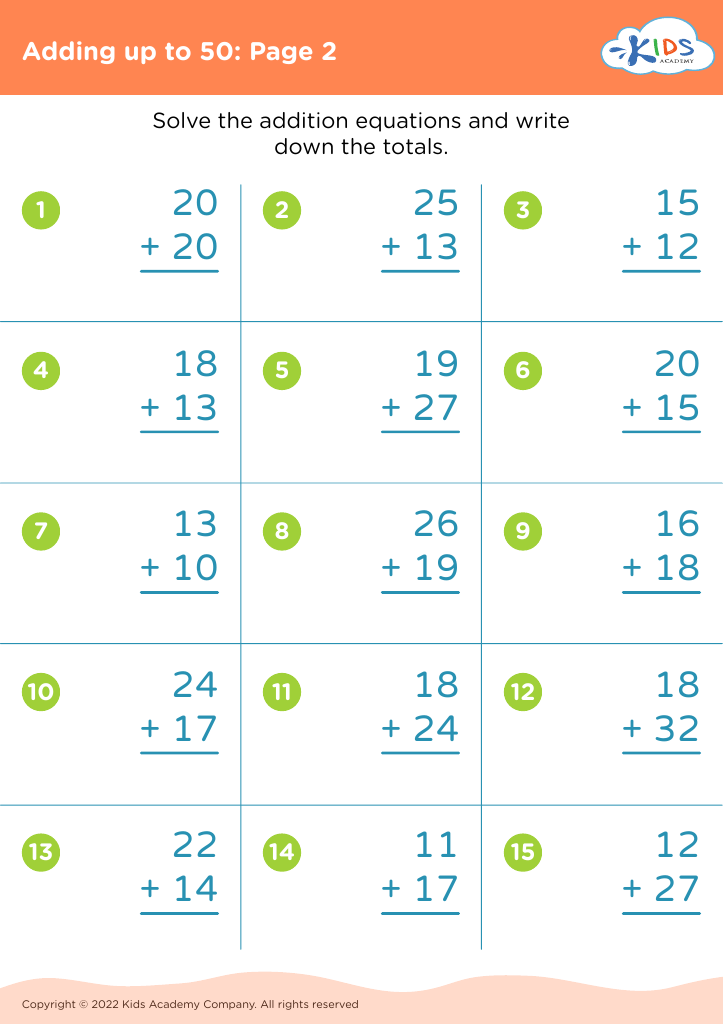
Adding up to 50: Page 2

Adding up to 50: Page 2

Adding up to 50: Page 2
Worksheet
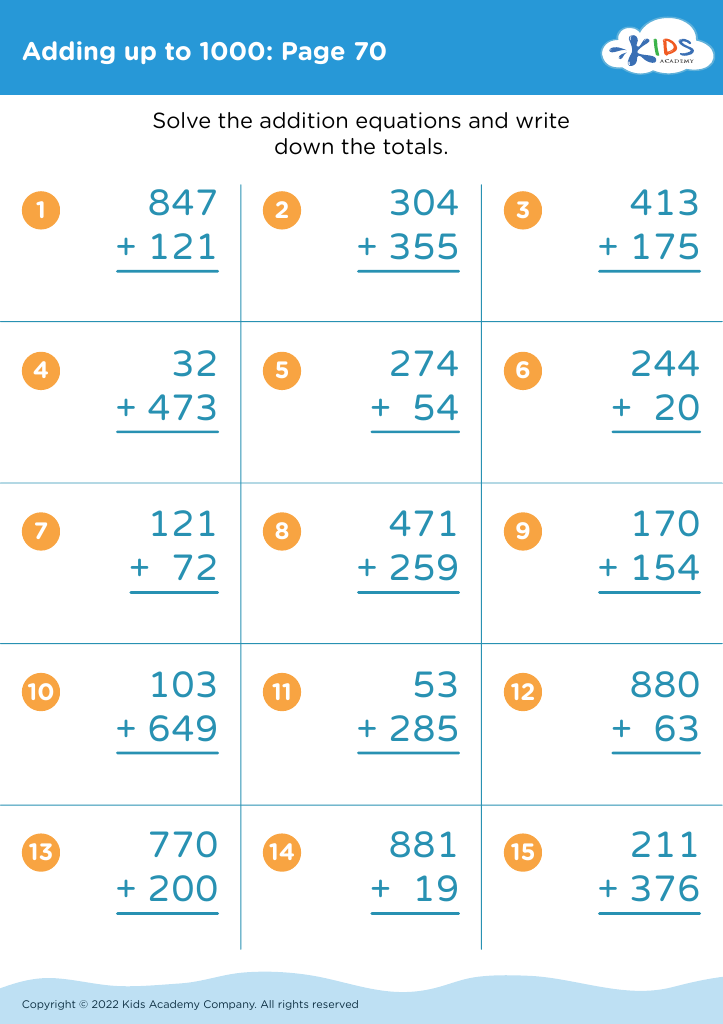
Adding up to 1000: Page 70

Adding up to 1000: Page 70

Adding up to 1000: Page 70
Worksheet
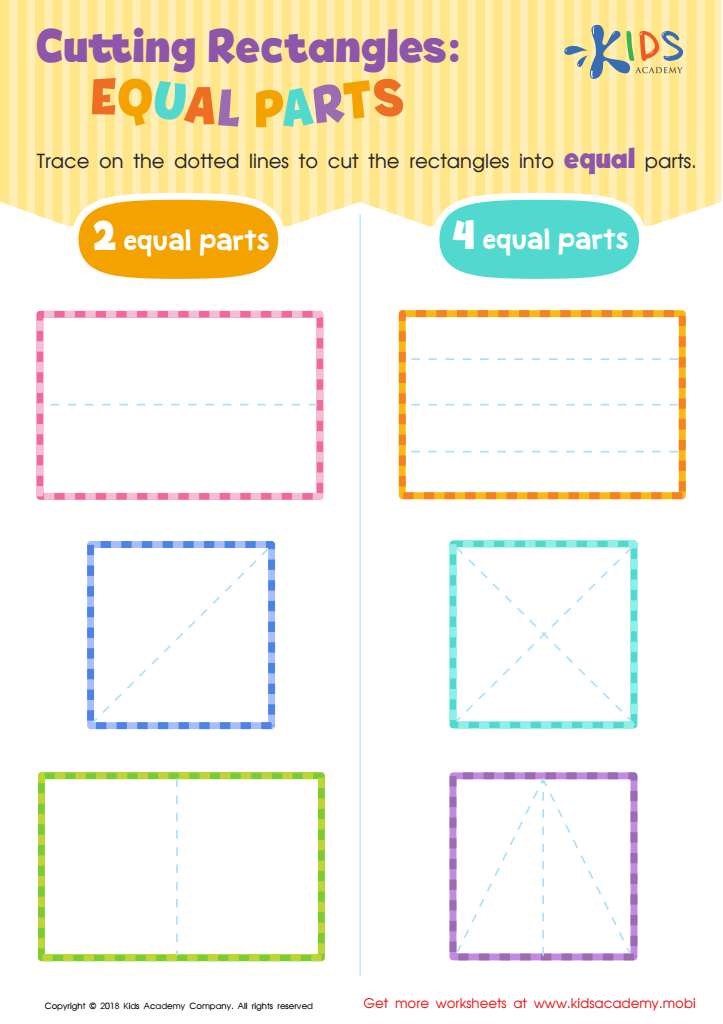
Cutting Rectangles: Equal Parts Worksheet
Cutting Rectangles: Equal Parts Worksheet
Help your child learn to divide shapes into two or four equal parts with this worksheet. It has six rectangles that need to be cut up as directed, following the dotted lines. Show it to your child and watch them gain confidence in mastering this skill.
Cutting Rectangles: Equal Parts Worksheet
Worksheet
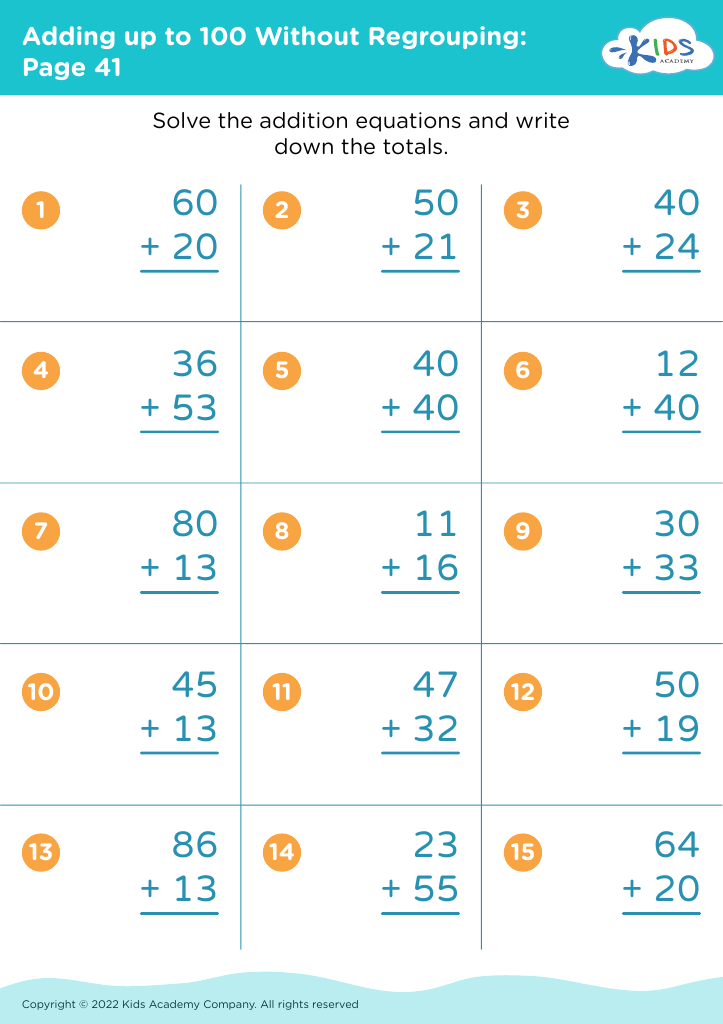
Adding up to 100 Without Regrouping: Page 41
Worksheet
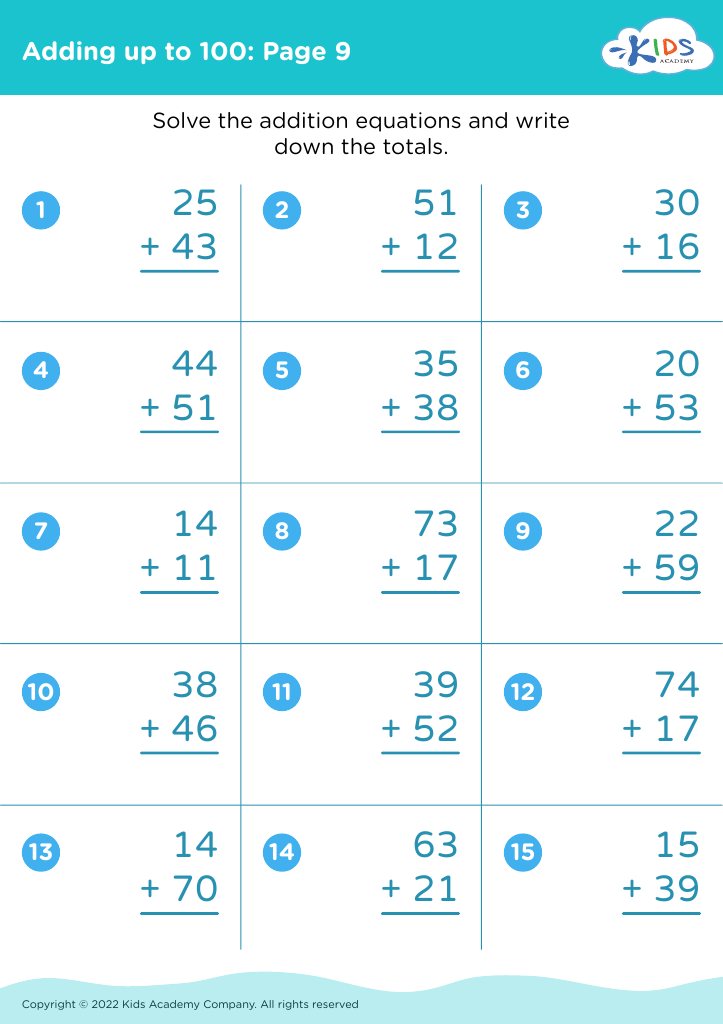
Adding up to 100: Page 9

Adding up to 100: Page 9

Adding up to 100: Page 9
Worksheet
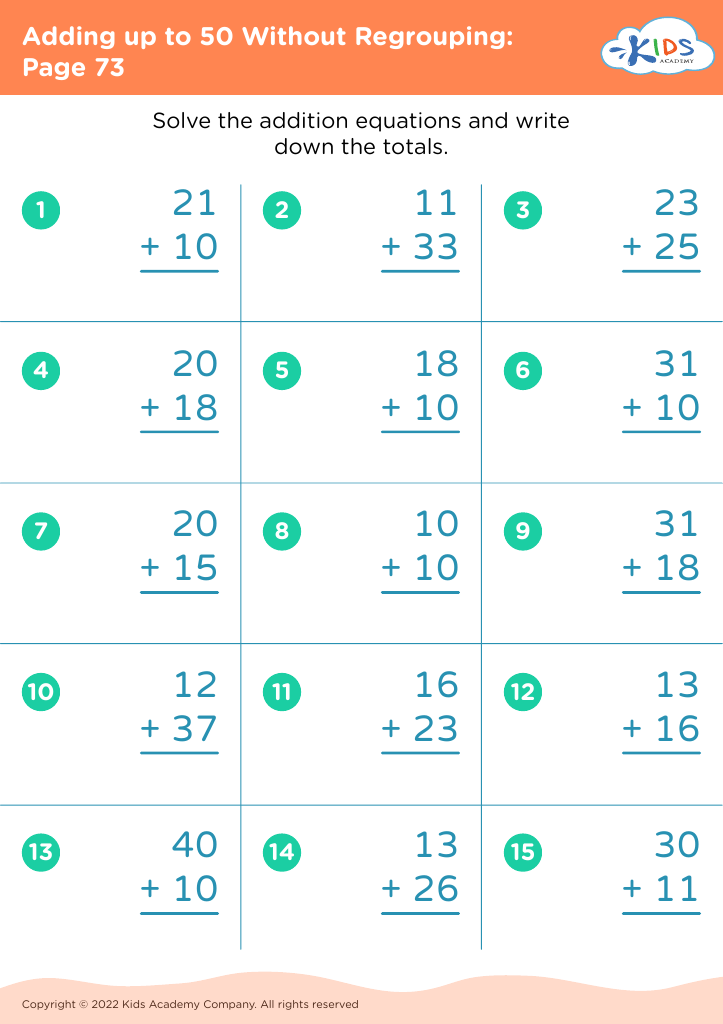
Adding up to 50 Without Regrouping: Page 73
Worksheet
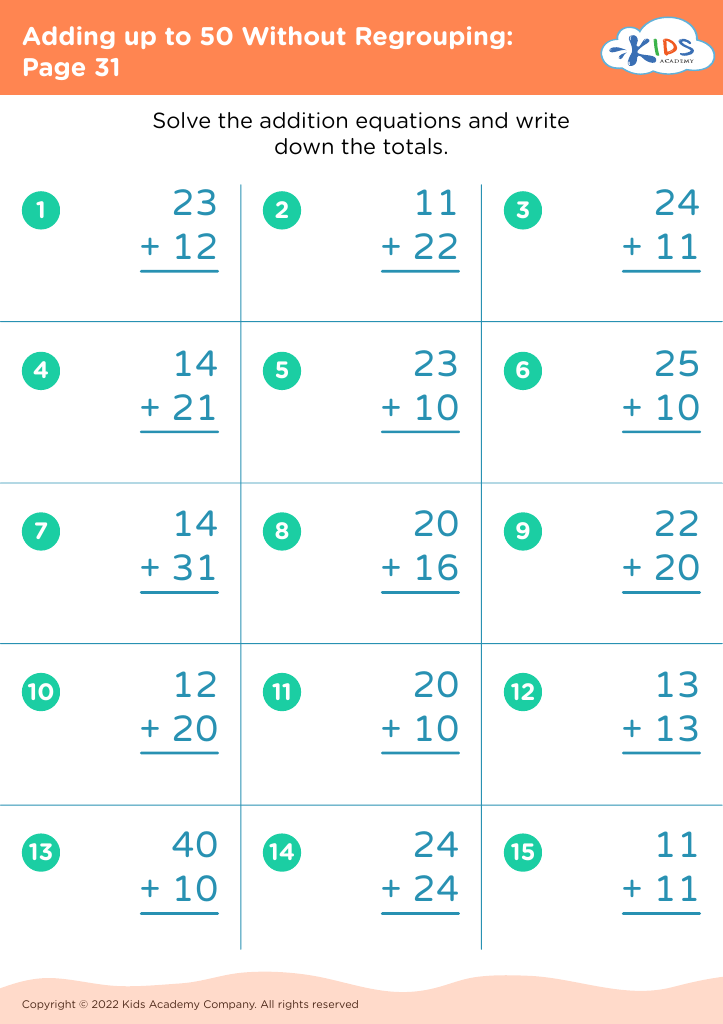
Adding up to 50 Without Regrouping: Page 31
Worksheet
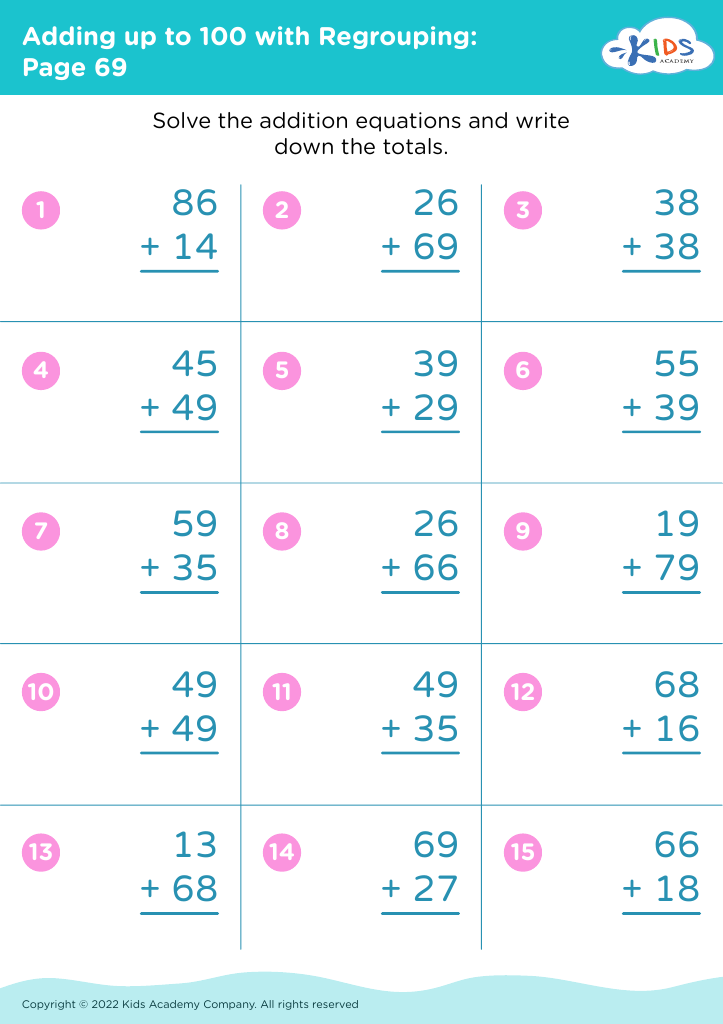
Adding up to 100 with Regrouping: Page 69
Worksheet
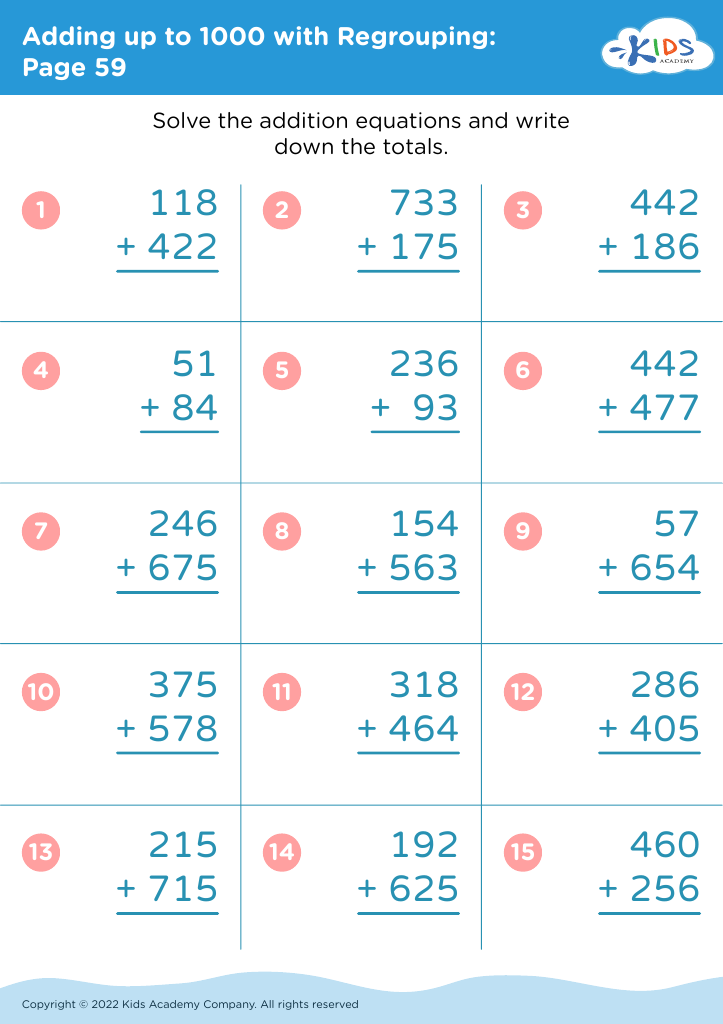
Adding up to 1000 with Regrouping: Page 59
Worksheet
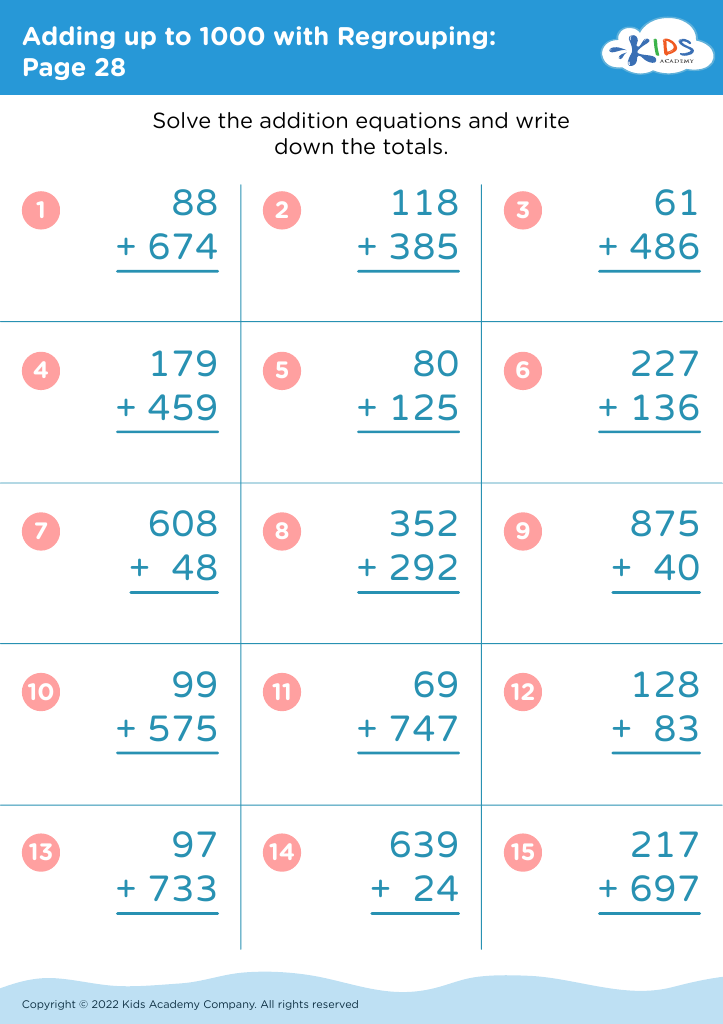
Adding up to 1000 with Regrouping: Page 28
Worksheet


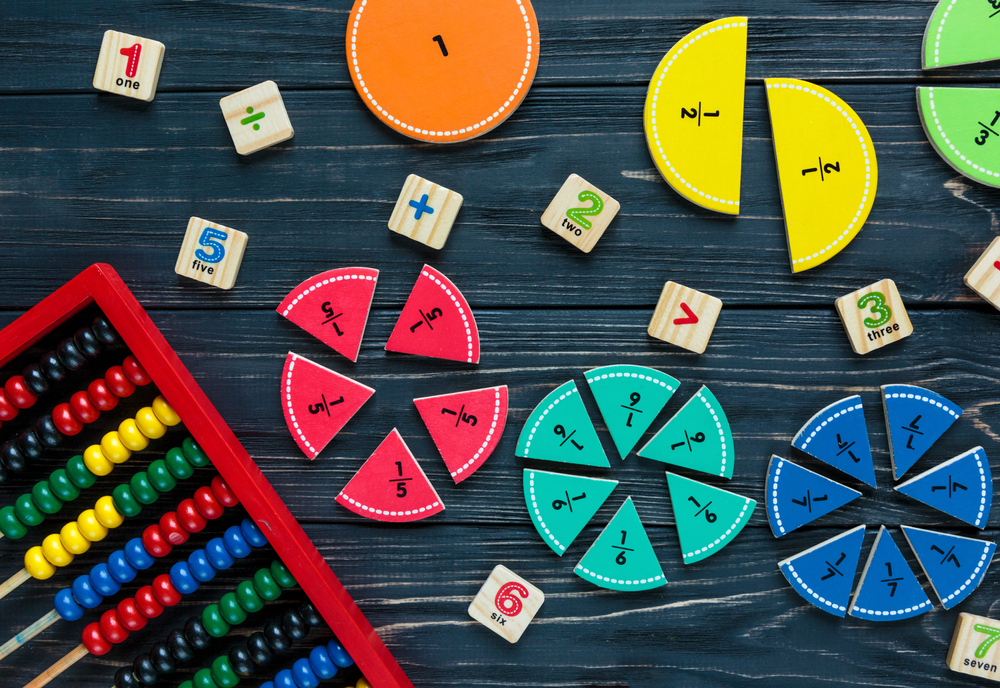
Understanding fractions is crucial for children aged 4-8 as it lays the foundation for essential mathematical concepts. At this age, children are naturally curious and eager to explore numbers and their relationships. Introducing fractions develops their understanding of part-whole relationships, which is fundamental in mathematical reasoning. By grasping fractions, children learn to compare sizes, partition shapes, and work with sets, skills that are vital not just in math but also in everyday situations.

Moreover, mastering fractions can enhance a child’s problem-solving and critical thinking abilities. It encourages them to visualize and manipulate quantities, fostering a growth mindset and resilience in tackling challenging concepts. Early exposure to fractions can help dispel math anxiety in later years, as they will have a more robust mathematical foundation.

For teachers and parents, understanding fractions helps them guide children through activities that promote hands-on learning, like measuring ingredients in cooking or dividing items among friends. These real-life applications make math relatable and enjoyable, thus increasing engagement and retention. In today's world, where quantitative literacy is increasingly important, helping young learners understand fractions is not only an educational responsibility but an investment in their future success.