Understanding habitats Math Worksheets for Ages 4-8
3 filtered results
-
From - To
Explore our "Understanding Habitats Math Worksheets" designed for children ages 4-8! These engaging worksheets blend math skills with the fascinating world of habitats, helping young learners develop their mathematical abilities while discovering various ecosystems. Each worksheets feature colorful visuals and age-appropriate exercises that teach counting, addition, and comparison through interactive habitat themes. Kids can learn about animals, plants, and their environments while enhancing their problem-solving skills. Perfect for classrooms or at-home learning, our worksheets support foundational math education in a fun and engaging way. Start your educational journey into habitats today—where math meets nature!
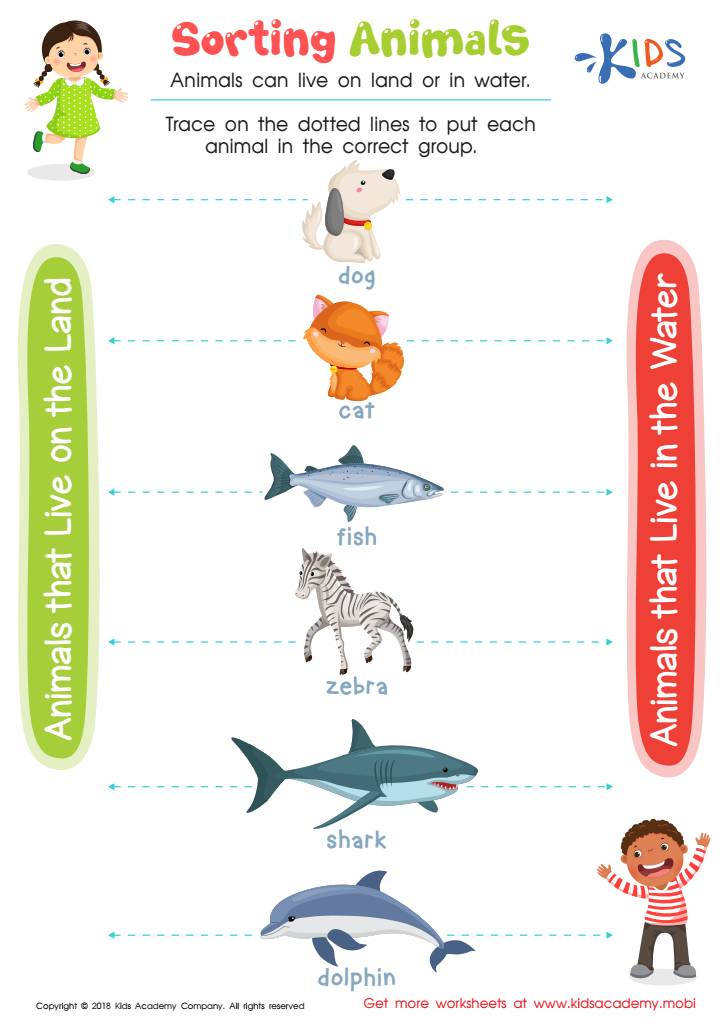
Sorting Animals Worksheet
 Assign to My Students
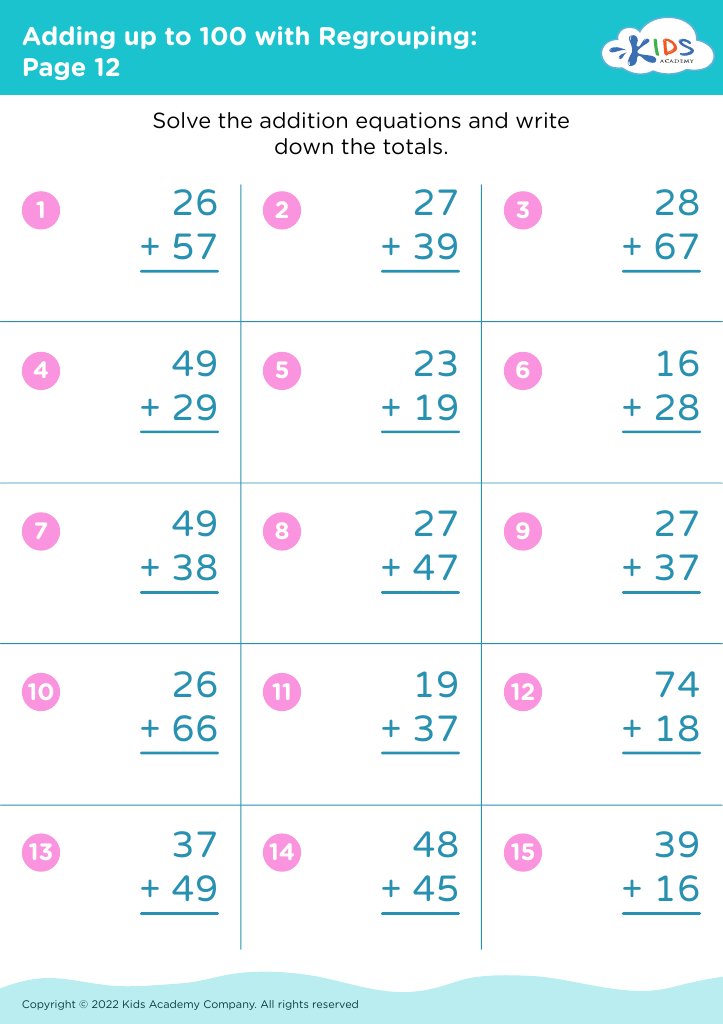
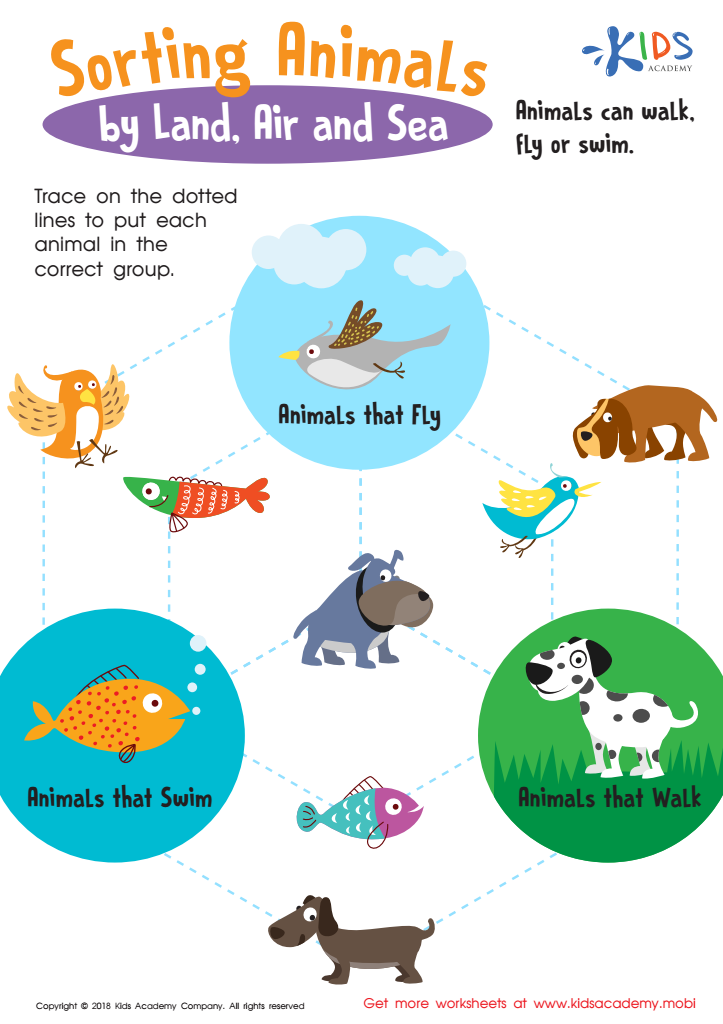
Sorting Animals by Land, Air and Sea Worksheet






Understanding habitats is crucial for children aged 4-8 as it intertwines essential concepts of both nature and mathematics. At this developmental stage, children are naturally curious about the world around them. Introducing them to habitats—such as forests, wetlands, or deserts—engages this curiosity while embedding mathematical skills through observation and exploration.
Learning about habitats lays the foundation for critical thinking and problem-solving. For example, while investigating various habitats, children might measure the height of plants, count the number of animals in photos, or even compare temperatures, all of which incorporate basic mathematical skills like counting, measuring, and sorting. This hands-on approach solidifies their understanding of numbers in an engaging context.
Additionally, fostering an awareness of habitats cultivates environmental stewardship and responsibility. Children learn to appreciate biodiversity and the interconnectedness of life, encouraging stewardship of their surroundings. The combination of math and habitat studies can lead to richer classroom discussions and spontaneous inquiries, thereby enhancing cognitive skills.
By integrating Understanding habitats Math into early education, parents and teachers nurture a well-rounded foundation in both environmental literacy and math, paving the way for lifelong learning and curiosity about the planet.








