Understanding multiplication Math Worksheets for Ages 4-8 - Page 2
31 filtered results
-
From - To
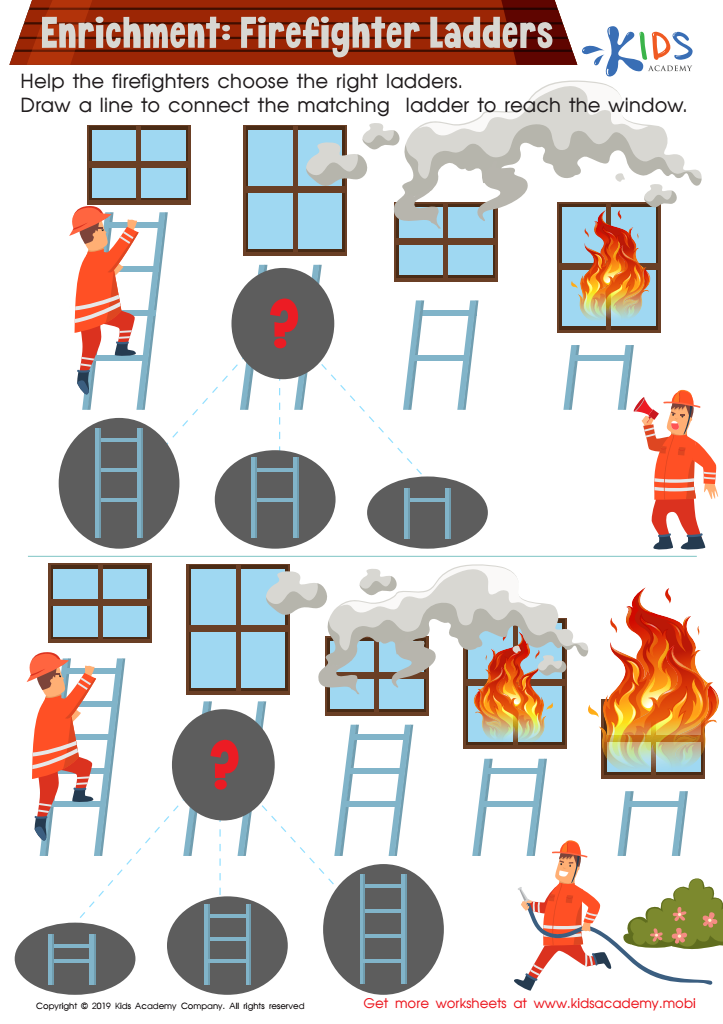
Enrichment: Firefighter Ladders Worksheet
 Assign to My Students
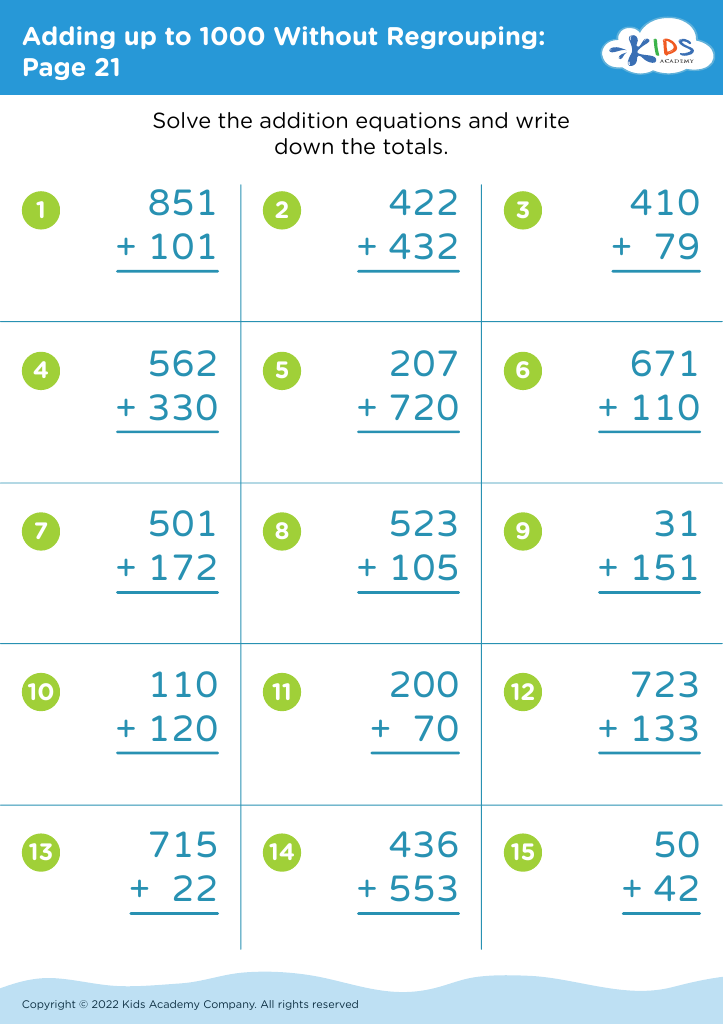
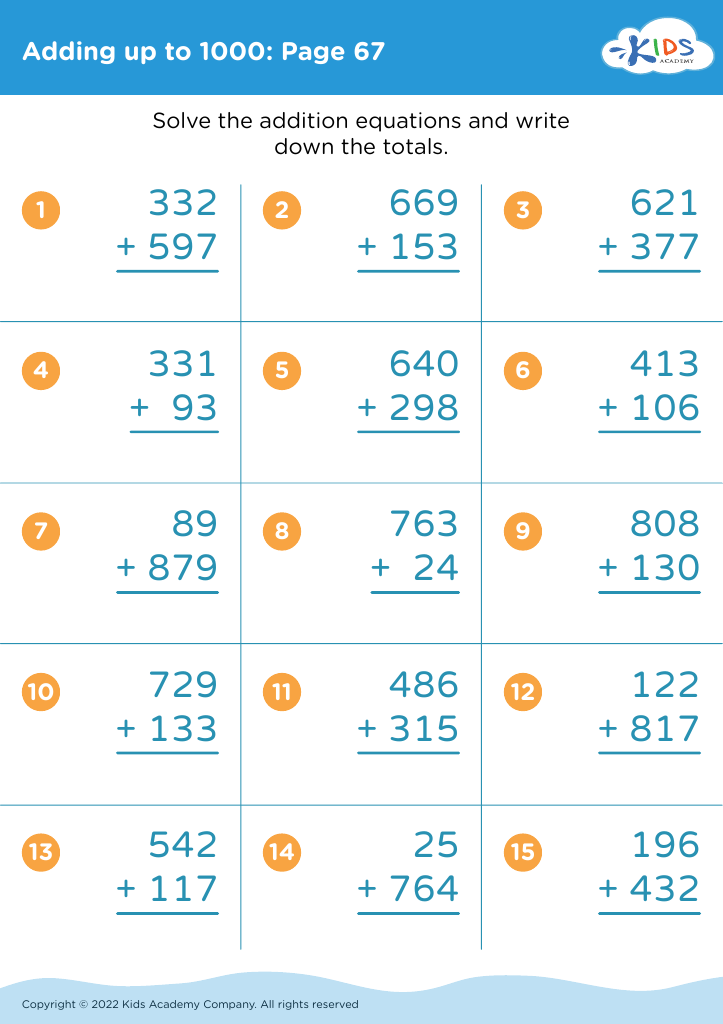








Understanding multiplication at an early age, particularly for children aged 4-8, plays a crucial role in their educational development. Fundamental math concepts laid during these formative years create a strong foundation for advanced mathematical thinking. Learning multiplication helps children grasp the idea of repeated addition, which enhances their overall arithmetic skills and strengthens their number sense.
For parents and teachers, fostering an understanding of multiplication encourages critical thinking and problem-solving abilities. It teaches children how to organize and interpret information—skills that are essential in everyday life and future academic pursuits. Additionally, early exposure to math concepts creates a sense of confidence in children, reducing math anxiety as they progress through school.
Multiplication is not an isolated skill; it connects to various math concepts such as fractions, division, and even geometry. By engaging children in meaningful, hands-on multiplication activities, educators and parents can nurture curiosity and a love for learning. The ability to work with multiplication sparks interest in exploring patterns and relationships in numbers.
Ultimately, fostering a solid understanding of multiplication benefits not only the child’s immediate academic experience but also prepares them for success in higher-level math and day-to-day problem-solving throughout their lives.








