Understanding number relationships Math Worksheets for Ages 4-8
9 filtered results
-
From - To
Unlock a child's mathematical potential with our "Understanding Number Relationships" worksheets for ages 4-8. Designed to foster foundational math skills, these engaging activities help young learners grasp essential concepts like comparisons, sequencing, and number bonds. Through colorful and interactive exercises, children will explore the relationships between numbers in a fun, playful manner. Perfect for home or classroom use, our worksheets are crafted to support and challenge your child's growing mind, ensuring they build confidence and competence in math. Start your child's math journey with our expertly designed worksheets and watch their numerical understanding soar!
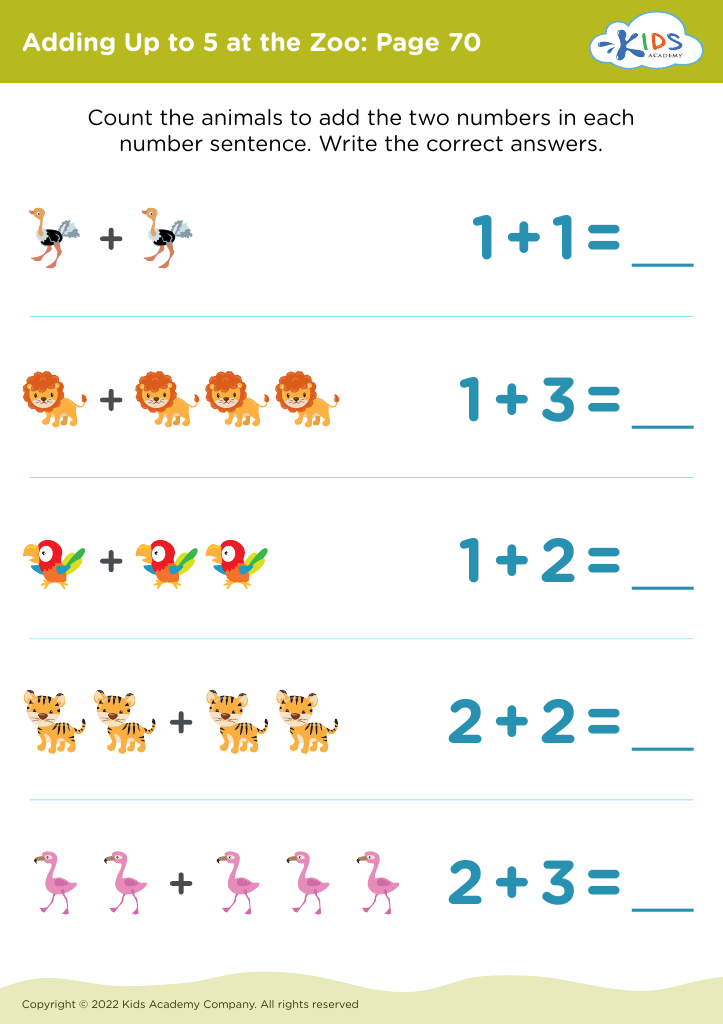
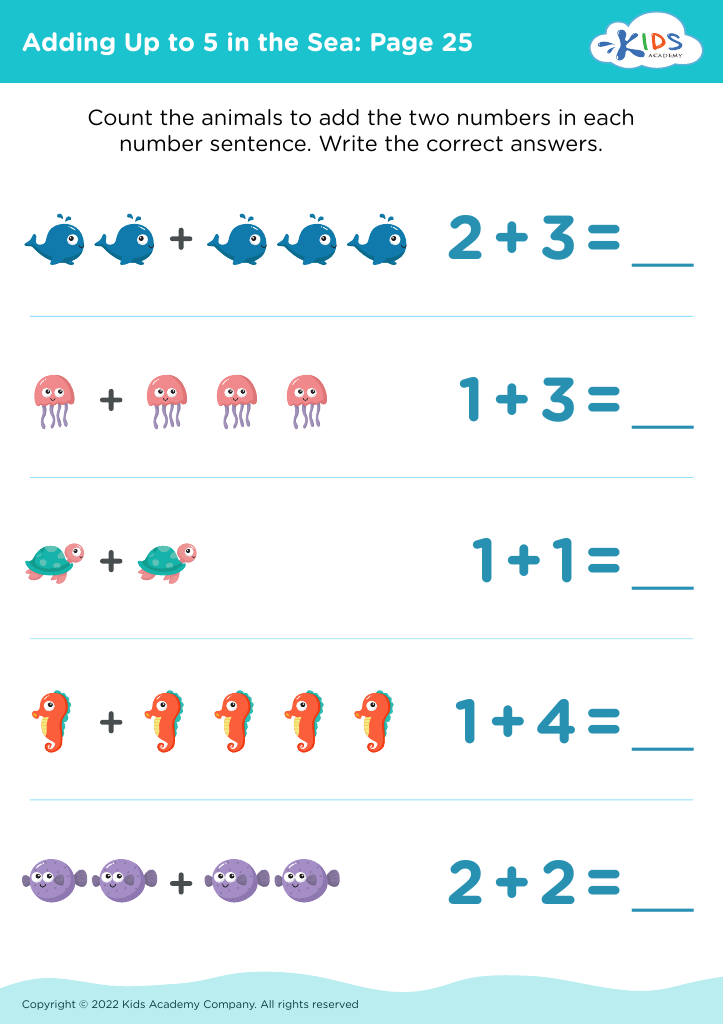
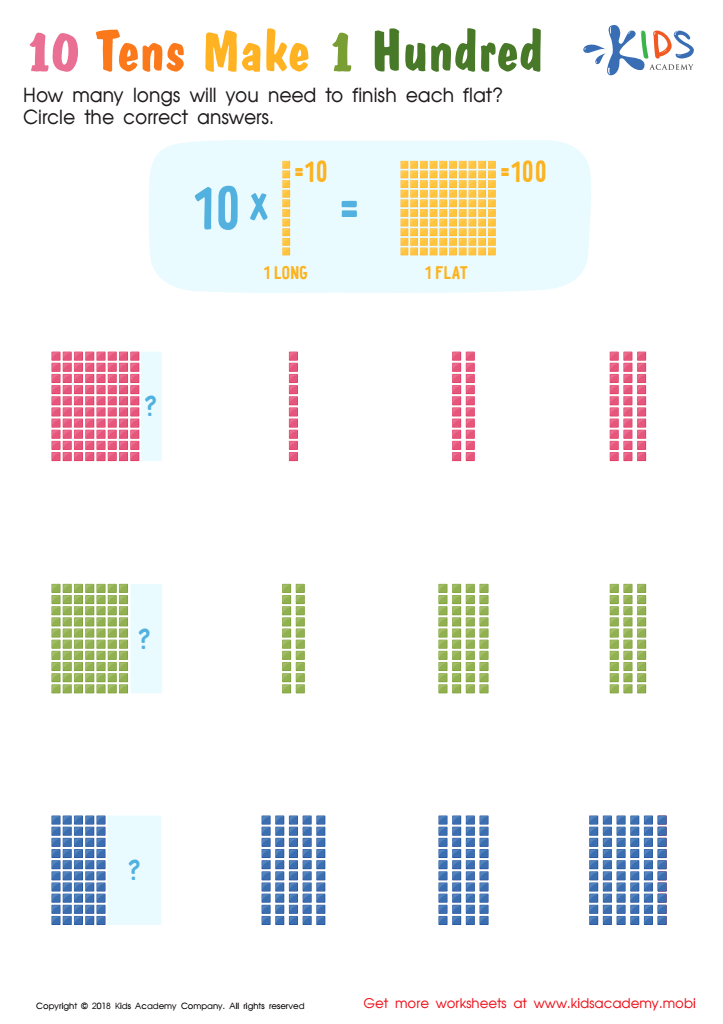
10 Tens Make 1 Hundred Worksheet
 Assign to My Students
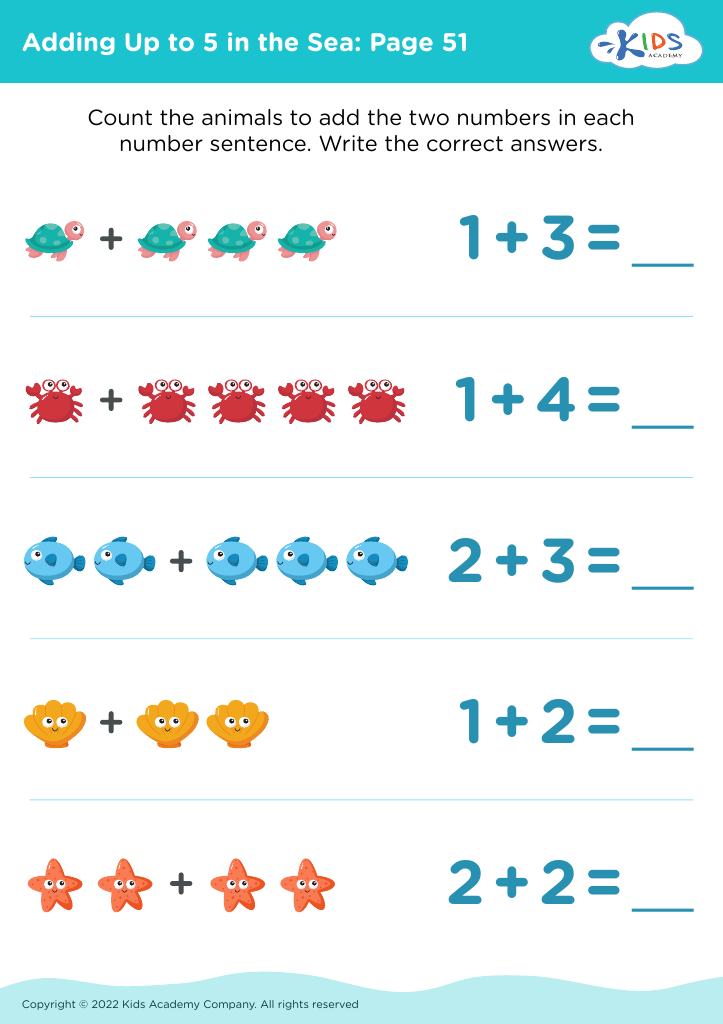
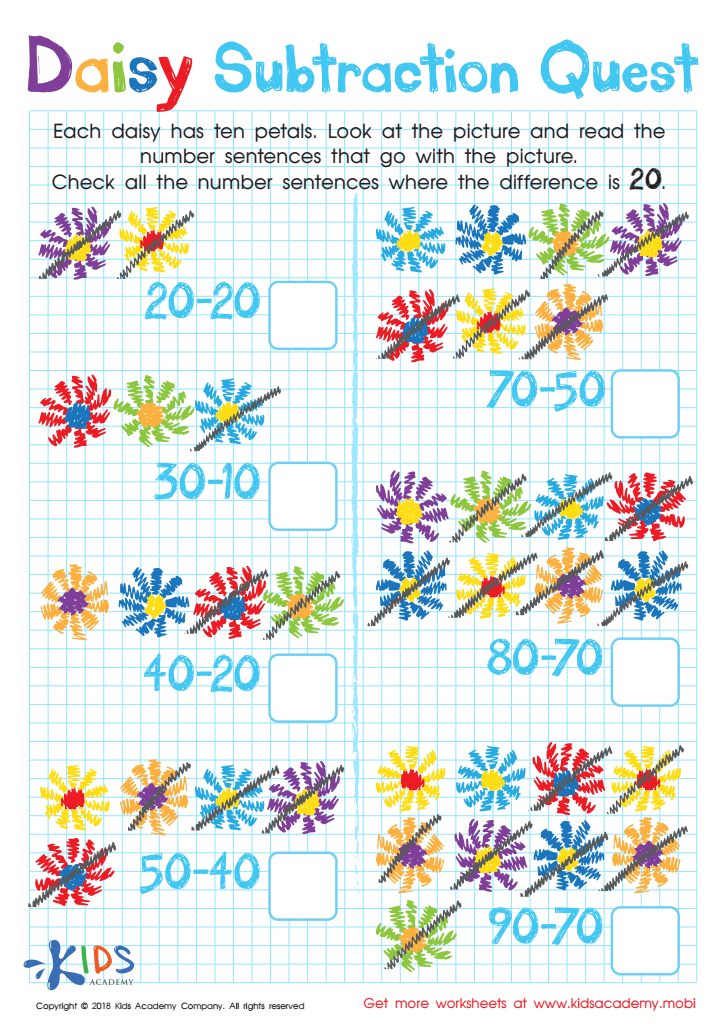
Daisy Subtraction Quest Worksheet
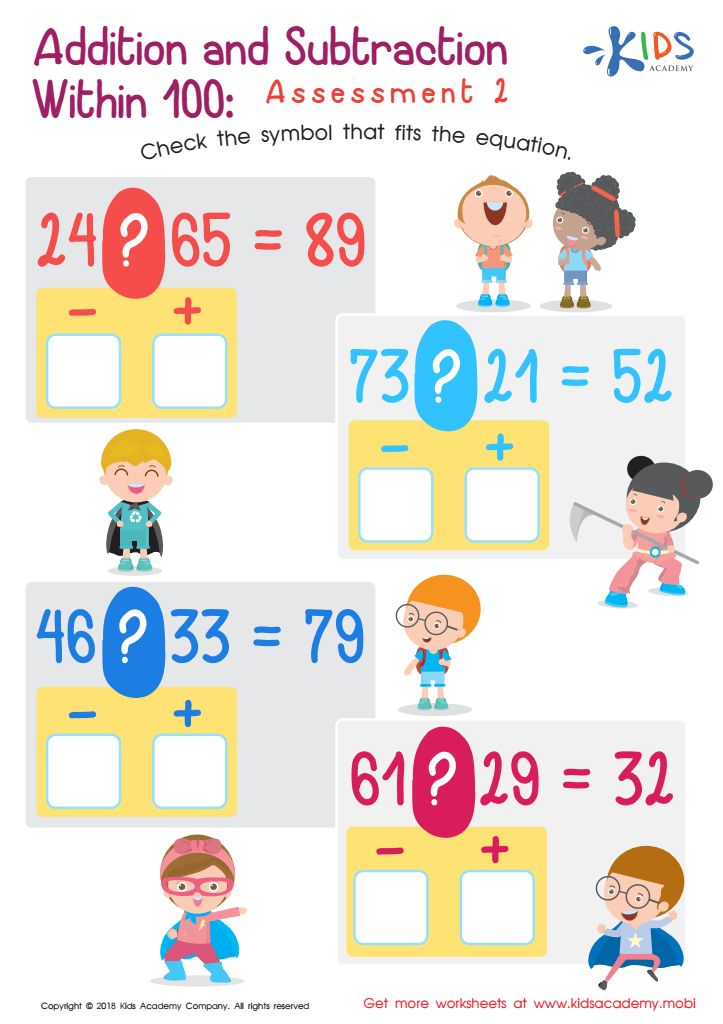
Addition and Subtraction Within 1: Assessment 2 Worksheet
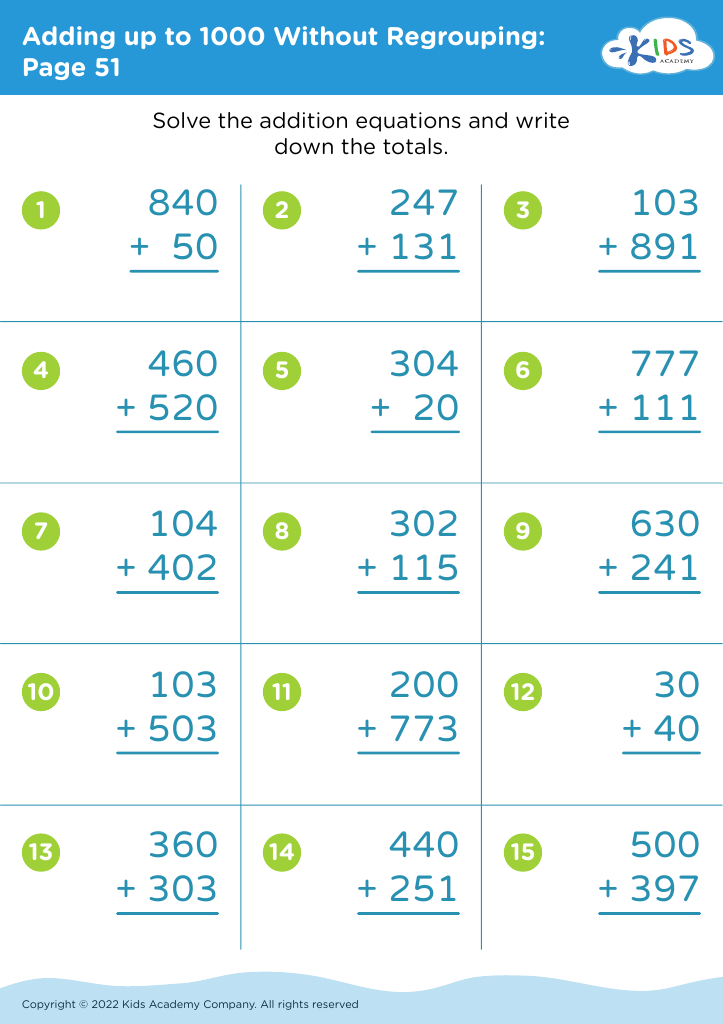
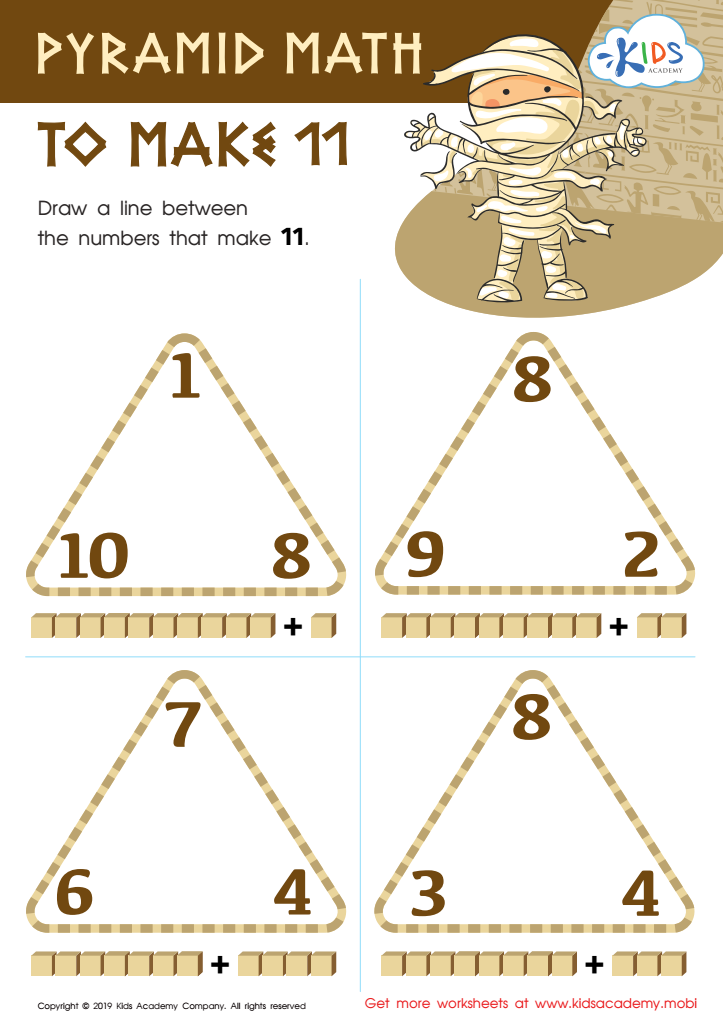
Pyramid Math to Make 11 Worksheet
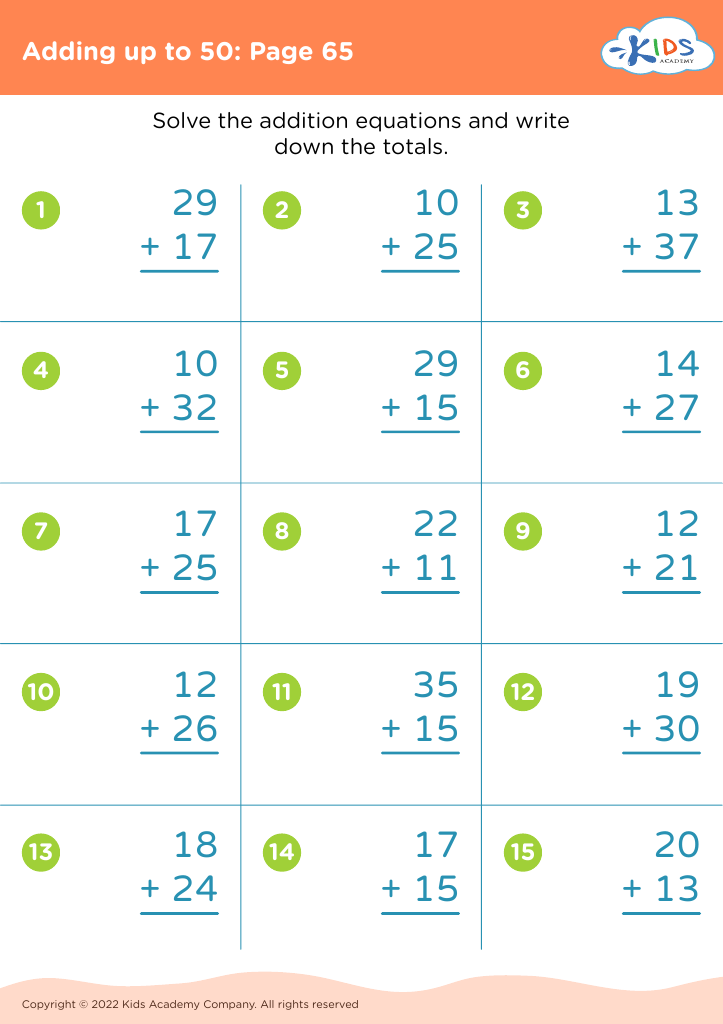






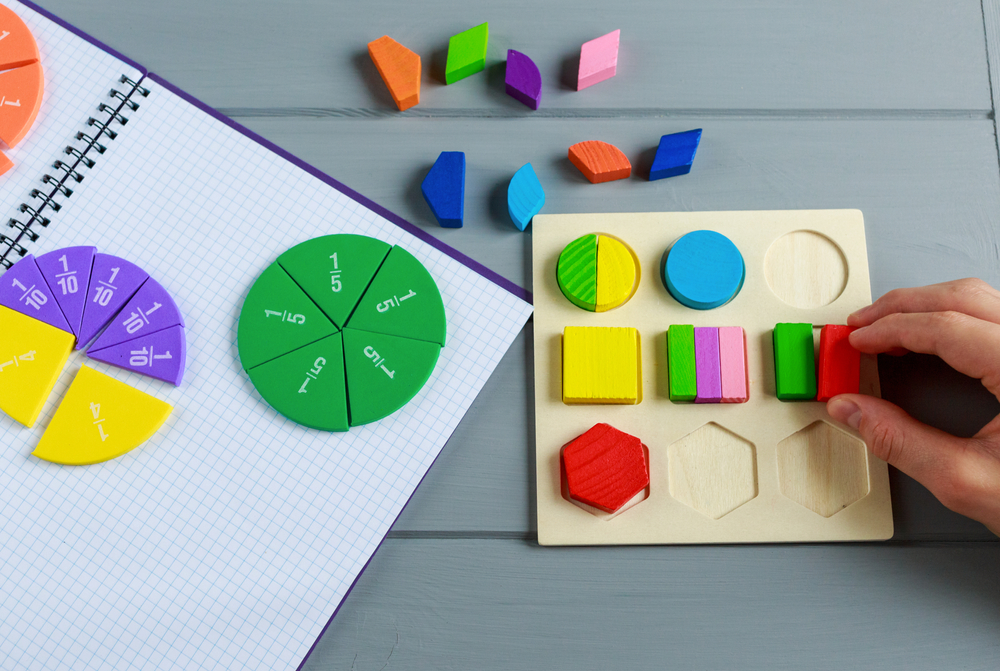

Understanding number relationships is a foundational skill that significantly impacts a child's future success in mathematics and various aspects of life. For children aged 4-8, grasping number relationships goes beyond simple counting; it develops their ability to make sense of how numbers work together through concepts such as addition, subtraction, and place value. These skills pave the way for more advanced mathematical thinking needed in later schooling.
If parents and teachers emphasize understanding these relationships early on, it can foster a positive attitude toward math by making the subject more intuitive and engaging. Children who comprehend number relationships typically find problem-solving tasks easier and can apply their knowledge in real-world situations, such as sharing toys or dividing snacks, which solidifies their understanding and shows the practical applications of math.
Additionally, early mastery of number relationships can enhance cognitive development, including critical thinking and logical reasoning skills. By nurturing a child's mathematical curiosity and competence early, parents and teachers set the stage for higher academic achievement, increased self-confidence, and improved persistence in tackling challenges. Investing time and effort now reaps significant long-term benefits, making the child's educational journey smoother and more enjoyable.
Understanding number relationships hence acts as a critical stepping stone that supports broader educational outcomes and everyday life skills, necessitating focused attention from both educators and parents.








