
Visual comprehension Math Worksheets for Ages 4-8
7 filtered results
Difficulty Level
Grade
Age
-
From - To
Subject
Activity
Standards
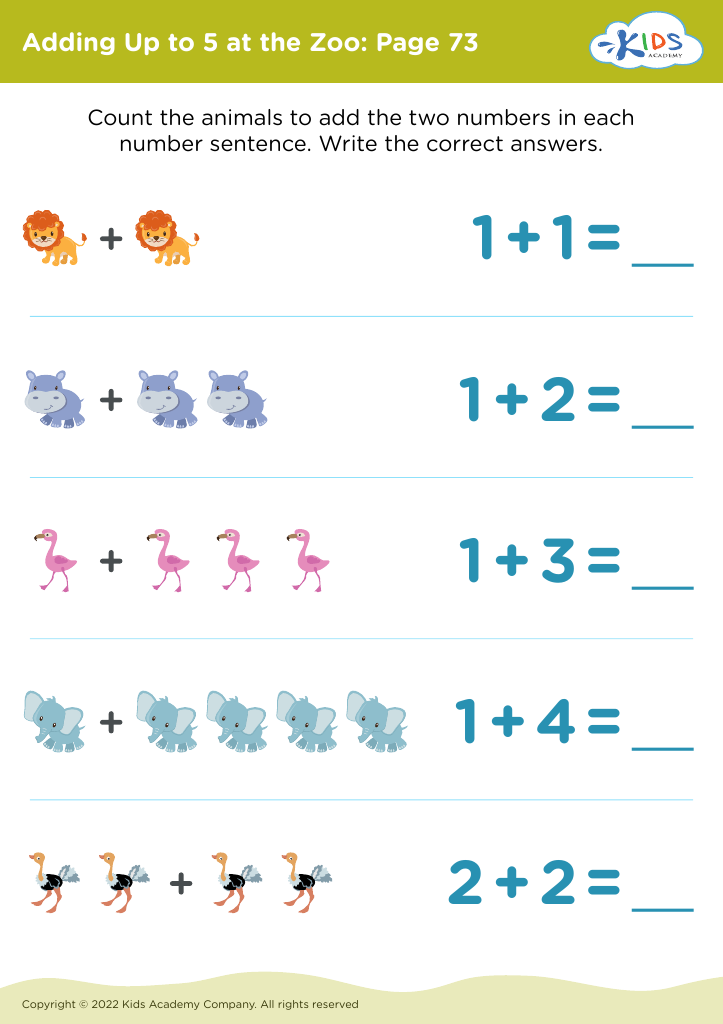
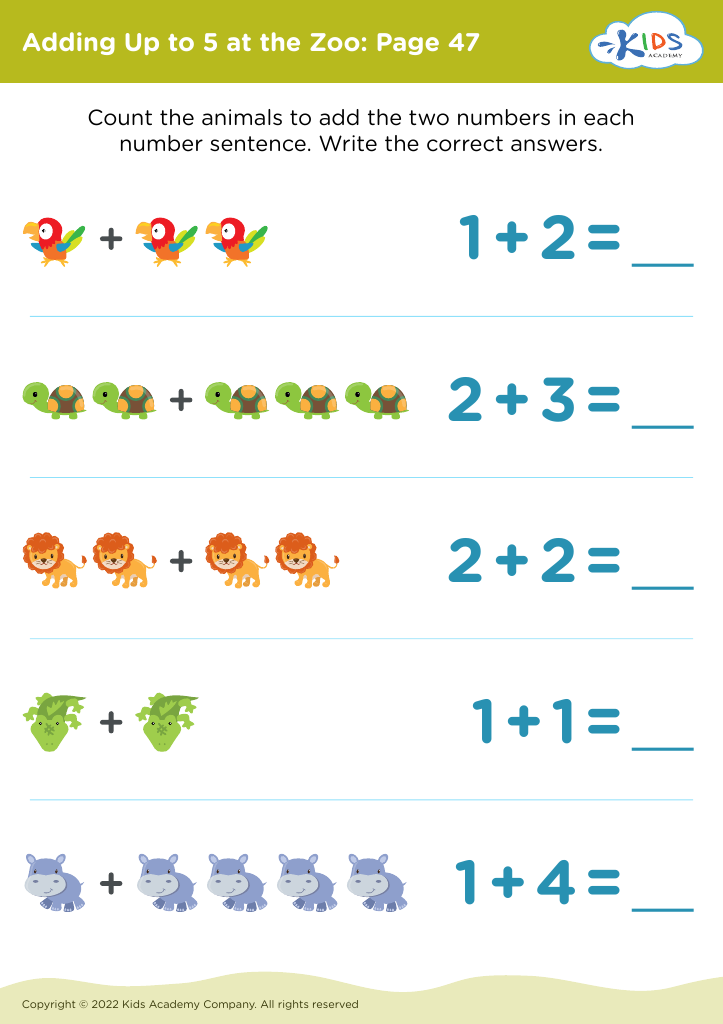
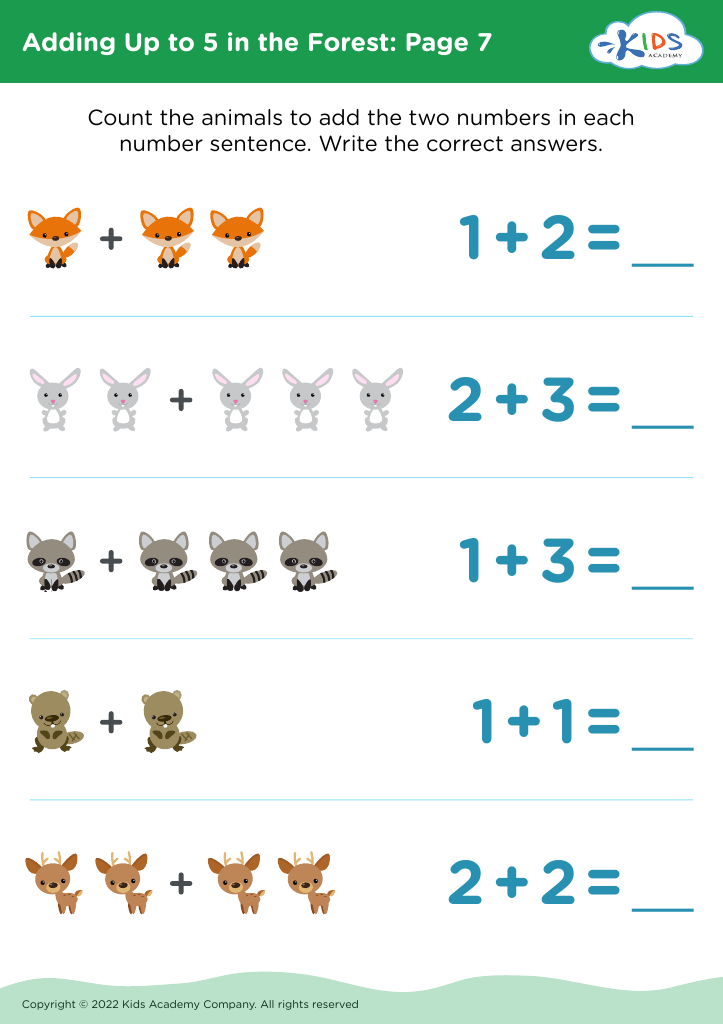
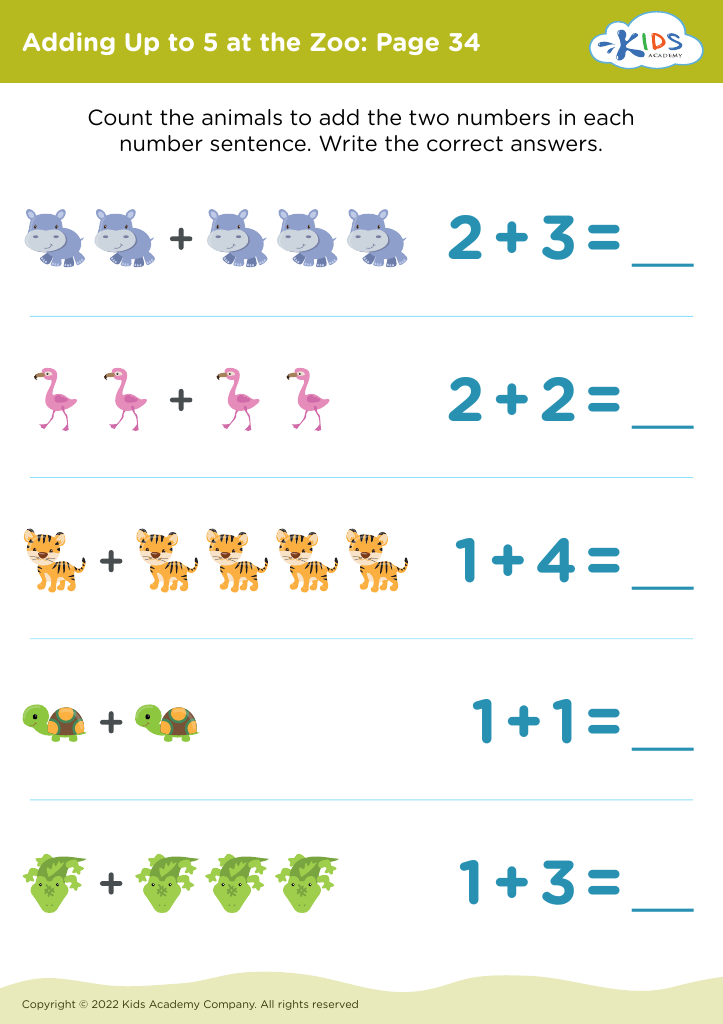
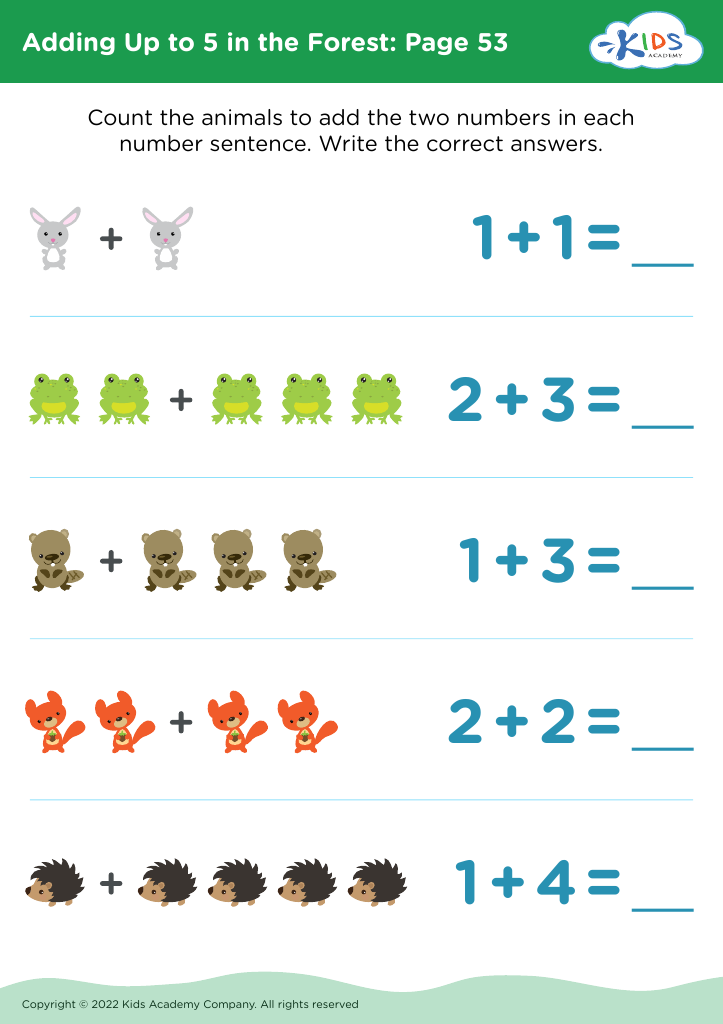
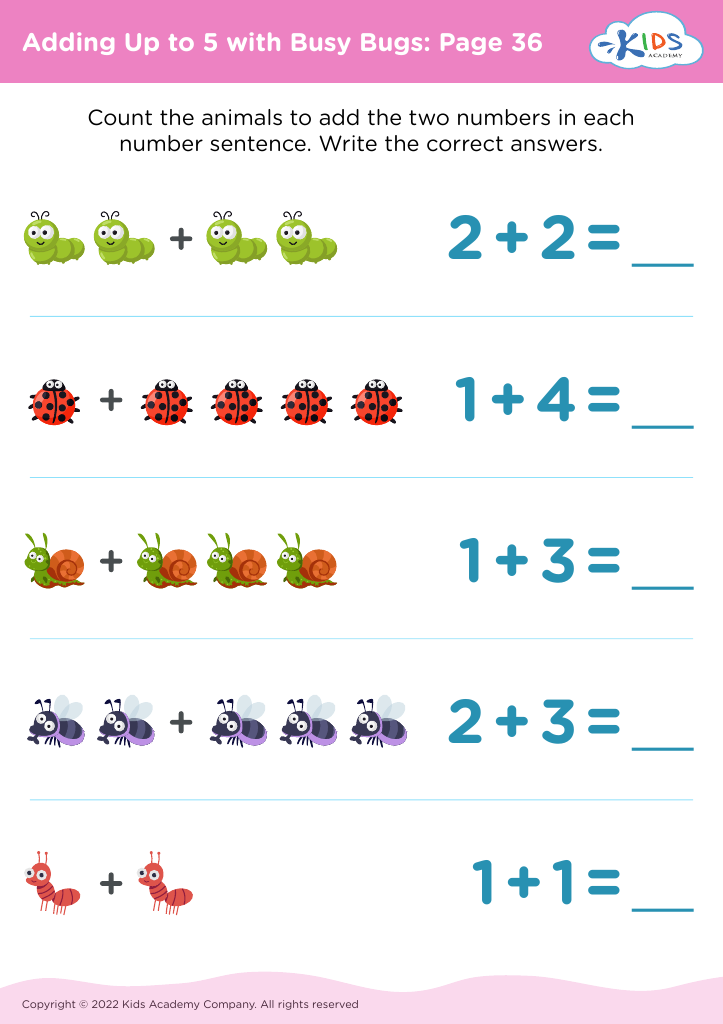
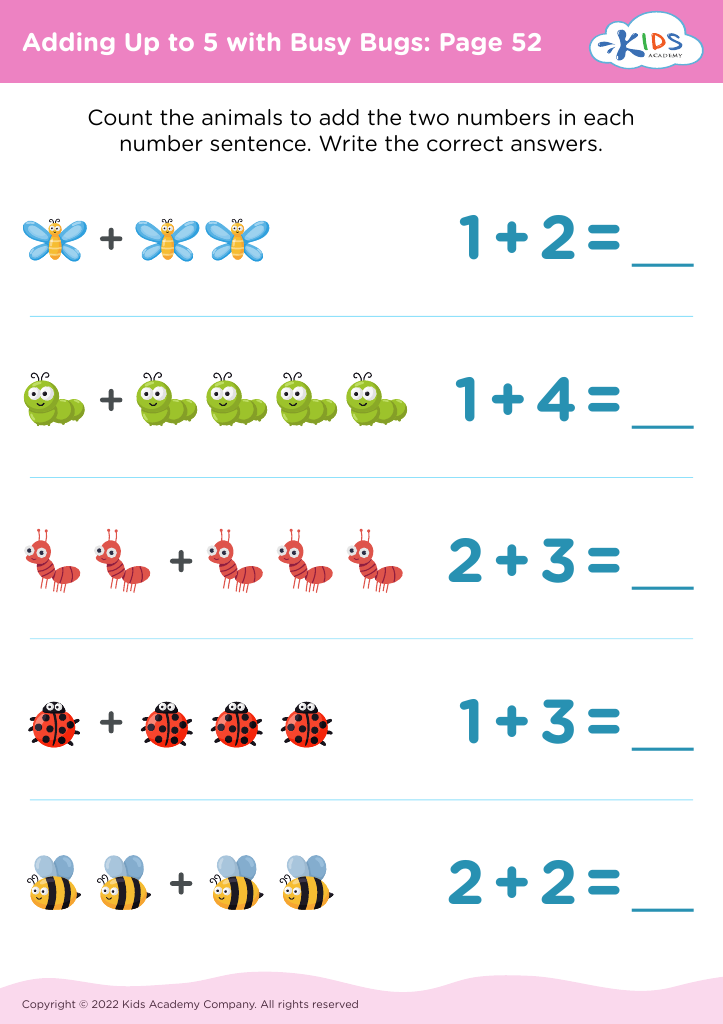
Explore our engaging Visual Comprehension Math Worksheets, designed specifically for children ages 4-8. These worksheets enhance young learners' ability to interpret and understand visual information while developing foundational math skills. Featuring fun illustrations and relatable contexts, our resources make learning enjoyable and effective. Each worksheet promotes critical thinking, helping kids solve problems using visual cues, patterns, and shapes. Ideal for both classroom and home use, these worksheets align with early math standards, ensuring a comprehensive learning experience. Support your child's growth in visual comprehension and mathematical readiness today with our playful and interactive worksheets! Perfect for enthusiastic young minds!
Favorites
With answer key
Interactive
Join Kids Academy for Free
Who is primarily going to use this learning content?






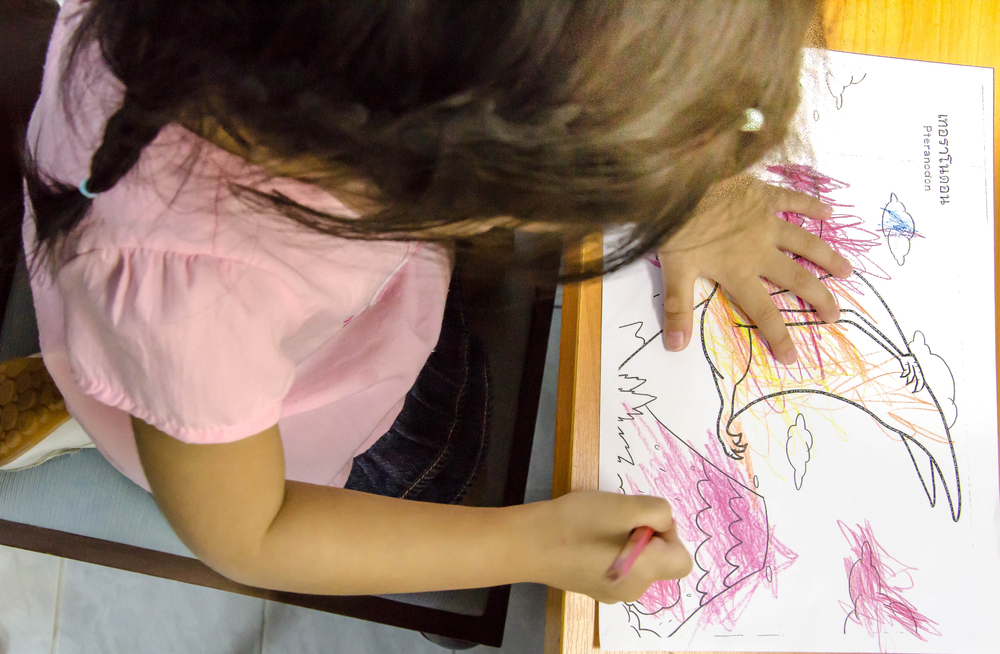

Visual comprehension in math is crucial for children ages 4-8, as it serves as the foundation for their mathematical understanding and problem-solving skills. At this age, children are naturally visual learners, often making sense of abstract concepts through images and visual representations. Engaging them with visual tools, such as graphs, charts, and drawings, can enhance their ability to grasp fundamental concepts like shapes, patterns, and basic operations.
By utilizing visual comprehension strategies, parents and teachers foster a deeper understanding of math, enabling children to connect mathematical ideas with real-world applications. Moreover, visual aids can help demystify complex problems, making learning more accessible and enjoyable. This approach boosts confidence, encourages exploration, and nurtures critical thinking skills, allowing young learners to develop a positive attitude towards math.
Furthermore, incorporating visual comprehension in early math education can bridge the gap for students with learning differences. By prioritizing this method, educators and parents lay a strong foundation not only for academic achievement but also for lifelong mathematical literacy, empowering children for success in future learning. In nurturing visual comprehension, we unlock the potential for young learners to think creatively and independently in their mathematical journeys, setting the stage for their overall intellectual growth.








