Logical thinking development Measurement Worksheets for Ages 4-8
3 filtered results
-
From - To
Enhance your child's logical thinking skills with our engaging Measurement Worksheets designed specifically for ages 4-8. These interactive worksheets make learning about measurements fun and exciting while helping young learners develop critical thinking abilities. Children will explore concepts like comparison, sequencing, and problem-solving through a variety of hands-on activities and challenges. Each worksheet is designed to promote understanding and mastery of basic measurement skills while fostering creativity and logical reasoning. Perfect for both classroom and home use, our worksheets are simple to download and print, providing a convenient way to support your child's early math education. Unlock your child's potential today!
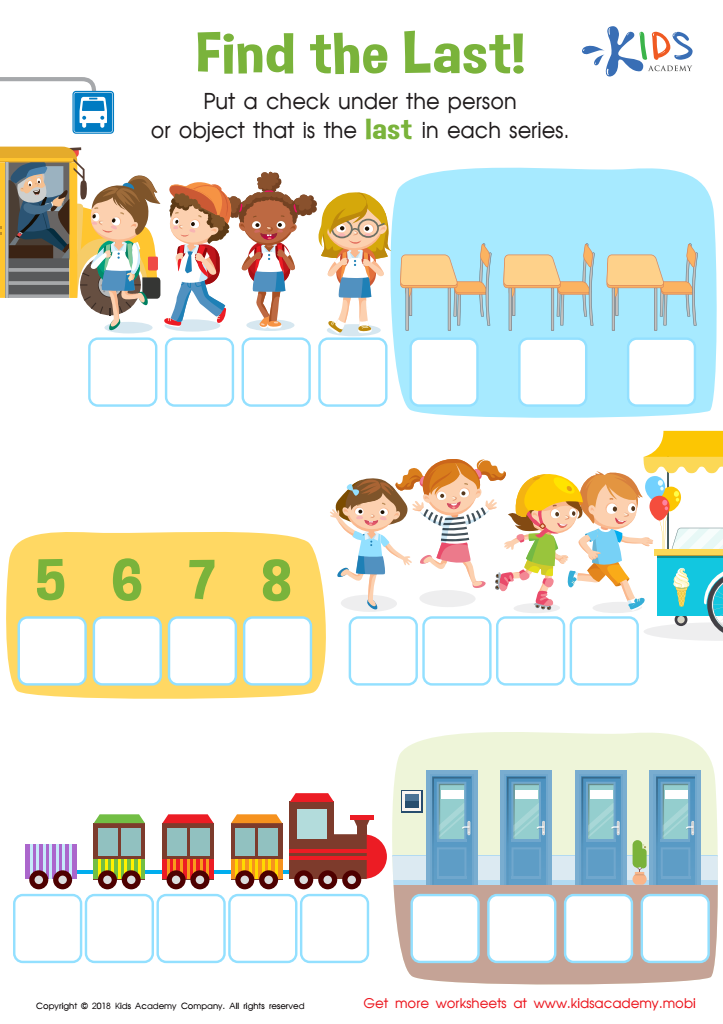
Find the Last! Worksheet
 Assign to My Students
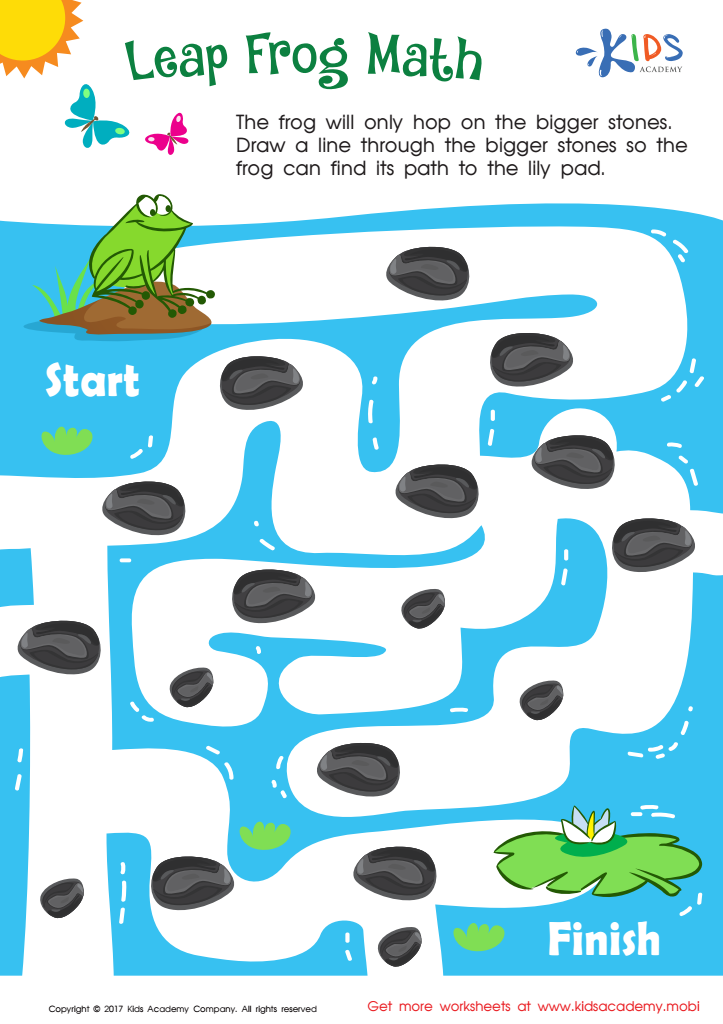
Math Puzzle Worksheet
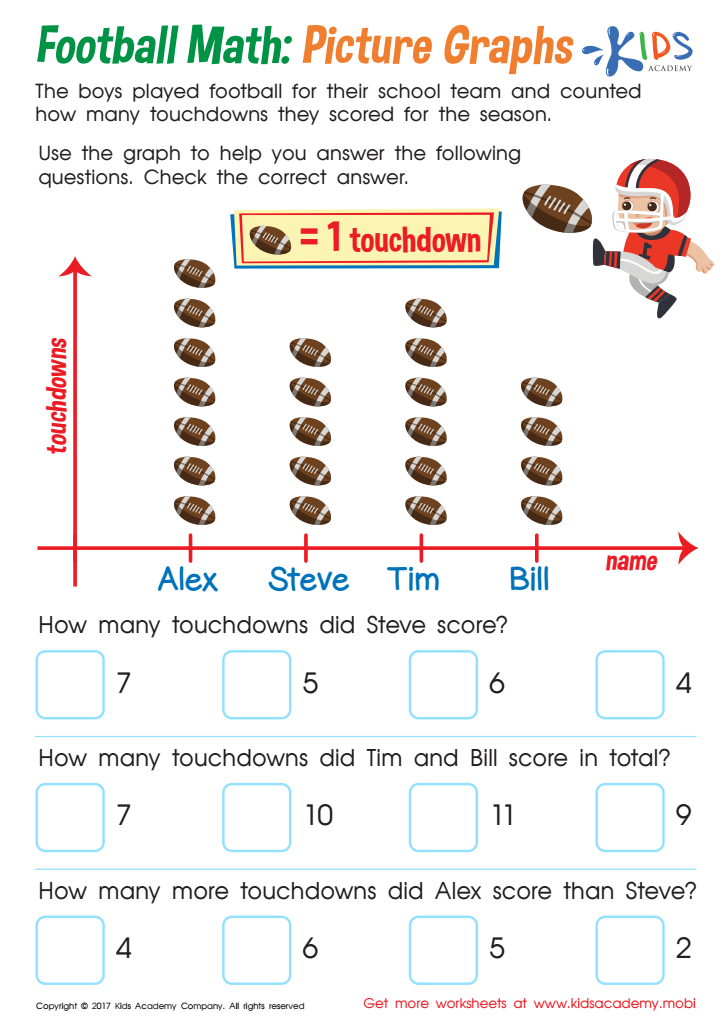
Football Math Worksheet








Parents and teachers should prioritize the development of logical thinking in children ages 4-8 because this critical skill lays the foundation for problem-solving and decision-making abilities that are essential in later life. At this age, children's cognitive development is rapid, and nurturing their logical reasoning can significantly influence their academic success.
Logical thinking helps children learn to identify patterns, evaluate situations, and draw conclusions based on evidence. By fostering these skills early on, educators and parents can enhance children's ability to tackle complex concepts in math, science, and even literacy. Engaging in activities that promote logical thinking—such as puzzles, games, and open-ended questions—encourages curiosity and critical analysis.
Moreover, logical thinking contributes to emotional and social development, as children learn to understand different perspectives and navigate challenges with a reasoned approach. This skill aids in conflict resolution and enhances communication abilities. Ultimately, by measuring and supporting logical thinking development during these formative years, parents and teachers equip children with the essential tools needed for lifelong learning and adaptation to an increasingly complex world. Investing in this cognitive area can lead to more empowered, thoughtful decision-makers in the future.








