Shape Recognition Numbers up to 100 Worksheets for Ages 4-8
3 filtered results
-
From - To
Enhance your child’s math skills with our engaging "Shape Recognition Numbers up to 100 Worksheets" designed for ages 4-8. These printable worksheets combine number recognition with shape identification, providing a fun and interactive way for children to learn. Each worksheet is tailored to reinforce essential skills like counting, recognizing shapes, and understanding numerical concepts up to 100. With colorful illustrations and age-appropriate challenges, students will stay motivated while mastering foundational math skills. Perfect for home or classroom use, these worksheets are an excellent resource to support early learners in building confidence and competence in mathematics. Start your journey of discovery today!
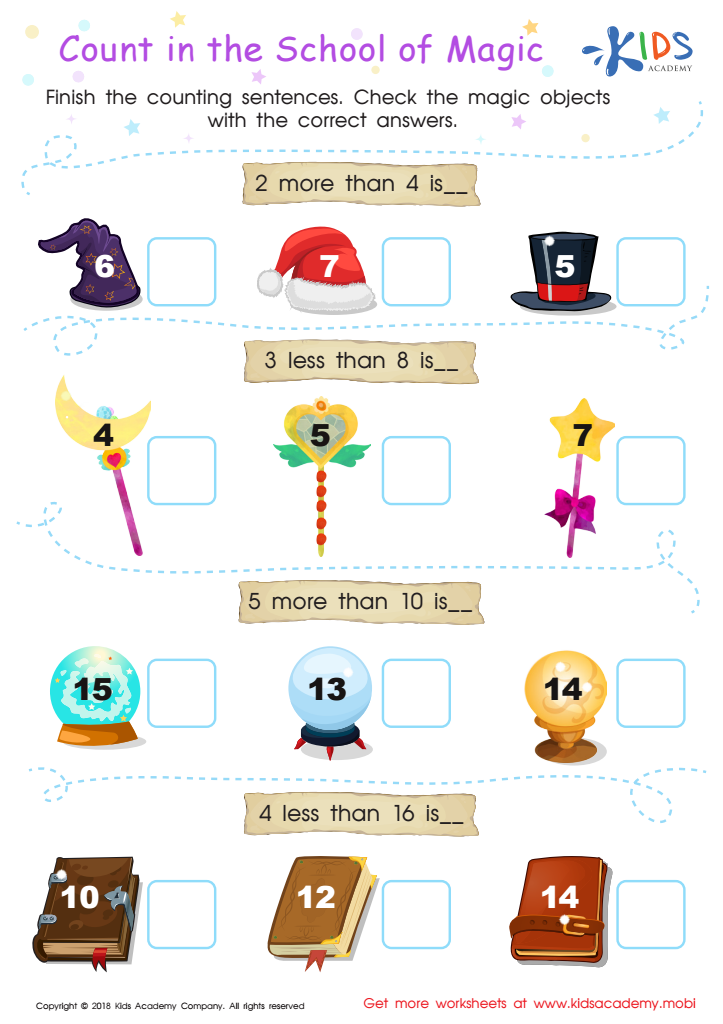
Count in the School of Magic Worksheet
 Assign to My Students
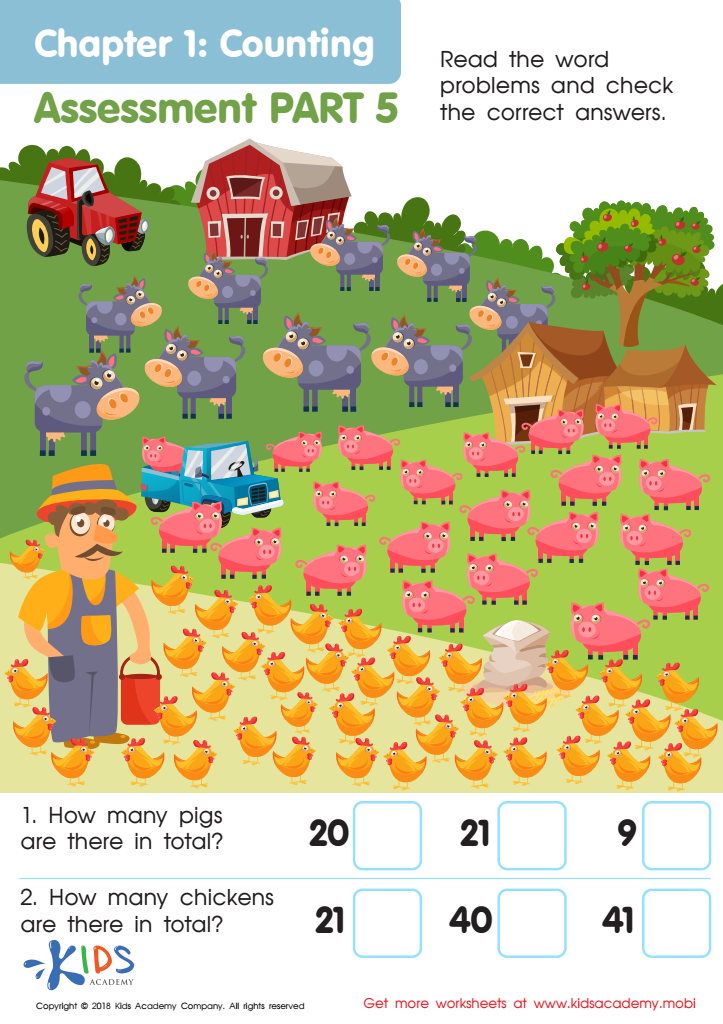
Counting: Assessment 5 Worksheet
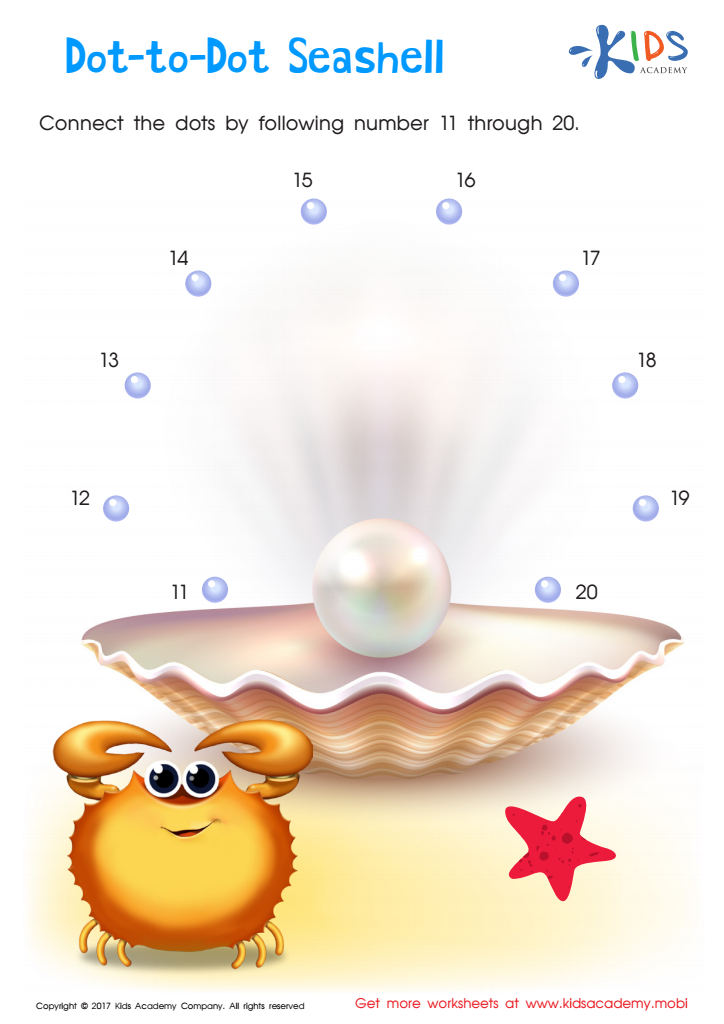
Ordering 11–20: Dot–to–dot Seashell Printable





%20(1).jpg)


Shape recognition and understanding numbers up to 100 are essential foundational skills for children aged 4-8. Learning about shapes enhances cognitive development, as it improves spatial awareness and critical thinking. Children who recognize shapes can better understand their environment, which lays the groundwork for more complex concepts in math, science, and art.
Furthermore, grasping numbers up to 100 introduces children to foundational math skills like counting, comparing, and basic arithmetic. These skills are crucial as children begin to encounter more advanced mathematical concepts. Shape and number recognition work together to create an integrated understanding of how shapes can represent numbers, aiding in pattern recognition and problem-solving.
From an educational standpoint, nurturing these skills fosters a love for learning. Engaging children in games or activities involving shapes and numbers can make the learning process enjoyable, motivating them to explore further. Additionally, parents and teachers can help build confidence by providing positive reinforcement as children develop these skills.
In essence, shape recognition and number understanding are more than just fundamental skills; they play a critical role in holistic development and prepare children for future academic challenges. Investing time in these areas today sets a strong foundation for lifelong learning.