Basic Math Skills Place Value Worksheets for Ages 4-8
5 filtered results
-
From - To
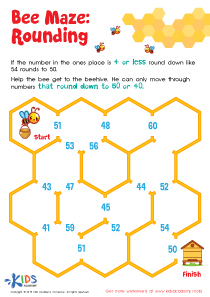
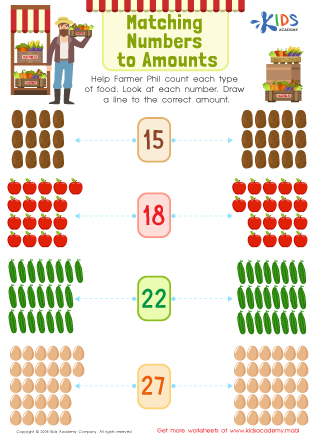
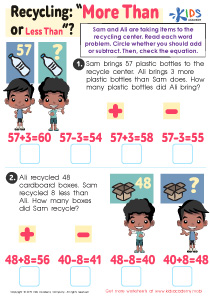
Unlock your child's mathematical potential with our Basic Math Skills Place Value Worksheets, designed for ages 4-8. These engaging, educational worksheets help young learners grasp essential place value concepts and form a solid foundation in math. From identifying tens and ones to understanding the value of digits in numbers, our fun, interactive activities make math exciting and accessible. Trusted by parents and educators, these worksheets foster critical thinking and problem-solving skills, preparing your child for future mathematical success. Download and print now to support your child’s early math journey with easy-to-follow, fun exercises!
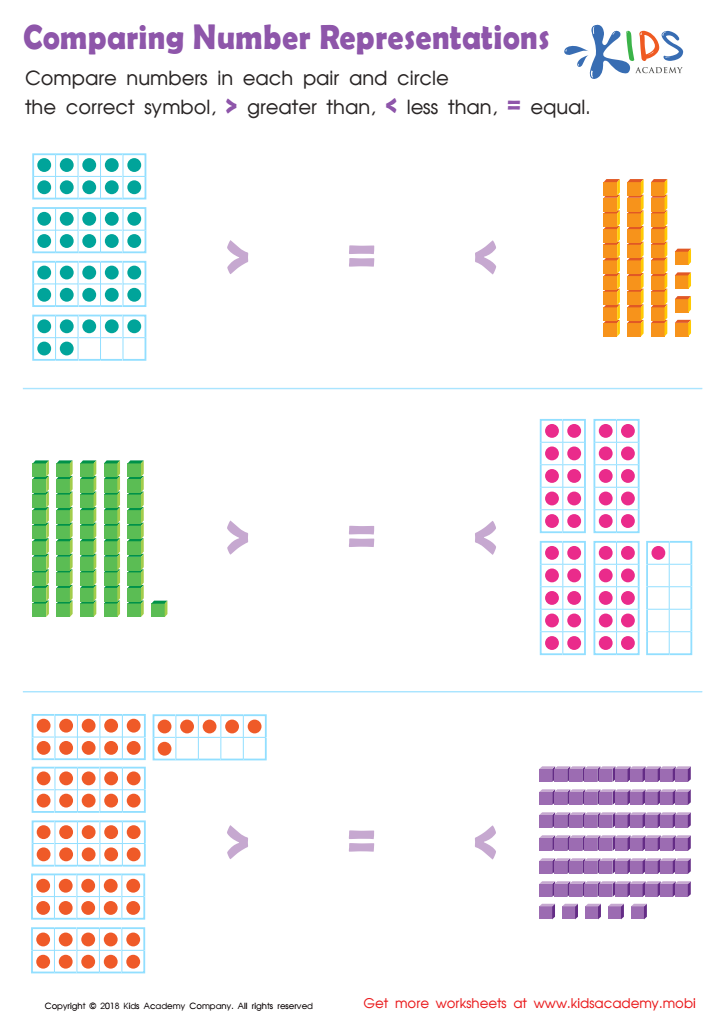
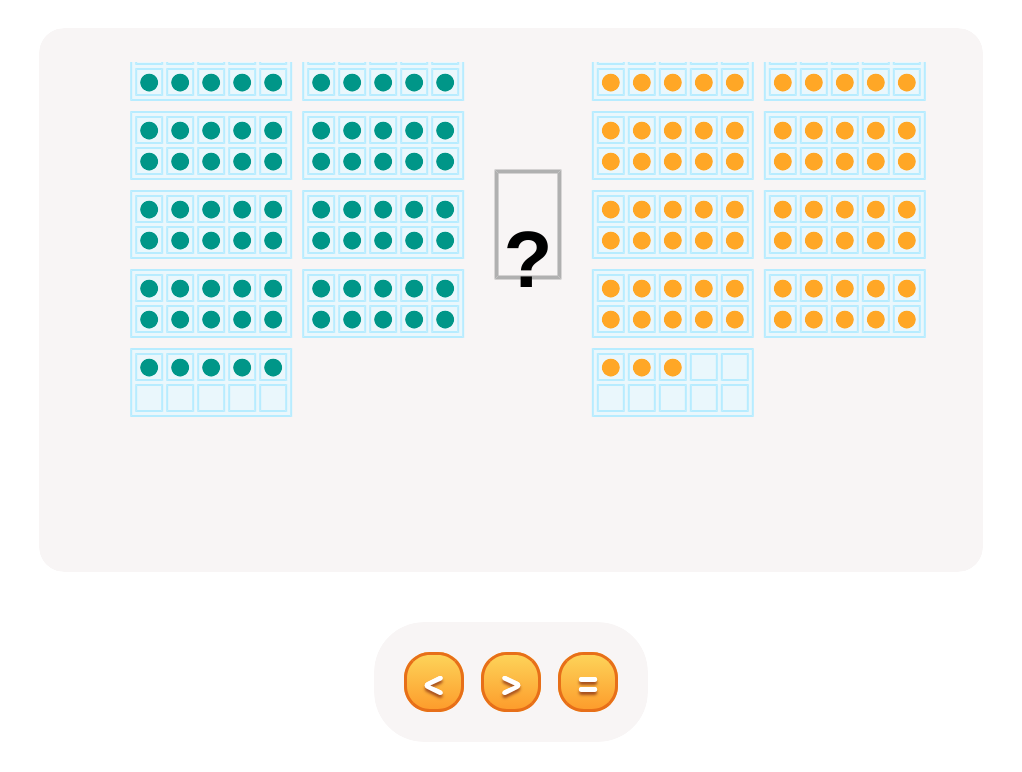
Comparing Number Representations Worksheet
 Assign to My Students
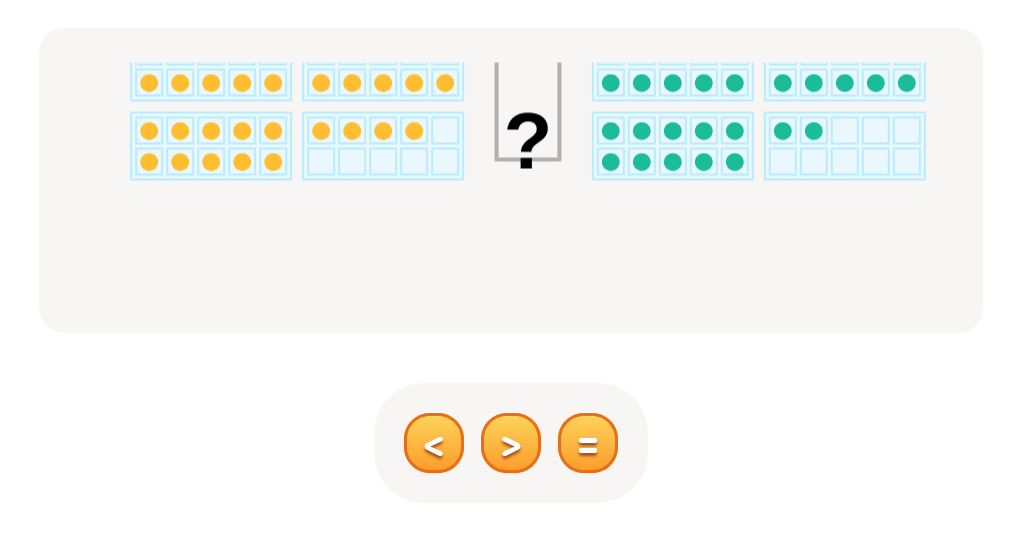

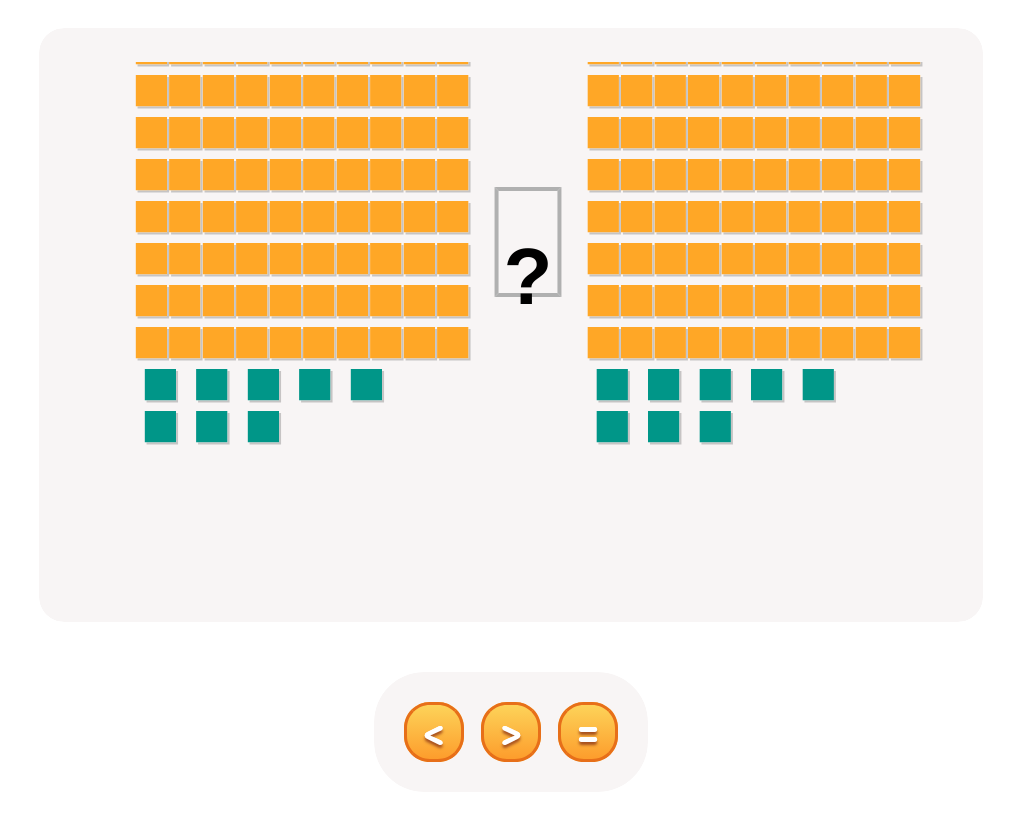
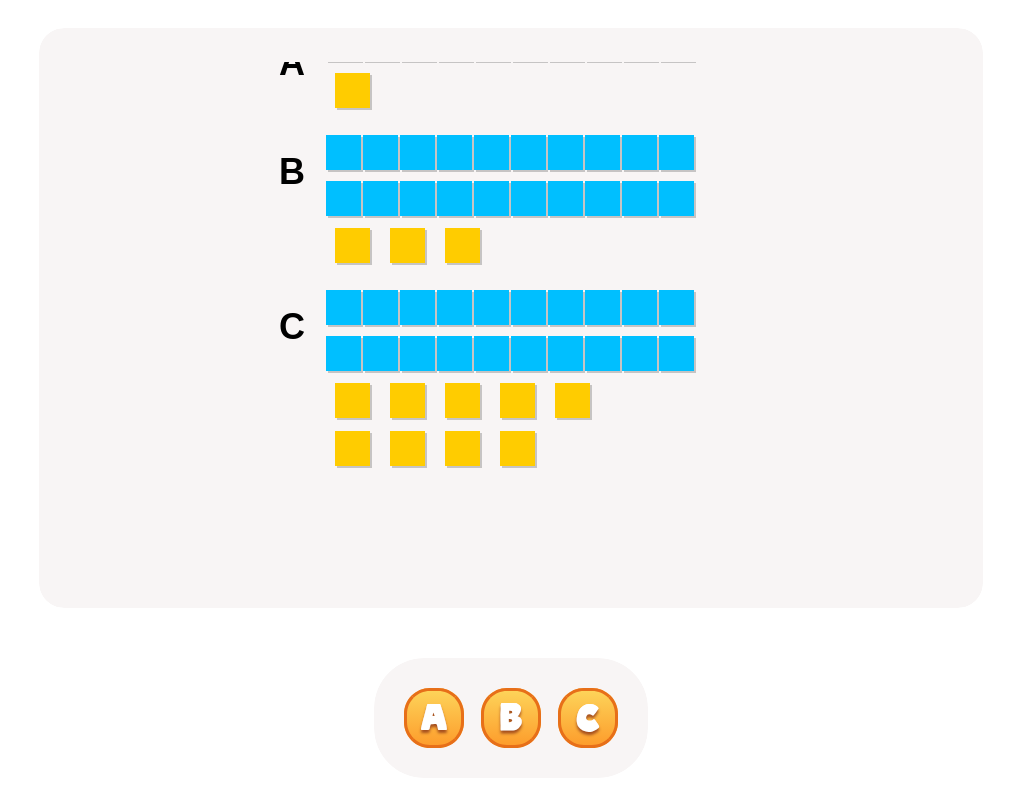
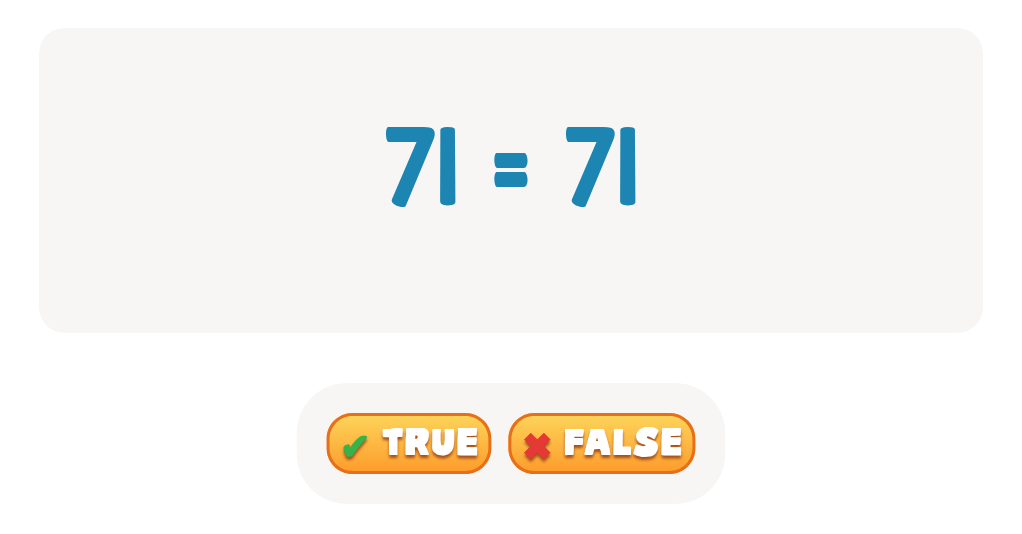
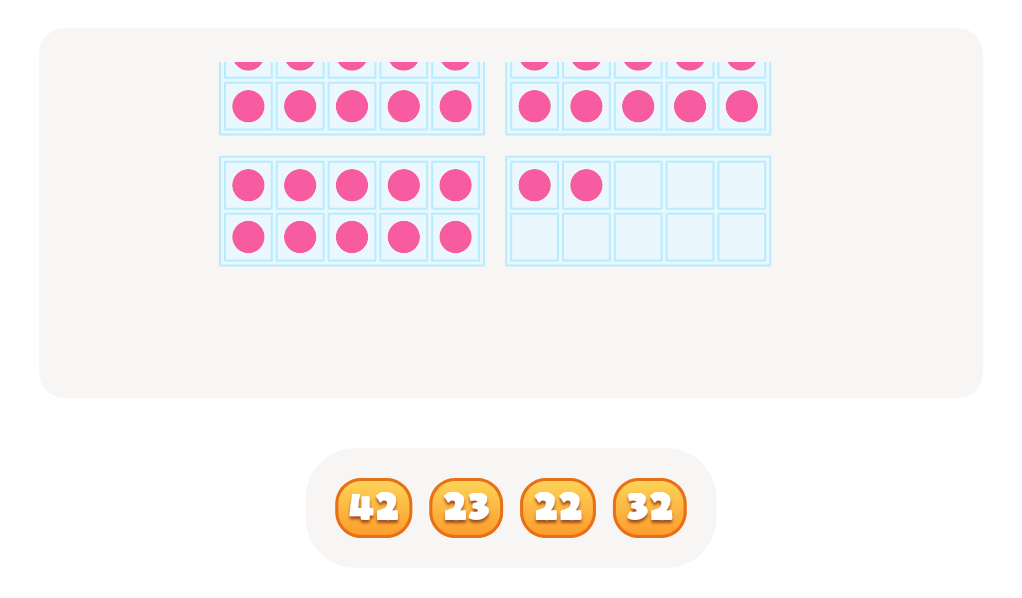
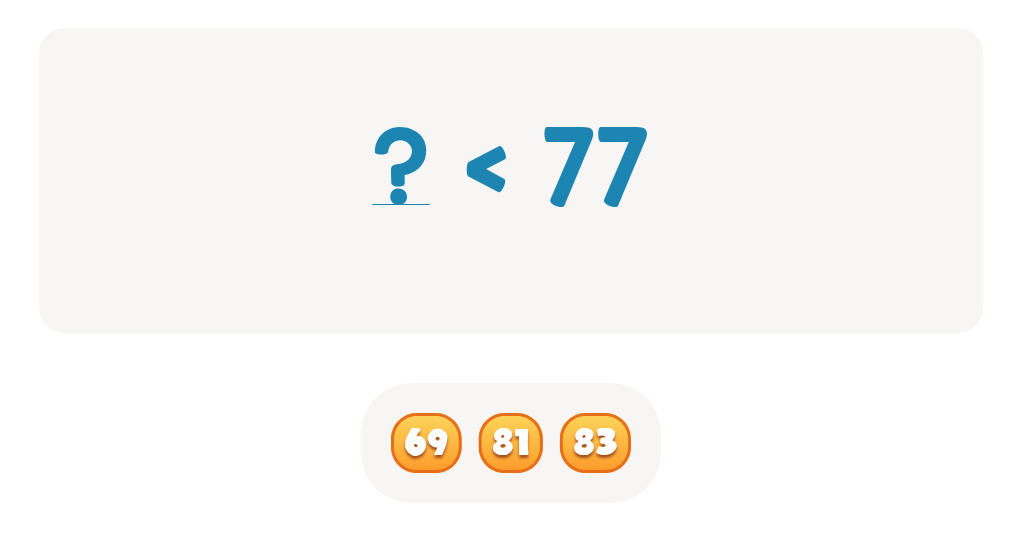
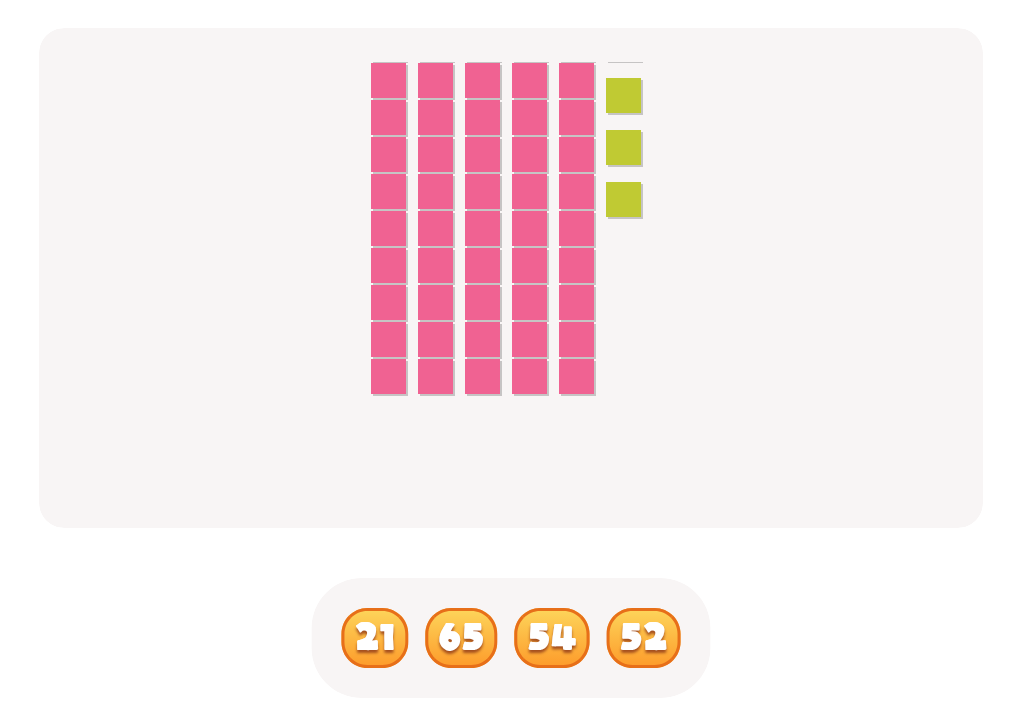
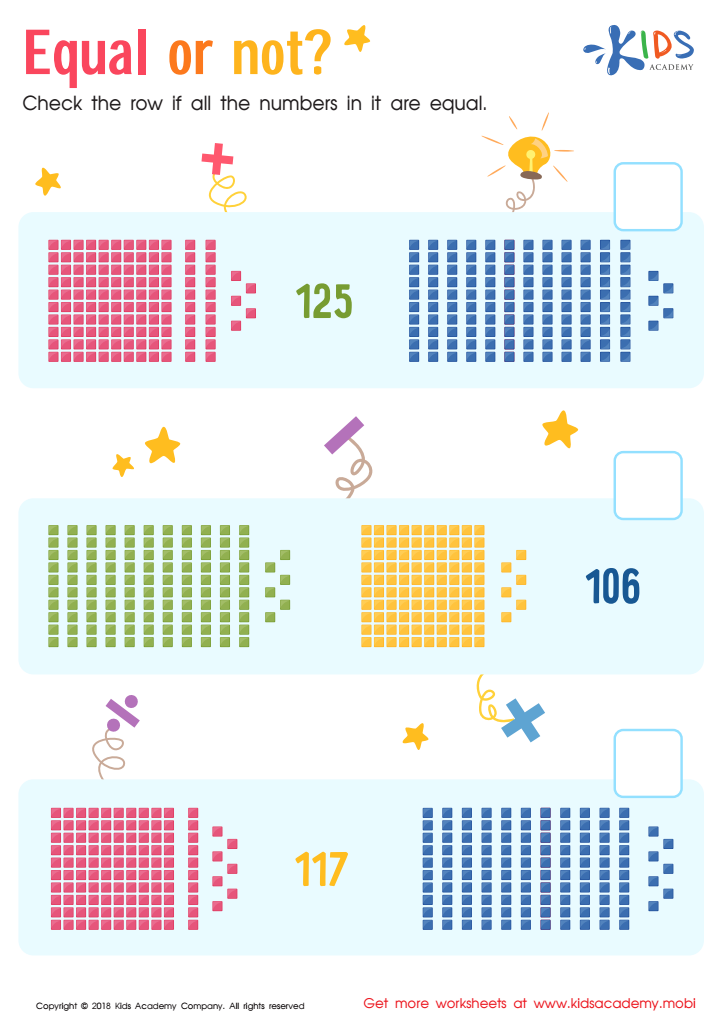
Equal or not Worksheet
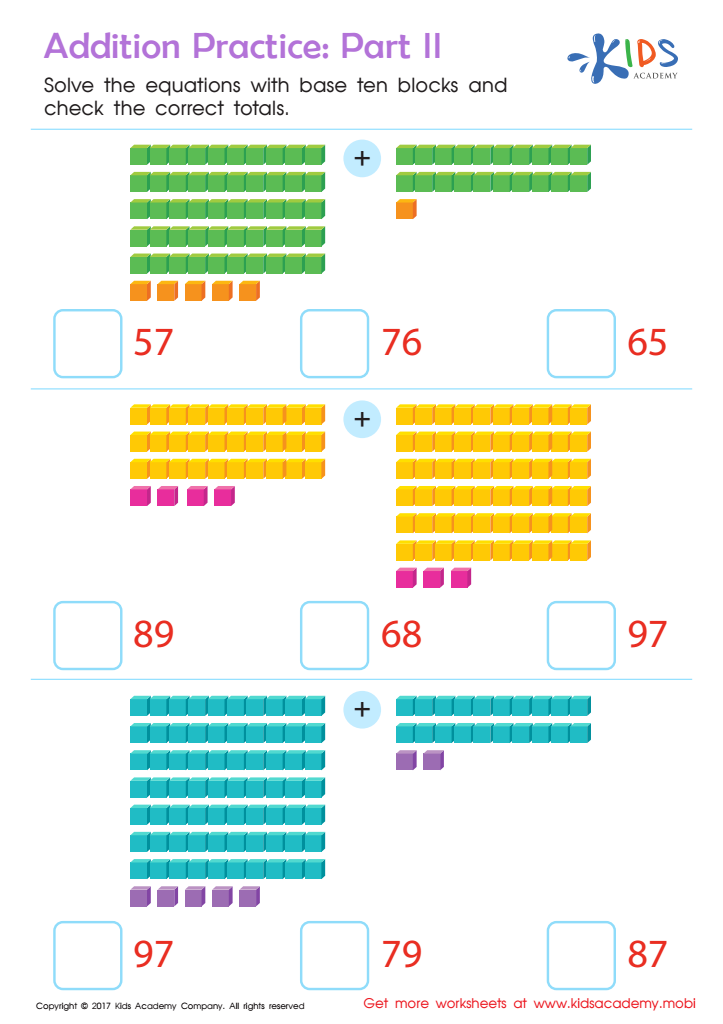
Addition Practice Sheet: Part 2
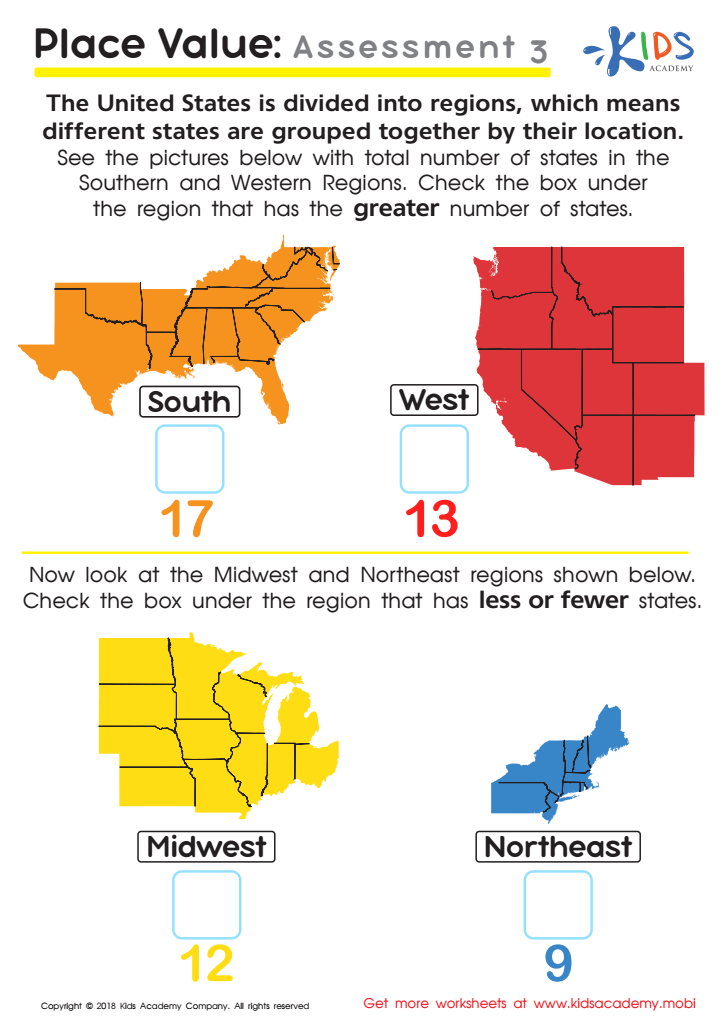
Place Value: Assessment 3 Worksheet
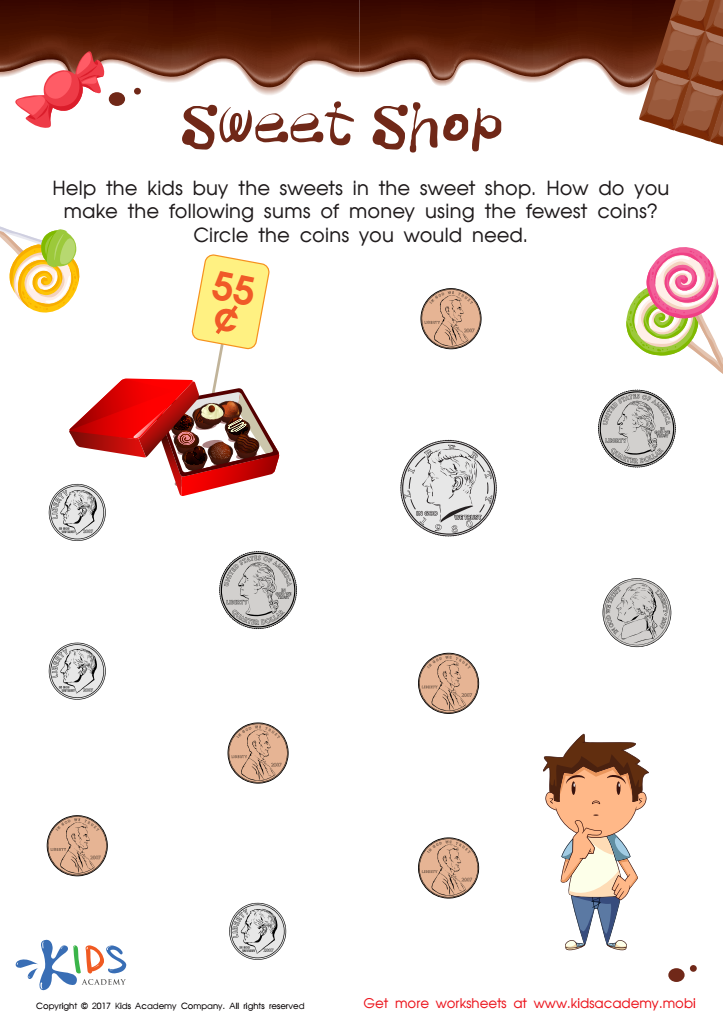
Sweet Shop – Counting Coins Worksheet








Basic math skills, particularly place value, serve as the foundation for a child's entire mathematical journey. Teachers and parents should recognize the importance of place value for children ages 4-8 because it unlocks a deeper understanding of mathematics beyond simple counting.
Place value helps children understand that the position of a digit in a number determines its value. For example, in the number 345, the digit 5 represents 5 ones, the digit 4 represents 4 tens (or 40), and the digit 3 represents 3 hundreds (or 300). This concept is crucial for mastering operations such as addition, subtraction, multiplication, and division, which require advanced place value understanding to properly execute.
Learned at an early stage, place value aids in mental math, making complex calculations more intuitive and less intimidating. Additionally, it serves as the foundation for understanding decimals, fractions, and more advanced mathematical concepts encountered in older grades.
Fostering a strong grasp of place value in young learners sets them up for long-term success and instills confidence in their problem-solving and mathematical reasoning abilities. It rectifies misconceptions early, supports number sense, and allows for smoother transitions to more difficult mathematical tasks. Essentially, attention to place value equips children with tools for academic achievement and everyday problem-solving skills, proving its fundamental role in their educational and developmental growth.