Develop critical thinking Building Vocabulary Worksheets for Ages 4-8
4 filtered results
-
From - To
Discover our engaging "Develop Critical Thinking Building Vocabulary Worksheets" designed for children ages 4-8. These carefully crafted resources encourage young learners to enhance their vocabulary while sharpening their critical thinking skills. Each worksheet combines fun activities with age-appropriate challenges, enabling kids to draw connections, make inferences, and think independently. With colorful illustrations and interactive exercises, children will not only expand their word bank but also learn to analyze and evaluate information creatively. Perfect for classrooms or at-home learning, our worksheets provide a stimulating environment for cognitive development. Empower your child’s learning journey today with our engaging and educational materials!
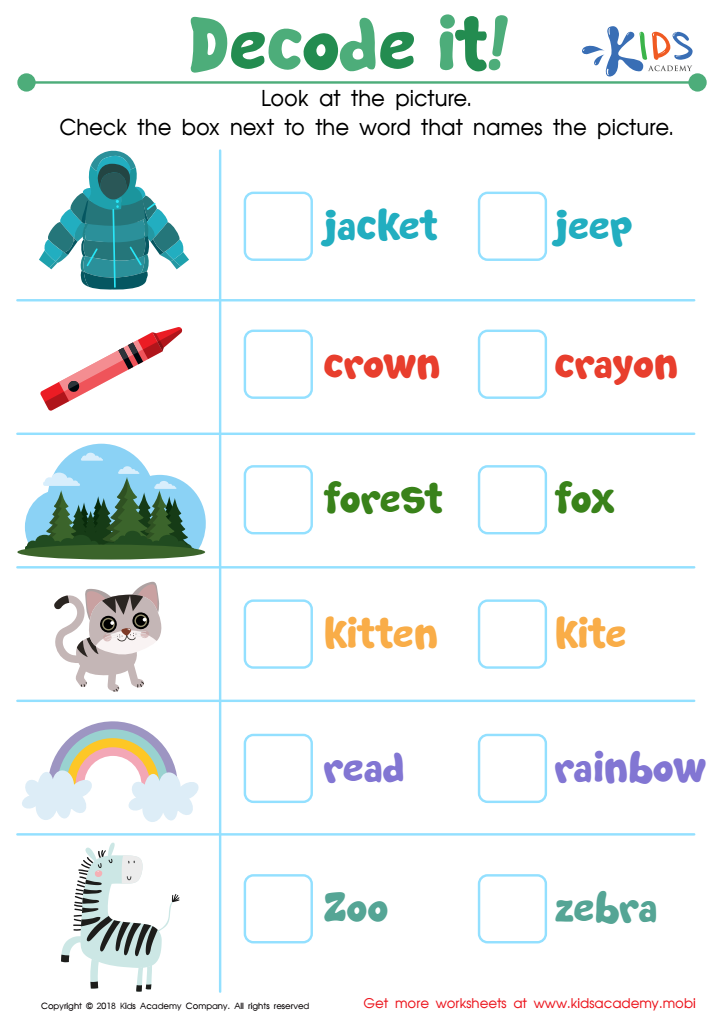
Reading: Decode It Worksheet
 Assign to My Students











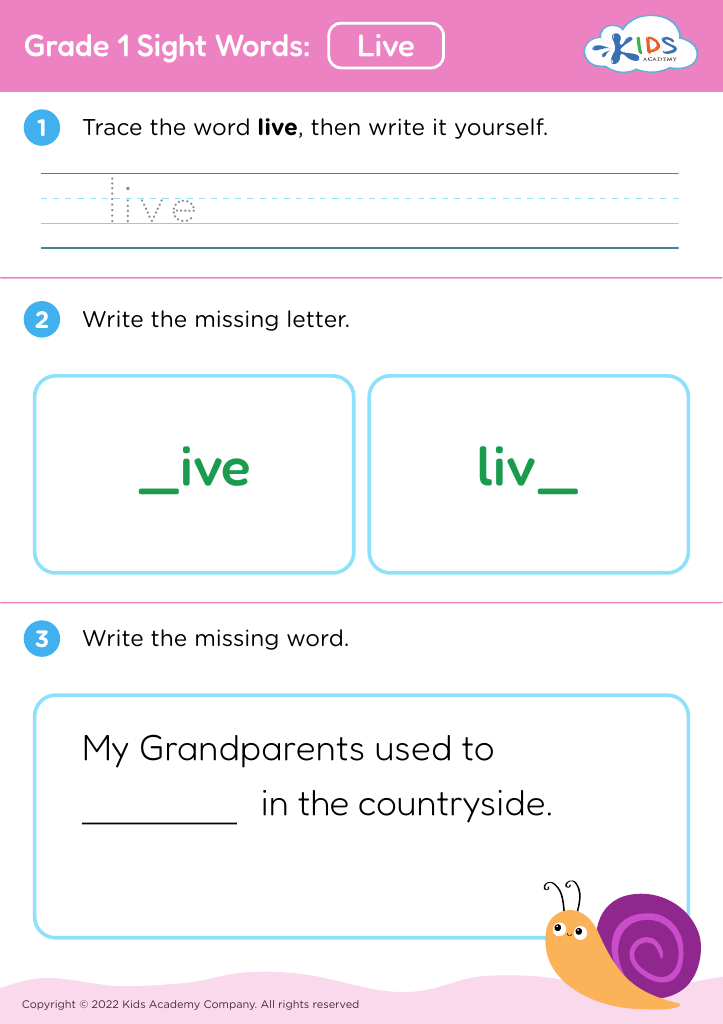
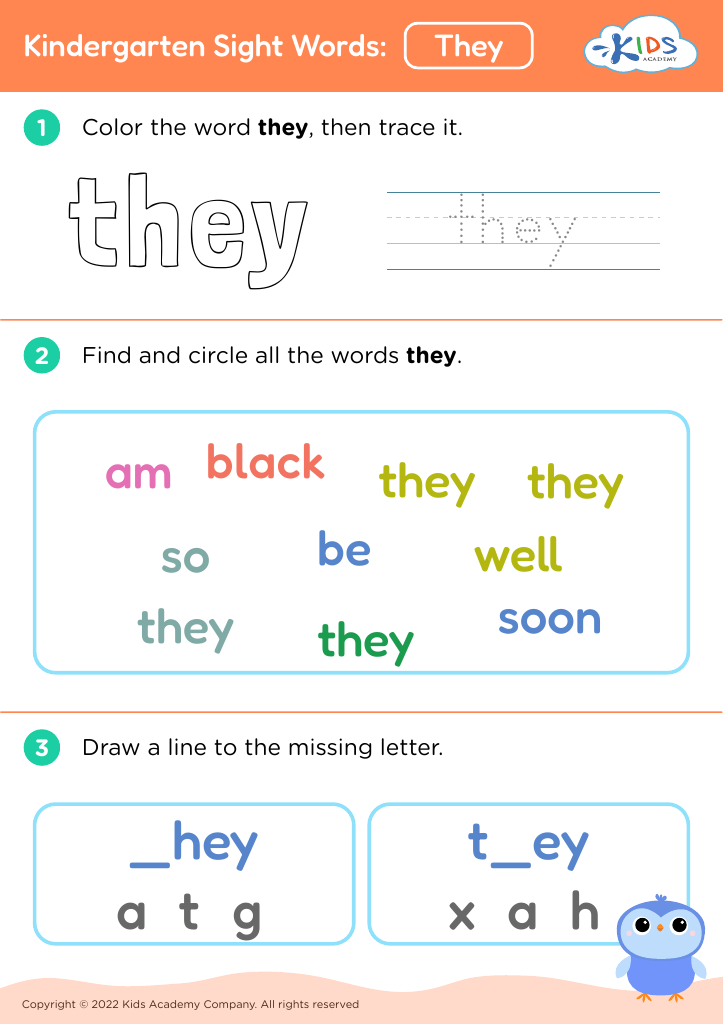
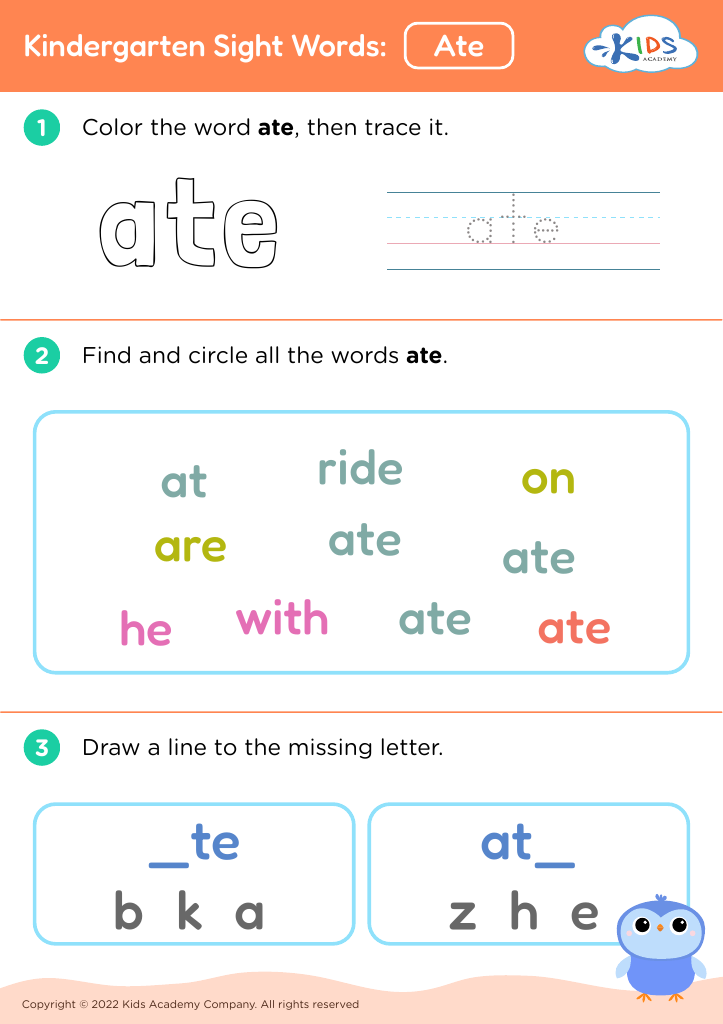








Developing critical thinking and vocabulary skills for children aged 4-8 is vital for their overall growth and future success. For parents and teachers, nurturing critical thinking helps children learn to analyze, evaluate, and solve problems effectively. It encourages them to ask questions, reason logically, and consider multiple perspectives, which are essential skills in an increasingly complex world.
Expanding vocabulary in early learners enhances communication skills, enabling them to express their thoughts and feelings clearly. A rich vocabulary also improves reading comprehension, as children can better understand the material they encounter. With a strong vocabulary, children develop confidence in their language abilities, leading to effective participation in conversations and academic settings.
Moreover, vocabulary building and critical thinking are interrelated. As children learn new words, they give themselves the tools to understand and develop ideas, fostering greater cognitive abilities. Early intervention in these areas leads to robust literacy skills, improved academic performance, and enhanced social interactions.
Ultimately, parents and teachers investing time and resources in promoting critical thinking and vocabulary development equip children with lifelong skills that support not just academic success, but also their capacity to contribute meaningfully to society.








