Identifying shapes Building Vocabulary Worksheets for Ages 4-8
10 filtered results
-
From - To
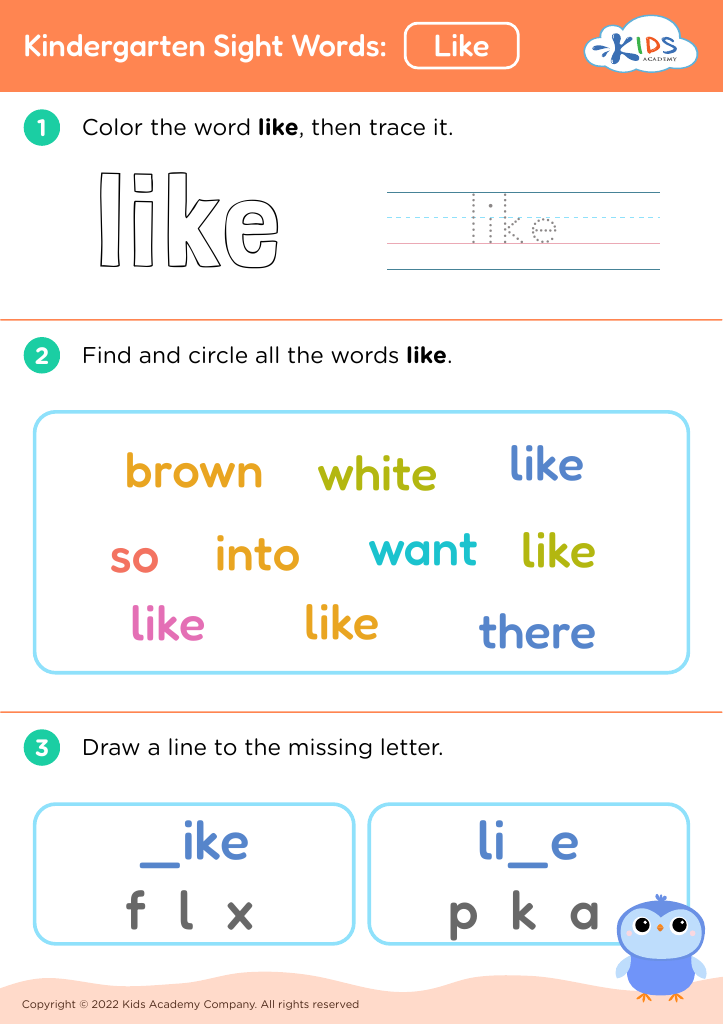
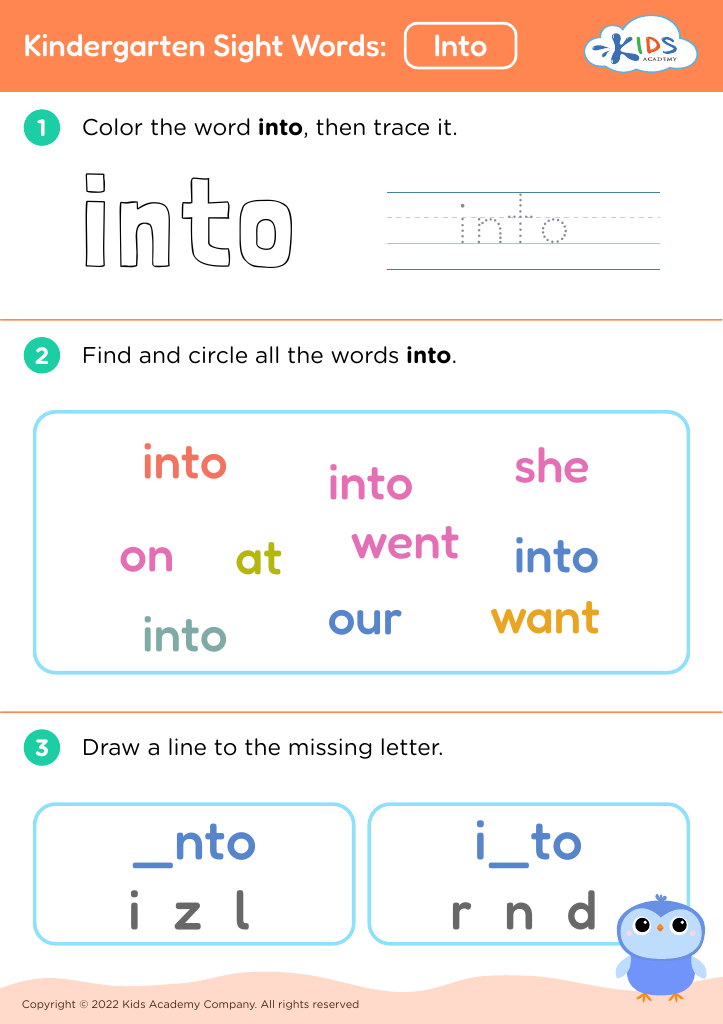
Enhance your child's learning experience with our "Identifying Shapes Building Vocabulary Worksheets" designed specifically for ages 4-8. These engaging worksheets help young learners develop essential skills by introducing them to various shapes and their properties. Through fun activities, children will improve their vocabulary while building critical thinking and observation skills. Each worksheet is crafted to promote visual recognition and understanding of geometric concepts in a playful and interactive manner. Perfect for homeschooling, the classroom, or supplementary practice, these resources will inspire your child to explore the world of shapes while having fun. Download now and watch their confidence grow!


















.jpg)
Identifying shapes and building vocabulary are crucial foundational skills for children ages 4-8. These early learning activities play a significant role in cognitive development and creativity. Understanding shapes helps children recognize and categorize the world around them, promoting spatial awareness, which is essential for problem-solving and mathematical reasoning. When children identify shapes, they develop the ability to observe, compare, and think critically about their environment.
Conversely, building vocabulary enhances language skills, allowing children to express themselves clearly and understand others better. A rich vocabulary supports reading comprehension and fosters effective communication, both of which are vital for academic achievement. As children learn names and descriptions of shapes, they expand their language skills while making important connections between words and visual objects.
Moreover, incorporating shape recognition and vocabulary development into play encourages collaboration and interaction among peers and adults. It creates opportunities for social engagement, fostering essential interpersonal skills. For parents and teachers, prioritizing these learning experiences contributes to well-rounded development, preparing children for future educational challenges while building their confidence and curiosity about the world around them. By nurturing these skills early on, adults lay the groundwork for lifelong learning and exploration.








