
Understanding patterns Building Vocabulary Worksheets for Ages 4-8
8 filtered results
Difficulty Level
Grade
Age
-
From - To
Subject
Activity
Standards
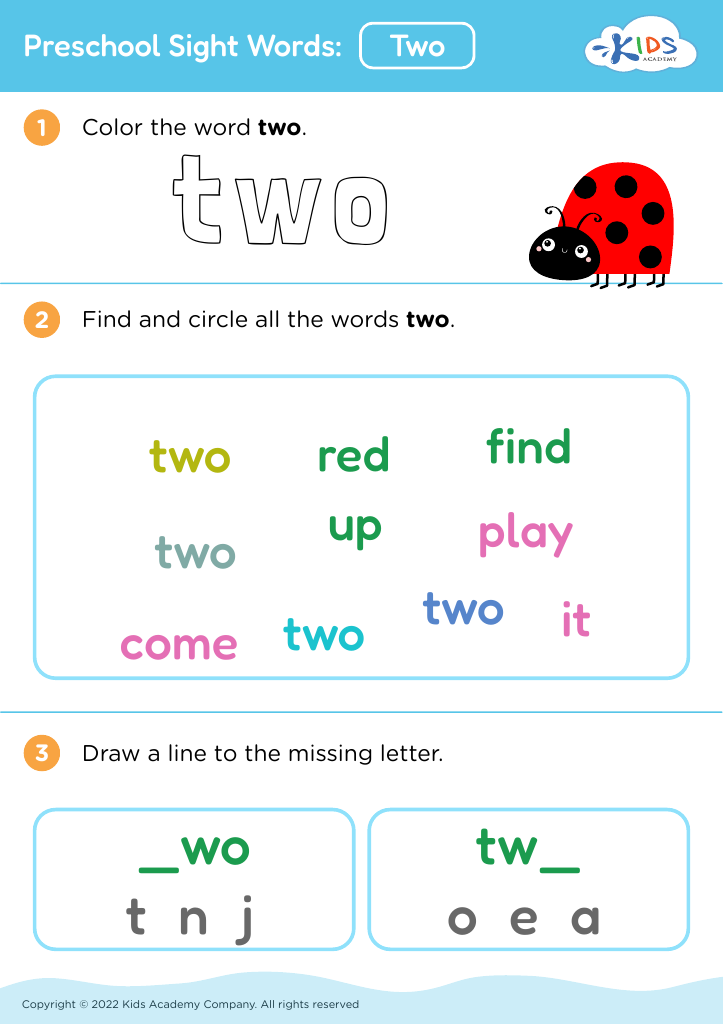
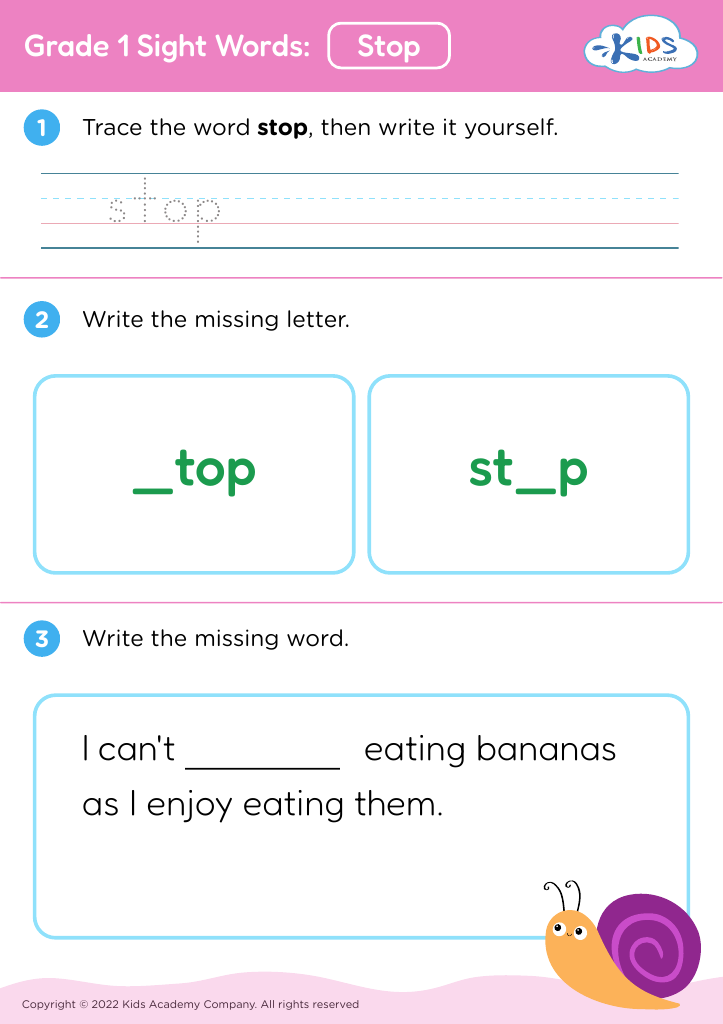
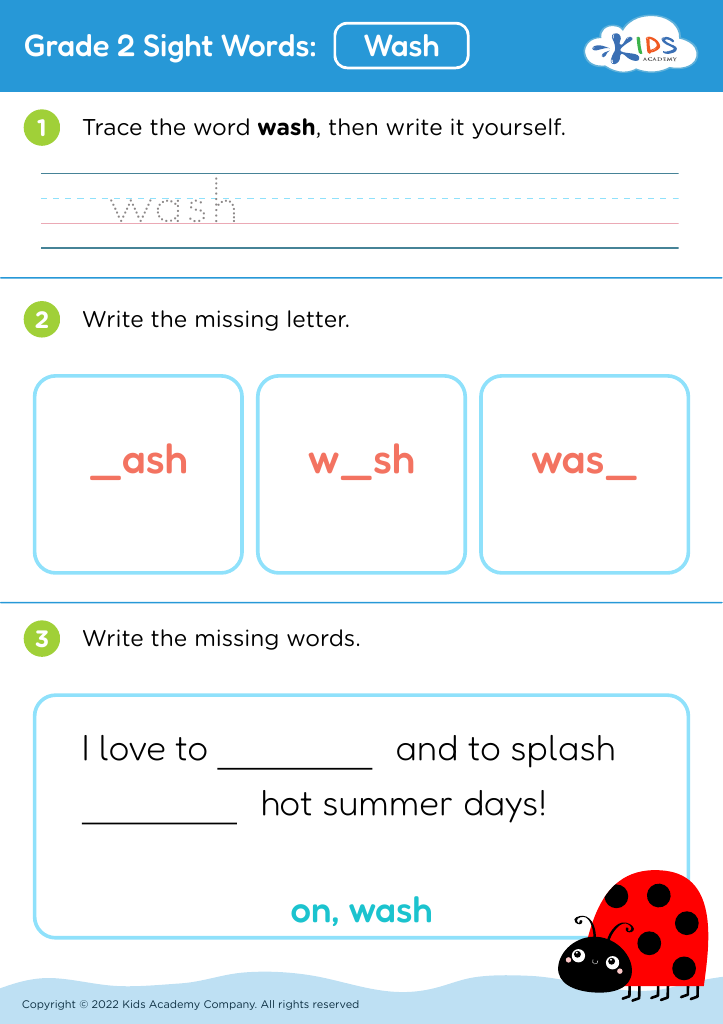
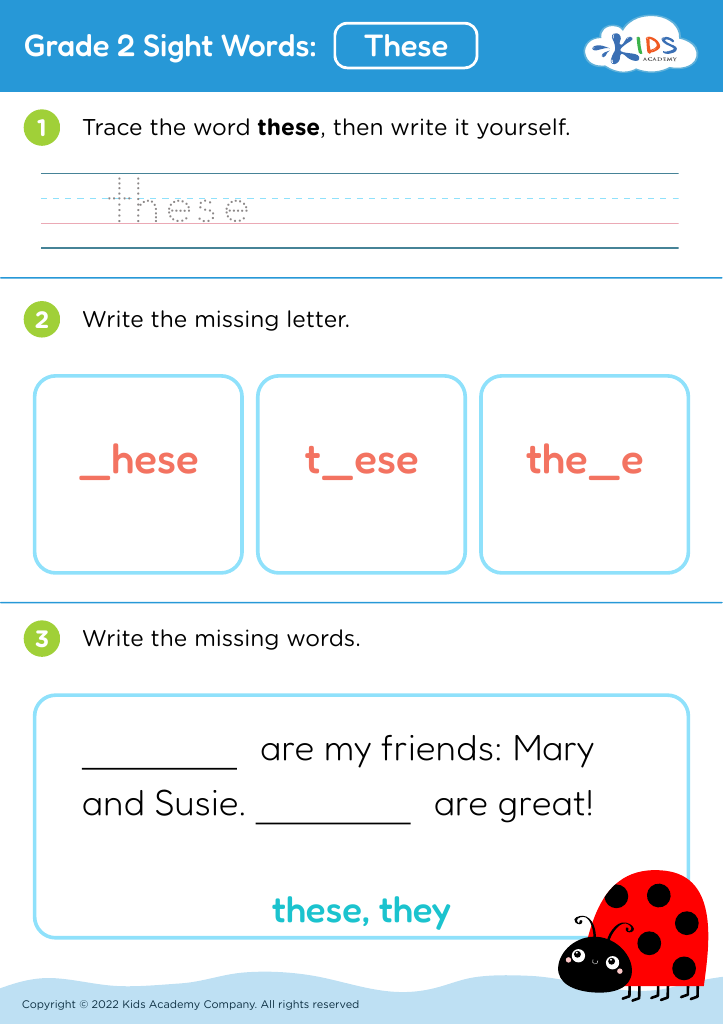
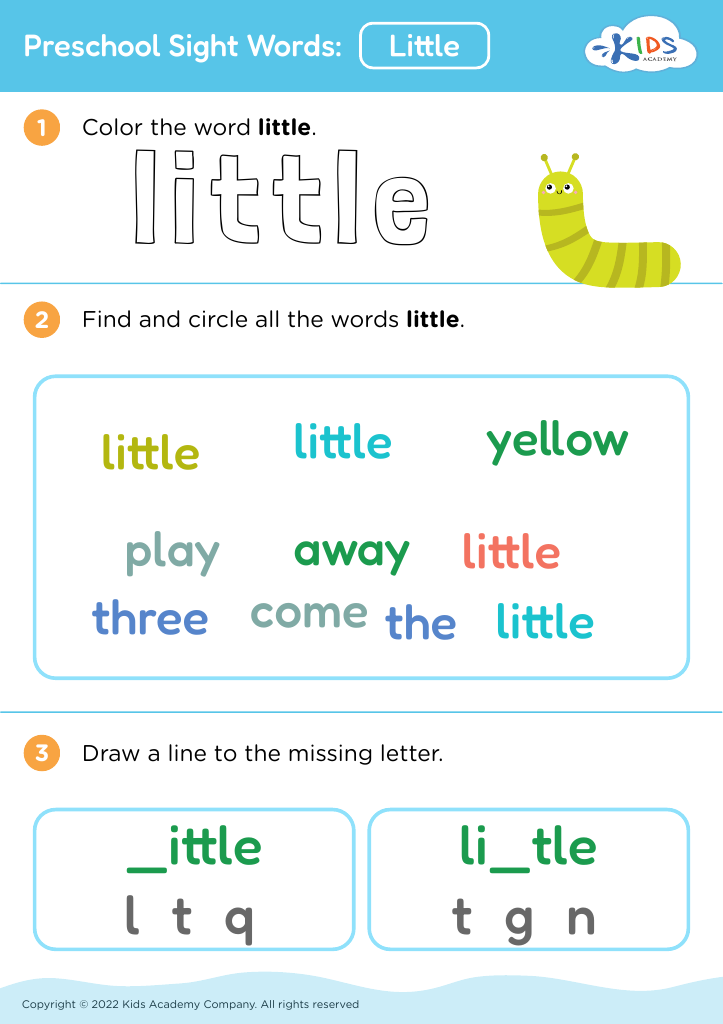
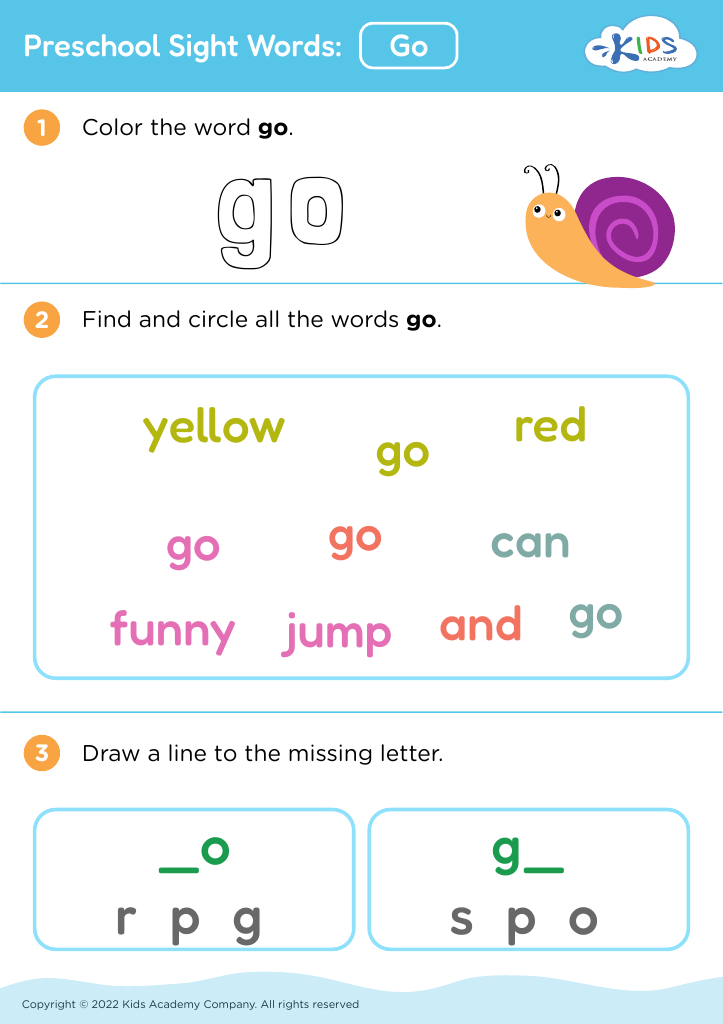
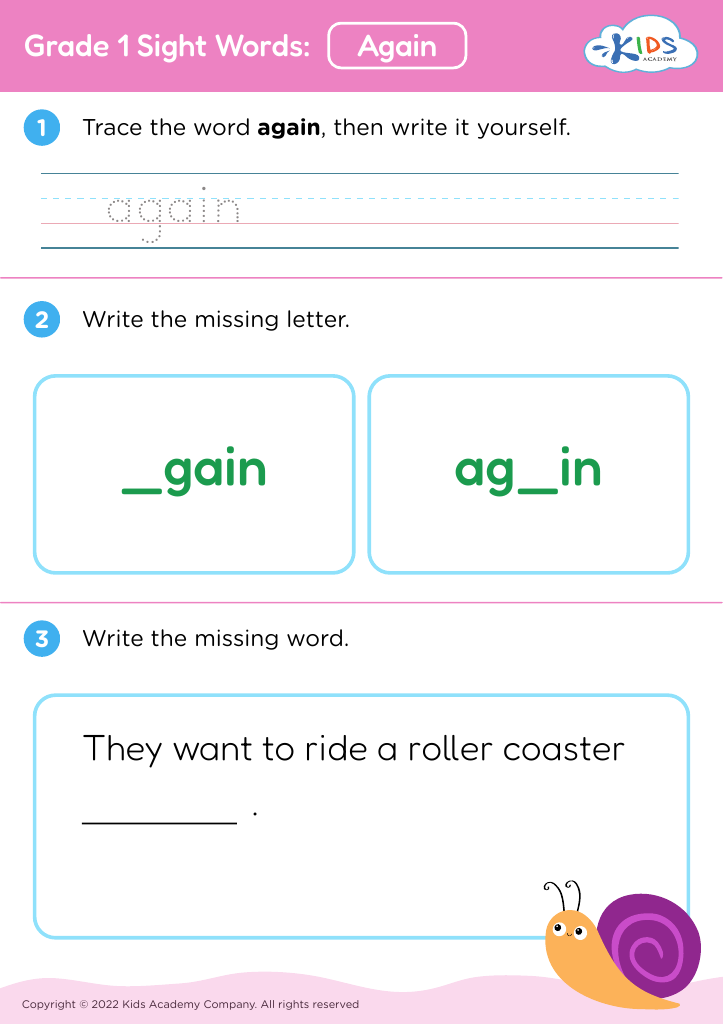
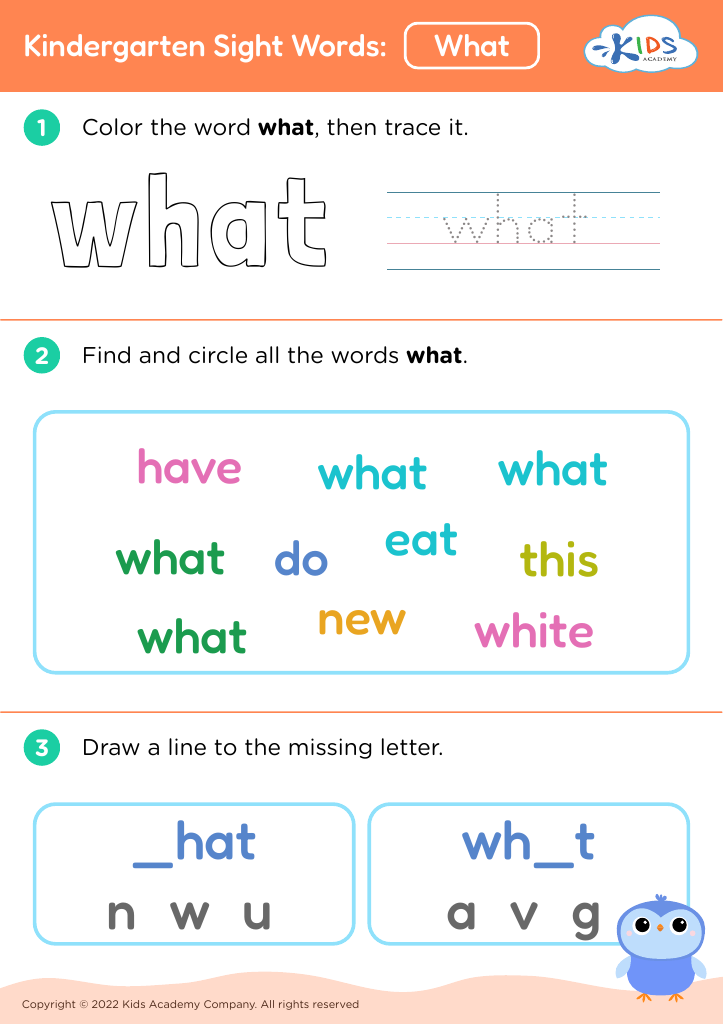
Introducing our "Understanding Patterns: Building Vocabulary Worksheets for Ages 4-8", these engaging resources are designed to help young learners enhance their vocabulary through recognizing and creating patterns. Tailored for children between the ages of 4 and 8, these worksheets combine fun, interactive exercises that facilitate language development and critical thinking skills. Through colorful illustrations and creative tasks, kids will learn to identify links between words, boosting their comprehension and usage of new vocabulary. Equip your child with essential literacy skills and foster a solid linguistic foundation with our expertly crafted materials. Start your journey to effective learning today!
Favorites
With answer key
Interactive











Join Kids Academy for Free
Who is primarily going to use this learning content?



.jpg)




Understanding patterns and building vocabulary are foundational skills that significantly impact a child’s early development. During the ages of 4 to 8, children’s brains are remarkably receptive to learning, making this a critical period for nurturing key cognitive abilities.
First, recognizing patterns plays an essential role in developing mathematical thinking. Patterns help children understand and predict logical sequences, which are fundamental skills in math and science. Activities like sorting and sequencing enable kids to recognize relationships and make sense of numbers, shapes, and more complex ideas as they grow.
Building vocabulary goes hand-in-hand with cognitive and social development. A robust vocabulary enhances communication skills, allowing children to express thoughts, ask questions, and engage in meaningful conversations. Early vocabulary skills are directly linked to reading comprehension and academic success in later years. The more words a child understands, the better they can grasp new concepts and follow instructions, contributing to a smoother and more effective learning process.
Moreover, both skills are crucial for problem-solving and critical thinking. Encouraging pattern recognition and vocabulary expansion at an early age not only fosters academic growth but also boosts confidence and curiosity, laying a strong foundation for lifelong learning and intellectual adaptability. Hence, parents and teachers must prioritize these areas to support holistic childhood development.








