Critical thinking skills Sight Words Worksheets for Ages 4-8
3 filtered results
Difficulty Level
Grade
Age
-
From - To
Subject
Activity
Standards
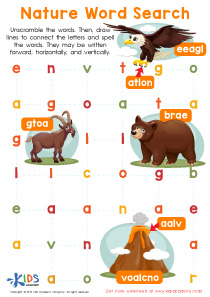
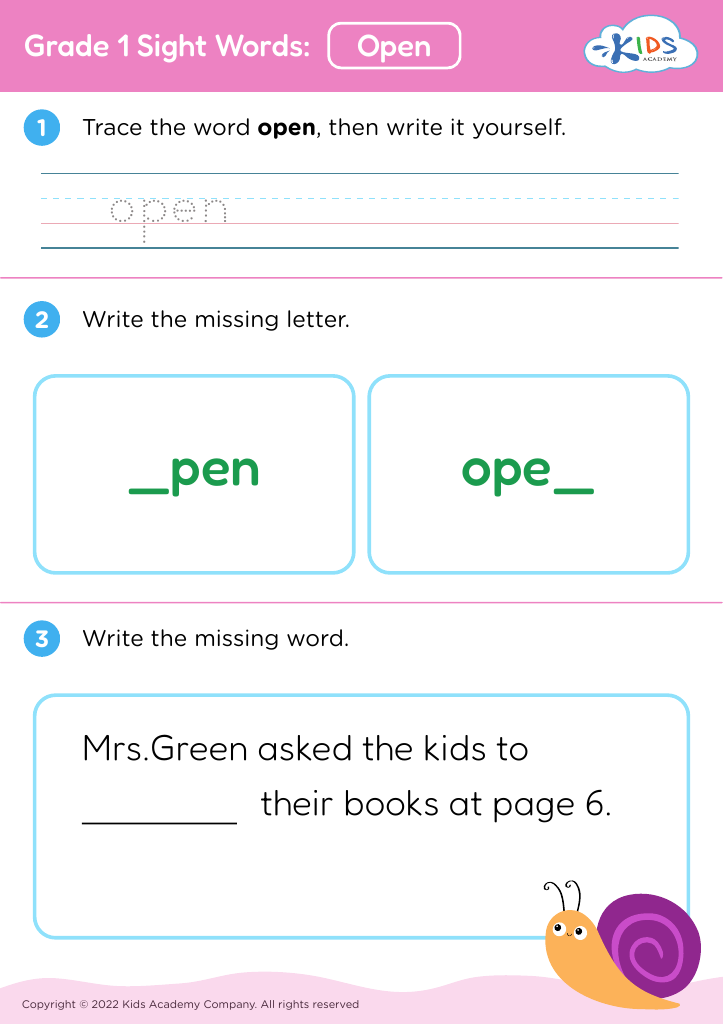
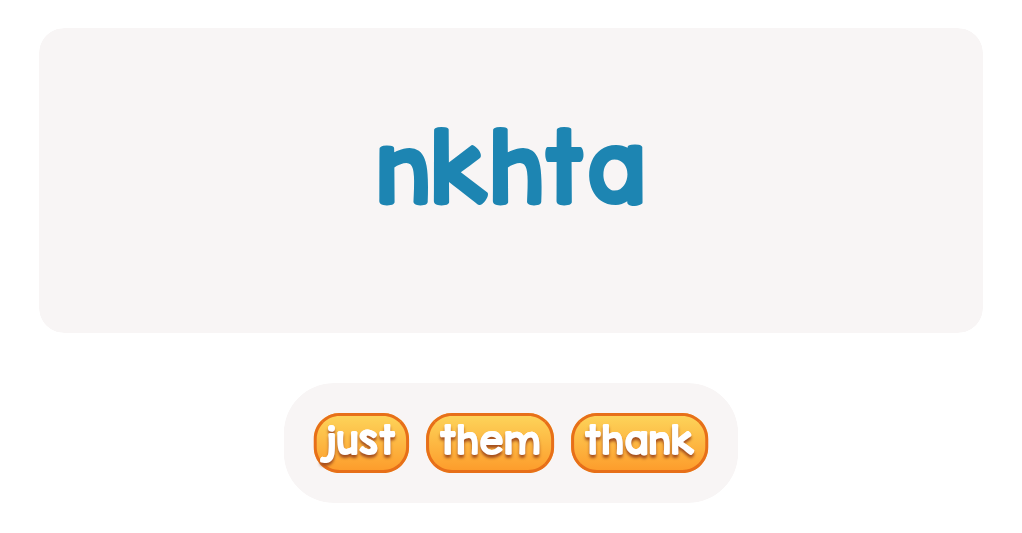
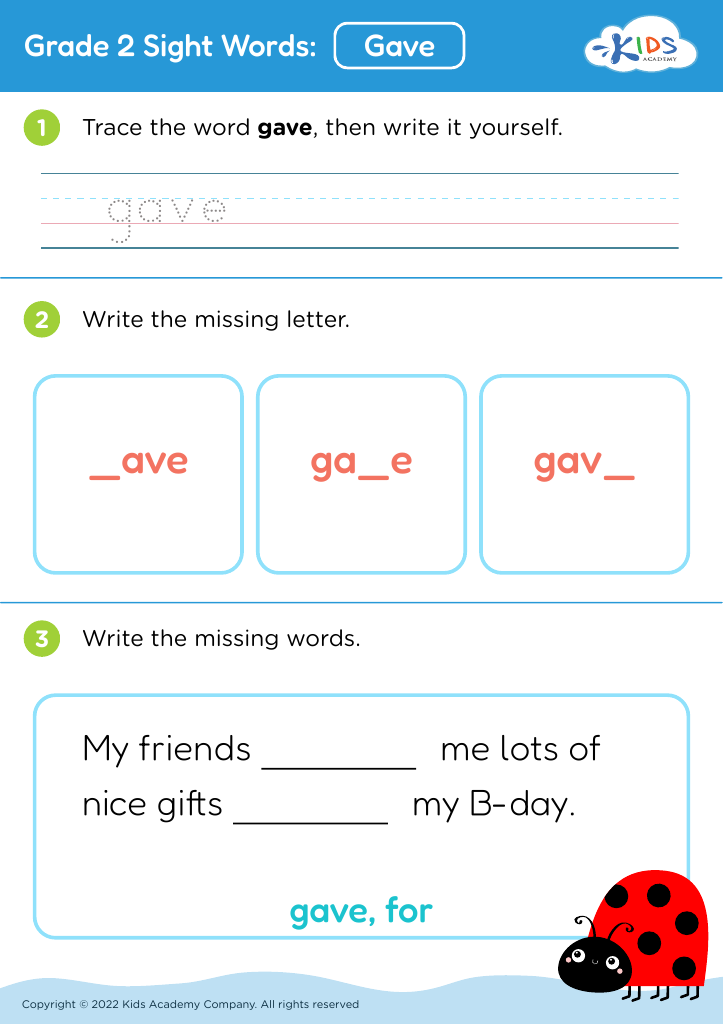
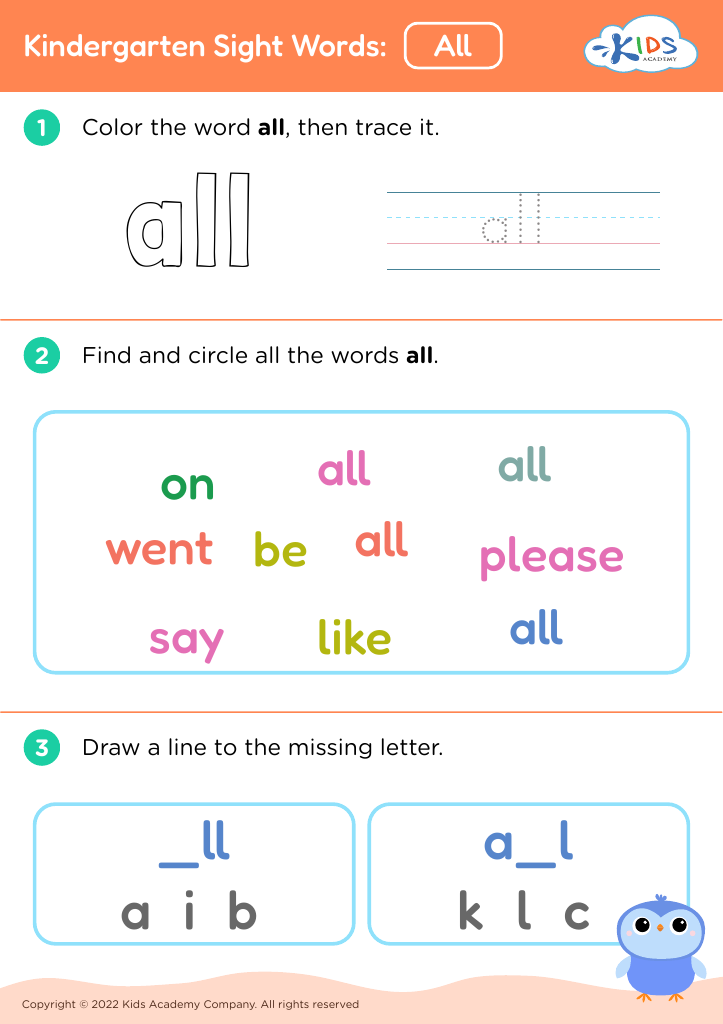
Enhance young minds with our Critical Thinking Skills Sight Words Worksheets designed for ages 4-8. These engaging and educational printables focused on reading and sight words will help your child develop crucial critical thinking abilities. Each activity emphasizes recognizing and understanding sight words while encouraging analytical and problem-solving skills. Perfect for home or classroom use, our worksheets offer a fun and effective way to boost reading proficiency and cognitive development. Start your child's learning journey today with these thoughtfully crafted resources that foster a love for reading and sharpen critical thinking skills.
Favorites
With answer key
Interactive




Join Kids Academy for Free
Who is primarily going to use this learning content?








Parents and teachers should care about critical thinking skills and sight words for children aged 4-8 because these foundational skills set the stage for lifelong learning and problem-solving abilities. Critical thinking involves the ability to analyze information, make reasoned judgments, and solve problems. When young children develop these skills early on, they become better at understanding and processing information, which enhances their overall cognitive development and academic success. This ability to think critically is crucial for navigating the complexities of everyday life and for making informed decisions.
On the other hand, sight words are essential for early reading and literacy. Sight words are high-frequency words that children are encouraged to recognize instantly without needing to decode them. Mastery of sight words improves reading fluency, which is the ability to read smoothly and efficiently. This fluency allows children to focus their mental energy on comprehending the material they read rather than on deciphering each word.
In combination, critical thinking and familiarity with sight words empower young learners to engage with texts more effectively and to think deeply about the content. By prioritizing these skills, parents and teachers help children build a strong academic foundation, equipping them with the tools they need to succeed in their educational journey and beyond.