Logical thinking Sight Words Worksheets for Ages 4-8
3 filtered results
Difficulty Level
Grade
Age
-
From - To
Subject
Activity
Standards
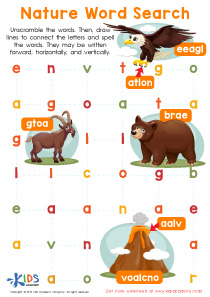
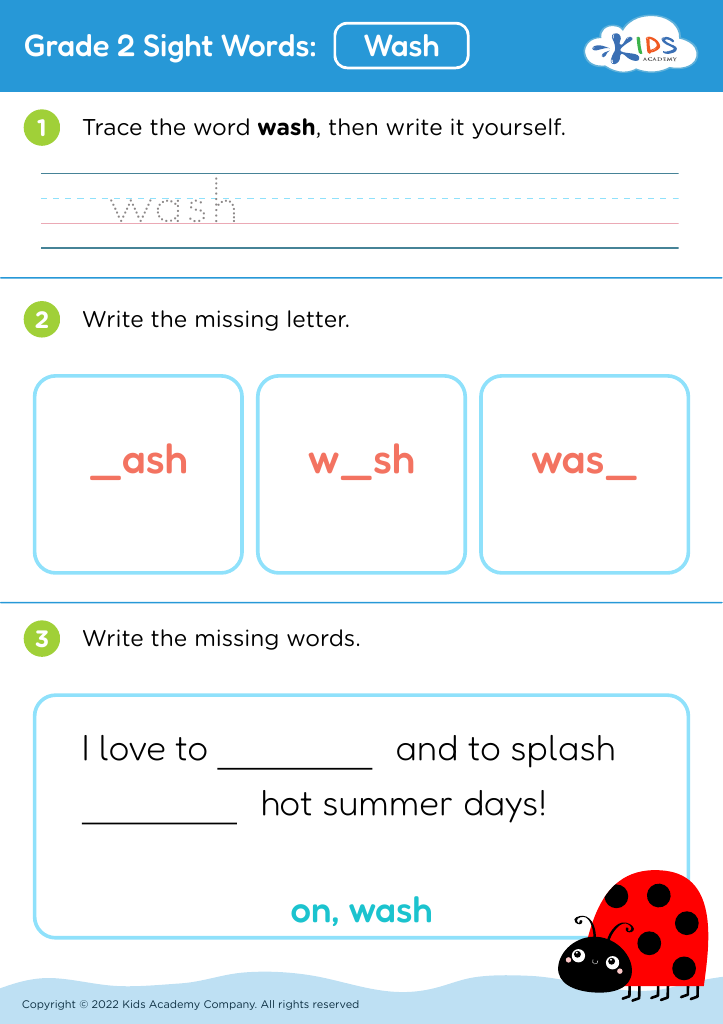
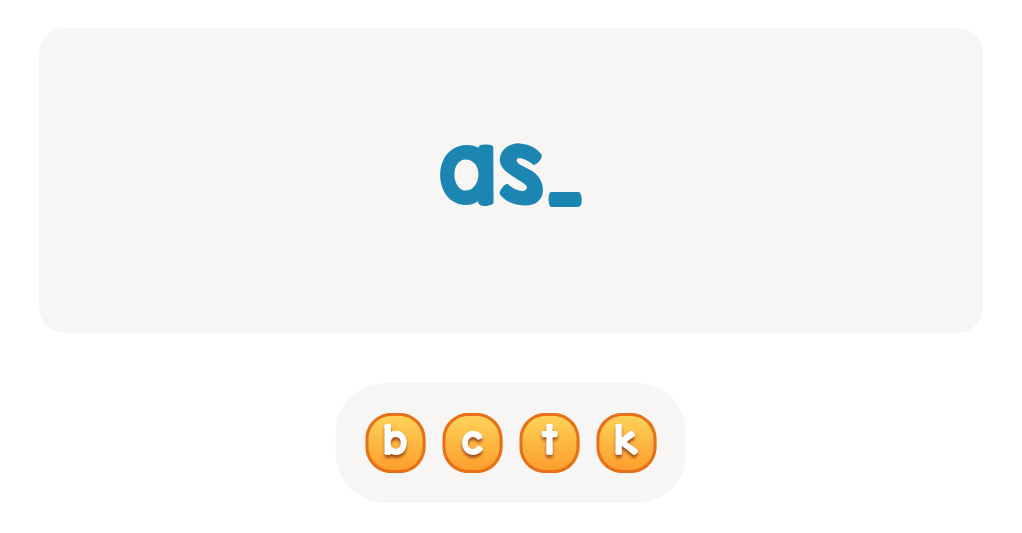
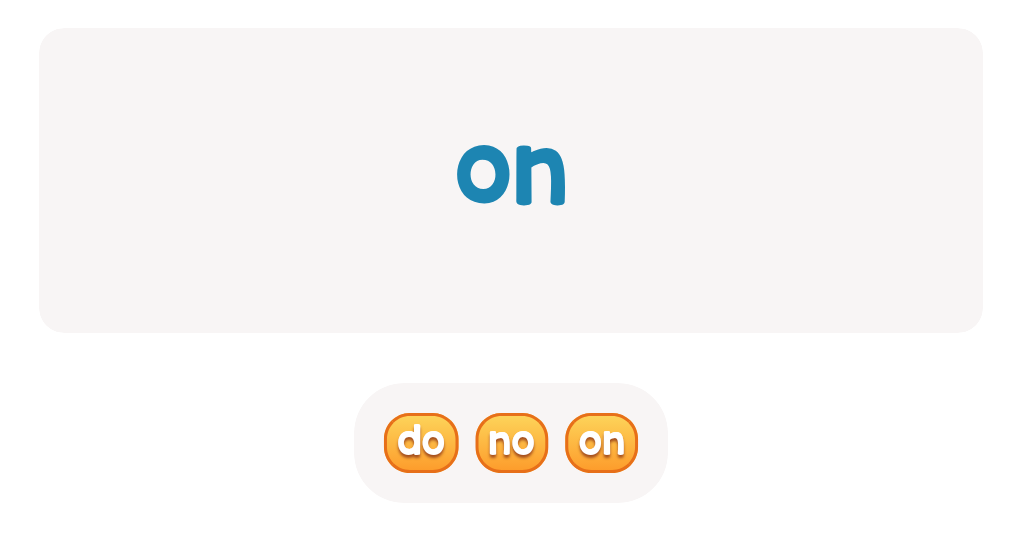
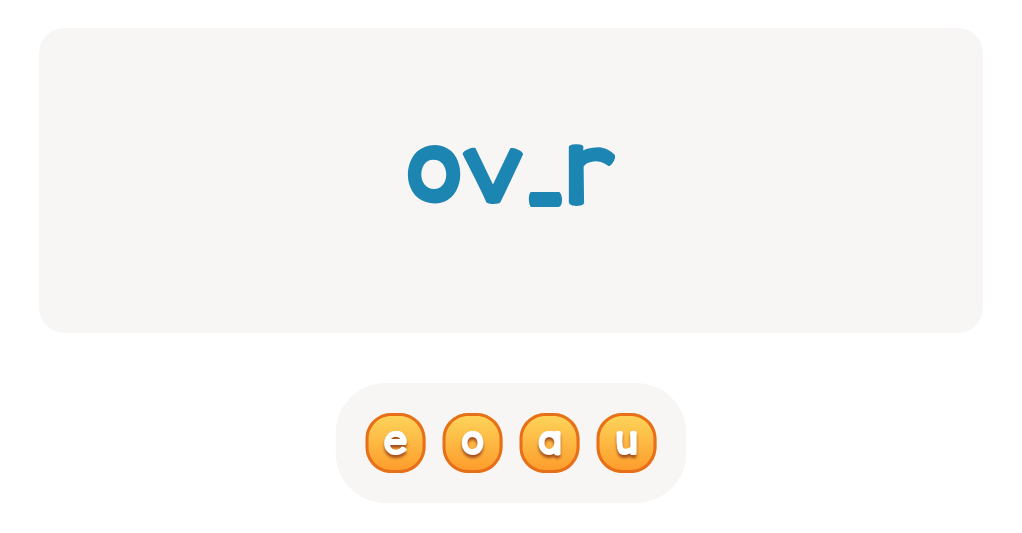
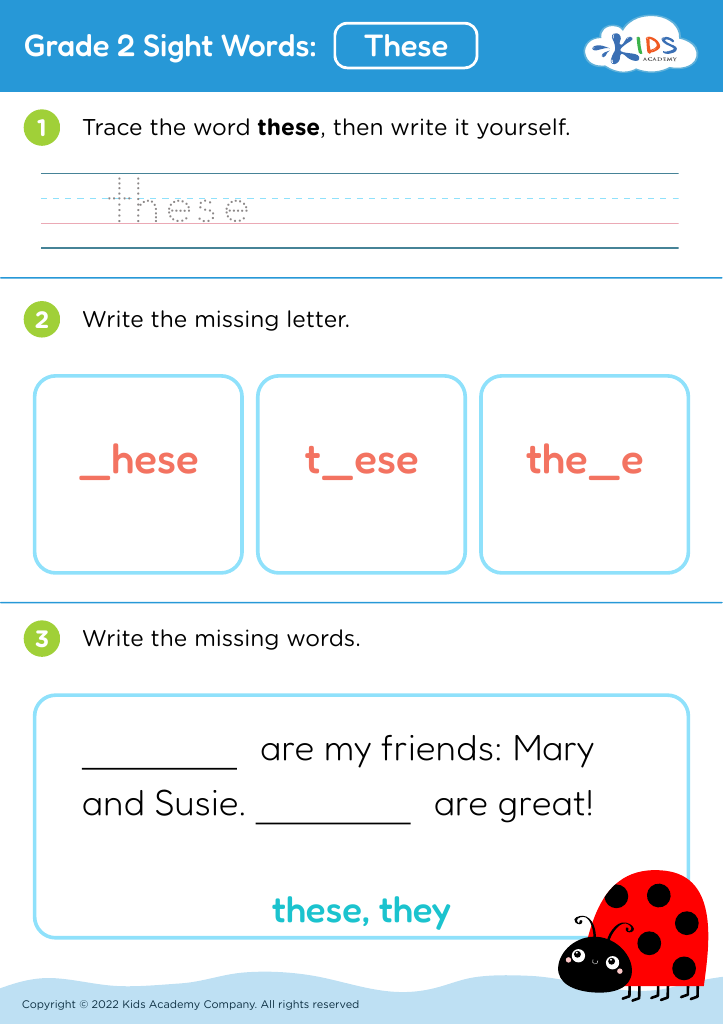
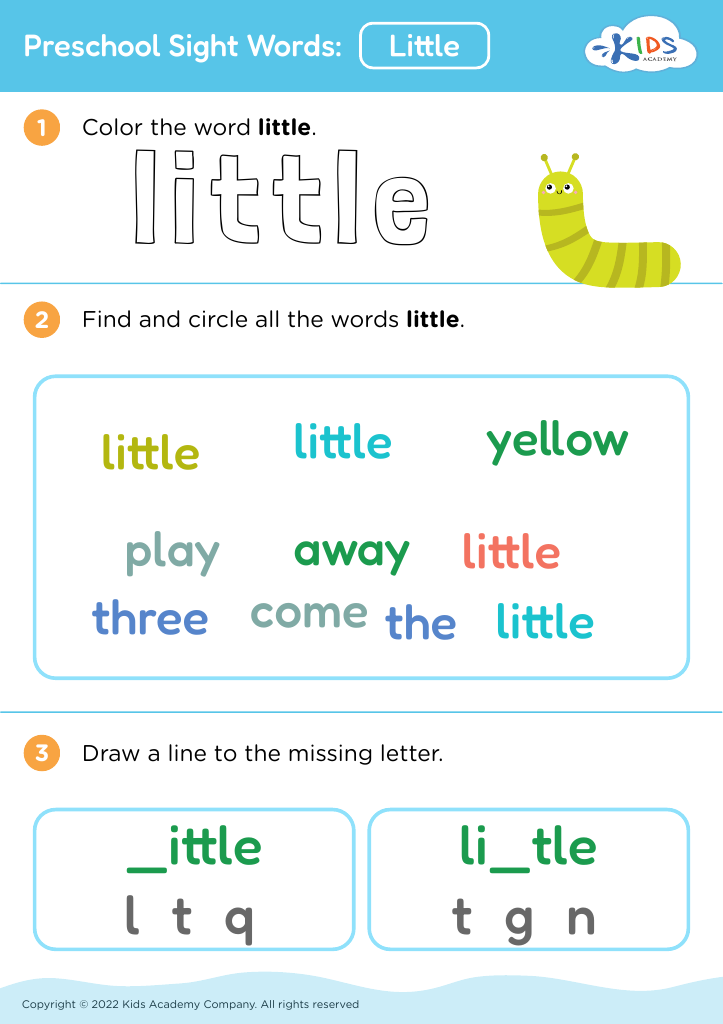
Enhance your child's reading and cognitive skills with our "Logical Thinking Sight Words Worksheets" specially designed for ages 4-8. These printable worksheets blend sight word recognition with fun, logic-based activities to boost learners' vocabulary and critical thinking. With engaging exercises tailored to young minds, children will practice reading common words while solving puzzles and challenges that stimulate logical reasoning. Perfect for both classroom and home use, these worksheets foster a love for learning and support educational development in a playful, interactive manner. Empower your child to thrive in reading and thinking logically with our expertly crafted resources.
Favorites
With answer key
Interactive




Join Kids Academy for Free
Who is primarily going to use this learning content?








Logical thinking sight words are essential tools in a child's cognitive and linguistic development, especially between the ages of 4-8. These words often form the basis of early reading skills and linguistic comprehension. Sight words are high-frequency words that children encounter often, helping them to recognize these words without having to sound them out, which promotes reading fluency and comprehension.
Firstly, by memorizing sight words, children can read more smoothly, which boosts their confidence and fosters a positive reading experience. This fluency in reading paves the way for more complex text books and educational material. Furthermore, being proficient in logical thinking sight words can enhances a child's ability to follow instructions and understand logical connections in sentences, thus promoting better problem-solving skills.
Additionally, early exposure to these words encourages children to make connections between spoken and written language, reinforcing their overall communication abilities. For teachers and parents, investing time in teaching sight words can simplify the learning process, reducing the likelihood of reading difficulties later on. These foundational building blocks support children in becoming more proficient, independent readers.
Overall, emphasizing logical thinking sight words equips children with critical literacy skills, setting the stage for academic success and cognitive development throughout their education.