Number identification Sight Words Worksheets for Ages 4-8
5 filtered results
Difficulty Level
Grade
Age
-
From - To
Subject
Activity
Standards
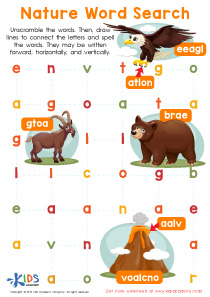
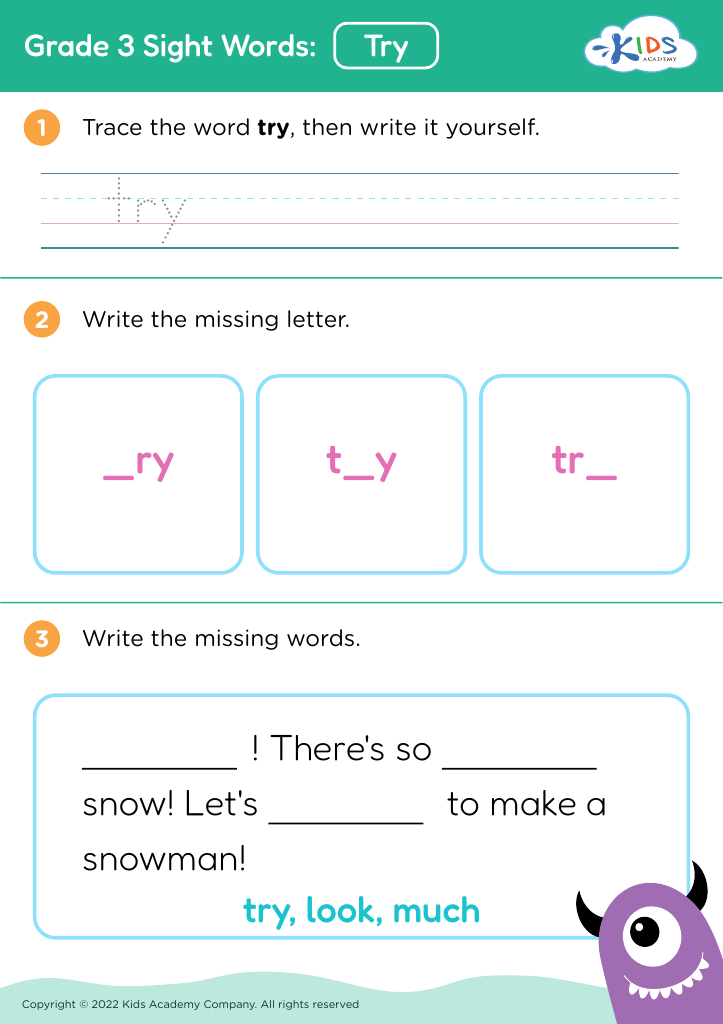
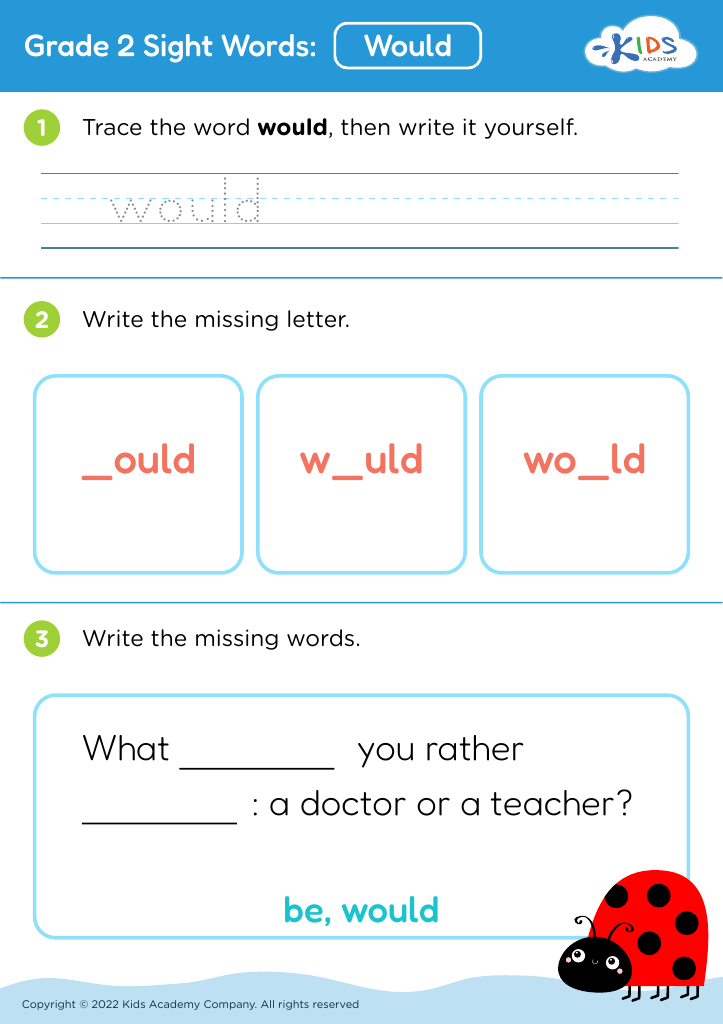
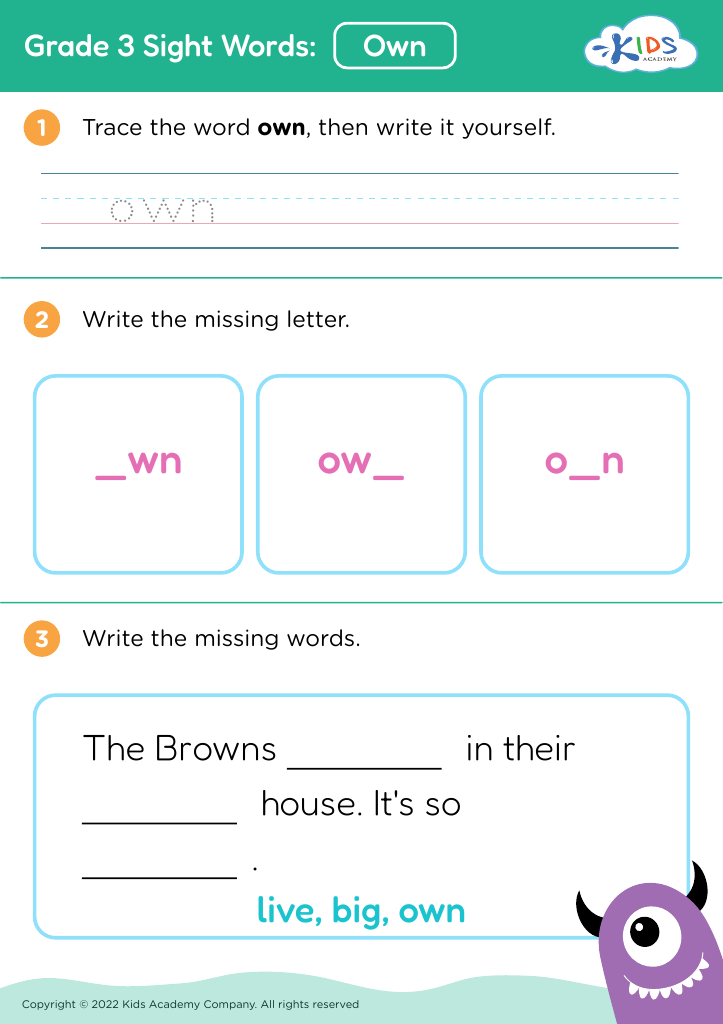
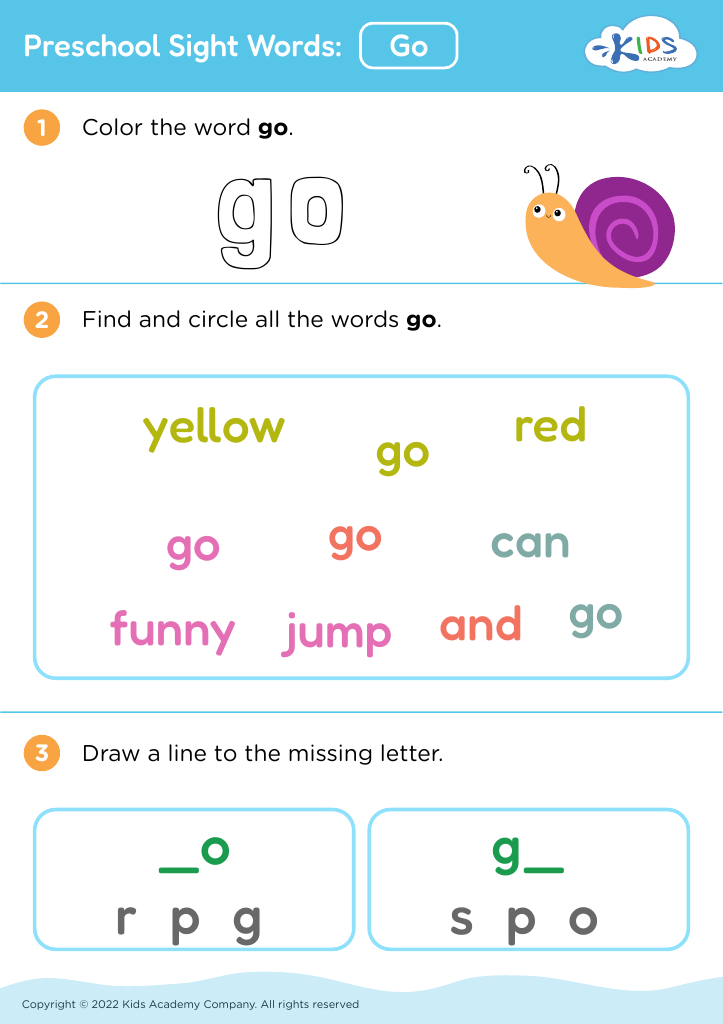
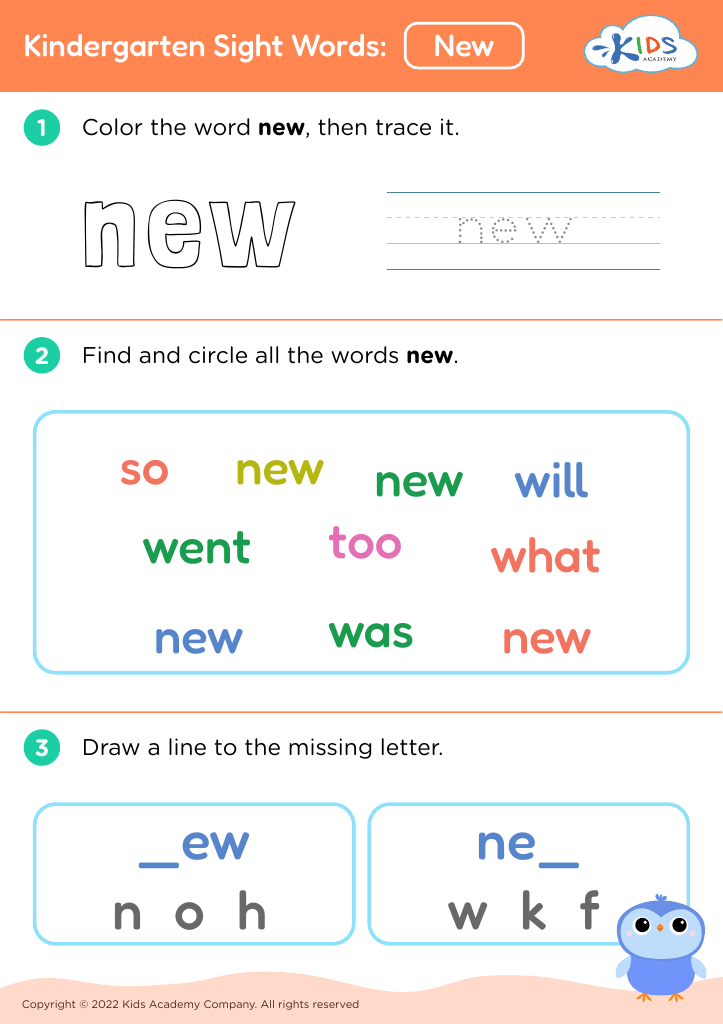
Enhance your child's early learning journey with our engaging Number Identification Sight Words Worksheets, designed for ages 4-8. These carefully crafted worksheets combine the excitement of recognizing numbers with the foundational skills of sight words, promoting early literacy and numeracy. Each activity encourages children to identify and match numbers alongside relevant sight words, making learning fun and interactive. Ideal for homeschooling or classroom settings, our worksheets foster confidence and retention in young learners. With vibrant visuals and varied exercises, these resources create a dynamic learning experience that prepares children for future academic success. Explore our collection now for a fantastic educational adventure!
Favorites
With answer key
Interactive







Join Kids Academy for Free
Who is primarily going to use this learning content?








Number identification and sight words are crucial for children aged 4-8 as they lay the foundation for literacy and numeracy skills. At this developmental stage, children are like sponges, absorbing new concepts rapidly. Number identification helps children understand quantities, sequences, and basic math operations, which are vital for problem-solving and logical thinking later in life. It cultivates an early love for math, building confidence in their numerical abilities.
Similarly, sight words are essential for reading fluency. These are common words that children encounter frequently in texts but may not phonetically decode easily. By mastering sight words, children can increase their reading speed and comprehension, allowing for greater engagement with stories and learning materials. This fluency reduces frustration and boosts self-esteem, encouraging positive attitudes toward reading.
Furthermore, both number identification and sight words encourage cognitive development and critical thinking skills. They promote pattern recognition and language acquisition, contributing to overall academic success. Parents and teachers should prioritize these foundational skills to prepare children for future learning, foster curiosity, and instill a lifelong passion for literacy and math. Supporting children in these areas ensures they are well-equipped for subsequent educational experiences.