Numerical problem solving Sight Words Worksheets for Ages 4-8
3 filtered results
-
From - To
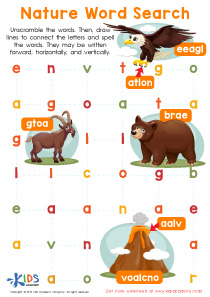
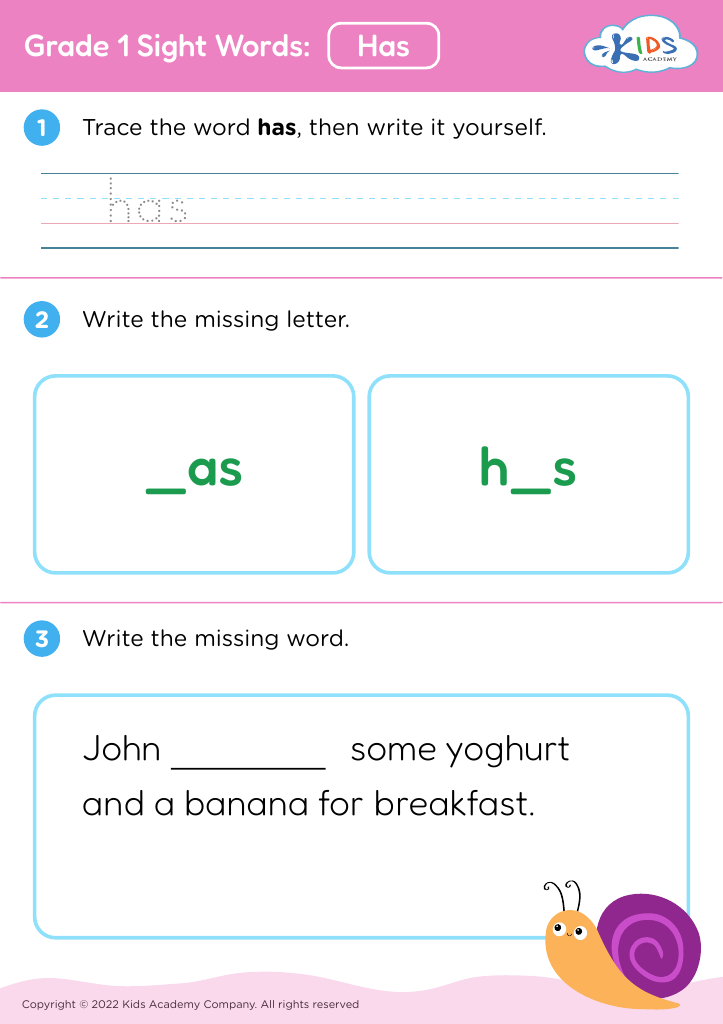
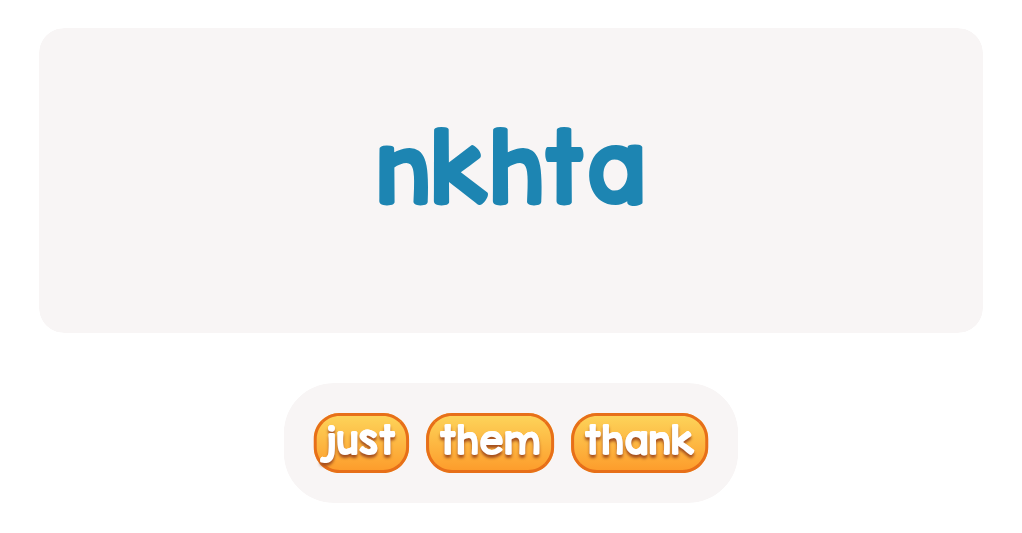
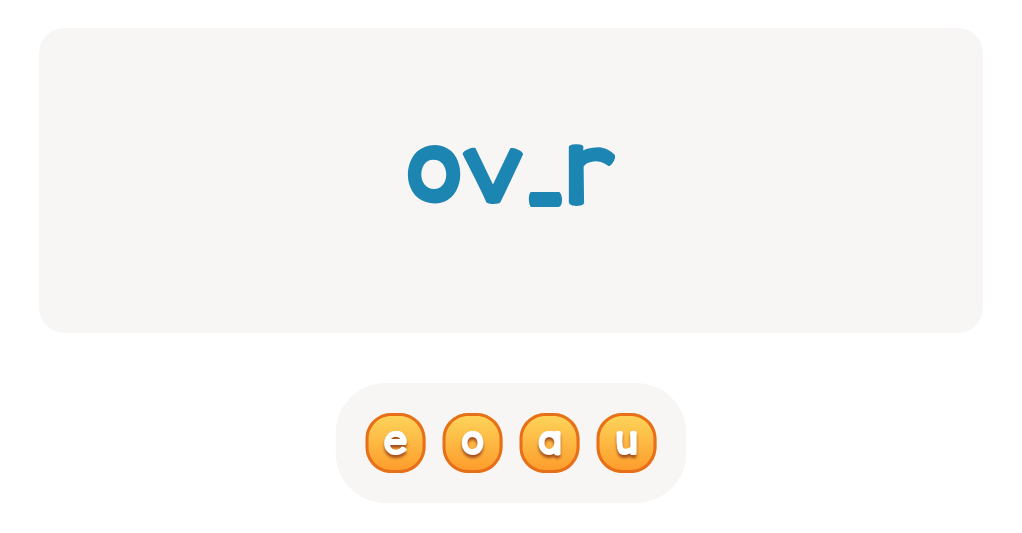
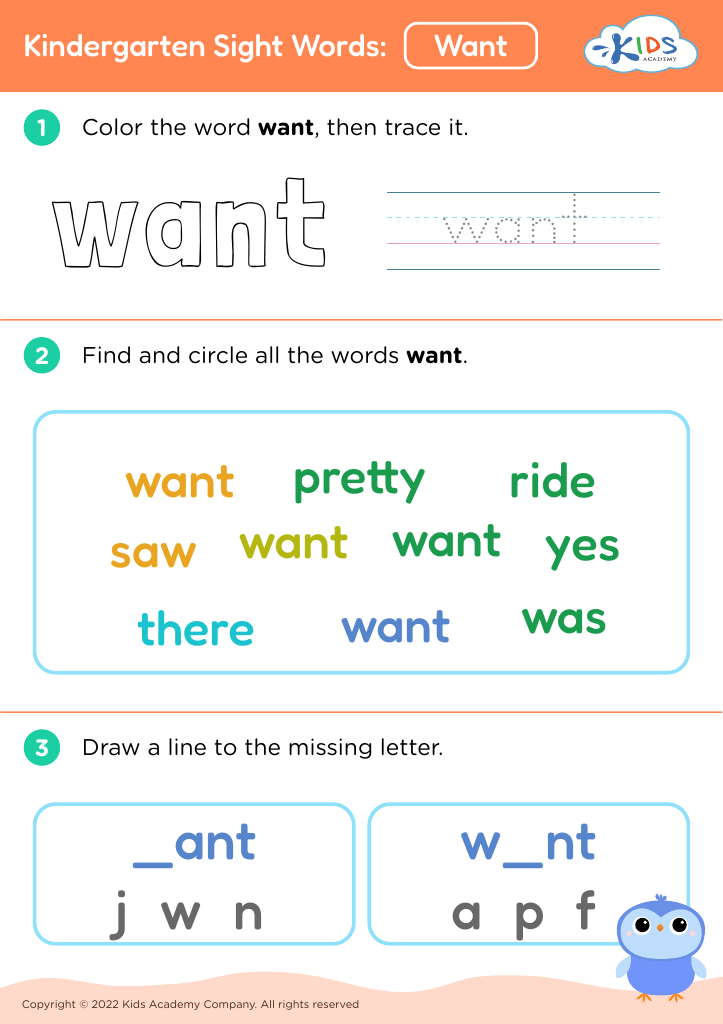
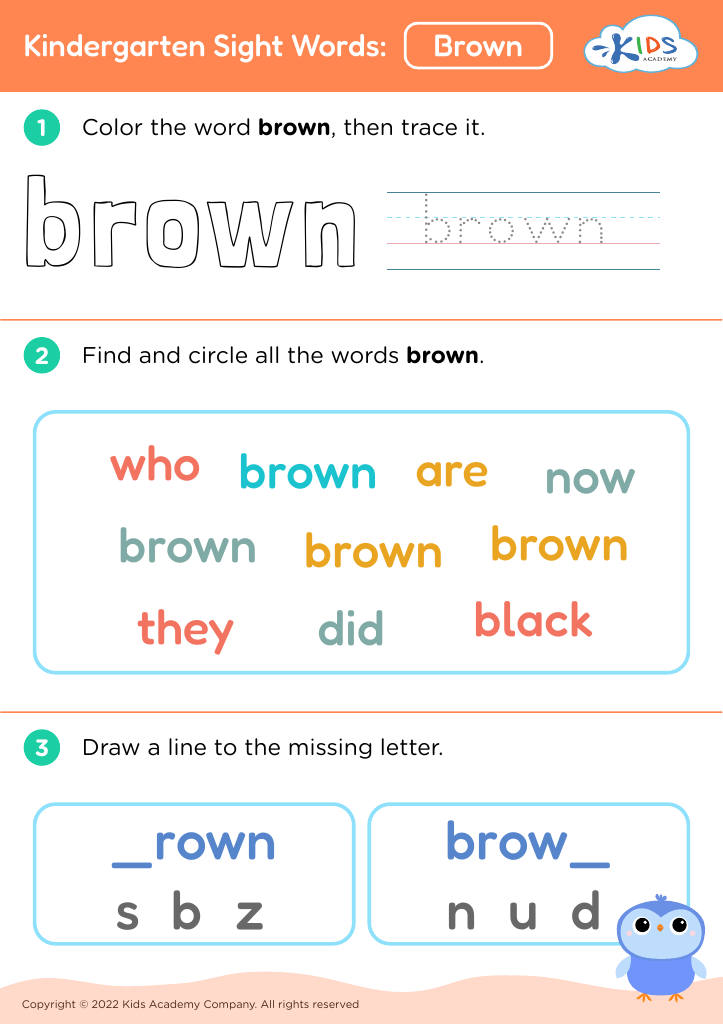
Discover our engaging Numerical Problem-Solving Sight Words Worksheets designed for children ages 4-8! These interactive resources seamlessly blend sight word recognition with essential math skills, fostering early literacy and numeracy in young learners. Each worksheet features colorful illustrations to captivate children’s attention, ensuring a fun learning experience. By tackling exciting numerical problems alongside sight word practice, kids not only enhance their vocabulary but also build confidence in their math abilities. Perfect for home or classroom use, these worksheets support foundational learning in a playful way, helping children develop crucial skills that will last a lifetime! Try them today and watch your child's skills thrive!











.jpg)



Numerical problem-solving sight words are crucial for children aged 4-8 because they form the foundation for early mathematics and literacy skills. These specialized terms, such as "add," "subtract," "more," and "less," help young learners navigate mathematical challenges and communicate their understanding effectively. Parents and teachers should care about these sight words because they connect language and math, enhancing cognitive development.
Understanding numerical problem-solving sight words enables children to comprehend problems more readily and fosters confidence in tackling mathematics from an early age. When children recognize and effectively use these terms, they develop critical thinking and problem-solving skills that are essential for future academic success.
Moreover, combining mathematical vocabulary with sight words helps reinforce reading skills, promoting a holistic approach to learning. This dual focus prepares students for more complex concepts in the future and creates a love for learning.
Encouraging familiarity with numerical sight words in engaging ways—such as through games, storytelling, or real-life applications—fosters a supportive learning environment. Thus, parents and teachers play a vital role in nurturing children's math and literacy skills essential for their overall development and success in school and beyond.