Shape Recognition Sight Words Worksheets for Ages 4-8
7 filtered results
-
From - To
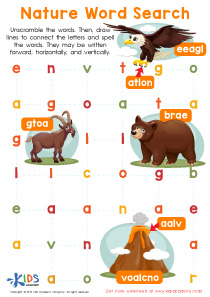
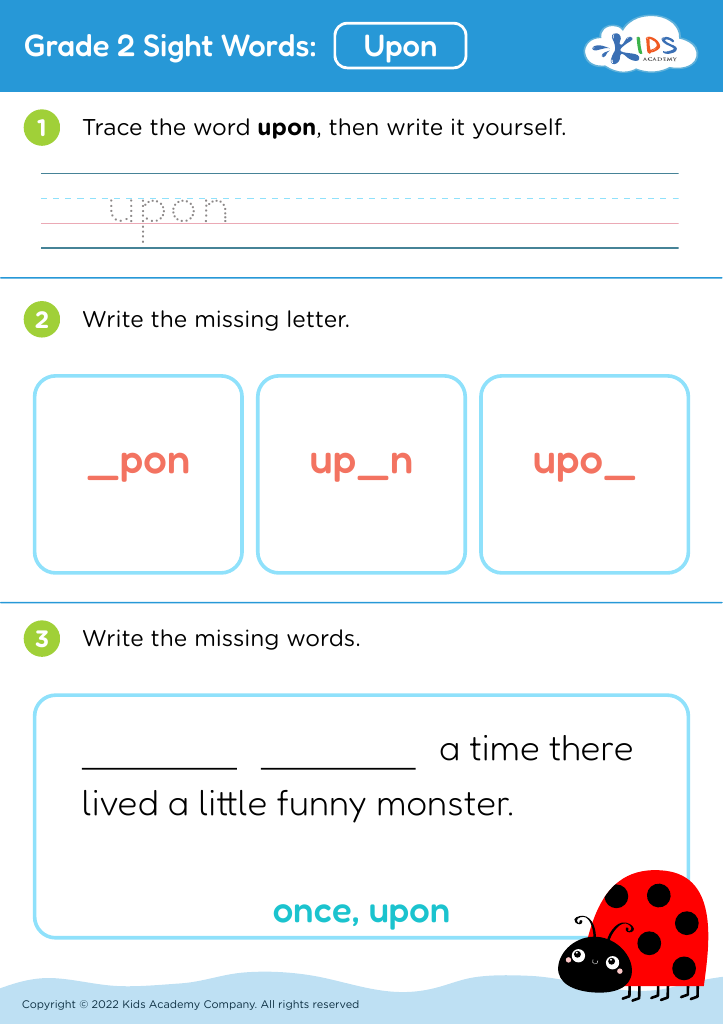
Enhance your child's reading skills with our engaging "Shape Recognition Sight Words Worksheets" designed for ages 4-8. These carefully crafted activities merge the fundamentals of sight word recognition with fun shape-identification tasks. Perfect for early learners, our worksheets foster both literacy and cognitive development through interactive exercises. Your child will build strong reading foundations while simultaneously enhancing their visual-motor skills. Ideal for both classroom and home use, these worksheets are a perfect tool for educators and parents aiming to support their kids in mastering essential skills. Fuel your child's success in a fun and educational way today!




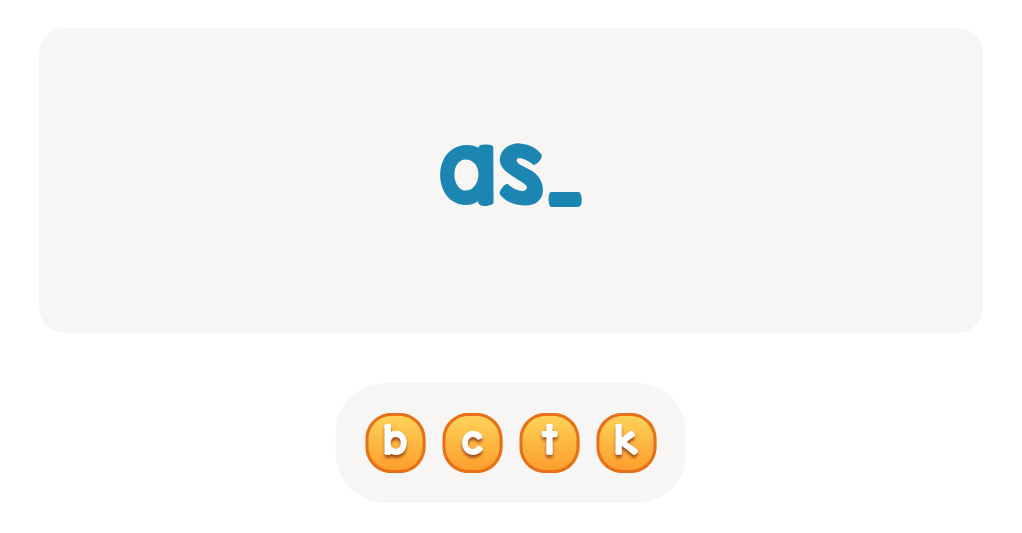
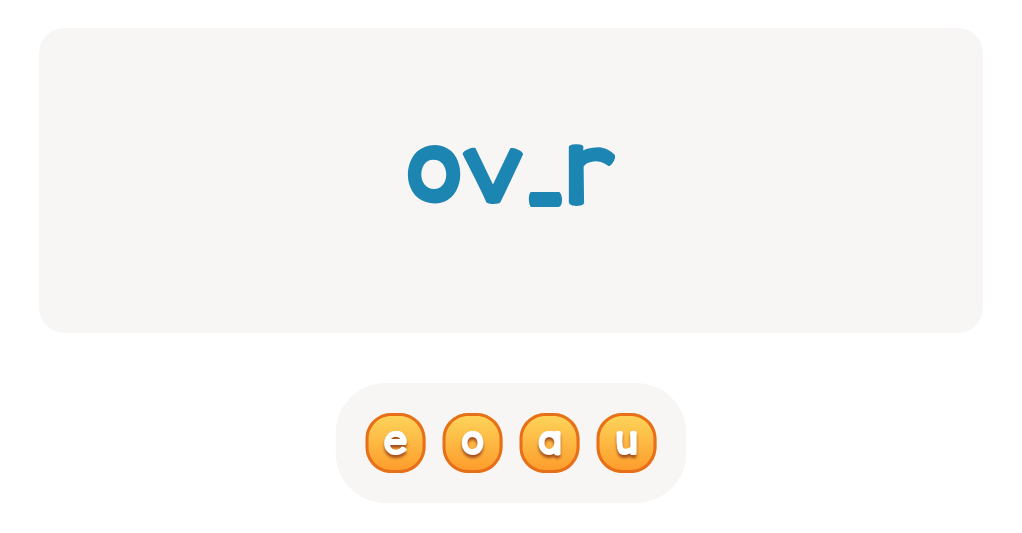
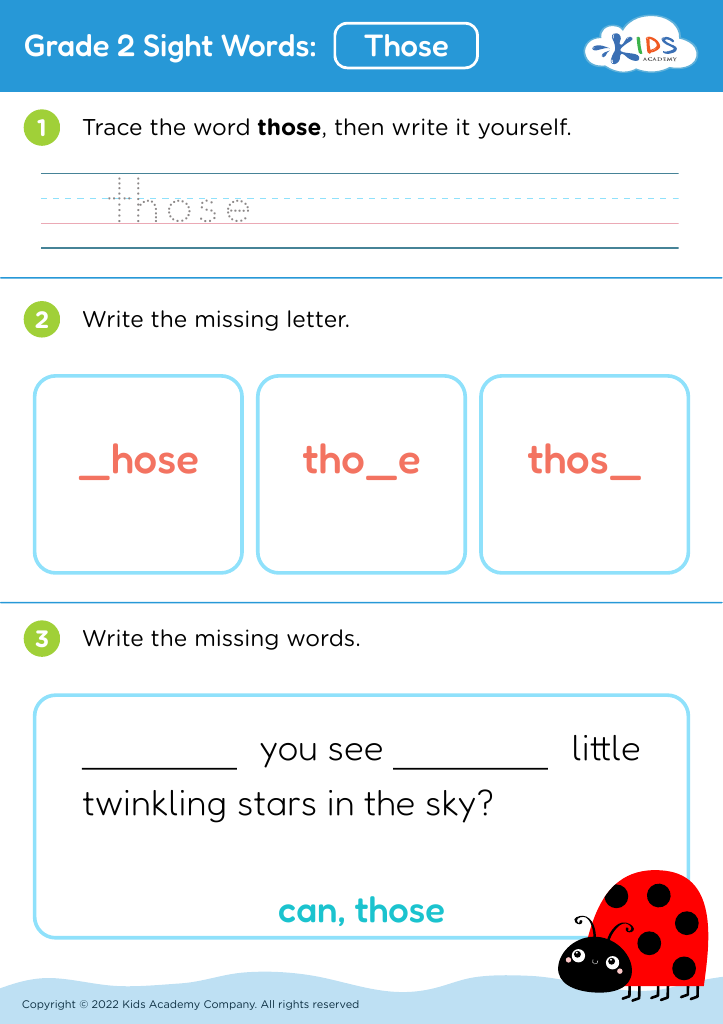
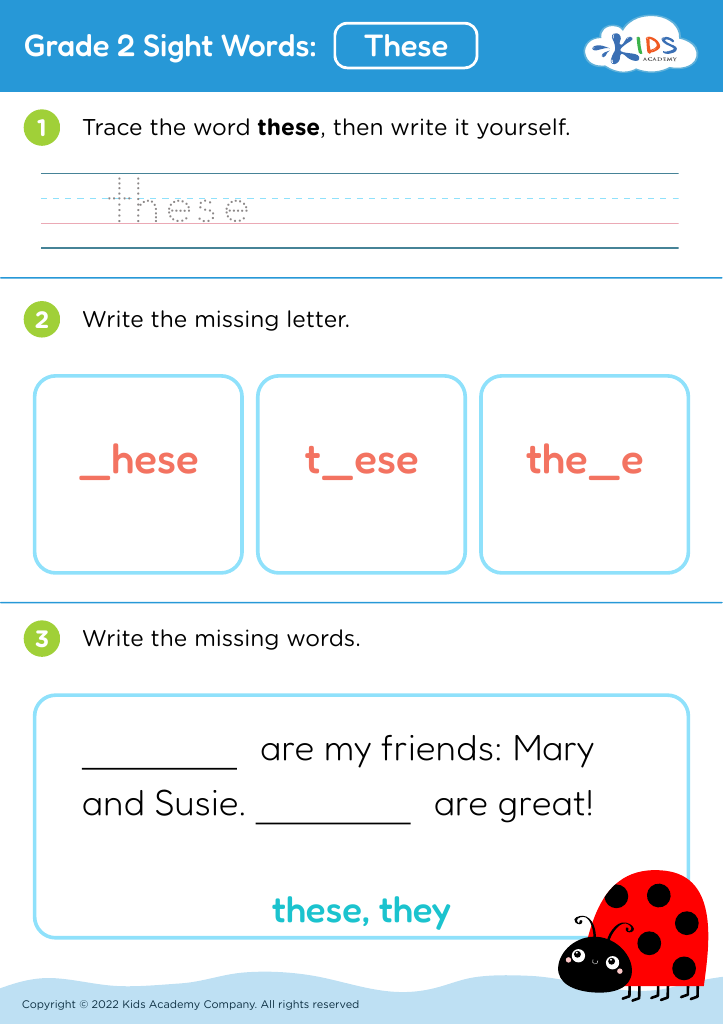
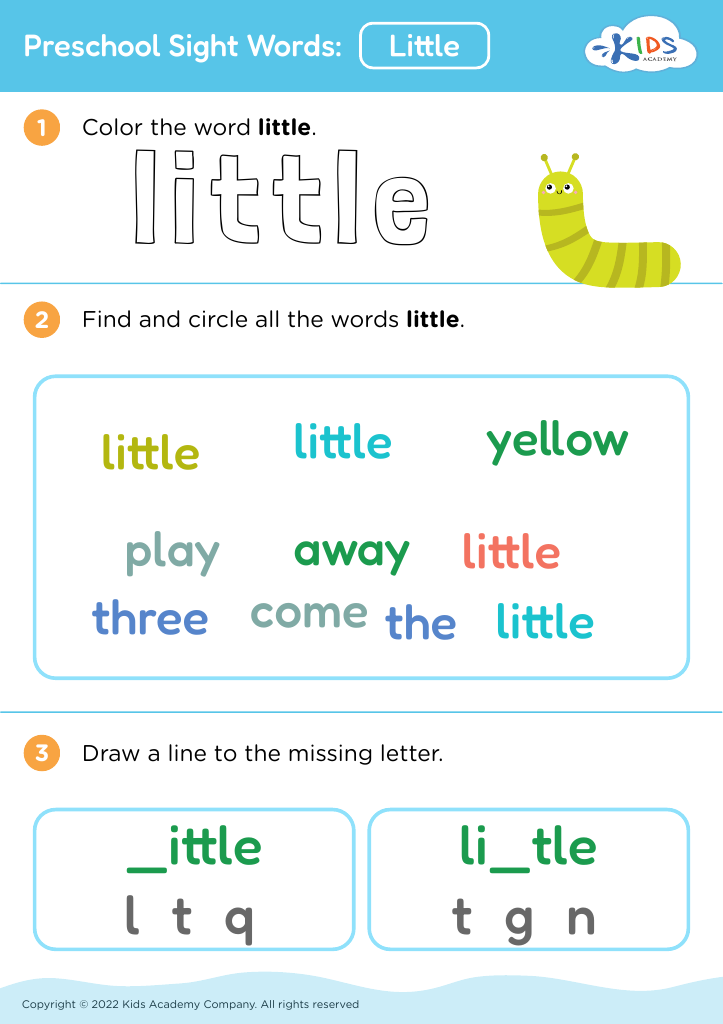
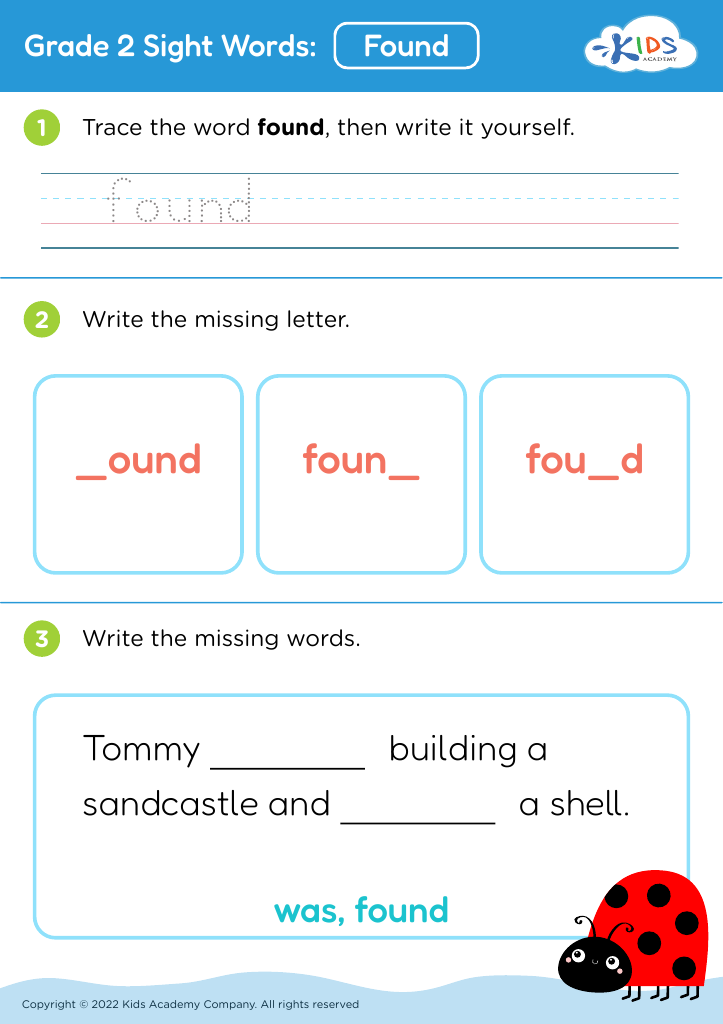
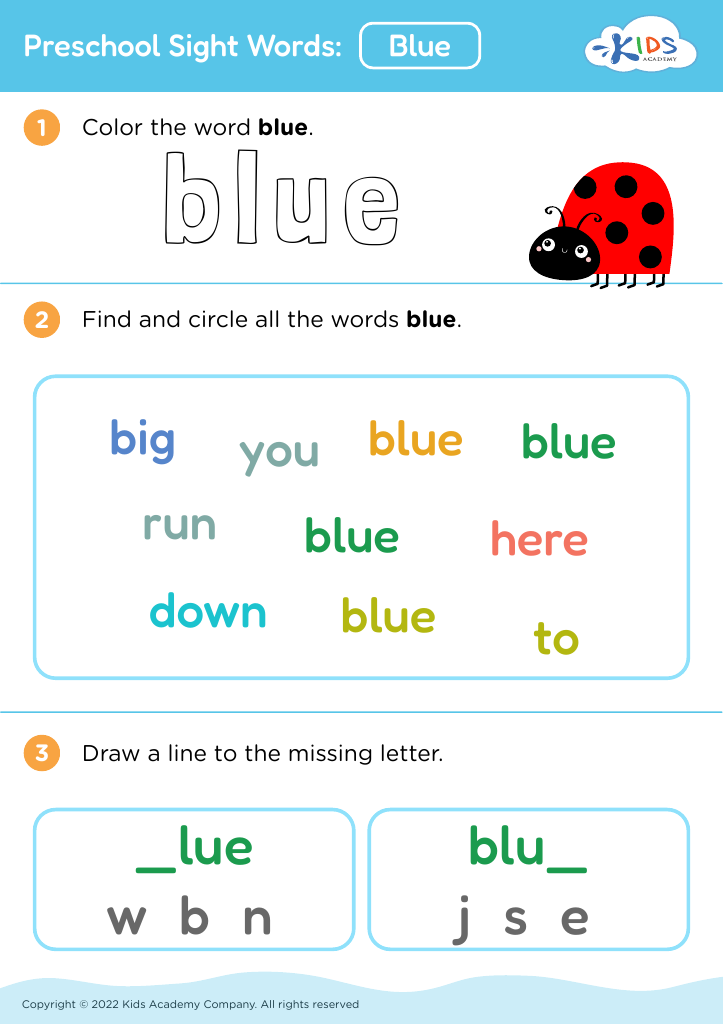
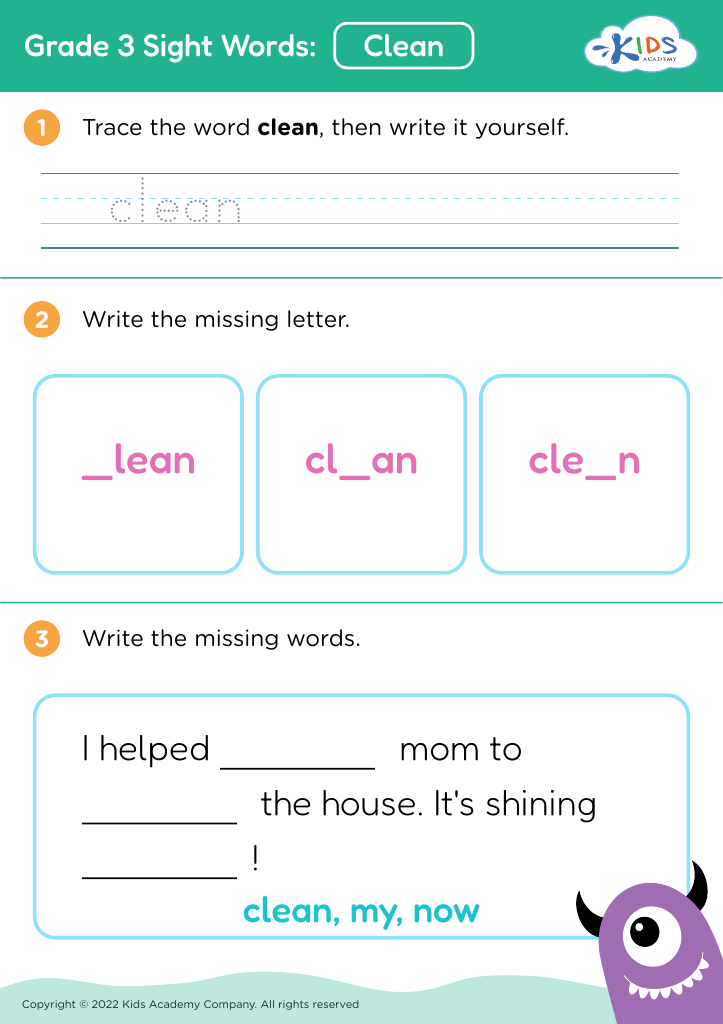








Shape recognition and sight words are critical skills for young learners aged 4-8, acting as foundational elements for both cognitive development and academic success. Here’s why parents and teachers should prioritize these skills:
Shape recognition hones children's spatial awareness and visual discrimination, essential for interpreting the world around them. Understanding shapes helps kids categorize and compare objects, boosting logical thinking and problem-solving abilities. For instance, when they identify circles, squares, and triangles in diverse contexts, they sharpen observation skills and learn to recognize patterns—a precursor to more complex mathematical concepts.
Simultaneously, mastering sight words—the most frequently encountered words in written English—significantly enhances reading fluency. Sight words often do not adhere to standard phonetic rules, so memorizing them as whole units aids in smoother, quicker reading. This foundational skill reduces cognitive load, allowing children to focus on comprehending the text rather than decoding each word individually.
Together, shape recognition and sight word proficiency underpin critical academic competencies. They facilitate more effortless learning in other subjects, from math and science to literacy. For parents and teachers, fostering these abilities is paramount as it equips children with the tools necessary for future educational pursuits and daily life tasks, promoting both confidence and curiosity in their ongoing learning journey.