Understanding fractions Sight Words Worksheets for Ages 4-8 - Page 3
58 filtered results
-
From - To
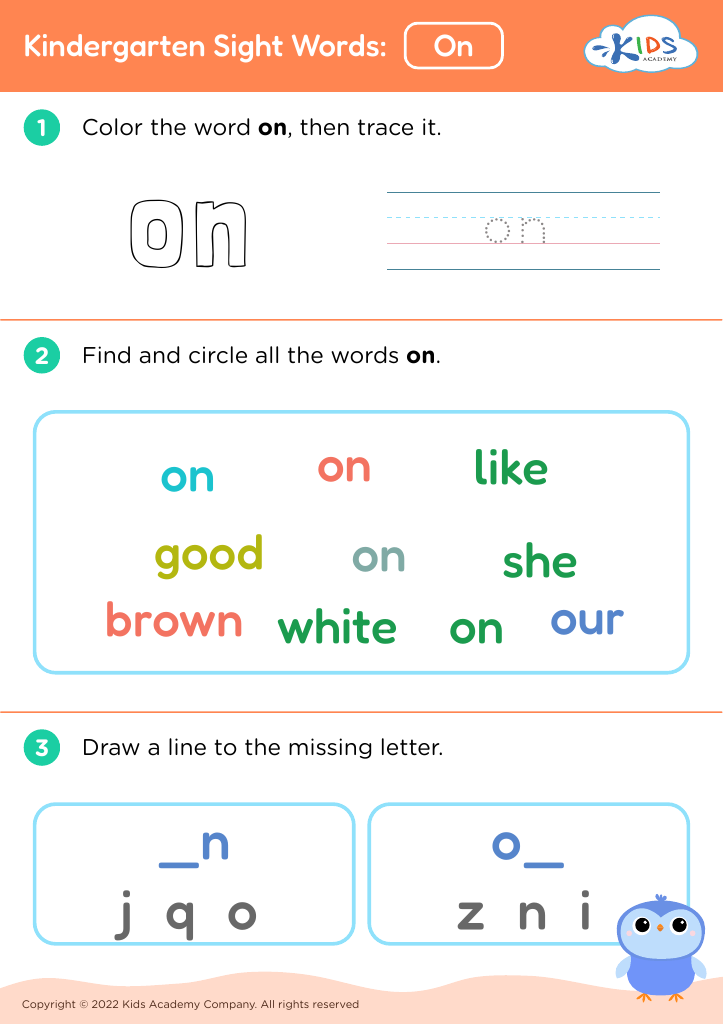

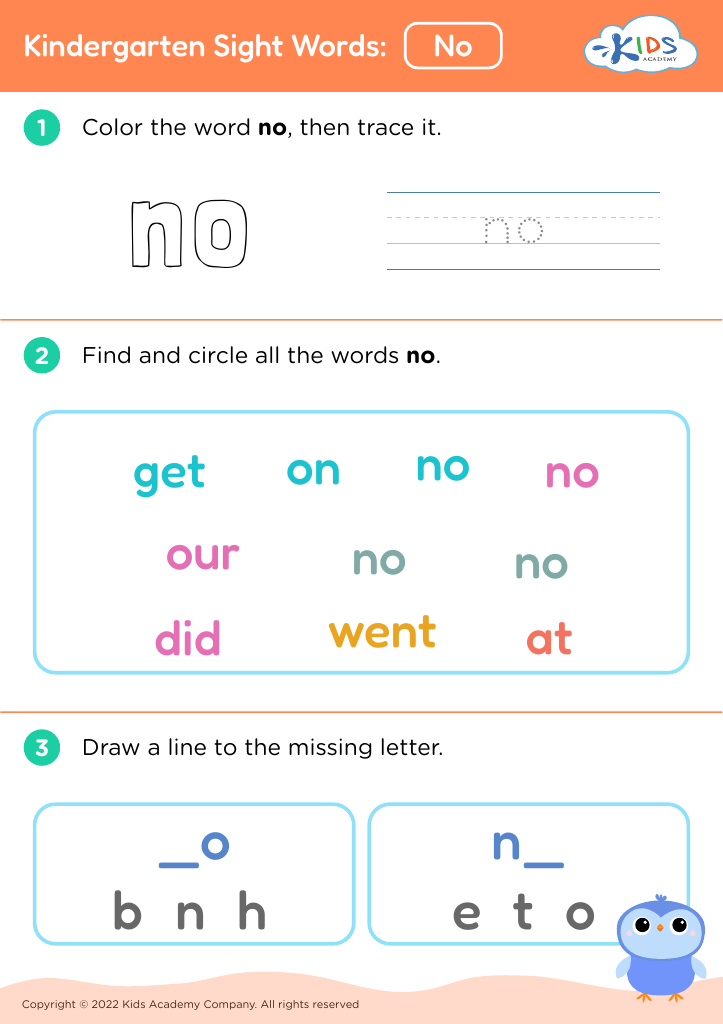
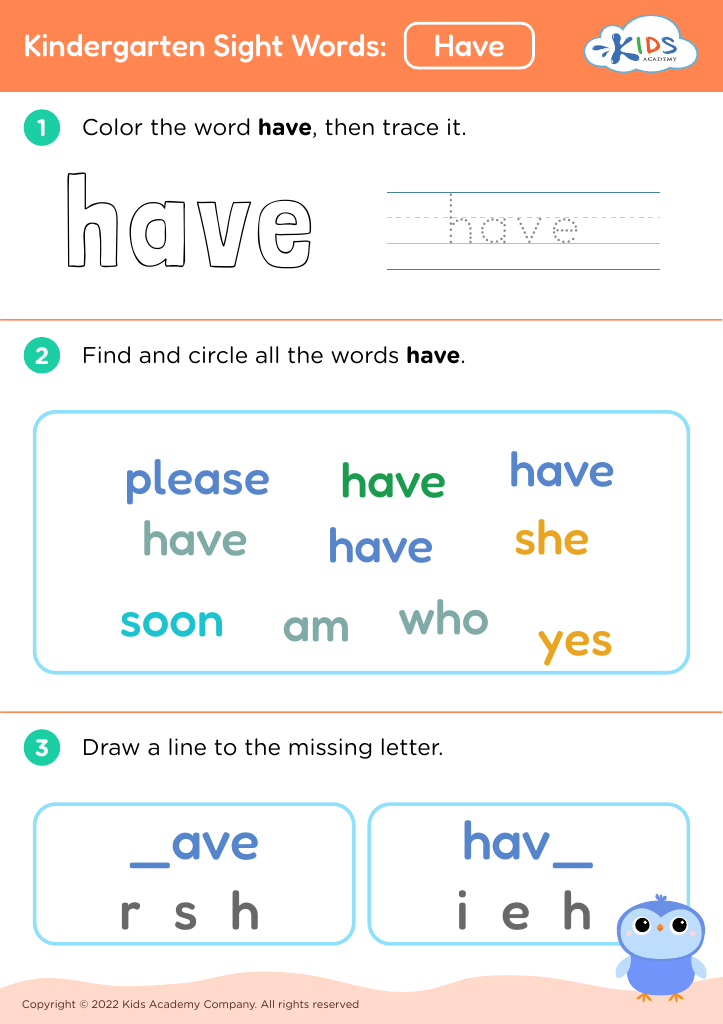
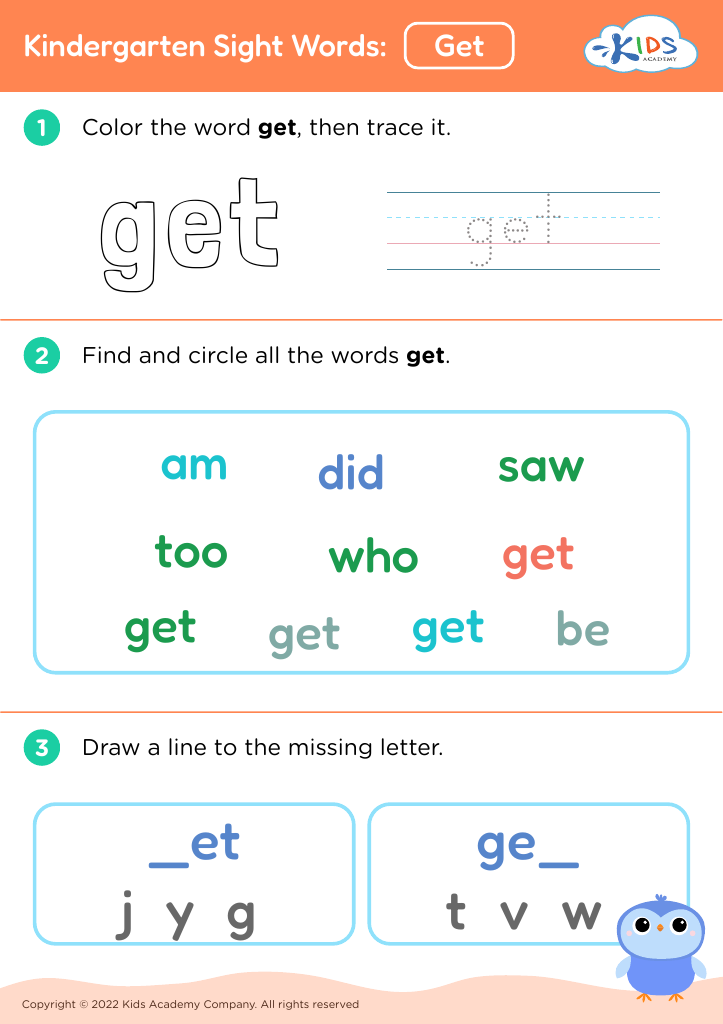
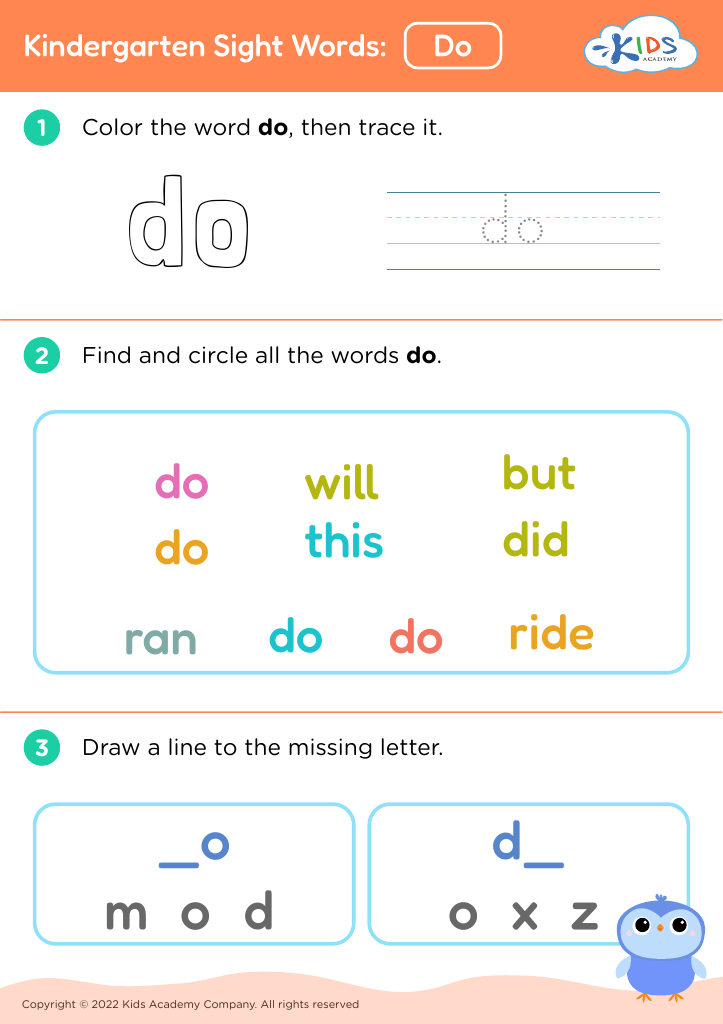
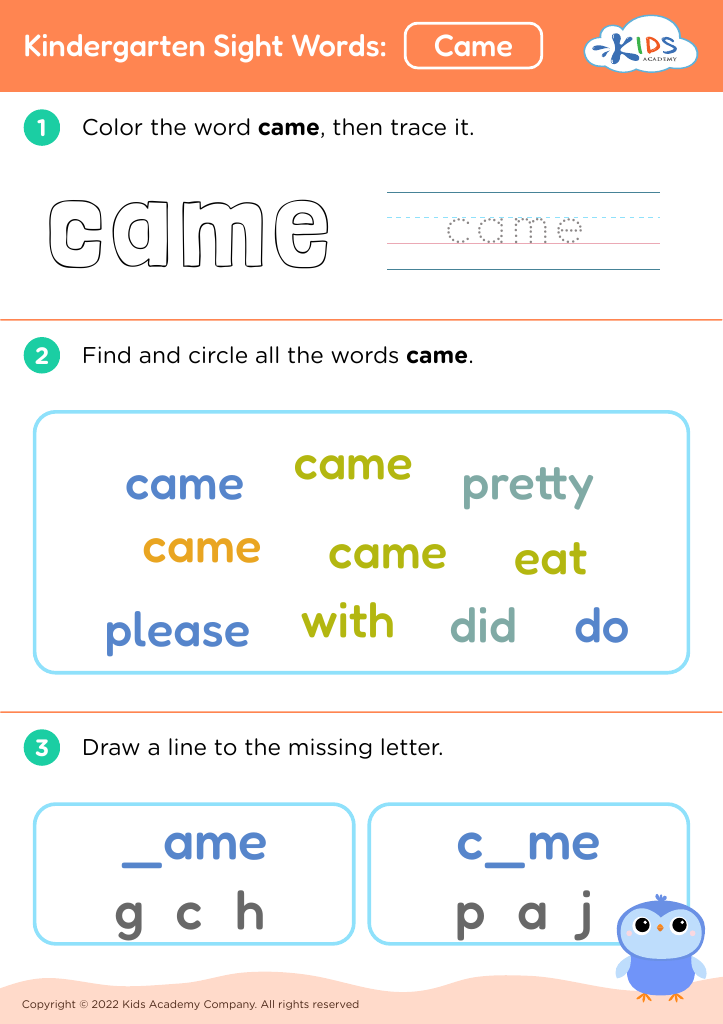
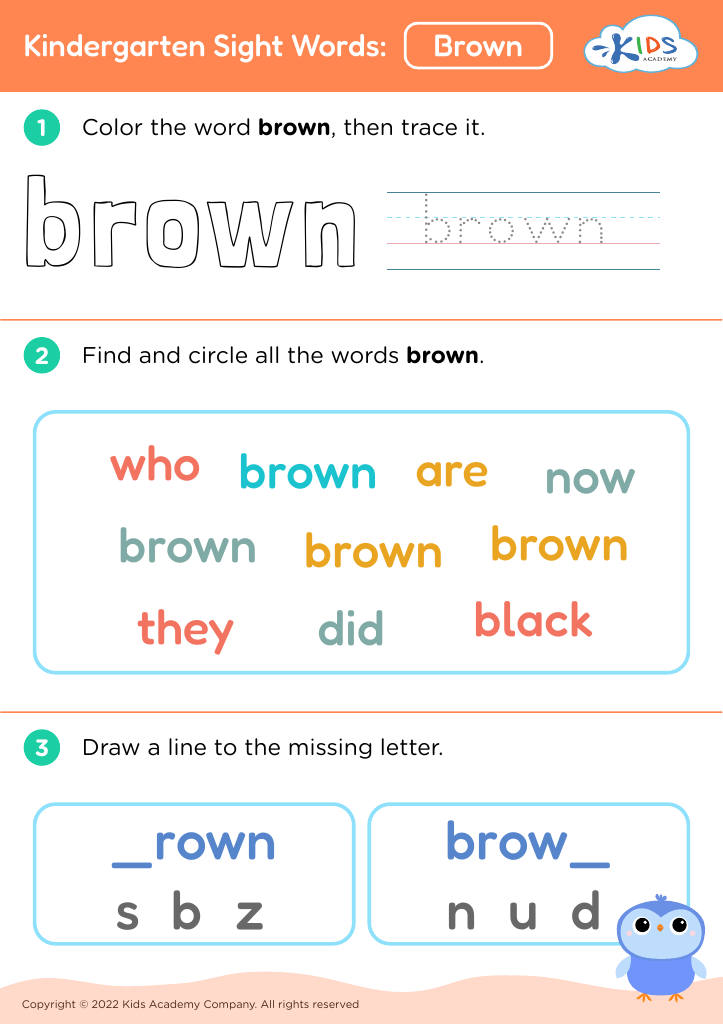
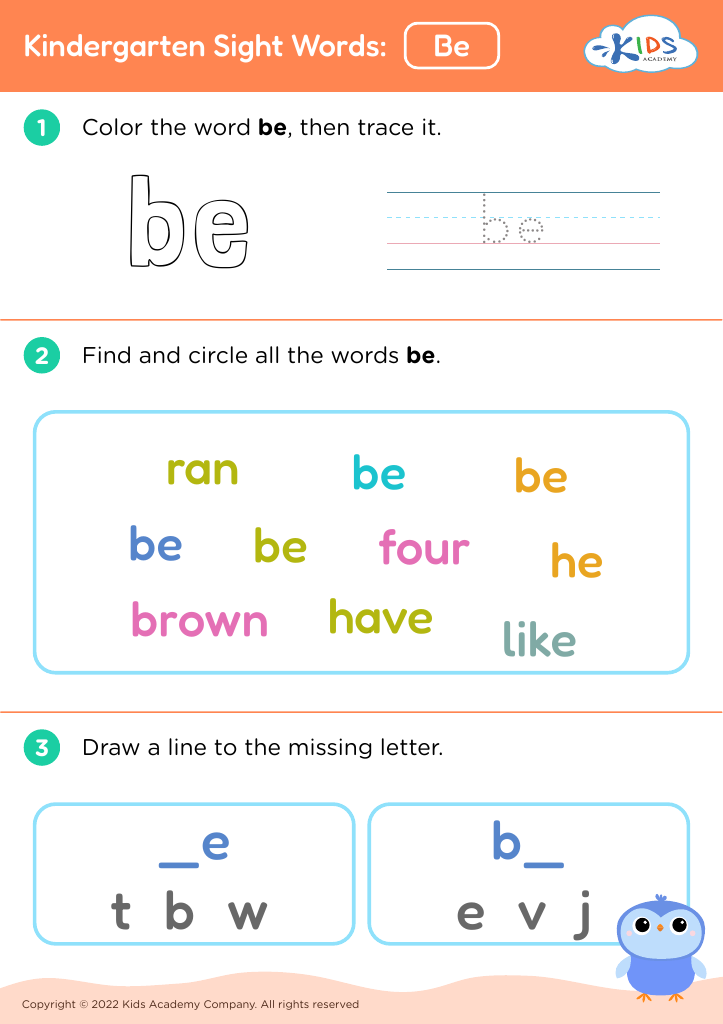
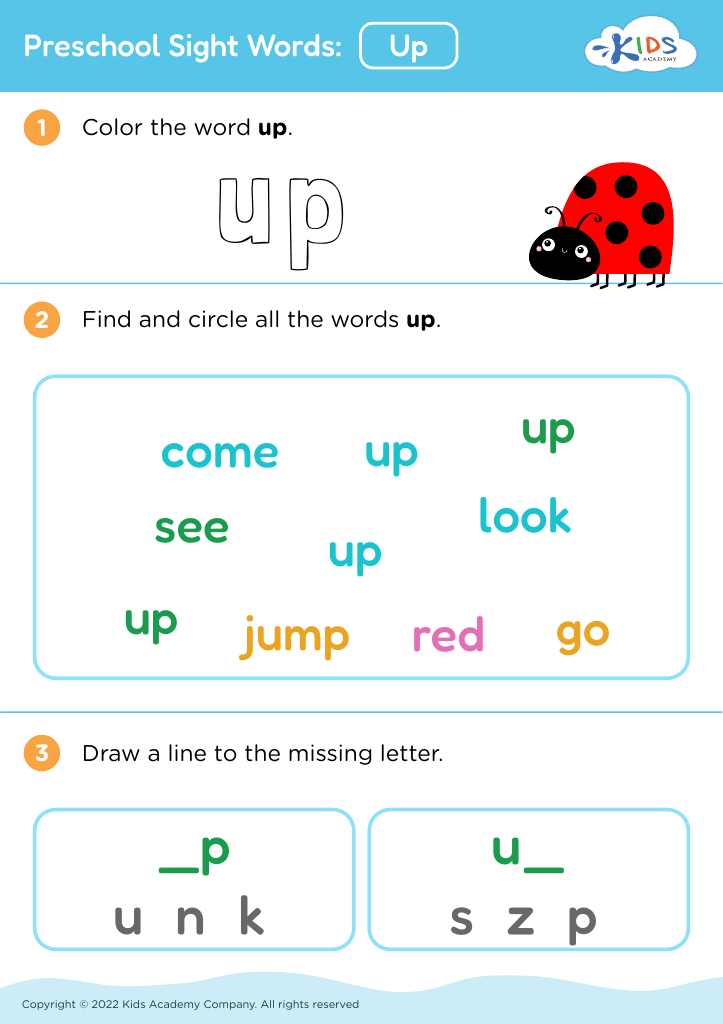
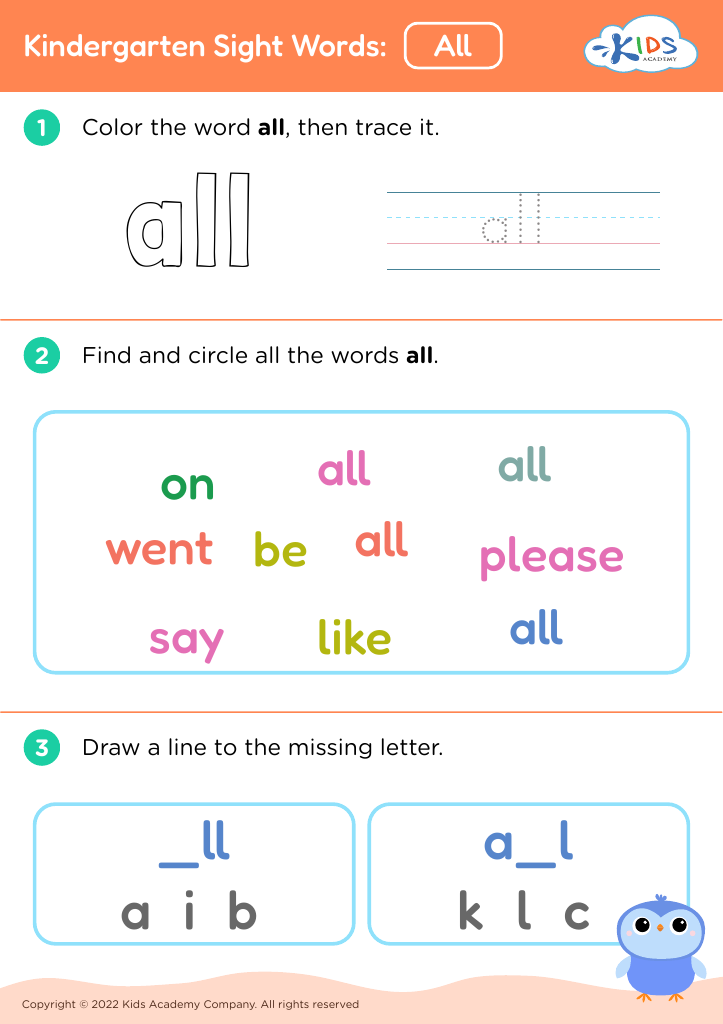








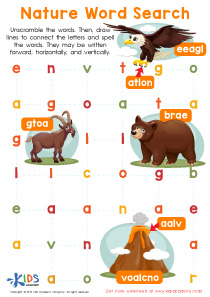
Understanding fractions and sight words are fundamental for young learners ages 4-8 as they form the building blocks for future academic success. Mastery in these areas equips children with essential skills that lay the groundwork for more complex learning.
Firstly, learning sight words boosts reading fluency. Sight words are commonly used words like "the," "and," and "is" that frequently appear in text. When children recognize these words instantly, it aids their ability to read smoothly without hesitating to sound out each word. This fluency enhances their reading comprehension, allowing them to focus more on understanding the story or information rather than decoding individual words.
Secondly, an early understanding of fractions introduces key mathematical concepts. Although fractions may seem advanced for young children, they can comprehend simple ideas through everyday activities like cutting fruit into halves or comparing portions. Grasping these concepts early on helps them develop critical thinking and problem-solving skills. It also builds a strong foundation for future math topics, such as multiplication and division, ratios, and algebraic thinking.
Parents and teachers play a crucial role by integrating sight words and fractions into fun, relatable activities. This not only makes learning enjoyable but also instills a lasting curiosity and love for literacy and mathematics. Together, these skills prepare children for academic achievement and encourage lifelong learning.