
Animal recognition Animals Worksheets for Ages 4-8
3 filtered results
Difficulty Level
Grade
Age
-
From - To
Subject
Activity
Standards
Introduce young learners to the exciting world of animals with our "Animal Recognition Worksheets for Ages 4-8"! Perfect for home or classroom use, these worksheets are designed to help children identify various animals while developing their cognitive and observational skills. Featuring engaging activities, colorful images, and fun facts, these worksheets make learning about animals a delightful adventure. By associating animals with their names and characteristics, children will enhance their recognition abilities and gain a deeper understanding of the animal kingdom. Begin this captivating journey of discovery with our expertly crafted printables today!
Favorites
With answer key
Interactive
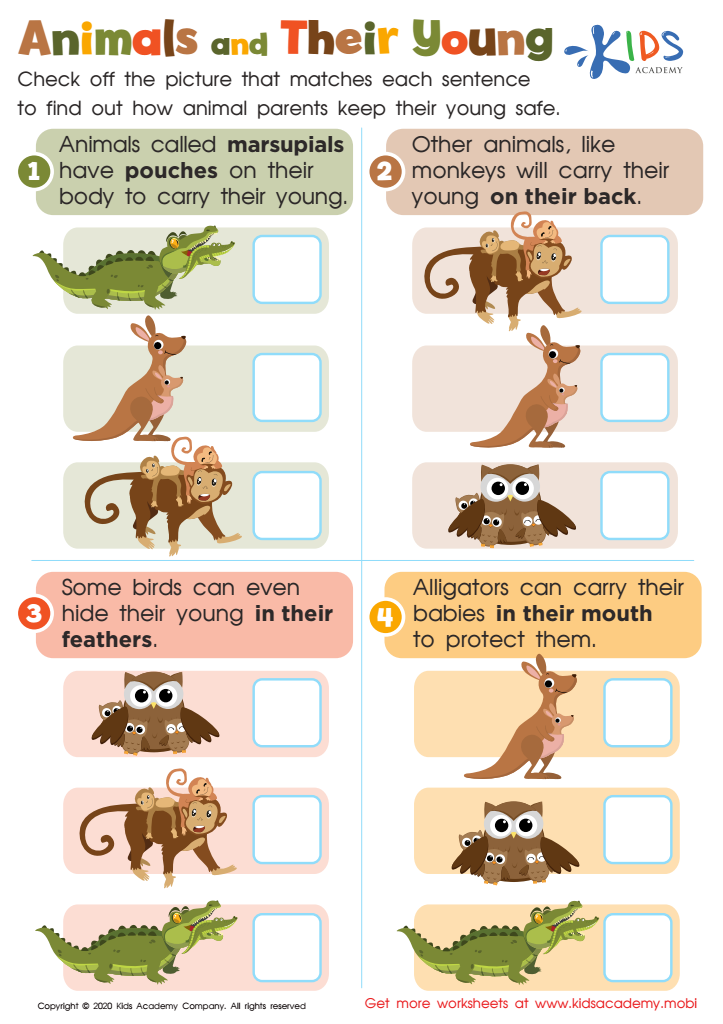
Animals and Their Young Worksheet
Help your child learn more about the animal kingdom with this cute science worksheet! They'll find out how animals protect and keep their babies close. From pouches to hitching a ride on mama’s back, they'll read the sentence above each illustration and select the description that fits. Check off the correct description as they go - a fun and educational activity!
 Assign to My Students
Animals and Their Young Worksheet
Worksheet
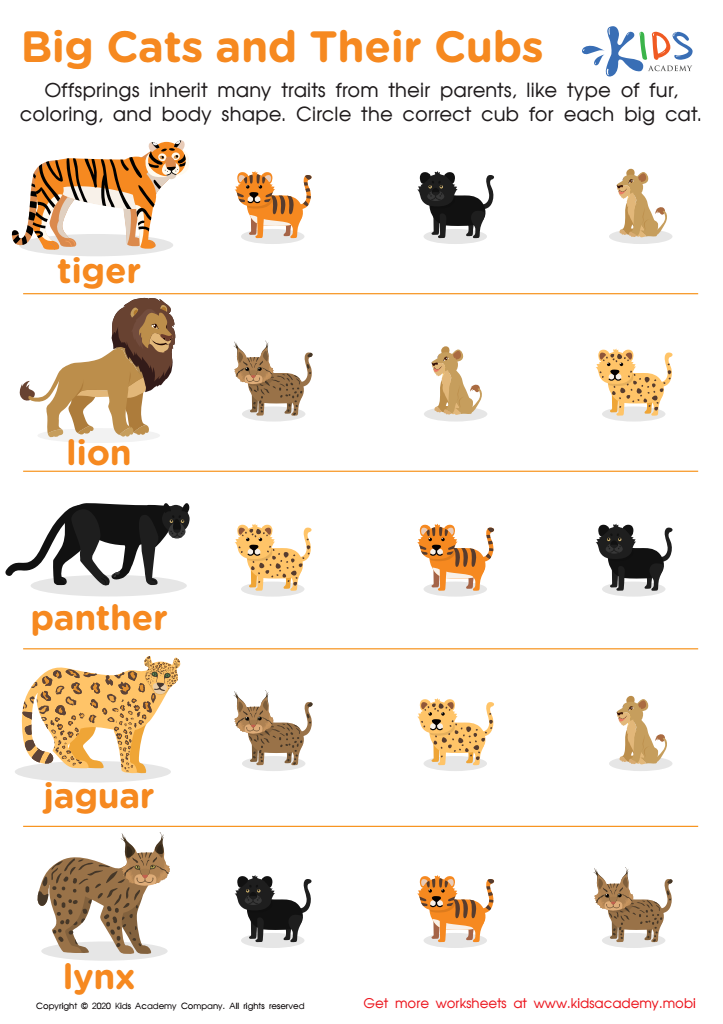
Big Cats and Their Cubs Worksheet
Kids are often like their parents, and the same is true for big cats and their cubs. Introduce your young scientists to genetics with this fun printable worksheet from Kids Academy! Observe the big cats and their cubs, then circle the right cub to complete! It's a great way to teach an early lesson in genetics.
Big Cats and Their Cubs Worksheet
Worksheet
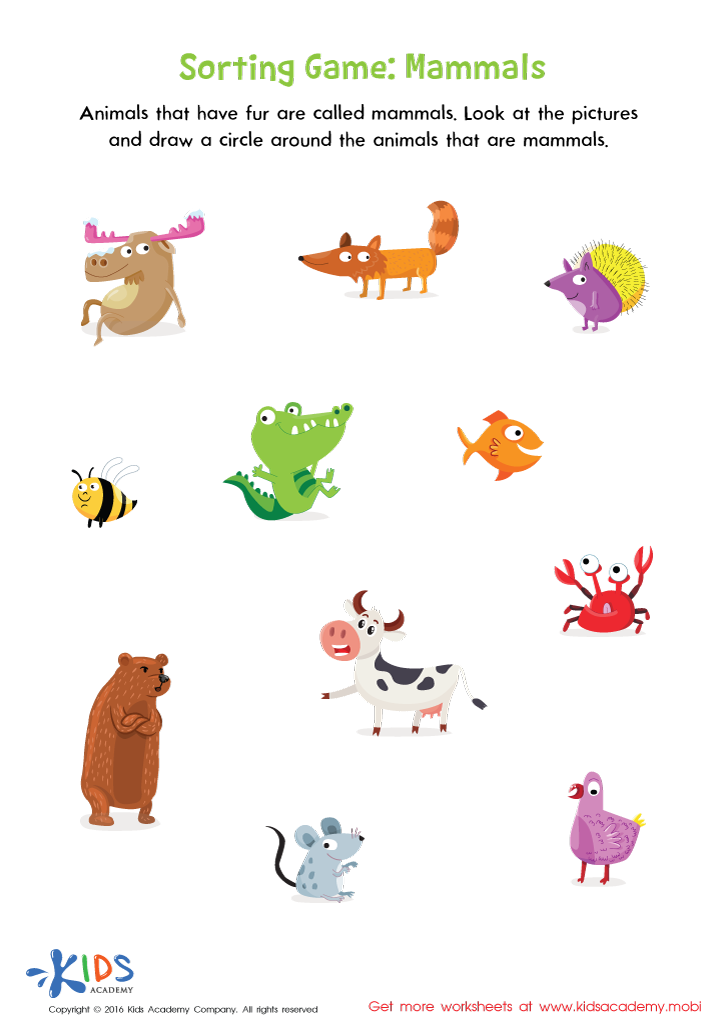
Mammals Sorting Worksheet
They'll practice sorting animals and learn their features with this fun worksheet.
Kids can test their scientific knowledge with this fun worksheet! They'll view pictures of animals, identify mammals based on their fur, and practice sorting them. This colorful worksheet is a great way for kids to learn about the differences between mammals and other animals.
Mammals Sorting Worksheet
Worksheet
Join Kids Academy for Free
Who is primarily going to use this learning content?







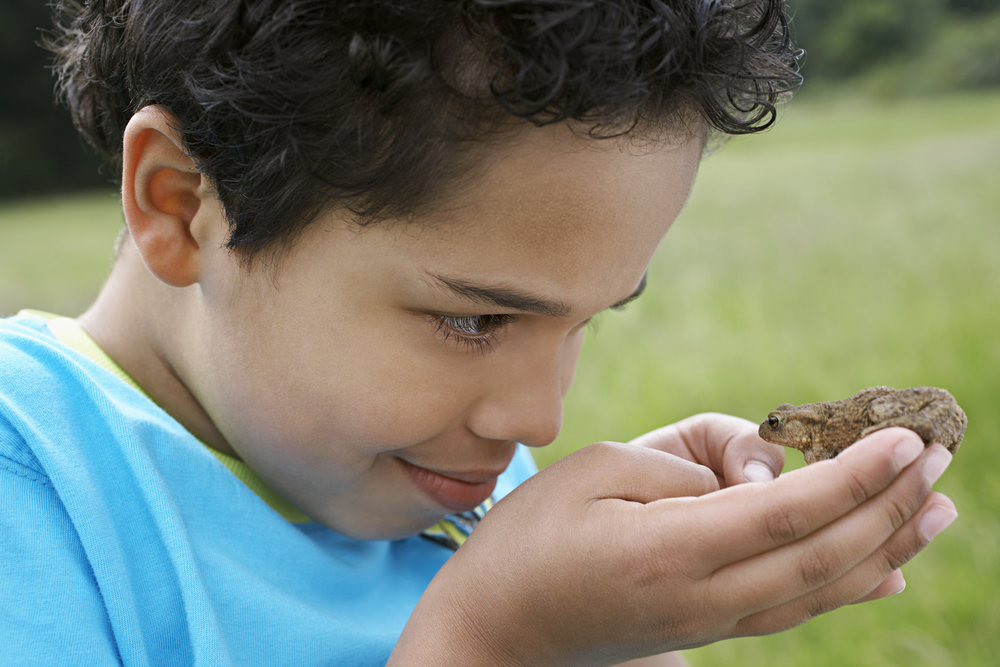
Developing animal recognition skills in children aged 4-8 can be both educational and enriching, fostering multiple aspects of their growth. Parents and teachers should care about this area for several key reasons.
Firstly, animal recognition enhances cognitive development. Young children enjoy learning about different animals, their habitats, and characteristics, which builds their memory, attention, and observation skills. It sparks curiosity and boosts their learning abilities across various subjects, including science and geography.
Secondly, it supports language development. Conversations about animals expand children’s vocabulary and comprehension as they learn new words and concepts. For example, discussing animal behaviors can introduce children to verbs and adjectives they might not encounter in everyday conversations.
Thirdly, emotional and social benefits arise from these activities. Caring for animals, even through classroom pets or stories, cultivates empathy and compassion. Understanding animal needs and behaviors makes children more considerate and respectful towards living beings.
Lastly, it prepares children for future education. Foundational knowledge in biology and ecology helps children seamlessly transition into more detailed study later. This established base promotes critical thinking and environmental consciousness, nurturing responsible global citizens.
Incorporating animal recognition in early education not only enriches learning but also shapes well-rounded, empathetic, and informed individuals.








