Weather Vocabulary Weather Worksheets for Ages 4-8
3 filtered results
-
From - To
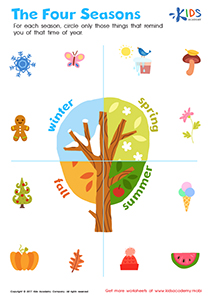
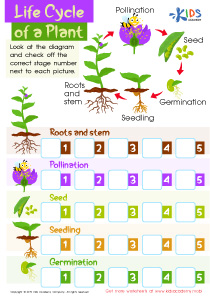
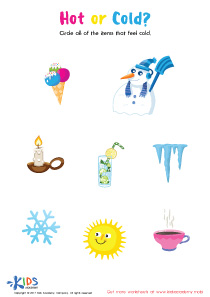
Discover our engaging Weather Vocabulary Worksheets designed for children aged 4-8! These fun, educational resources help young learners explore the fascinating world of weather by introducing essential vocabulary related to various weather conditions. Through colorful illustrations and interactive exercises, kids will enhance their understanding of terms such as snow, rain, sunshine, and more. Our worksheets cater to diverse learning styles, promoting vocabulary development and critical thinking skills. Perfect for home or classroom use, these materials provide a creative way to teach children about the weather, encouraging curiosity and a love for learning. Start exploring our unique resources today!
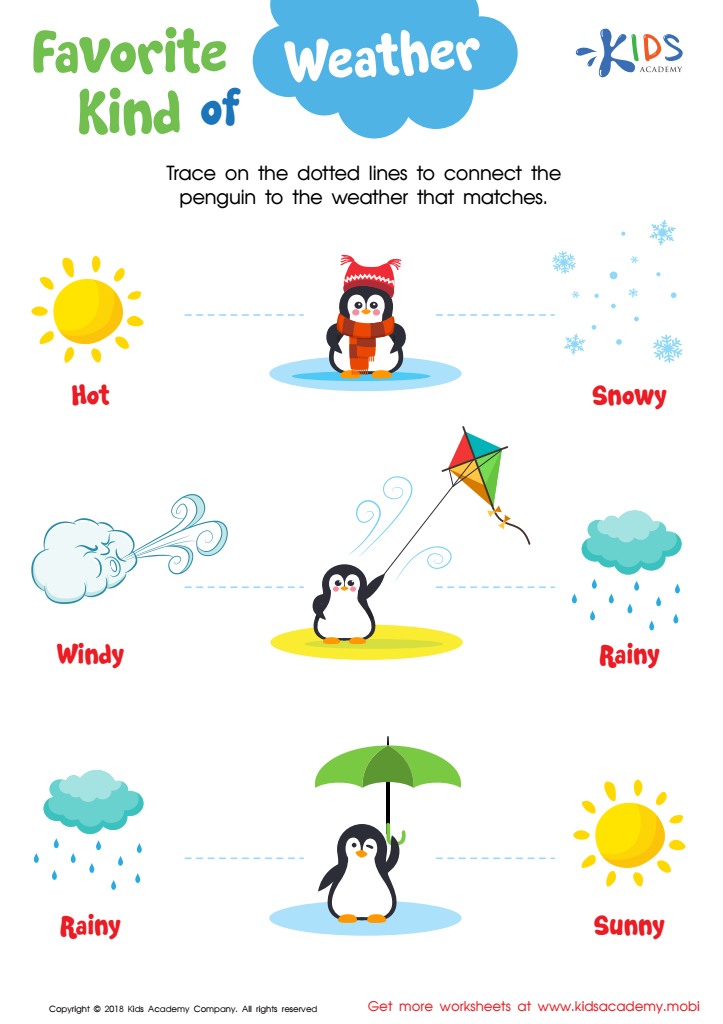
Favorite Kind of Weather Worksheet
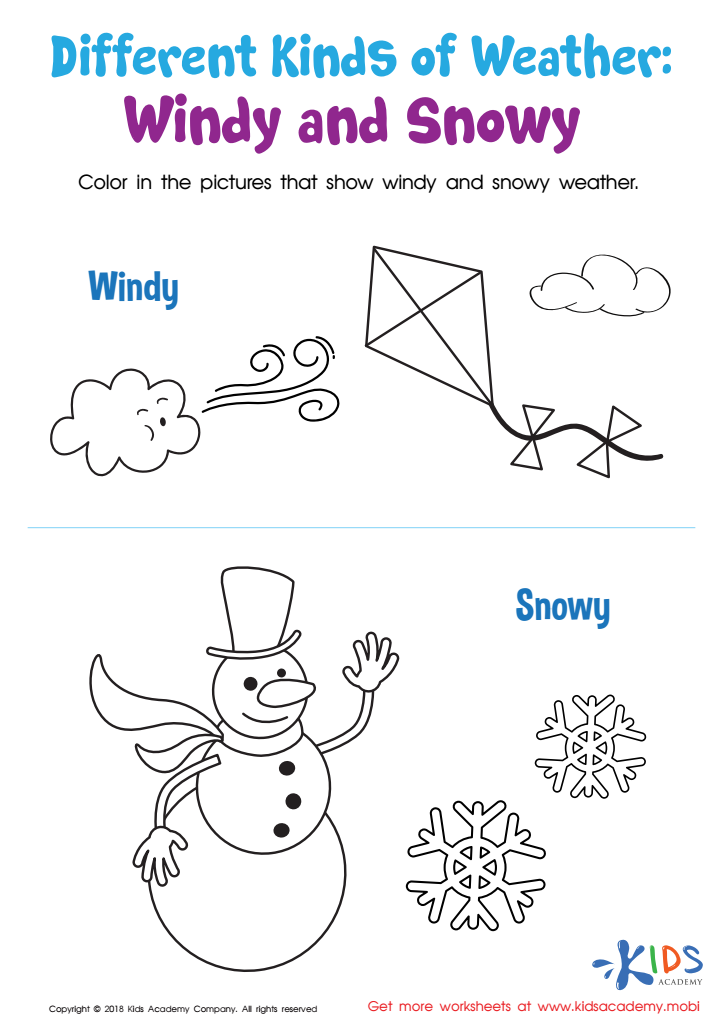
Different Kinds of Weather: Windy and Snowy Worksheet
 Assign to My Students



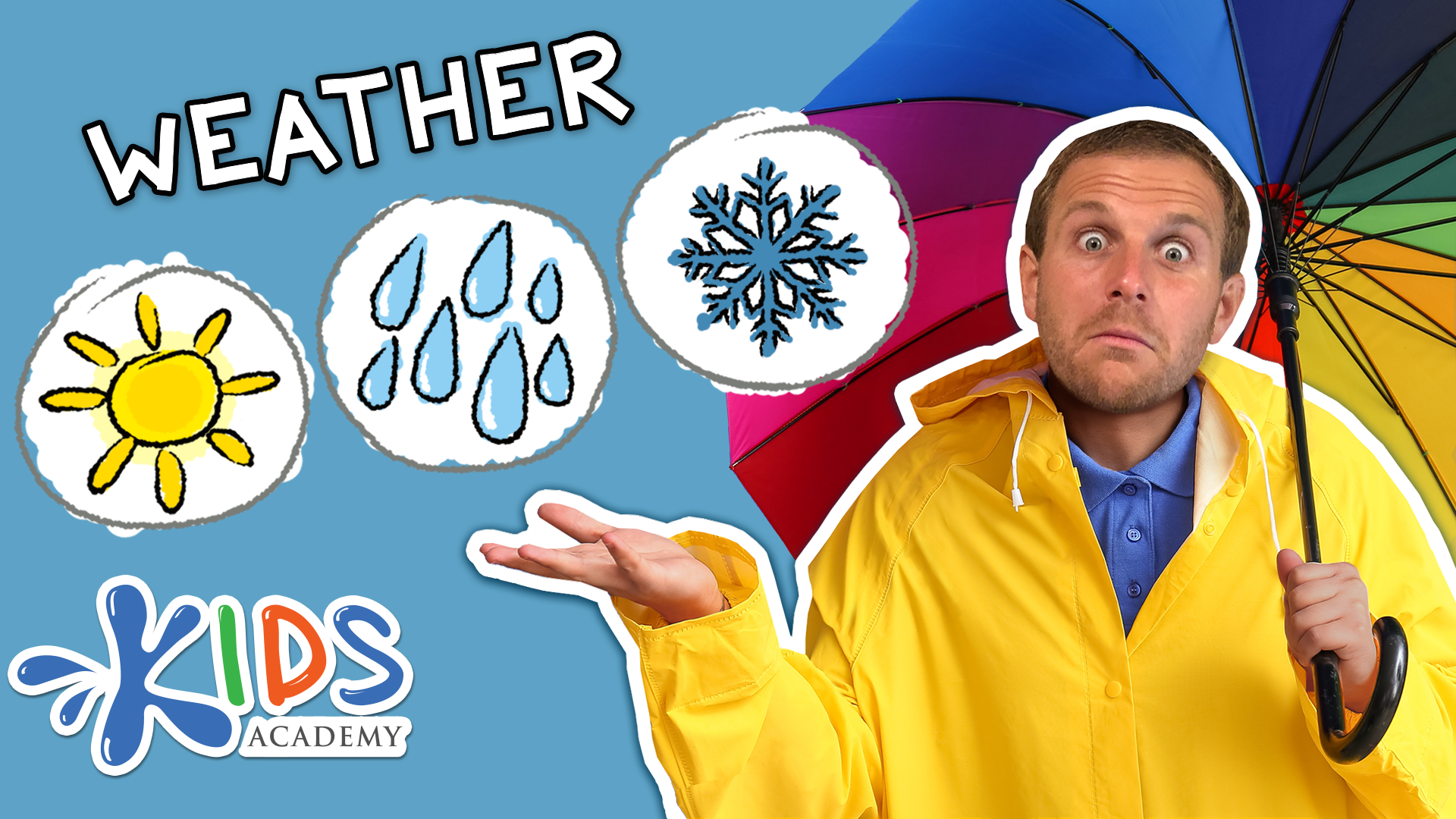




Parents and teachers should prioritize weather vocabulary for children ages 4-8 because it lays the foundation for essential life skills and language development. First, understanding weather terminology helps kids grasp concepts related to their environment, fostering curiosity about the world around them. By learning words like "rain," "snow," and "sunny," children begin to connect conditions to their daily experiences, enhancing their observational skills.
Moreover, weather vocabulary is integral to science education. It introduces children to basic meteorological concepts, promoting inquiry and exploration. This knowledge can serve as a gateway for deeper discussions on climate, seasons, and even environmental stewardship as they grow older.
Additionally, weather vocabulary enhances communication skills. Children learn to express their thoughts about changing weather patterns, empowering them to participate in conversations and share their experiences more effectively. This fosters social interaction and collaborative learning in classrooms and at home.
Lastly, knowing weather-related terms encourages safety. When children can describe weather conditions, they become more aware of how to dress appropriately or respond to severe weather, promoting their well-being. In summary, weather vocabulary supports cognitive, social, and practical learning, making it essential for young children's growth and development.