Motor skills development ABC Letters Worksheets for Ages 4-9
3 filtered results
-
From - To
Enhance your child's motor skills development with our engaging ABC Letters Worksheets, specifically designed for ages 4-9. These worksheets provide a fun and interactive way for young learners to practice writing letters while strengthening their fine motor skills. Each printable activity incorporates activities that promote hand-eye coordination, letter recognition, and handwriting proficiency. Whether your child is just starting to learn the alphabet or refining their writing abilities, these worksheets will support their educational journey. Perfect for home or classroom use, our resources are curated to foster confidence and creativity in young learners. Download now and make learning letters a joyful experience!
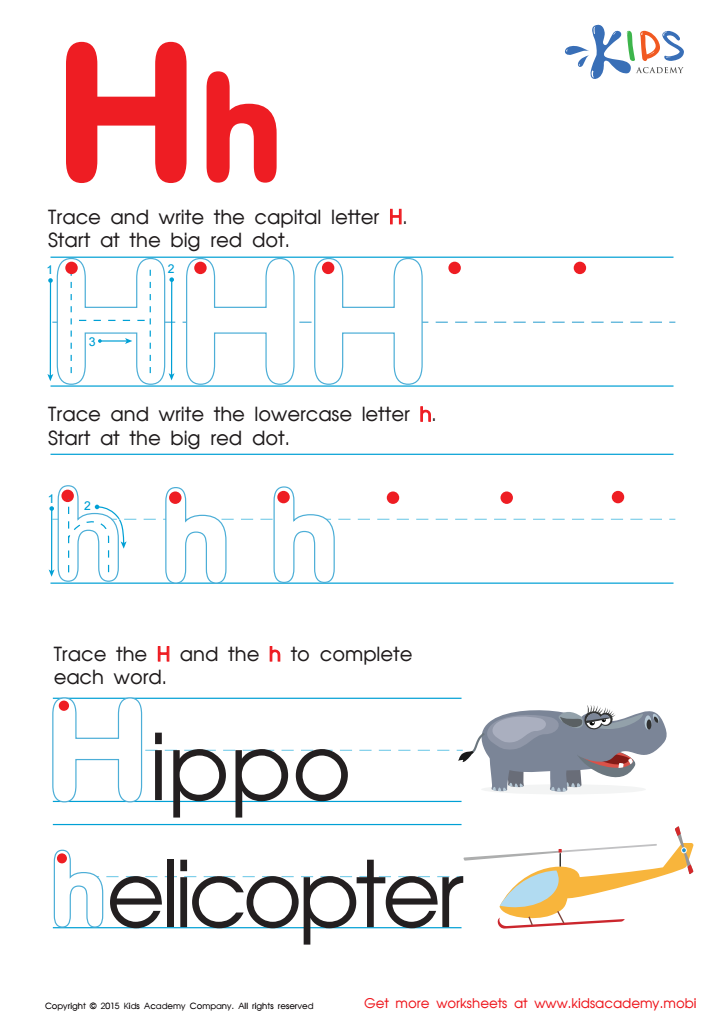
Letter H Tracing Page






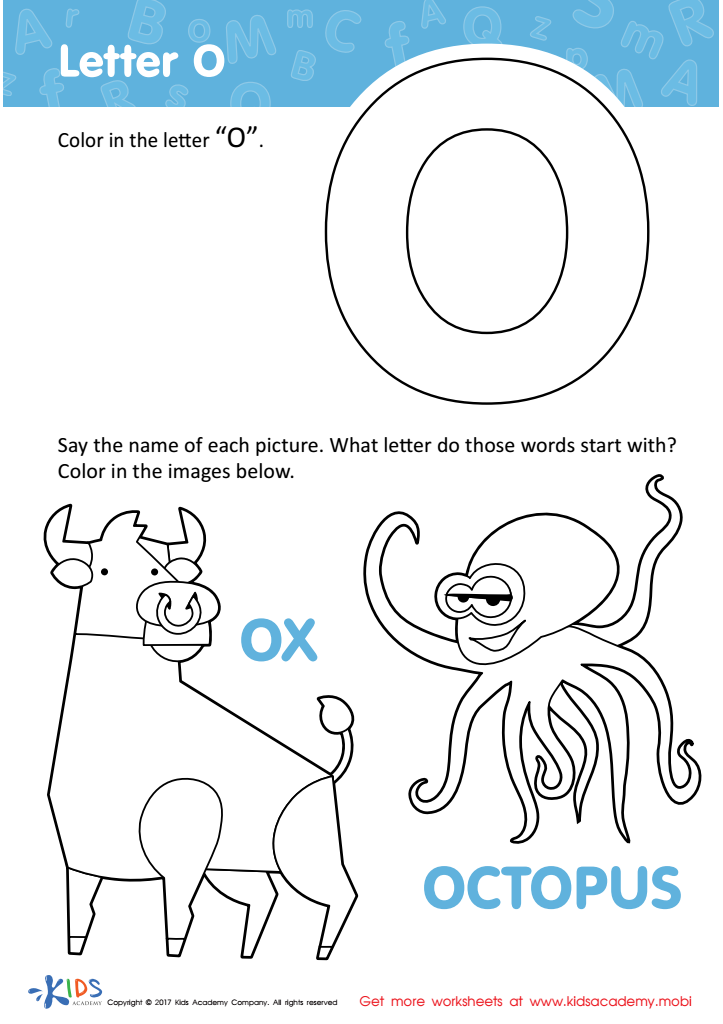
Letter O Coloring Sheet
 Assign to My Students
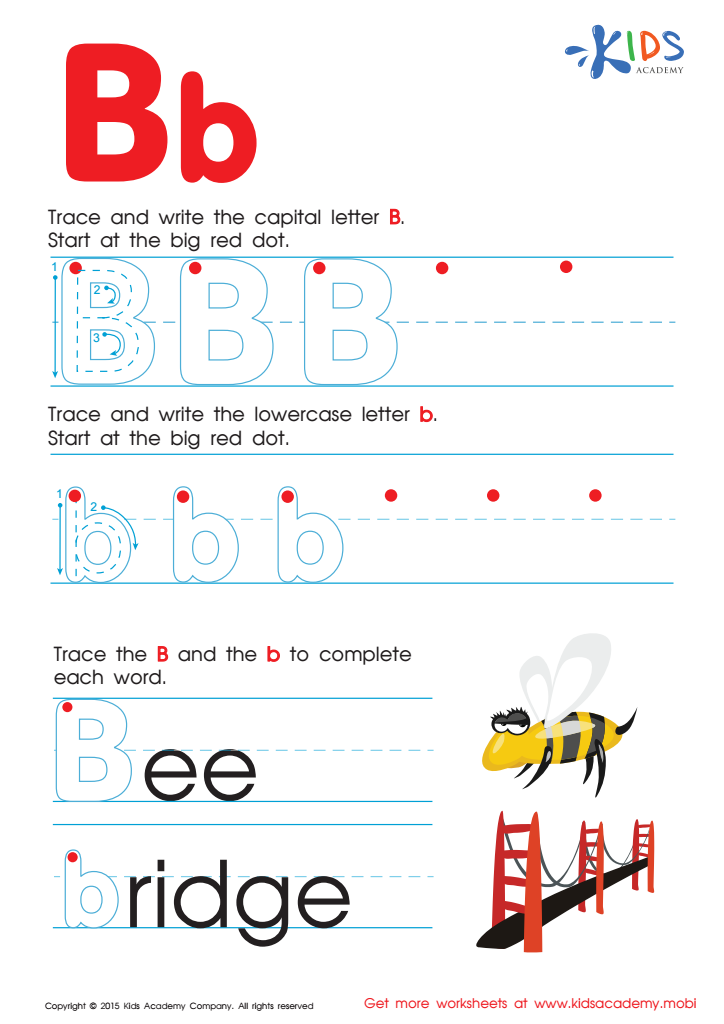
Letter B Tracing Page







Motor skills development is crucial for children aged 4-9, especially when it comes to learning the alphabet. Developing fine motor skills through activities like writing and drawing helps children gain control over their hand movements, which is essential for forming letters correctly. This dexterity not only aids in writing but also enhances their ability to engage in other daily tasks, such as tying shoes or using utensils.
Additionally, strong motor skills can boost children's confidence in their abilities, as they master tasks that require coordination. This confidence translates to better participation in classroom activities, fostering a love for learning. When children can comfortably manipulate writing tools, they can focus more on the content of their work rather than the mechanics of writing, ultimately leading to improved literacy skills.
Parents and teachers play a vital role in facilitating this development through fun and engaging activities. Whether it's through crafts, games, or simple writing exercises, encouraging children to practice their motor skills in a lively environment makes learning enjoyable. By prioritizing motor skills development, adults can help lay the foundation for better reading and writing outcomes, ensuring children are well-prepared for future educational challenges.







