Writing practice Letter A Worksheets for Ages 4-9
3 filtered results
Difficulty Level
Grade
Age
-
From - To
Subject
Activity
Standards
Enhance your child's writing skills with our "Writing Practice: Letter A Worksheets" designed for ages 4-9. These engaging worksheets offer a variety of activities to help young learners master the art of writing the letter A. With fun and interactive exercises, children will learn to recognize, trace, and write both uppercase and lowercase A, building essential handwriting skills and boosting confidence. Perfect for preschool to early elementary students, our worksheets support a strong foundation in literacy that will benefit your child as they progress through their education. Download now and watch your child’s writing flourish!
Favorites
With answer key
Interactive
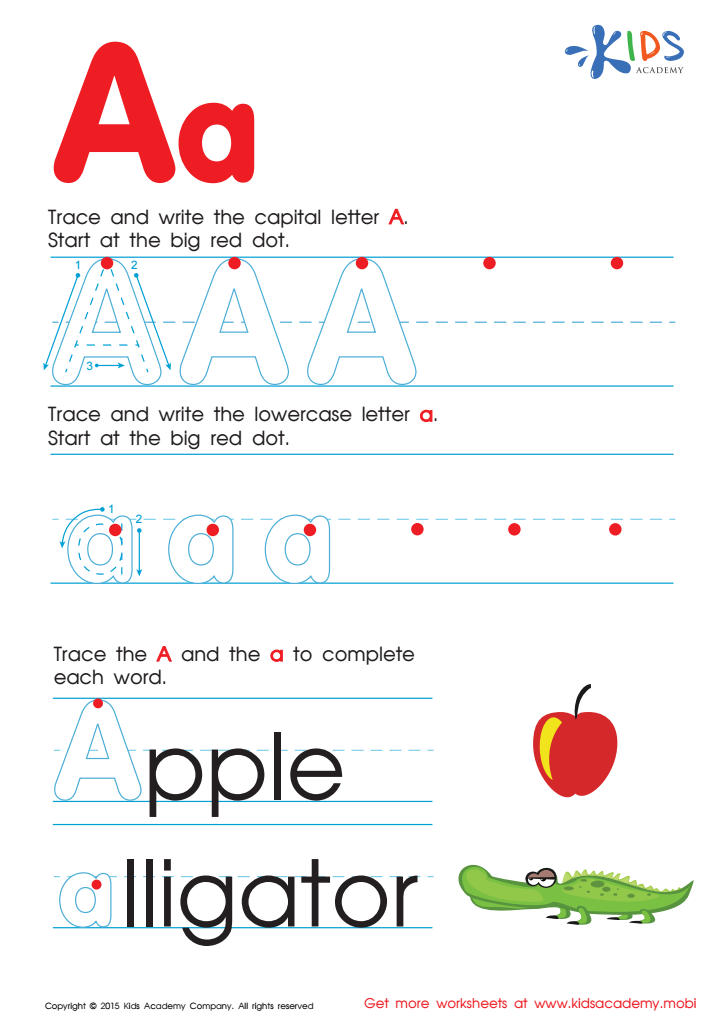
Letter A Tracing Page
Trace and write the letter "A"! Start with the big red dot, then do the capital and lowercase versions. Then write it again with two words - apple and alligator. Download more tracing worksheets at Kids Academy.
Letter A Tracing Page
Worksheet
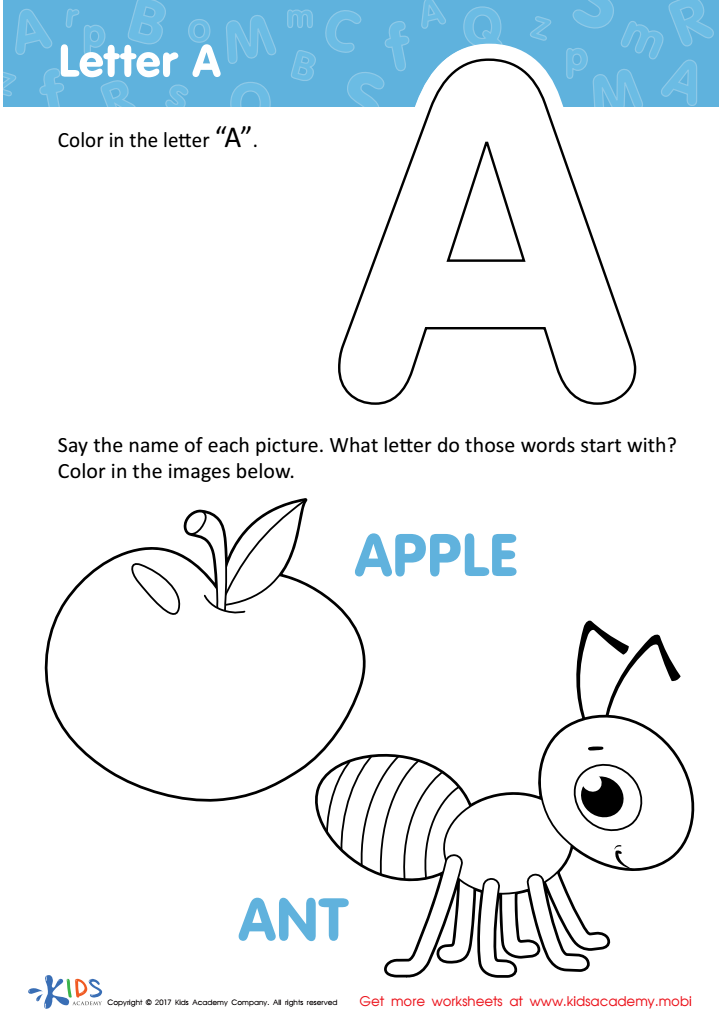
Letter A Coloring Sheet
This letter "A" coloring page is great for introducing kids to the alphabet! Let them exercise their creativity while they learn to recognize letters and sounds - it's a fun and easy way to help them get started.
Download (PDF)
 Assign to My Students
Assign to My Students
Letter A Coloring Sheet
Worksheet
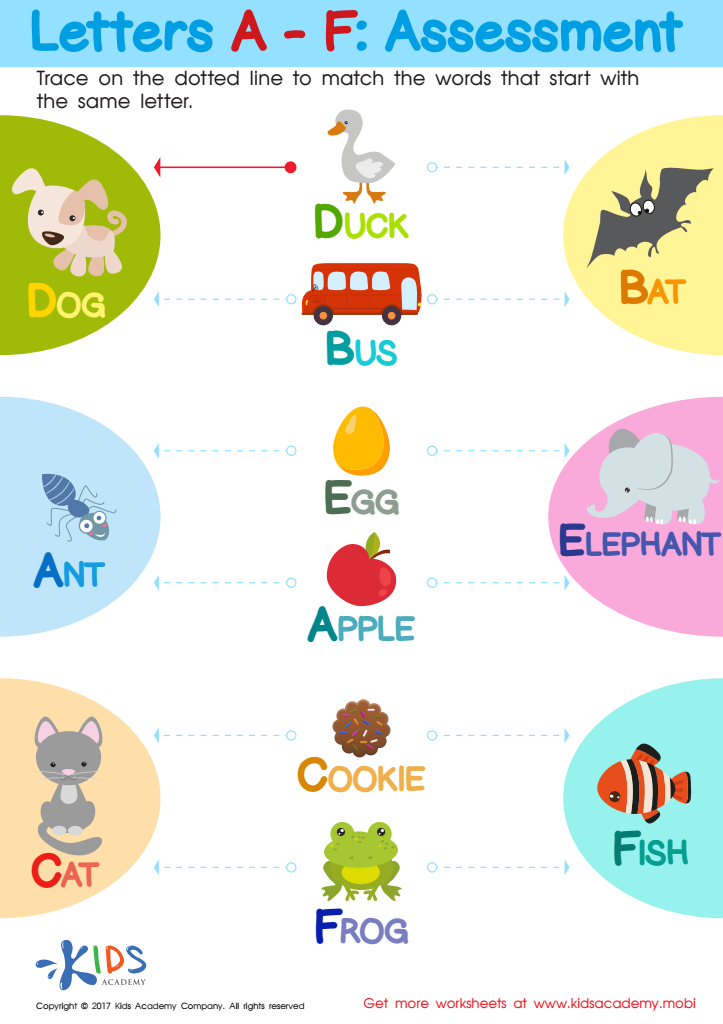
Letters A - F Worksheet
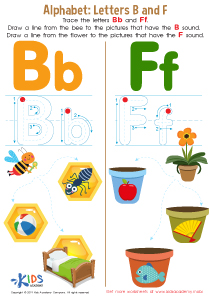
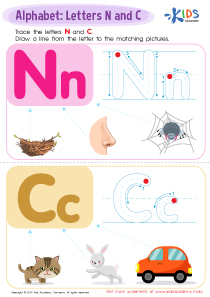
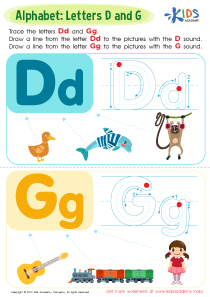
Help your child develop their reading skills with this fun phonics worksheet aimed at preschoolers. They can match letters A-F using colorful words and pictures. Assist your child by sounding out the letters and words - it's a great way to learn!
Letters A - F Worksheet
Worksheet
Join Kids Academy for Free
Who is primarily going to use this learning content?







Writing practice for the letter A is crucial for young children (ages 4-9) as it lays a foundational skill for literacy, which is essential for their academic and everyday success. At this age, children are in a critical development phase where their cognitive and motor skills are rapidly evolving. Practicing the letter A helps refine their fine motor skills, making their hand movements more controlled and precise. This, in turn, aids in other activities that require dexterity, like drawing or using scissors.
Additionally, becoming familiar with the letter A, one of the earliest letters in the alphabet, boosts children's confidence and sets a positive precedent for learning other letters and words. It helps children recognize the association between spoken sounds and their written representation, a fundamental aspect of reading and writing. Frequent practice ensures that these children can write legibly, an essential skill as they progress through their schooling.
Parents and teachers who invest time in these fundamental exercises provide children with the tools necessary for effective communication. Practicing the letter A also offers opportunities for reinforcing positive behaviors, such as consistency, patience, and following instructions. Overall, it prepares young minds for fluent literacy skills, boosting both their academic performance and confidence.