Motor skills development Letter Recognition Worksheets for Ages 4-9
5 filtered results
-
From - To
Boost your child's learning journey with our "Motor Skills Development Letter Recognition Worksheets for Ages 4-9." These expertly crafted worksheets seamlessly blend fun and education, helping young learners strengthen fine motor skills while mastering letter recognition. Perfect for preschool to early elementary students, each activity is designed to engage and challenge, promoting effective grip and hand-eye coordination. Our interactive tasks ensure kids build essential foundations for reading and writing through playful practice. Spark curiosity and confidence in your child with these dynamic resources, paving the way for academic success! Ideal for both classroom and at-home learning.
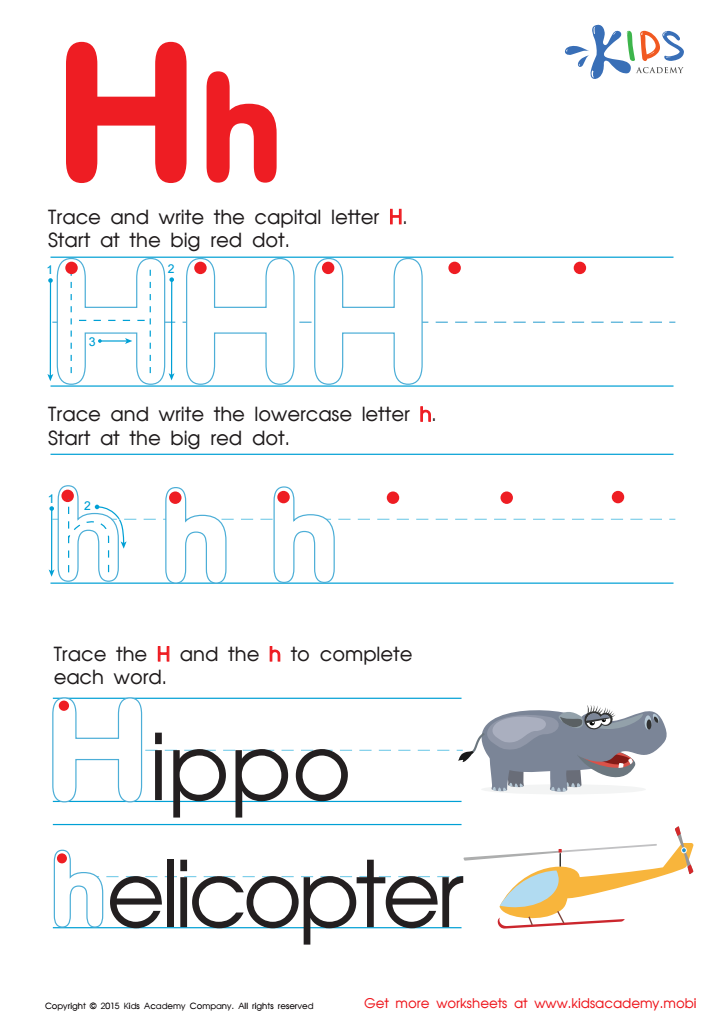
Letter H Tracing Page
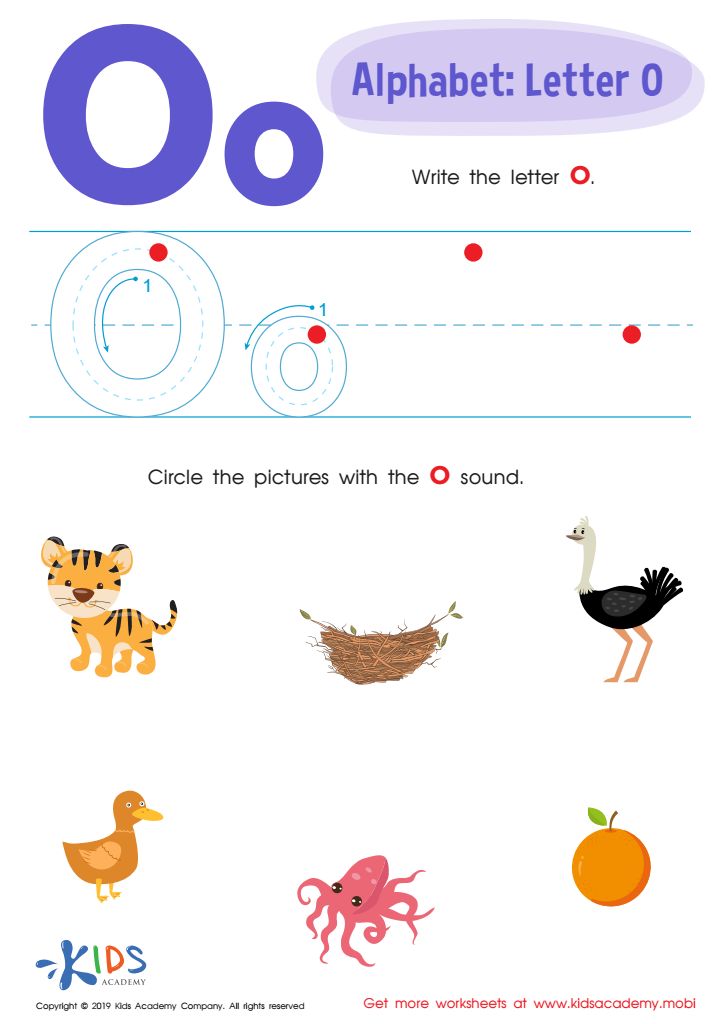
Letter O Tracing Worksheet
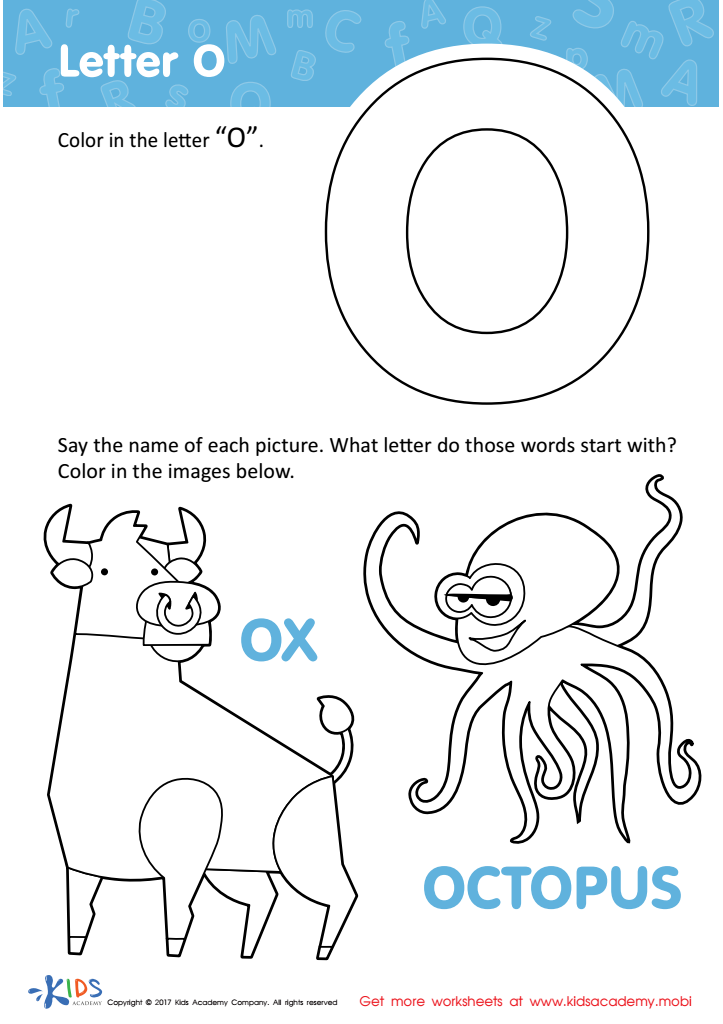
Letter O Coloring Sheet
 Assign to My Students
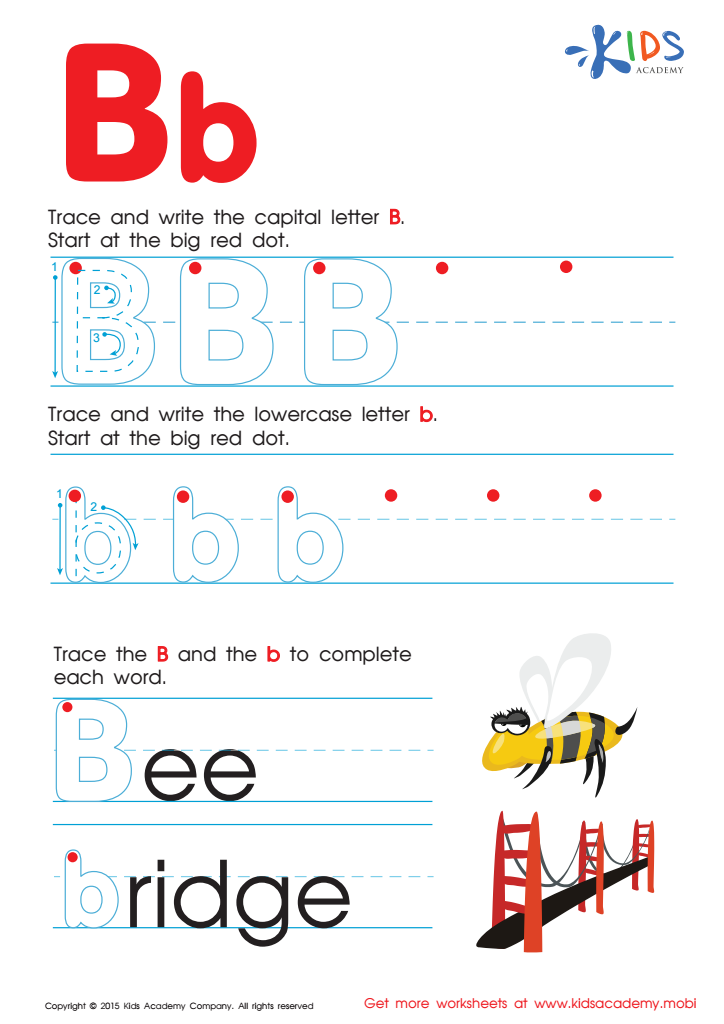
Letter B Tracing Page
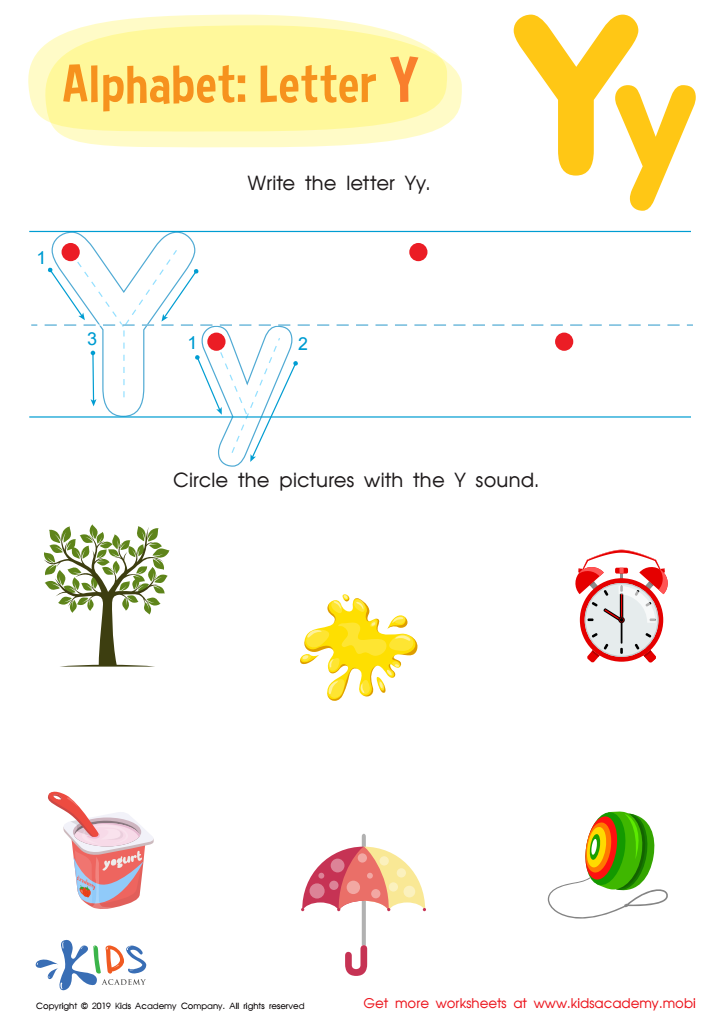
Letter Y Tracing Worksheet








Motor skills development and letter recognition are fundamental components of early childhood education that parents and teachers should prioritize for children ages 4-9. Fine motor skills involve the coordination of small muscles in actions like writing, buttoning, and cutting. When children engage in activities that enhance these skills—such as playing with building blocks, drawing, or using scissors—they develop hand-eye coordination, manual dexterity, and precision. These abilities are crucial as they directly impact a child’s ability to write legibly and comfortably, making the learning process more efficient and enjoyable.
Letter recognition, on the other hand, is the capacity to identify and name the letters of the alphabet, both in uppercase and lowercase forms. This skill is the cornerstone of literacy, as it directly correlates with reading and writing proficiency. Without foundational letter recognition, children would struggle with decoding words, which is essential for fluent reading and comprehension.
In combination, prowess in motor skills enables children to physically write letters, while strong letter recognition ensures they understand what they are writing. Together, these abilities pave the way for academic success, laying a strong groundwork for more complex literacy and numeracy skills. Encouraging development in these areas fosters cognitive growth, boosts confidence, and sets a positive trajectory for lifelong learning.







