Visual discrimination Letter Recognition Worksheets for Ages 4-9
5 filtered results
-
From - To
Enhance your child's early literacy skills with our Visual Discrimination Letter Recognition Worksheets, designed specifically for ages 4-9. These engaging and interactive worksheets help young learners distinguish between similar letters and shapes, fostering essential visual perception skills vital for reading and writing. Through colorful activities and fun exercises, children will improve their ability to recognize letters accurately, setting a strong foundation for future academic success. Perfect for home or classroom use, our resources cater to diverse learning styles. Start your child's journey to becoming a confident reader with these expertly crafted worksheets today!
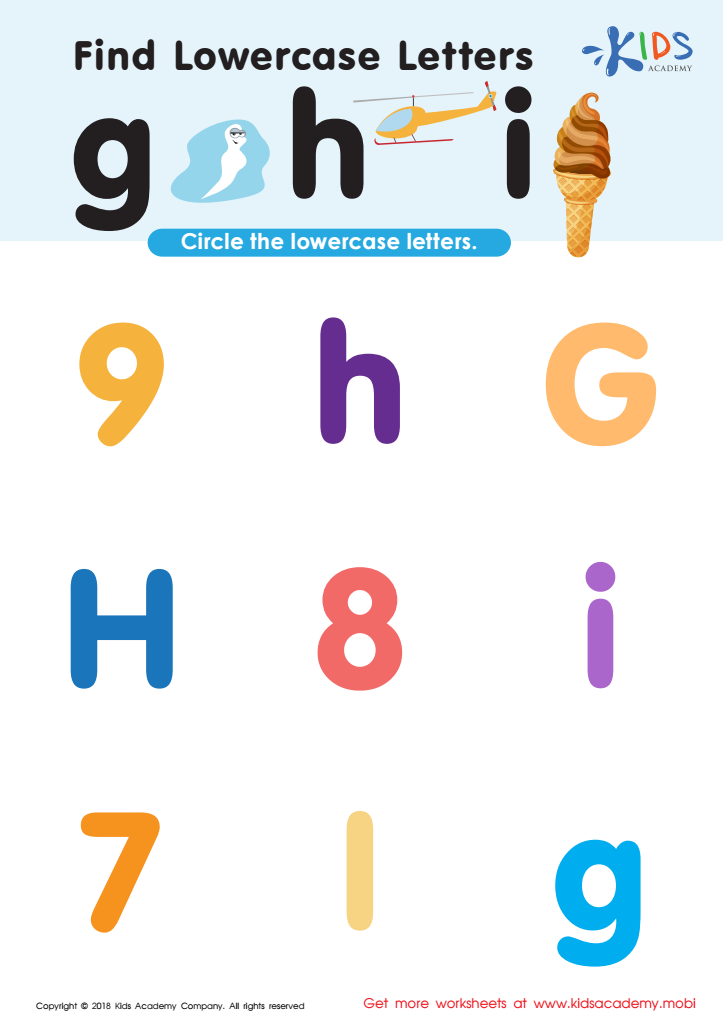
Find Lowercase Letters g h i Worksheet
 Assign to My Students
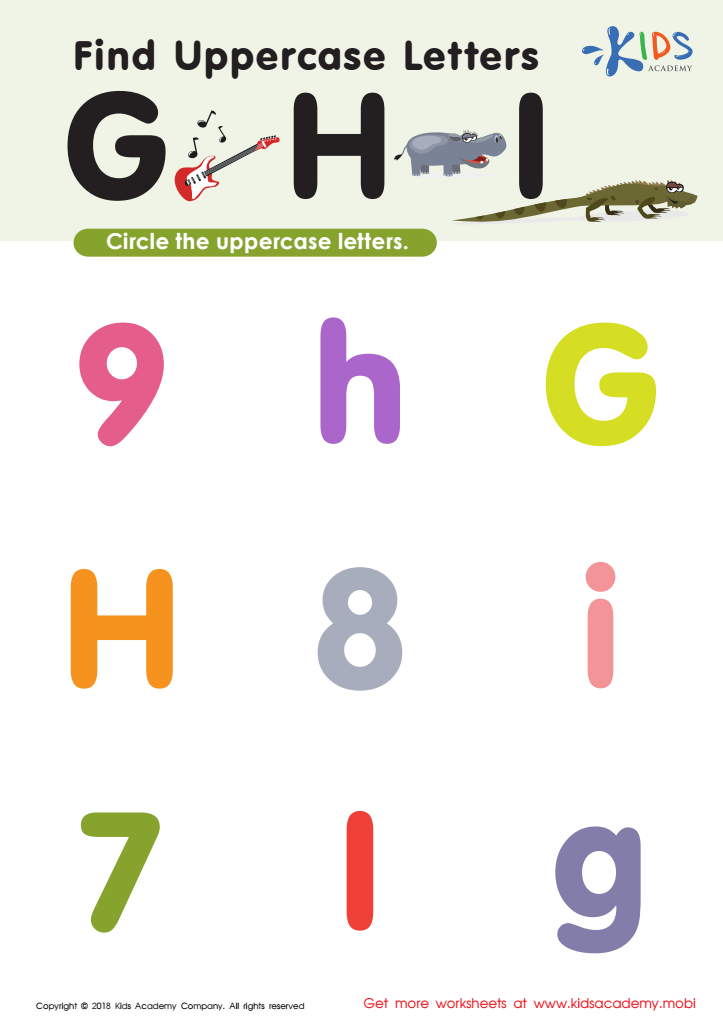
Find Uppercase Letters G, H, and I Worksheet
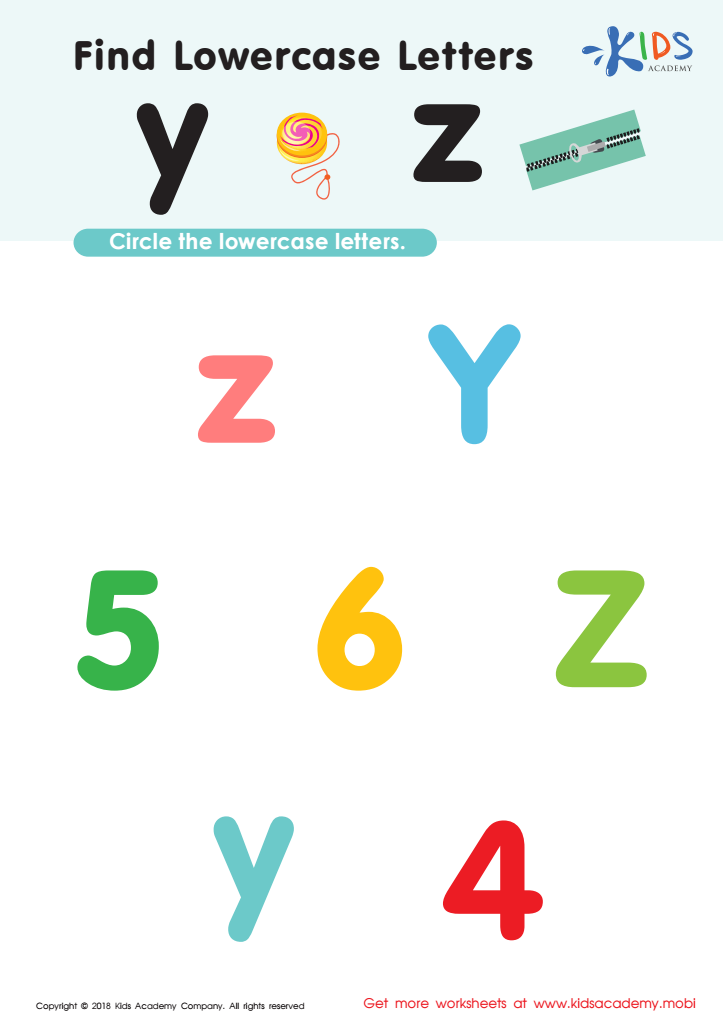
Find Lowercase Letters y z Worksheet
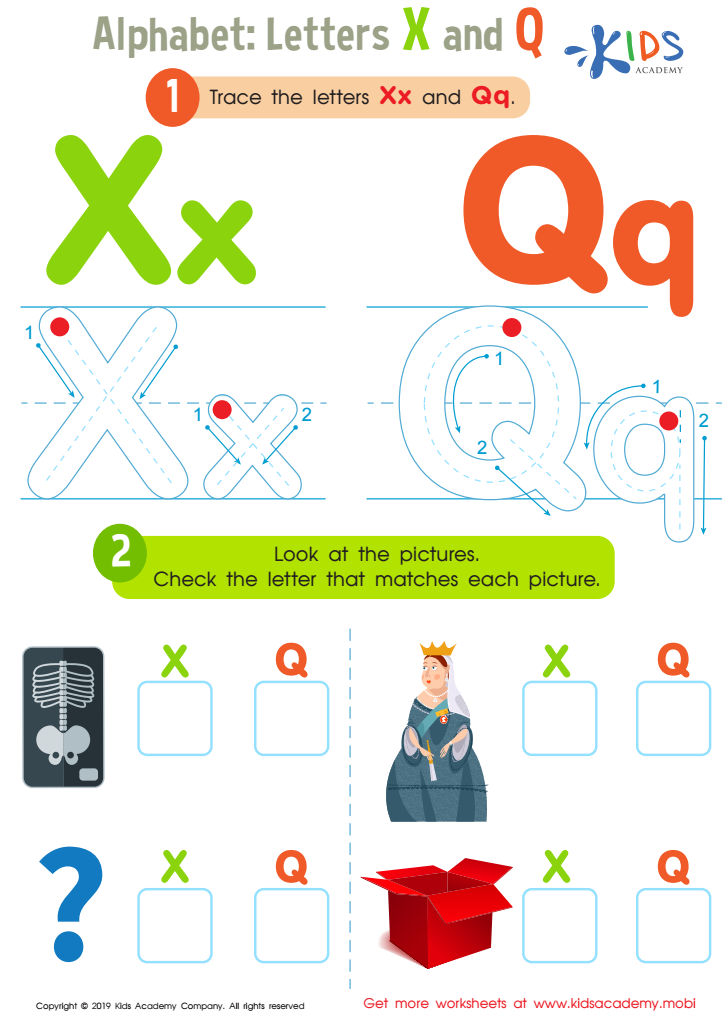
Letters X and Q Tracing Worksheet
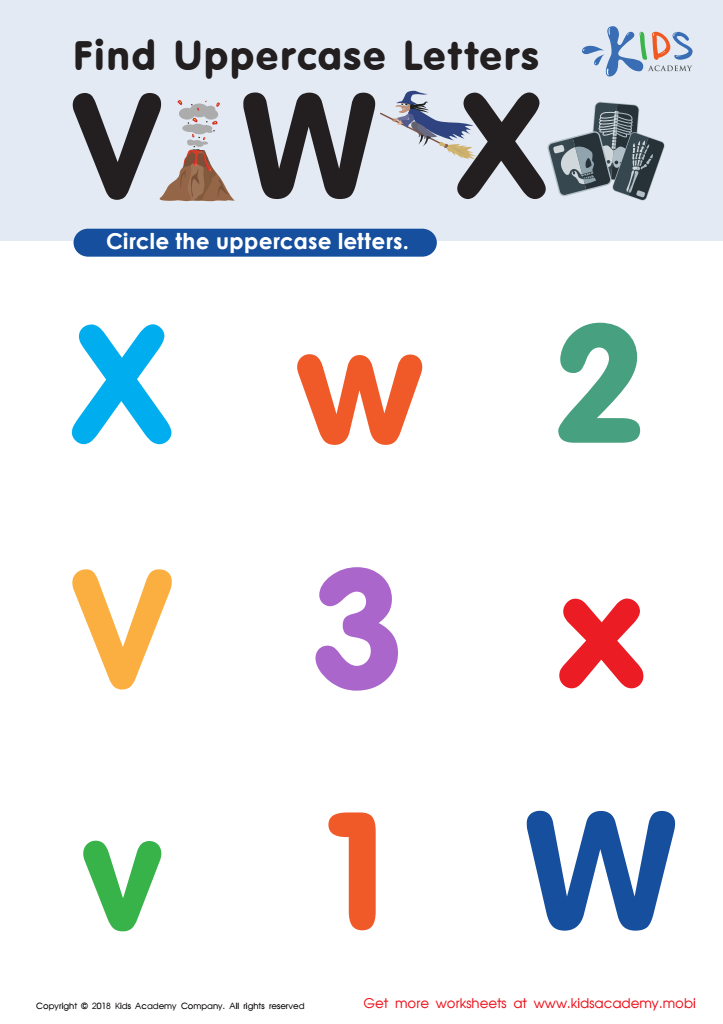
Find Uppercase Letters V, W, X Worksheet








Visual discrimination letter recognition is a crucial skill for children aged 4-9 as it lays the foundation for reading and writing. This ability enables children to distinguish between different letters, which is vital in the early stages of literacy development. When children can easily identify and differentiate letters, they are better equipped to understand words, thereby promoting their reading skills.
Parents and teachers should care about this skill because it directly impacts a child's confidence and motivation in learning. Early proficiency in letter recognition sparks interest in reading and enhances vocabulary development, which are essential components of academic success. Without strong visual discrimination, children may struggle with word recognition, leading to frustration and a negative attitude toward learning.
Furthermore, fostering visual discrimination can aid in developing other cognitive skills such as memory, attention, and processing speed. Engaging children through activities like puzzles, matching games, and reading exercises not only makes learning enjoyable but also reinforces neural connections essential for literacy.
Ultimately, prioritizing visual discrimination letter recognition empowers children to become proficient readers and writers, setting them on a path for lifelong learning and academic achievement. This foundational step is what ensures successful engagement with future educational endeavors.







