Vocabulary Building Letter Recognition Worksheets for Ages 4-9
3 filtered results
-
From - To
Discover engaging Vocabulary Building Letter Recognition Worksheets designed specifically for children aged 4-9! These interactive resources help young learners develop essential literacy skills by enhancing their understanding of letters and vocabulary. Our worksheets combine fun activities with educational content, encouraging kids to recognize letters while expanding their word knowledge. Perfect for at-home learning or classroom use, these worksheets feature captivating illustrations and varied exercises that cater to different learning styles. Foster a love for reading and language in your child as they practice identifying letters and building vocabulary—setting a strong foundation for future academic success!
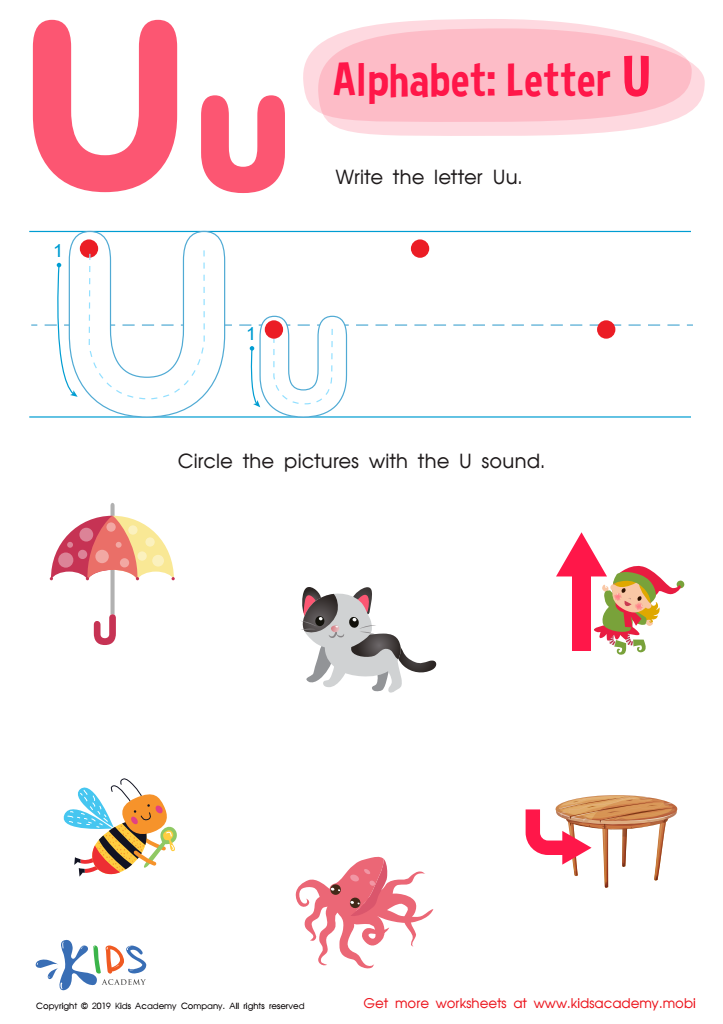
Letter U Tracing Worksheet
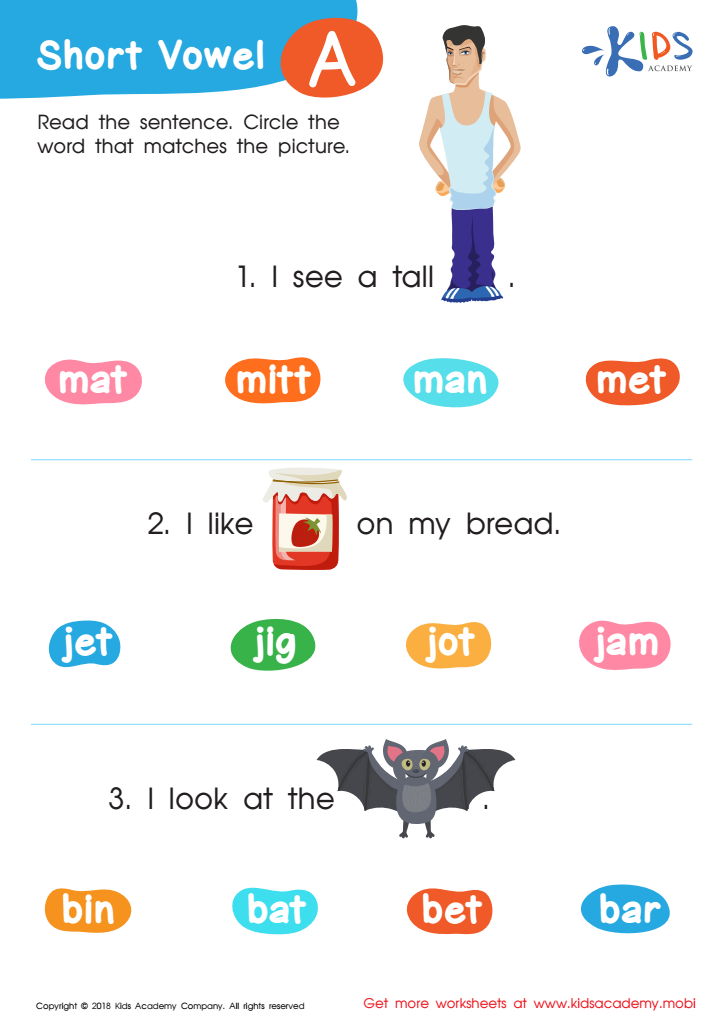
Short Vowel /a/ Worksheet
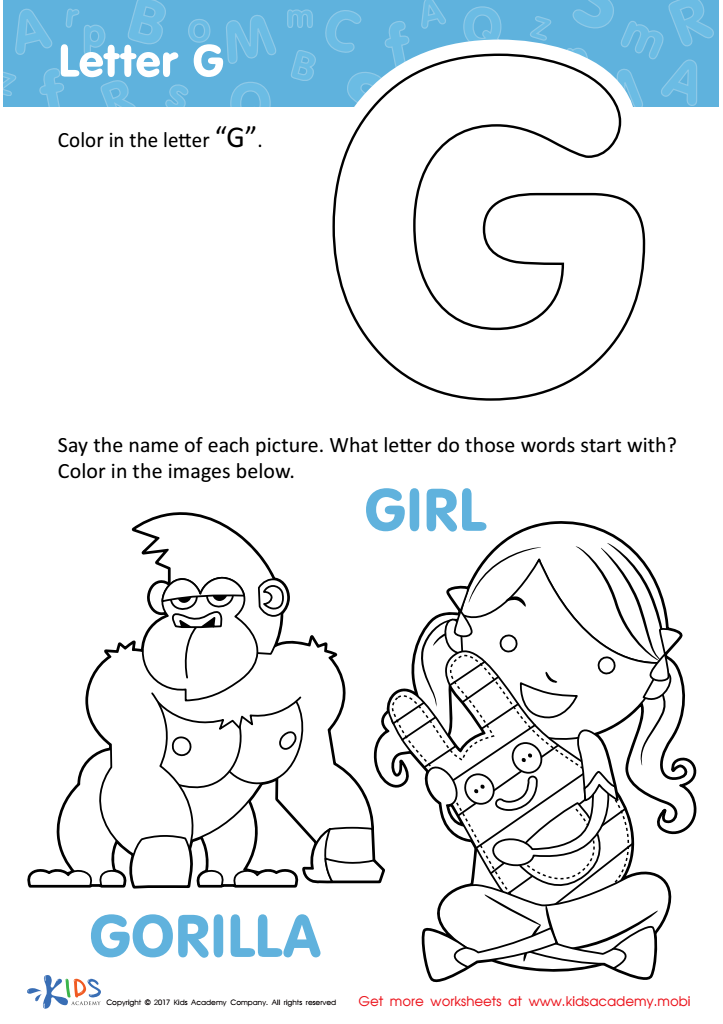
Letter G Coloring Sheet
 Assign to My Students








Vocabulary building and letter recognition are crucial components of early literacy development for children aged 4-9. During these formative years, children are like sponges, eagerly absorbing information and developing foundational skills that will serve them throughout their academic journeys. Caring about vocabulary building is essential because a robust vocabulary enhances reading comprehension, communication, and overall cognitive development. When children encounter new words, they not only gain knowledge but also improve their ability to express themselves effectively.
Letter recognition is equally important as it sets the groundwork for reading and writing. Familiarity with the alphabet helps children decode words, recognize phonetic patterns, and spell correctly, facilitating a smoother transition into fluent reading and writing. Moreover, mastering these skills boosts children's confidence in their academic abilities, making them more willing to engage in learning activities.
For parents and teachers, fostering a rich language environment and providing opportunities for interactive activities can greatly influence children's success. Encouraging conversations, reading together, and employing phonics games are practical ways to enrich their vocabulary and letter knowledge. By prioritizing these areas, parents and educators can significantly impact children's love for language and capacity for learning throughout their lives.







