Motor skills development Flora and Fauna Worksheets for Ages 4-9
5 filtered results
-
From - To
Welcome to our "Motor Skills Development Flora and Fauna Worksheets" for children ages 4-9! These engaging worksheets are designed to enhance young learners' fine and gross motor skills through fun and interactive activities centered around nature. From coloring beautiful images of plants and animals to tracing and cutting exercises, children will improve their hand-eye coordination while exploring the enchanting world of flora and fauna. This resource not only fosters creativity but also supports essential developmental milestones in a joyful and stimulating way. Visit us today to download these worksheets and inspire the next generation of nature lovers!
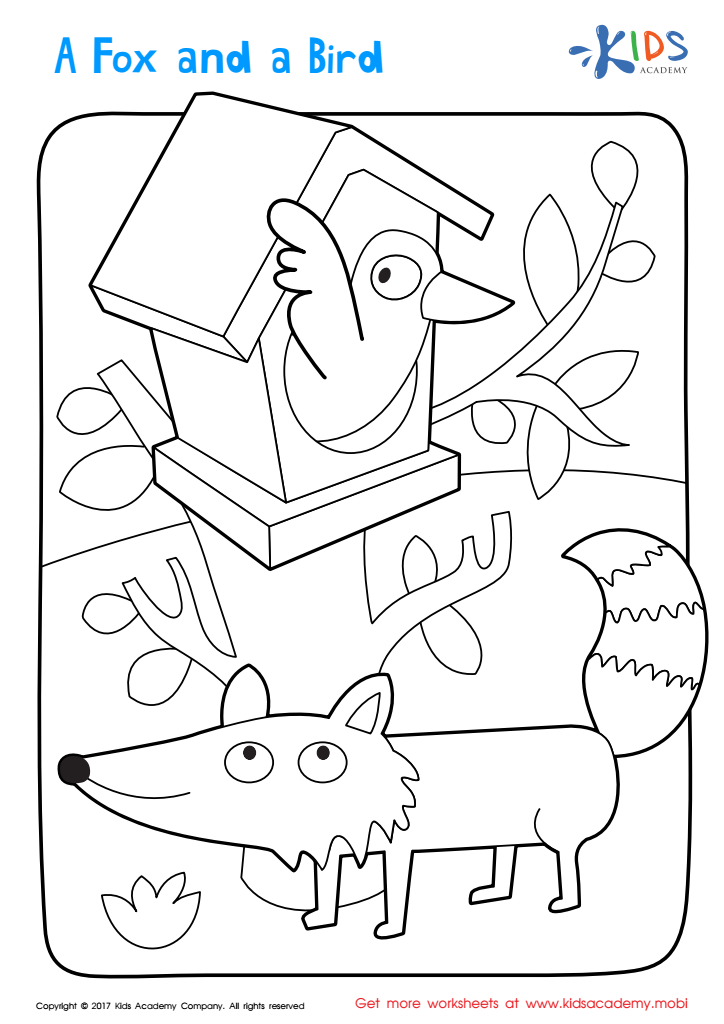
A Fox and Bird Coloring Page
 Assign to My Students
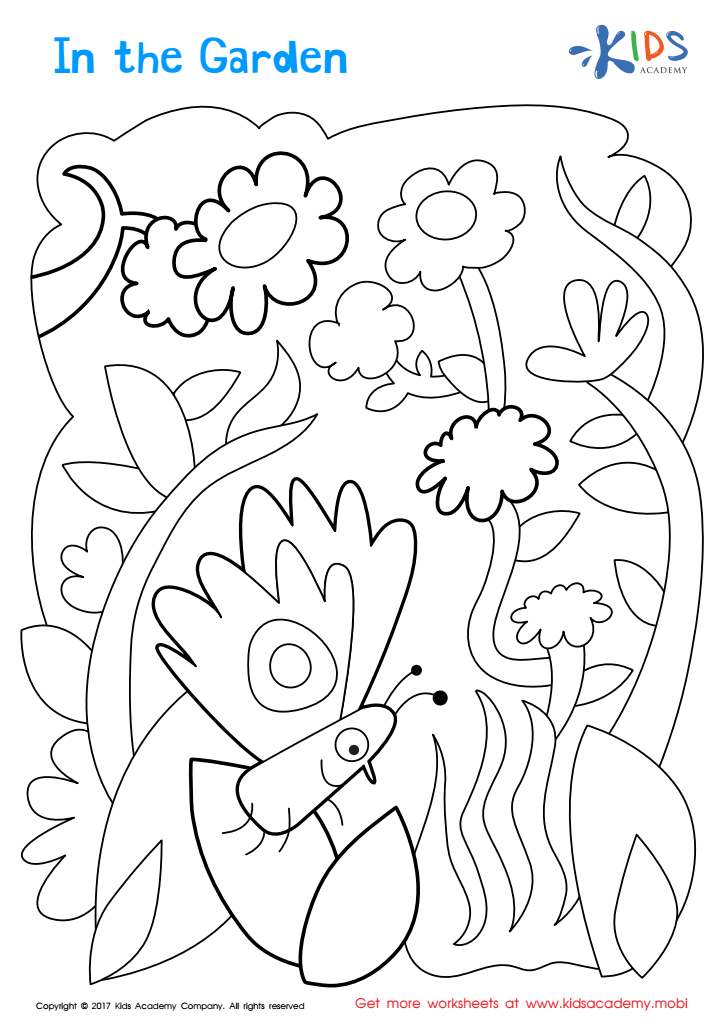
In The Garden Coloring Page
Assign to My Students
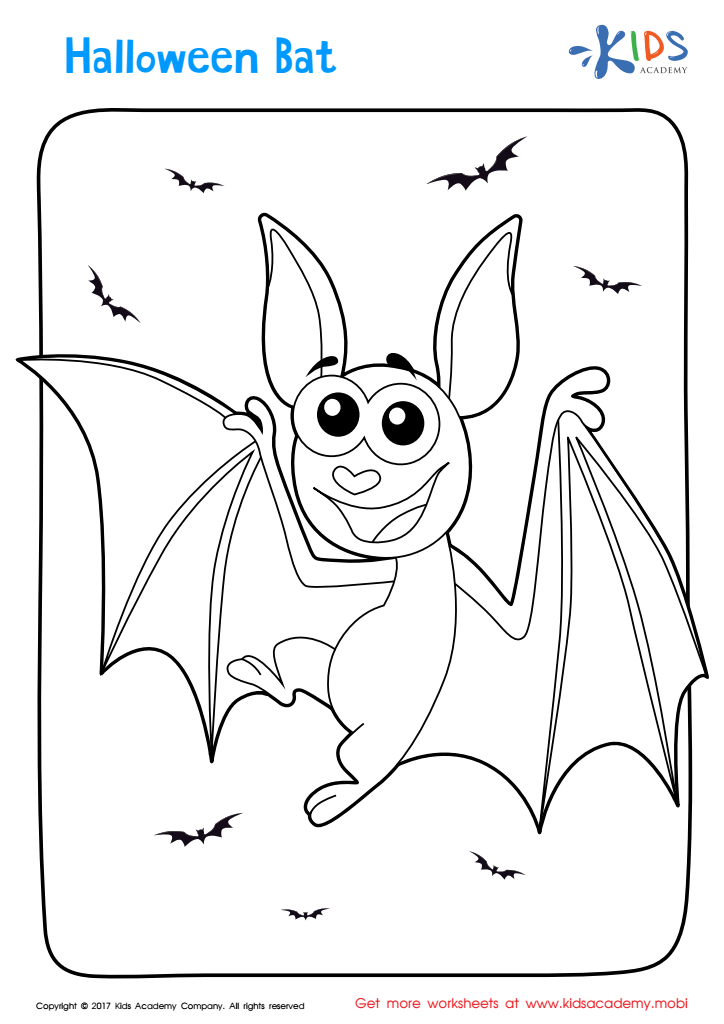
Halloween: A Bat Printable
Assign to My Students
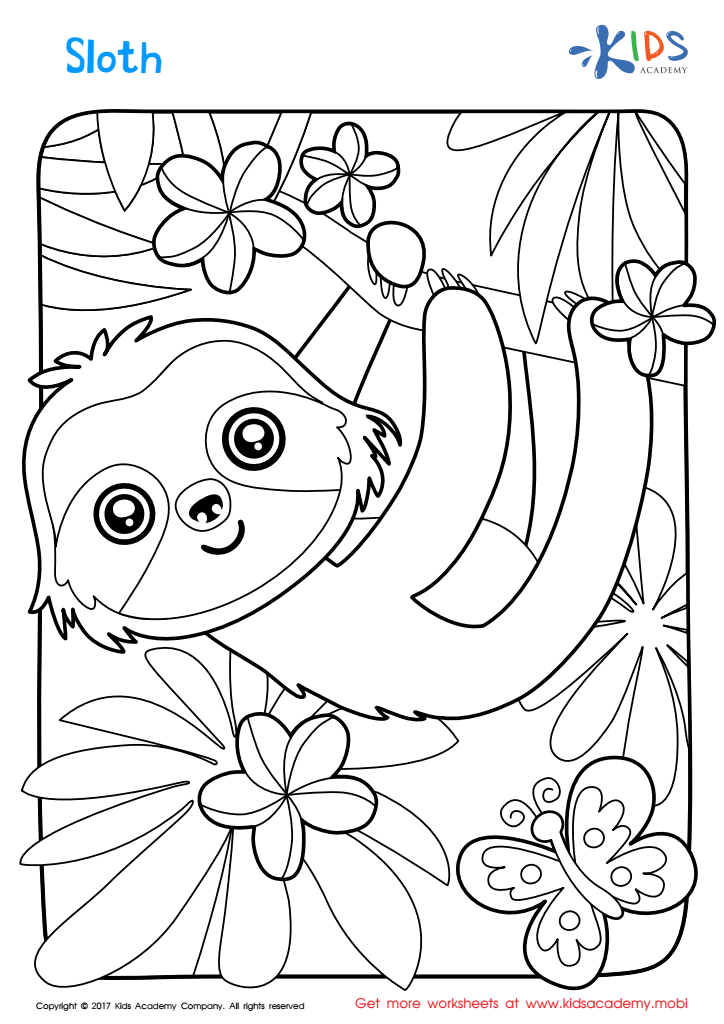
Sloth Worksheet
Assign to My Students

Picnic Time Coloring Page
Assign to My Students


Motor skills development, particularly in the context of exploring flora and fauna, plays a crucial role in children's growth between the ages of 4 and 9. During these formative years, kids are naturally curious about their environment, and engaging with nature enhances their fine and gross motor skills. Activities such as planting seeds, observing insects, or collecting leaves require coordination, balance, and hand-eye precision, fostering physical development.
Moreover, exploring flora and fauna can significantly enrich children's cognitive and social skills. As they identify different plants and animals, they learn to recognize patterns and differences, enhancing critical thinking and scientific reasoning. Collaborative activities, such as group gardening or nature walks, promote teamwork and communication, aiding social development.
In addition, interacting with nature has been shown to boost emotional well-being and reduce stress, making learning more effective and enjoyable. For parents and teachers, prioritizing motor skills development through exploration of flora and fauna nurtures well-rounded, healthy children. It fosters a deeper appreciation for the environment, encourages healthy lifestyles, and inspires lifelong learning. Therefore, incorporating nature-based activities into early education is essential for holistic development in children aged 4 to 9.