History knowledge 4th of July Worksheets for Ages 4-9
3 filtered results
Difficulty Level
Grade
Age
-
From - To
Subject
Activity
Standards
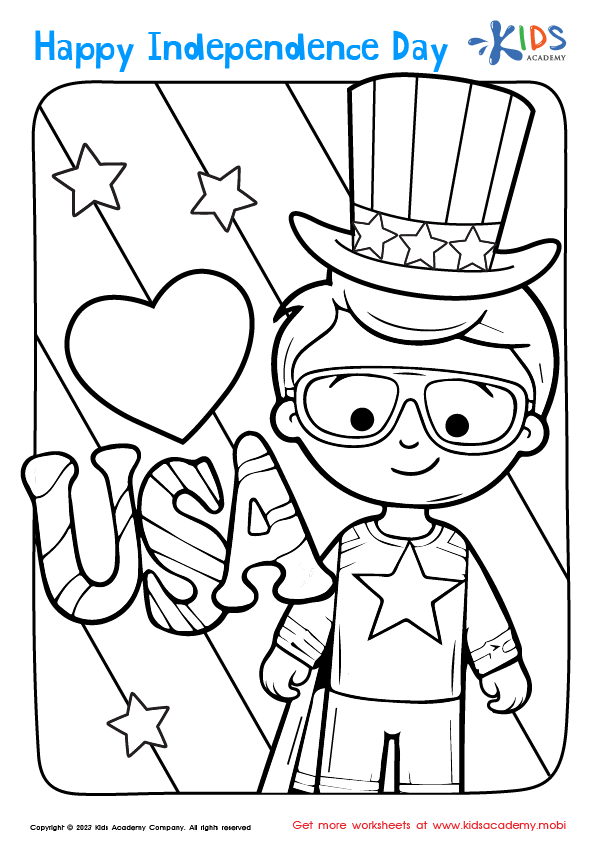
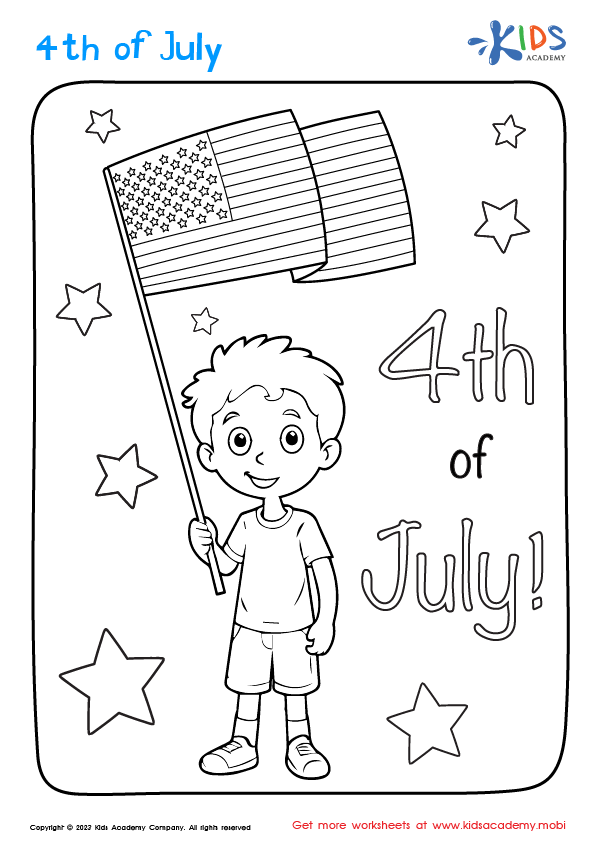
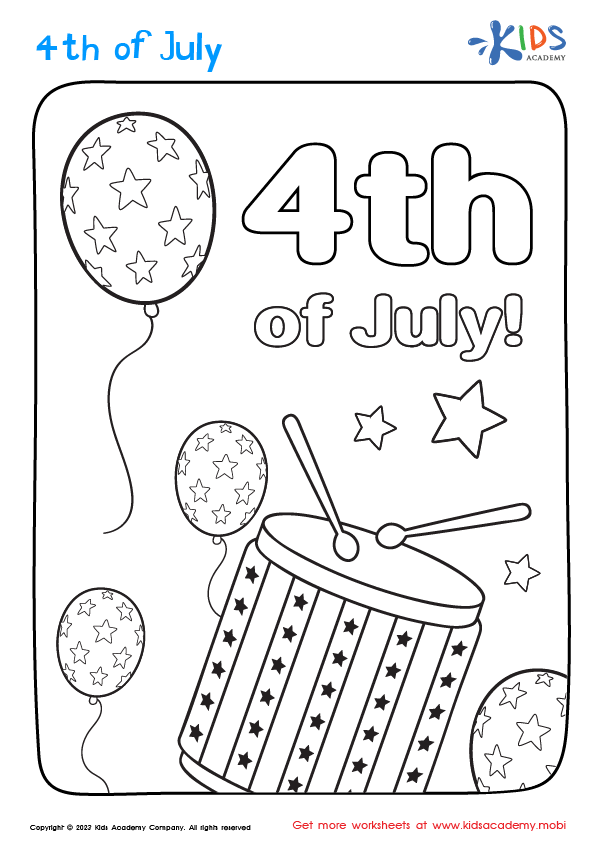
Discover engaging "History Knowledge 4th of July Worksheets" designed for children ages 4-9. These colorful and interactive resources emphasize the significance of Independence Day through fun activities that blend learning and creativity. Filled with educational exercises, kids will explore key historical facts, symbols, and traditions associated with the 4th of July. Worksheets include captivating facts, coloring opportunities, and puzzles, ensuring that young learners grasp important historical concepts while having fun. Perfect for both classroom settings and home learning, these worksheets aim to instill a love of history in kids while celebrating America's freedom and heritage. Dive into Independence Day learning today!
Favorites
With answer key
Interactive
Join Kids Academy for Free
Who is primarily going to use this learning content?


Parents and teachers should prioritize teaching history, particularly about significant events like the 4th of July, for children ages 4-9 for several reasons. First, understanding the 4th of July fosters a sense of national identity and pride. It helps children grasp the values of freedom, independence, and democracy that are central to the United States’ history. This foundational knowledge encourages them to appreciate their heritage and roles as responsible citizens.
Moreover, introducing young learners to history ignites curiosity and critical thinking. In discussing key figures like the Founding Fathers or important documents such as the Declaration of Independence, children can explore themes of leadership, sacrifice, and justice, promoting a deeper understanding of these concepts.
Storytelling about historical events, particularly through engaging activities, and age-appropriate resources can make learning enjoyable. It also provides students with context for contemporary issues, linking the past with the present and helping them understand the evolution of their society.
Lastly, as they learn about the 4th of July, children develop language and communication skills, as they discuss, ask questions, and share ideas about history. This reinforces vocabulary, comprehension, and their ability to articulate thoughts, making history not just informative but an enriching part of their early education.