Letter tracing skills English for Beginners Worksheets for Ages 4-9
3 filtered results
-
From - To
Enhance your child’s writing and cognitive skills with our engaging "Letter Tracing Skills" worksheets, designed specifically for beginners ages 4-9. These worksheets provide a fun and interactive way for young learners to practice tracing uppercase and lowercase letters while building fine motor skills and improving hand-eye coordination. Perfect for ESL learners, our worksheets incorporate colorful visuals and playful themes that capture children's attention and foster a love for learning. Parents and educators can easily access and print these resources, making it convenient to reinforce essential literacy skills at home or in the classroom. Start your child's letter tracing journey today!
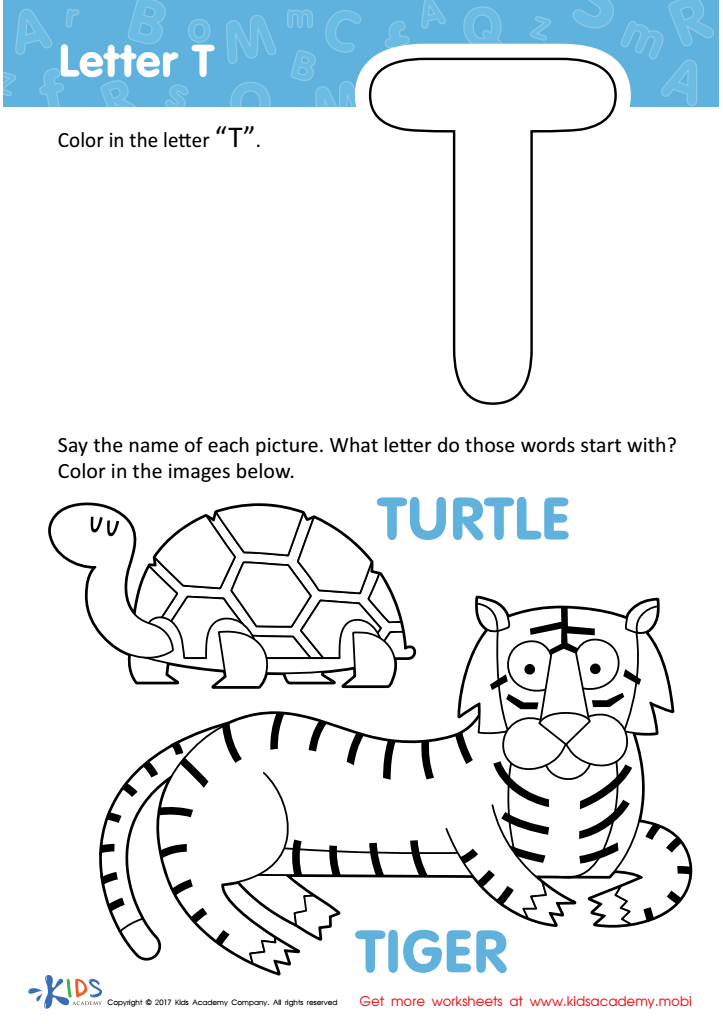
Letter T Coloring Sheet
 Assign to My Students
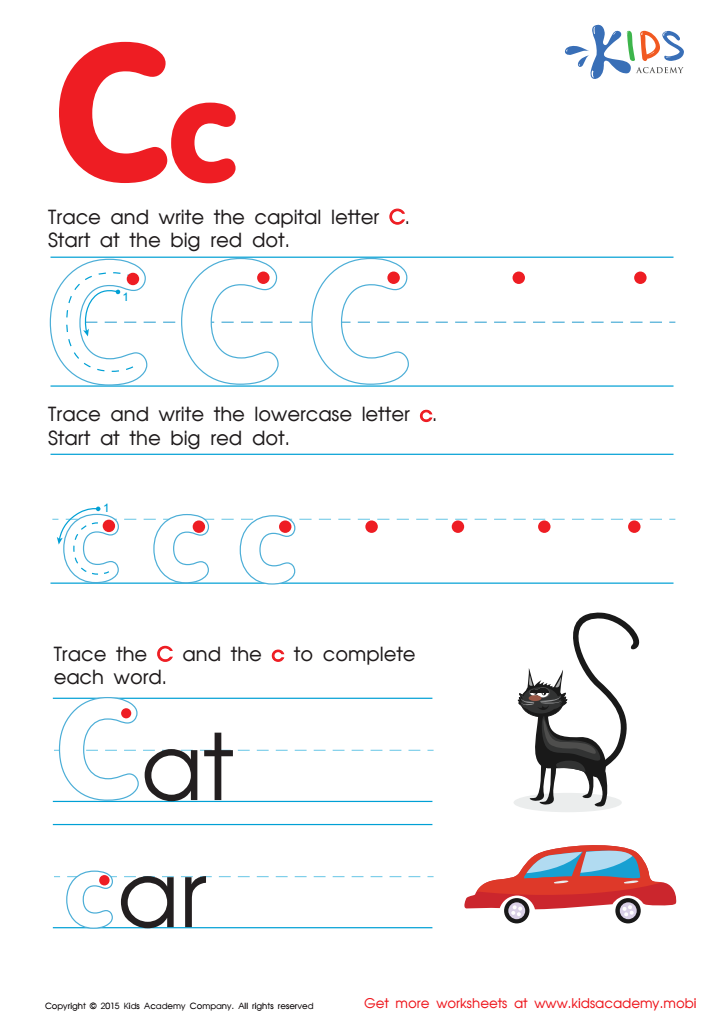
Letter C Tracing Page
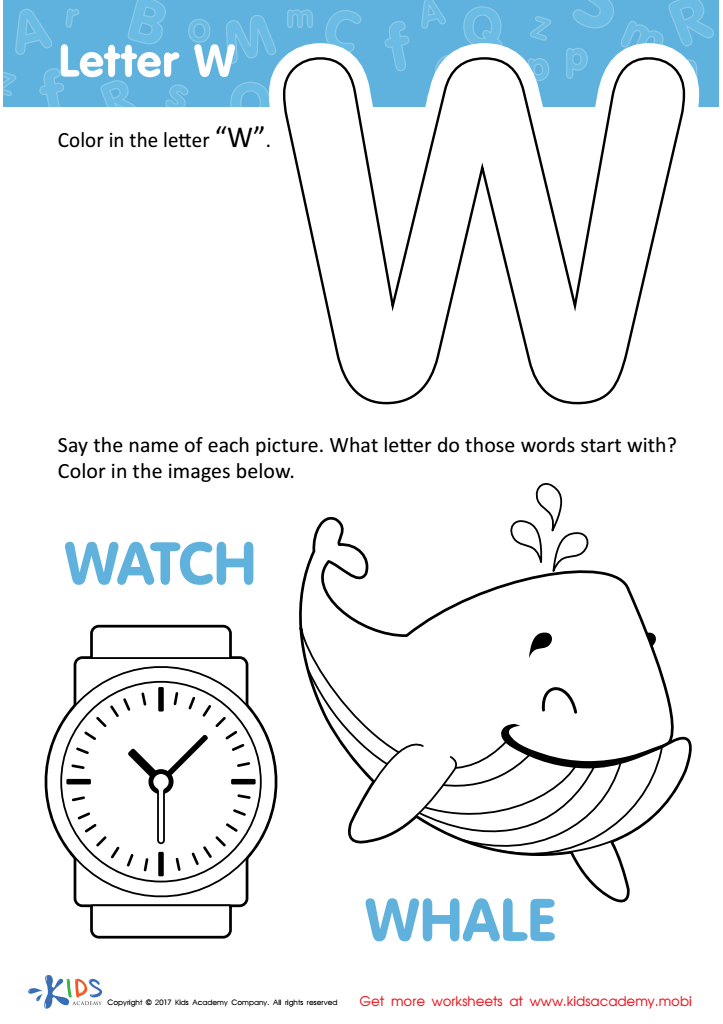
Letter W Coloring Sheet
Assign to My Students





Parents and teachers should prioritize letter tracing skills for beginners aged 4-9 as it lays a crucial foundation for literacy and academic success. Developing these fine motor skills enhances children’s ability to write letters correctly and legibly, promoting confidence in their writing abilities. Tracing helps solidify letter recognition, which is essential for reading and phonics, enabling children to connect sounds to their written forms.
Moreover, letter tracing nurtures cognitive development as it encourages concentration, focus, and hand-eye coordination. As children practice tracing, they engage in both visual and tactile learning experiences, which reinforce memory retention. This early writing practice supports not only writing readiness but also encourages creativity and expression through different writing styles and formats.
Additionally, fostering letter tracing as part of early education can create positive associations with writing, motivating children to engage more in reading and writing activities. By incorporating letter tracing into their routines, parents and teachers can enhance literacy skills in a structured and enjoyable manner, ultimately setting a strong foundation for lifelong learning. Investing time and resources into this developmental skill can lead to significant long-term advantages in children's academic journeys and overall communication proficiency.