Phonics Skills English for Beginners Worksheets for Ages 4-9
3 filtered results
-
From - To
Discover our expertly crafted Phonics Skills English for Beginners worksheets, designed specifically for children ages 4-9! These engaging resources help develop foundational reading abilities through fun and interactive activities. Our worksheets cover essential phonics areas, including letter-sound recognition, blending, and decoding, making learning enjoyable and effective. Perfect for young learners and ESL students, each worksheet is thoughtfully created to build confidence and enhance early literacy skills. Explore a world of phonics adventures and watch your child's language proficiency soar. Ideal for home practice or classroom use, our worksheets are the key to unlocking a lifelong love for reading.
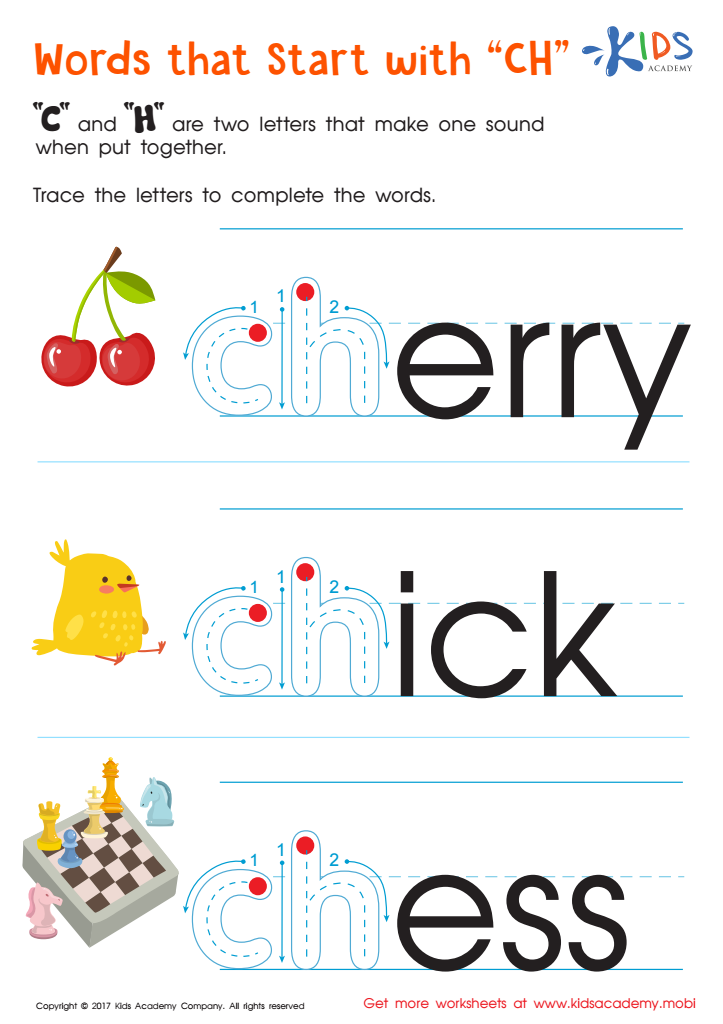
Words That Start with "ch" Spelling Worksheet
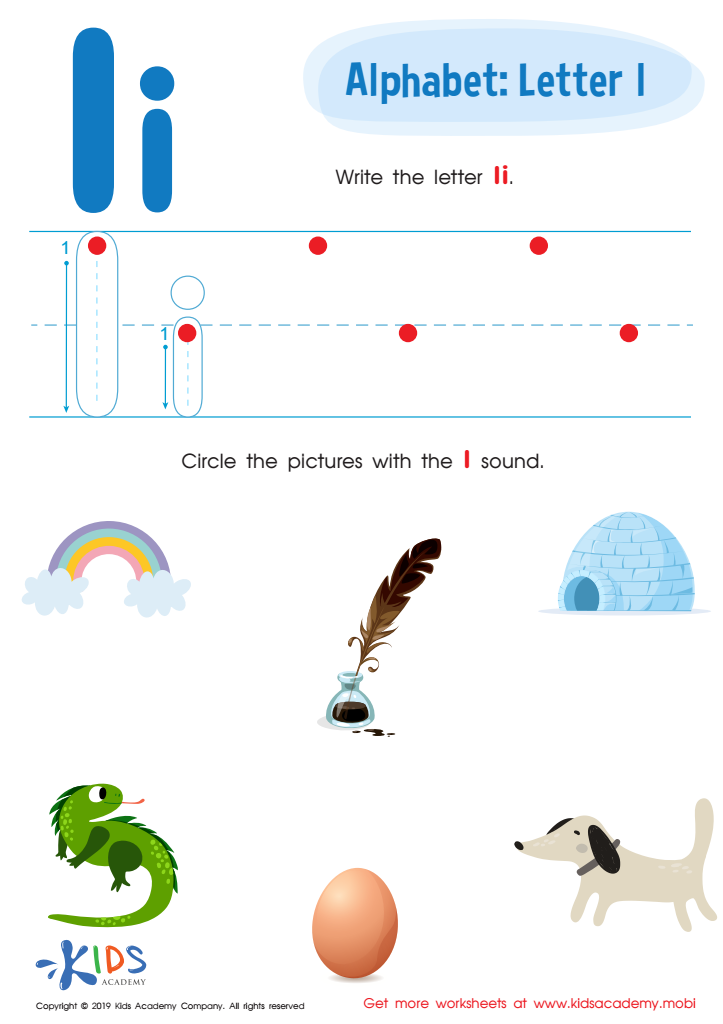
Letter I Tracing Worksheet
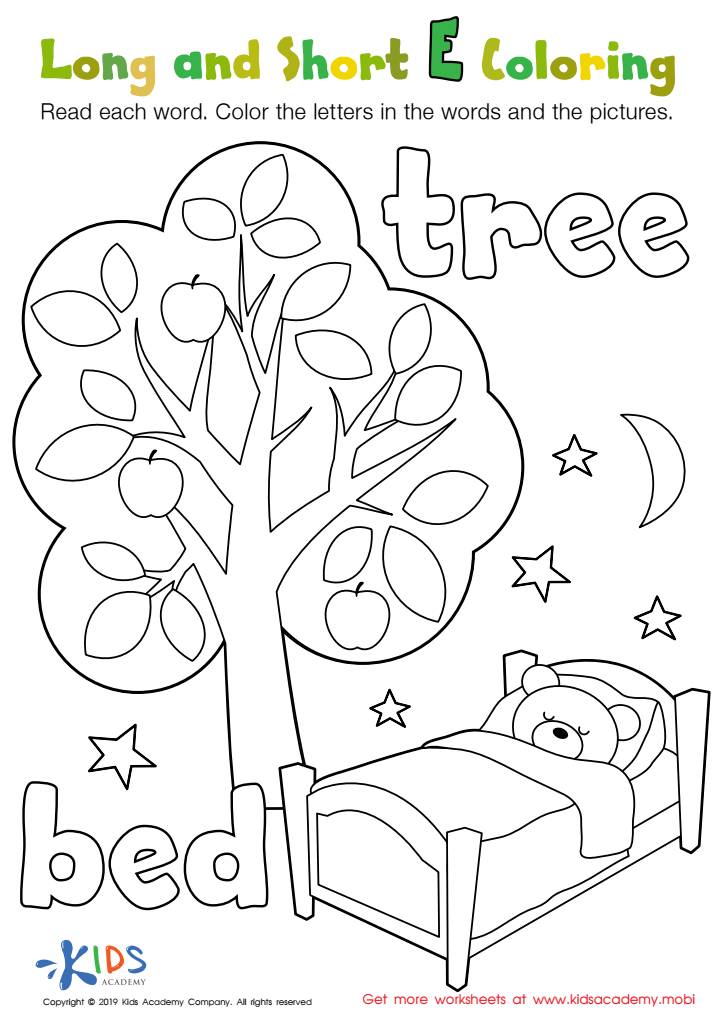
Long and Short E Worksheet
 Assign to My Students





Phonics skills are fundamental to a child's early literacy development, particularly for ages 4-9, a critical period for language acquisition and cognitive growth. Phonics instruction helps children understand the relationship between letters and sounds, enabling them to decode new words, which builds reading proficiency. By recognizing phonetic patterns, children can read more fluently, fostering a love for reading and learning.
For parents and teachers, emphasizing phonics skills helps lay the groundwork for successful academic achievement. Studies show that early readers outperform peers who struggle with reading, often impacting their performance across other subjects. Early phonics instruction builds confidence, ensuring children feel accomplished as they progress in their reading journey.
Additionally, phonics skills support vocabulary development and comprehension, enabling children to understand and process text more effectively. Integrating phonics into a balanced literacy program also promotes listening, spelling, and writing skills, which are intrinsic components of effective communication.
In sum, a strong foundation in phonics equips children with essential tools for lifelong learning and academic success. Parents and teachers play a crucial role in fostering these skills, ultimately setting the stage for a child's future literacy development and a positive educational trajectory. Investing time and resources into phonics instruction during these formative years helps create confident, competent readers.