Attention to Detail Worksheets for Ages 4-9 - Page 2
29 filtered results
-
From - To
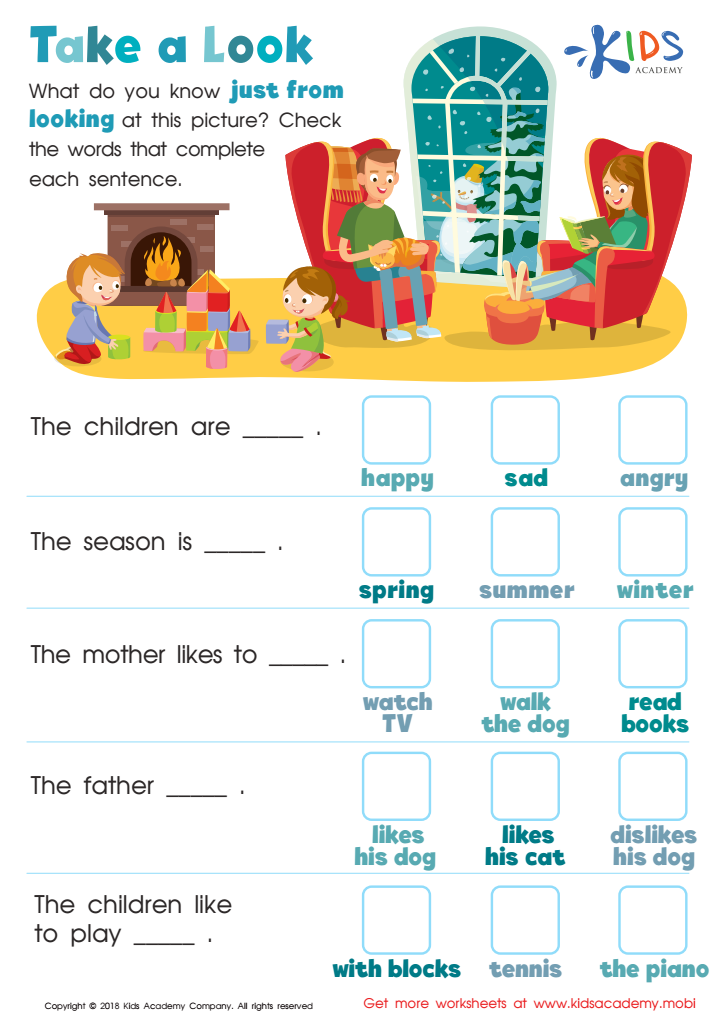
Take a Look - Part 1 Worksheet
 Assign to My Students
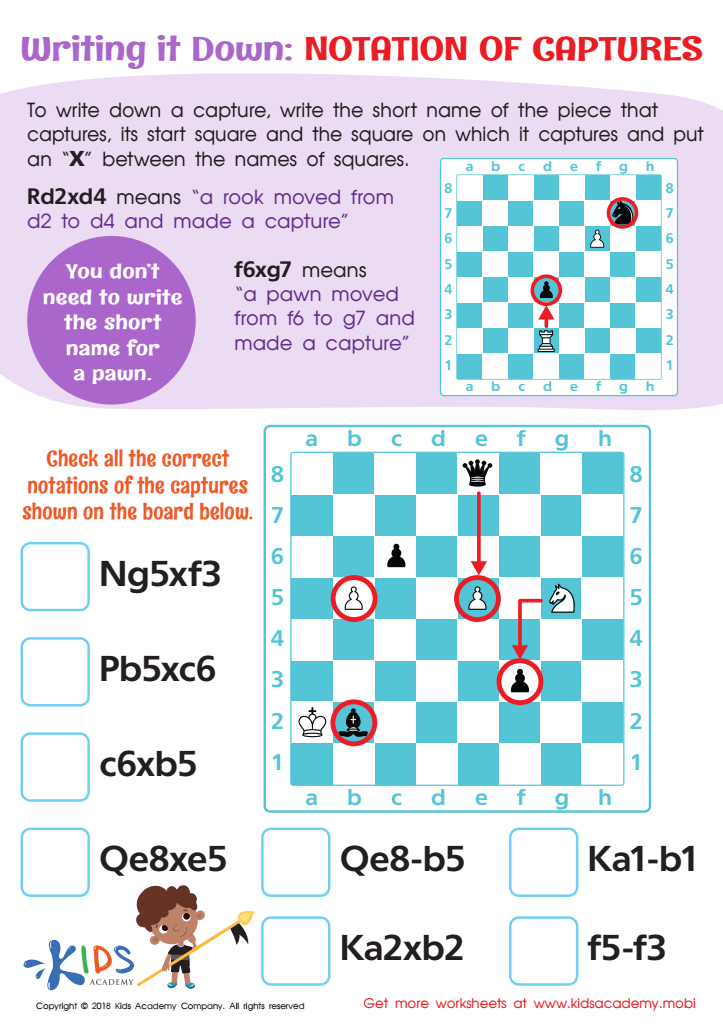
Notation of Captures Writing it Down Worksheet

Find 5 Worksheet
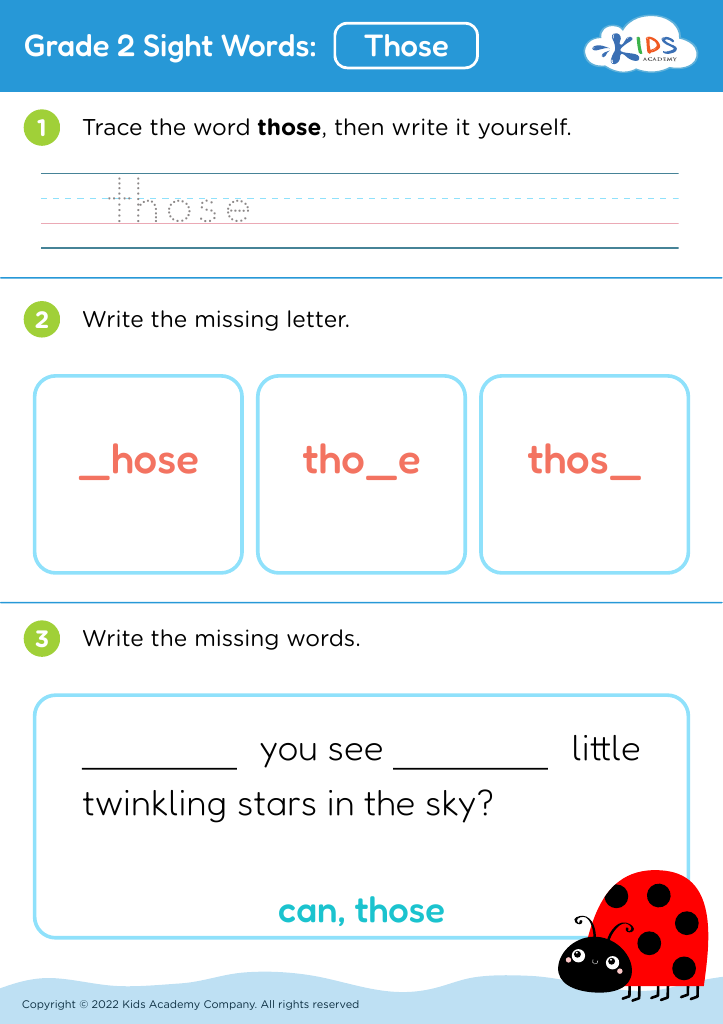
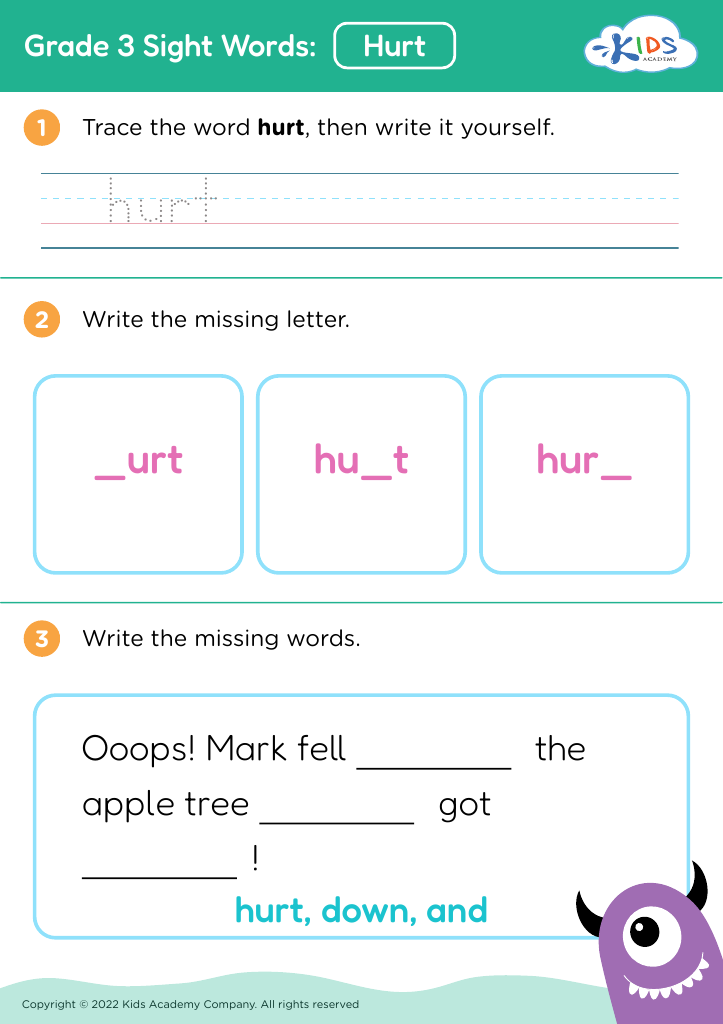








Attention to detail is a critical skill for children aged 4-9, serving as a foundation for successful learning and development. This age group is often characterized by rapid cognitive and social growth, making it essential for parents and teachers to nurture careful observation and attentiveness to the world around them.
For young learners, attention to detail enhances their ability to follow instructions, complete tasks accurately, and understand complex concepts. Recognizing the little things—whether in reading, math, or daily activities—fosters critical thinking and problem-solving skills. When children pay attention to details, they become more proficient at noticing patterns and differences, essential for literacy and numeracy development.
Furthermore, cultivating attention to detail aids in emotional and social growth. Children who develop this skill are generally better at understanding social cues, fostering empathetic behavior, and building strong relationships with peers.
Moreover, attentiveness lays the groundwork for lifelong learning, enabling them to approach challenges methodically and notice nuances that others might miss. By emphasizing attention to detail in educational settings and at home, parents and teachers help build focused, diligent individuals ready to tackle future academic and personal challenges with confidence.








