Basic arithmetic comprehension Worksheets for Ages 4-9
6 filtered results
-
From - To
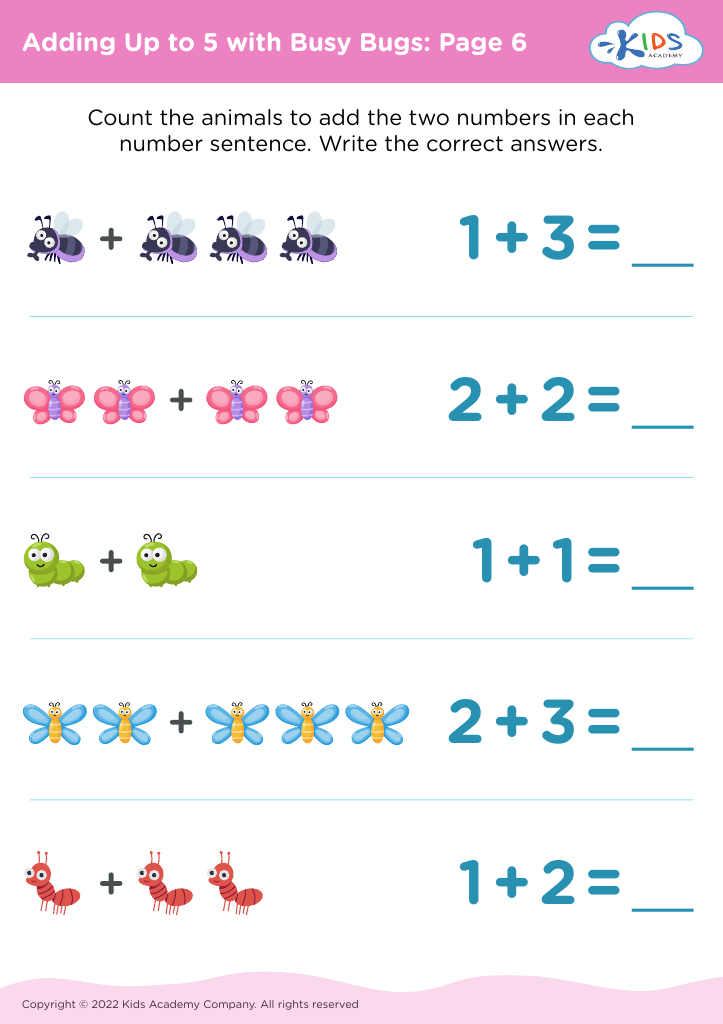
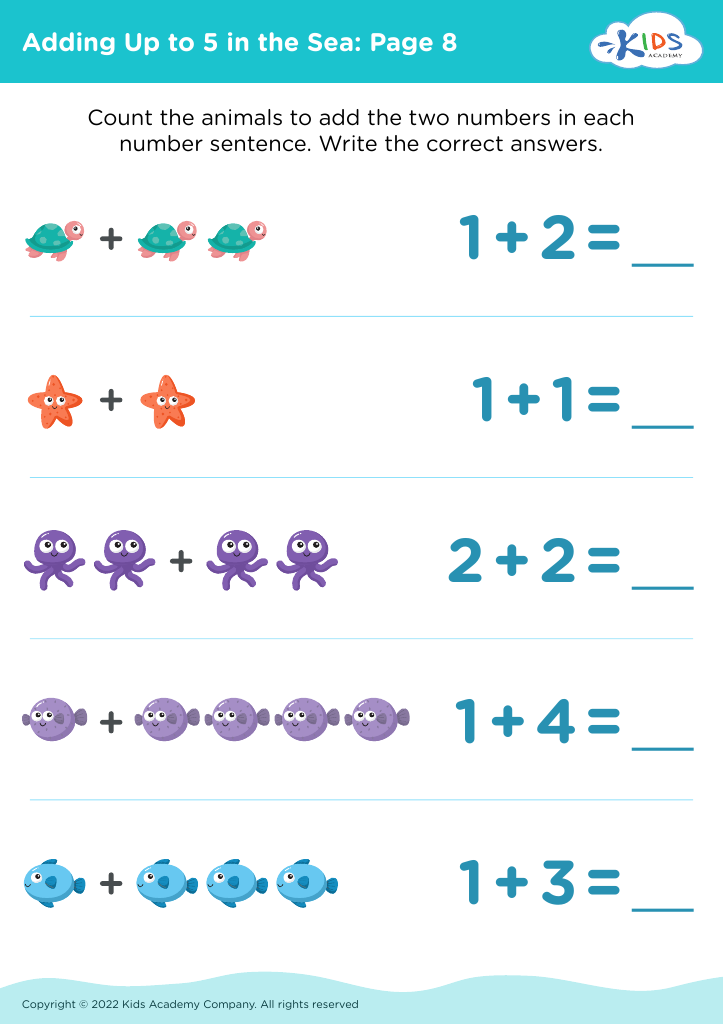
Unlock the potential of your child's math skills with our Basic Arithmetic Comprehension Worksheets for ages 4-9. Designed to strengthen foundational math concepts, these engaging and interactive worksheets cover addition, subtraction, multiplication, and division. Whether your child is just starting out in kindergarten or advancing through elementary school, our carefully curated activities are tailored to meet their learning needs. Enhance their problem-solving abilities and build confidence in their arithmetic skills through fun and educational challenges. Start your child's mathematical journey today and watch them excel with our expertly developed resources.
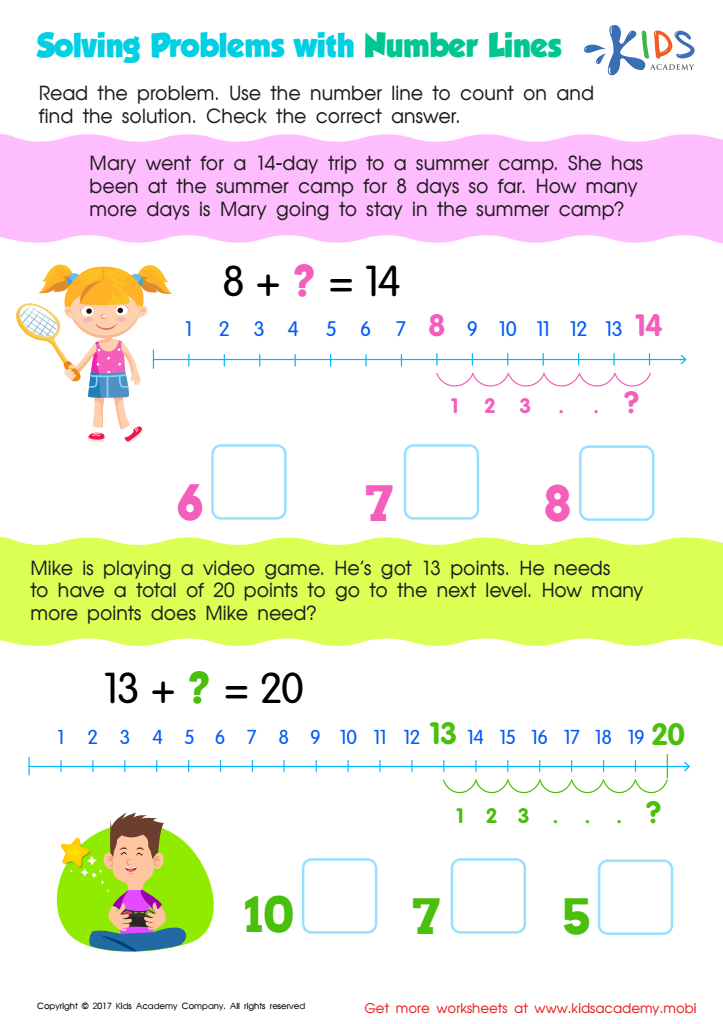
Solving Problems: Number Lines Worksheet
 Assign to My Students
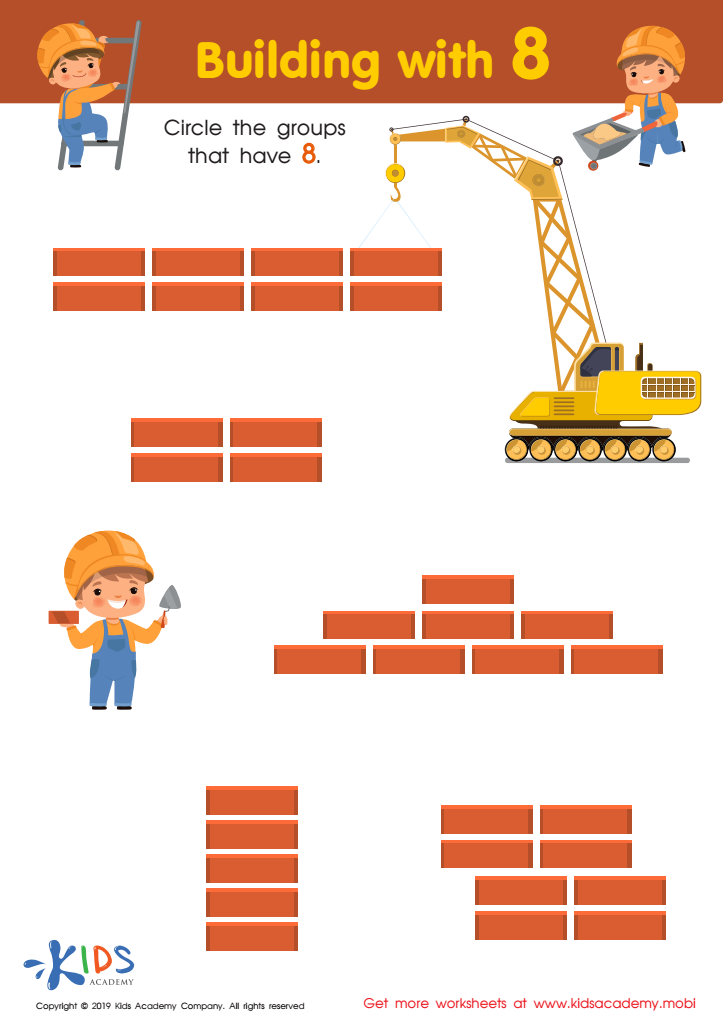
Building with 8 Worksheet
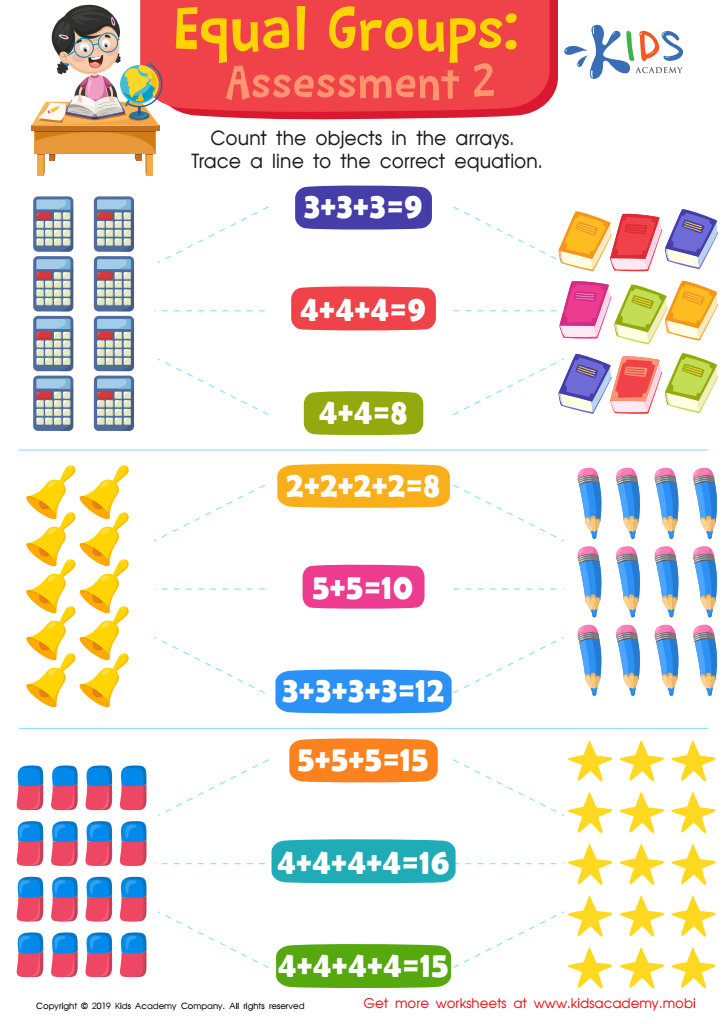
Equal Groups: Assessment 2 Worksheet
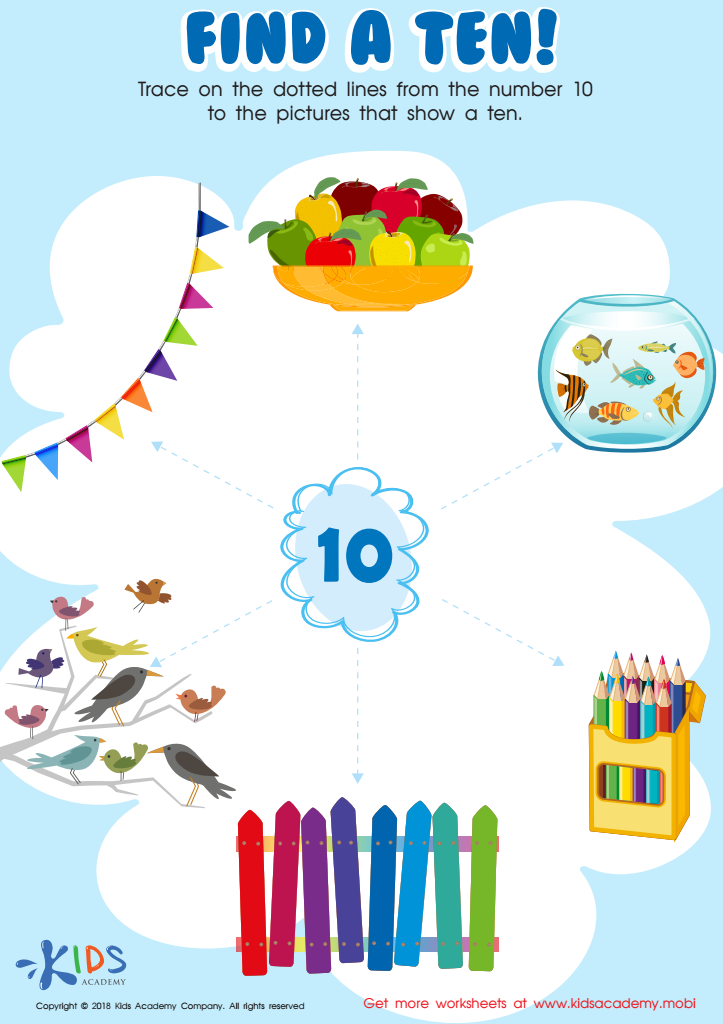
Kindergarten Math Worksheet: Find a Ten







.jpg)
Basic arithmetic comprehension is crucial for children ages 4-9 as it forms the foundational building blocks for future academic success and real-life problem-solving skills. During these formative years, children develop essential cognitive abilities such as numerical recognition, basic operations (addition, subtraction, multiplication, and division), and logical reasoning. These skills are not only fundamental for advanced mathematics but are also widely applicable across various subjects, including science and technology.
Moreover, a solid grasp of arithmetic boosts a child's confidence in their academic abilities. It encourages a growth mindset, where challenges are viewed as opportunities to learn rather than insurmountable obstacles. This positive attitude towards learning can significantly enhance overall academic performance and foster a lifelong enthusiasm for knowledge.
From a practical standpoint, basic arithmetic is needed for everyday tasks, such as telling time, handling money, cooking, and even playing games. Early exposure and mastery empower children to be more independent and competent in these daily activities.
For parents and teachers, focusing on arithmetic skills ensures that children are equipped with the necessary tools for both academic achievements and practical life skills. It cultivates an environment where children are encouraged to explore, calculate, and reason, laying down a robust framework for future success. By prioritizing arithmetic comprehension at a young age, we invest in children's long-term cognitive and emotional development.








