Building vocabulary Worksheets for Ages 4-9
7 filtered results
-
From - To
Boost your child's language development with our engaging Building Vocabulary Worksheets, designed for ages 4-9! These printable resources provide a fun way for young learners to expand their vocabulary through interactive activities tailored to their learning level. Featuring colorful illustrations and relatable themes, our worksheets help children recognize new words, improve comprehension, and enhance their spelling skills. With a variety of exercises, including word searches, matching games, and fill-in-the-blanks, these worksheets make vocabulary building an enjoyable experience. Perfect for home or classroom use, our materials support essential literacy skills and foster a love for learning in your child. Start your vocabulary-building journey today!
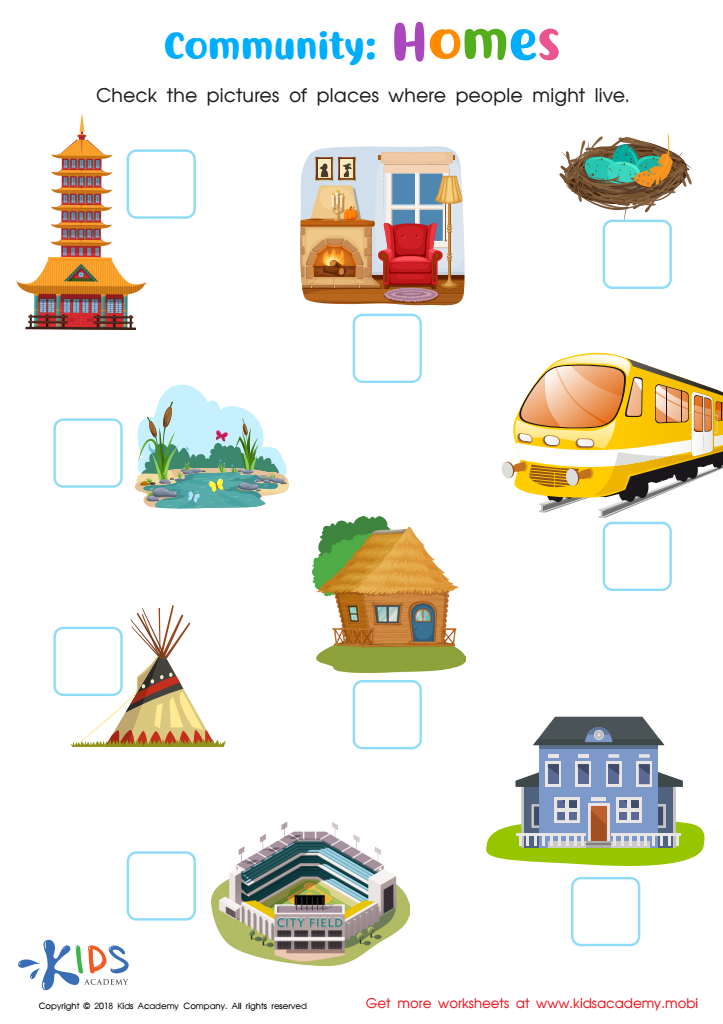
Community: Homes Worksheet
 Assign to My Students
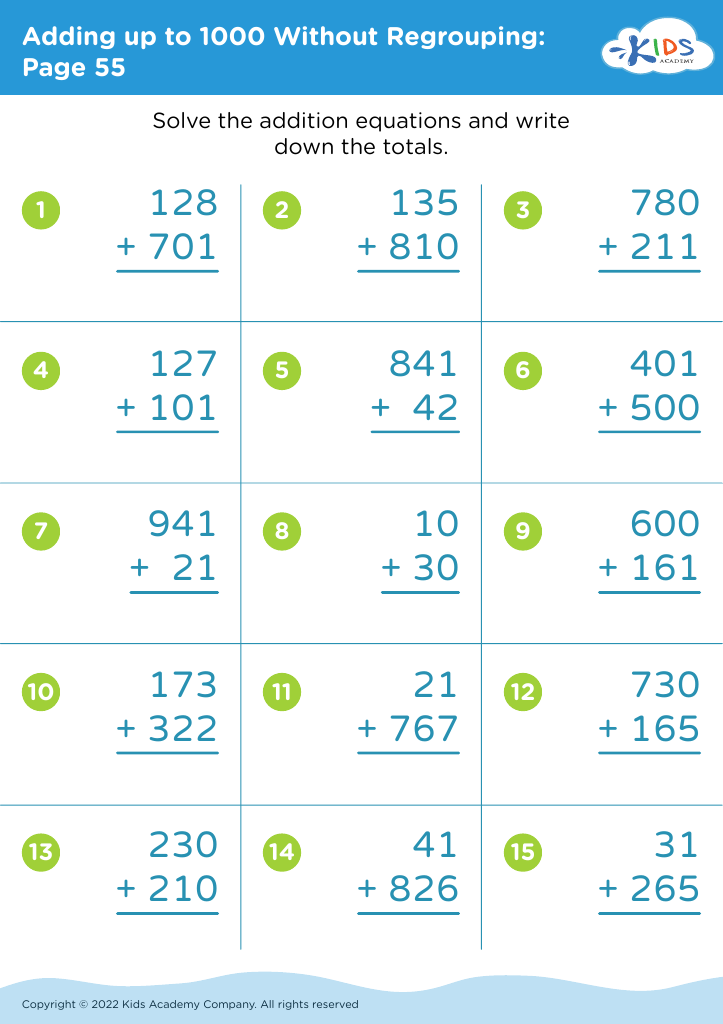
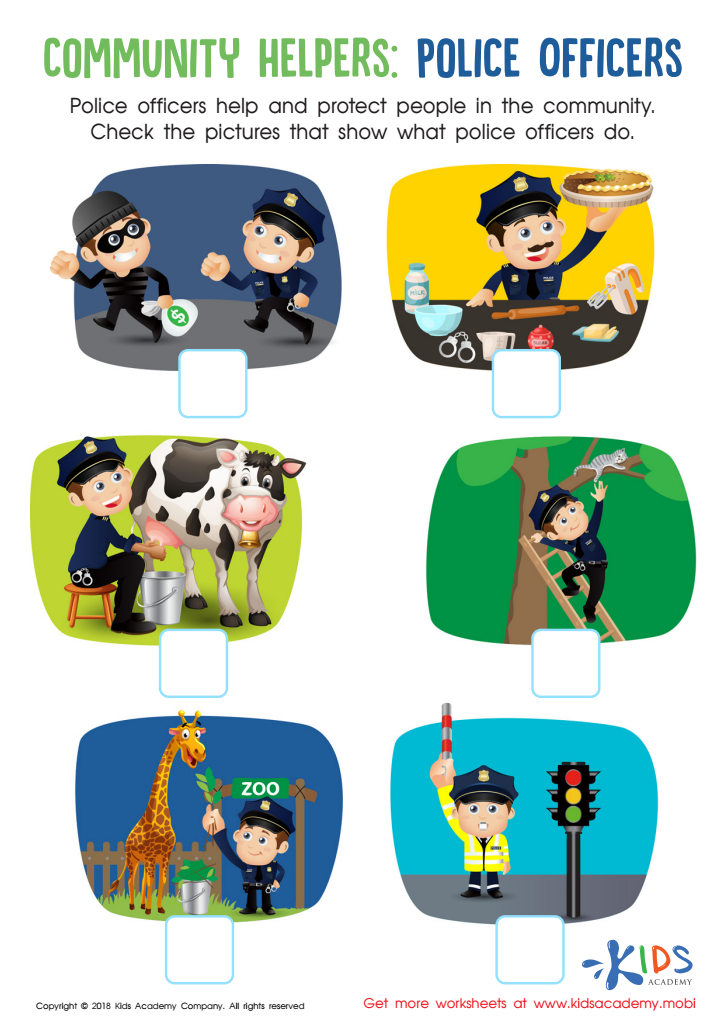
Police Officers Community Helpers Worksheet
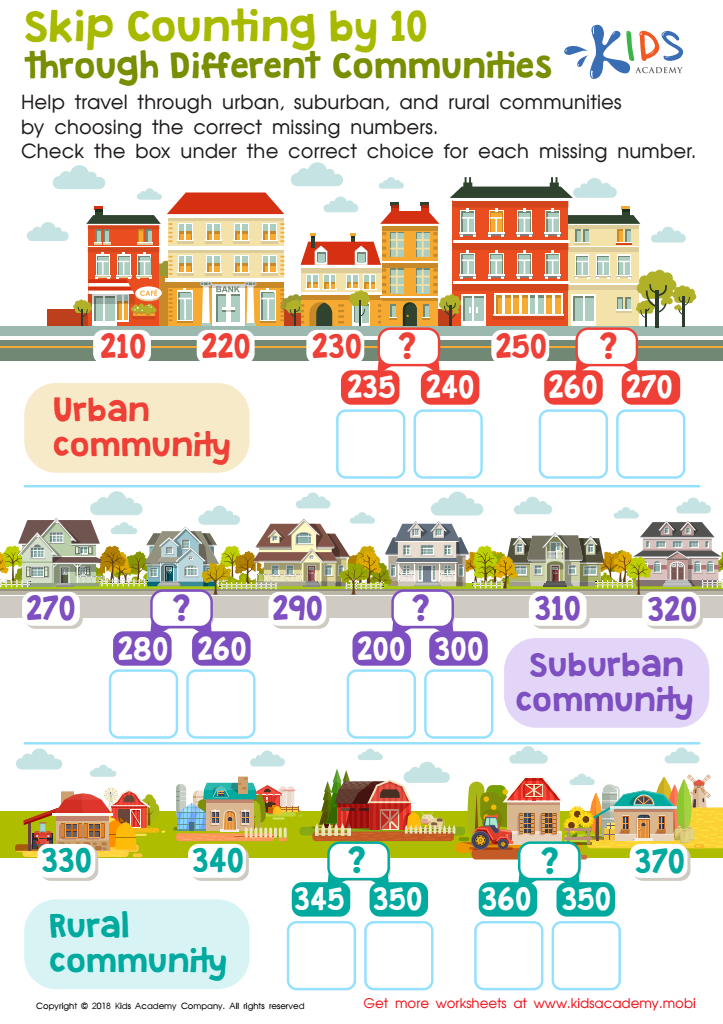
Skip Counting by 10 through Different Communities Worksheet
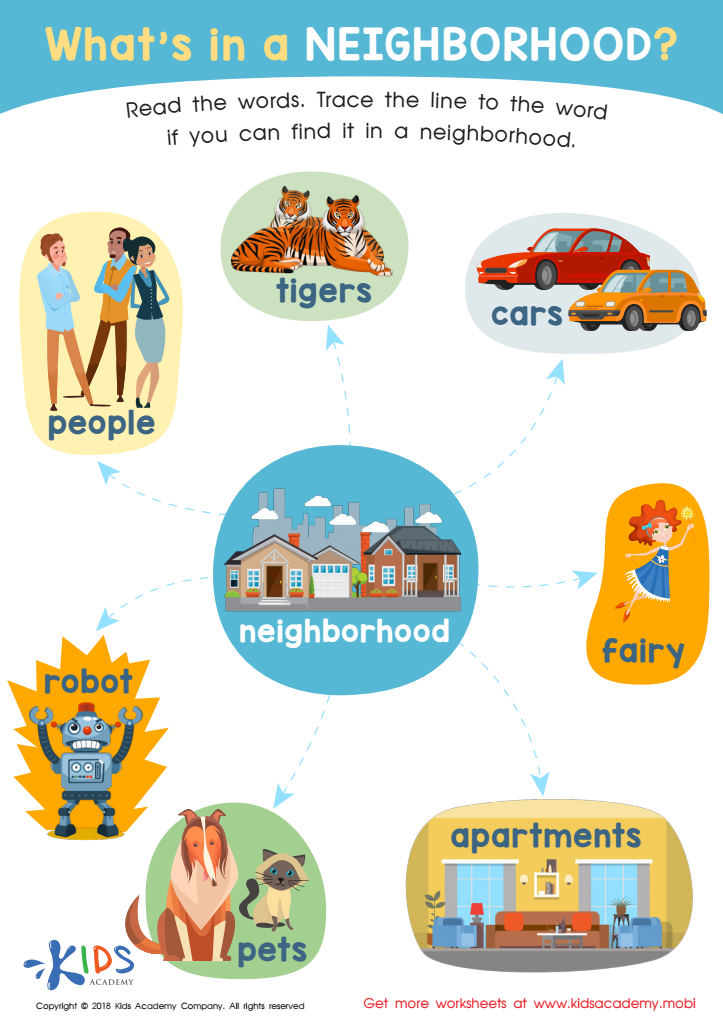
What's in a Neighborhood? Worksheet





.jpg)
Building vocabulary in children aged 4-9 is crucial for their overall development and academic success. At this stage, children are rapidly acquiring language skills, and a rich vocabulary enhances their ability to express thoughts and ideas clearly. This stage of development lays the foundation for effective communication, which is essential in both social interactions and academic settings.
A strong vocabulary positively influences reading comprehension; children with expansive word knowledge are better equipped to understand texts, recognize context clues, and infer meaning. This skill set not only aids their ability to read and understand stories but also enhances their writing skills, as expressive language allows them to craft more engaging narratives and reports.
Furthermore, building vocabulary boosts cognitive development and critical thinking skills. Children learn to categorize and draw connections between words and concepts, promoting deeper understanding and knowledge retention. Engaging in vocabulary-building activities, such as storytelling, word games, and discussions, fosters a love for learning, making it enjoyable rather than a chore.
Ultimately, when parents and teachers prioritize vocabulary development, they empower children with essential tools for lifelong learning and effective communication, preparing them for success in school and beyond.








