Counting shapes Worksheets for Ages 4-9
3 filtered results
-
From - To
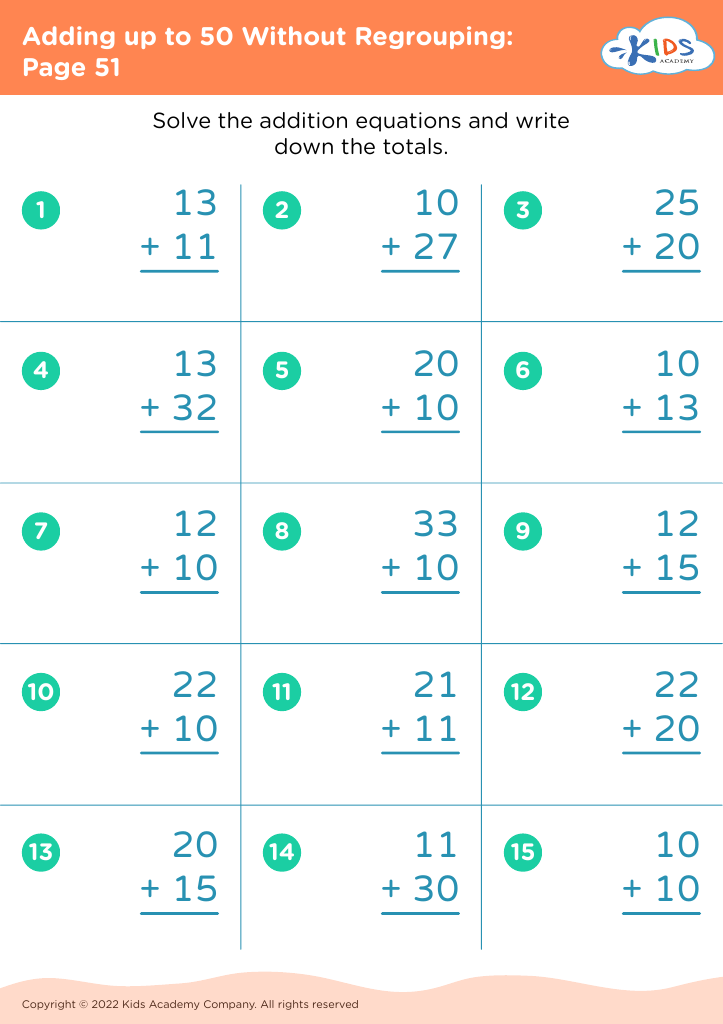
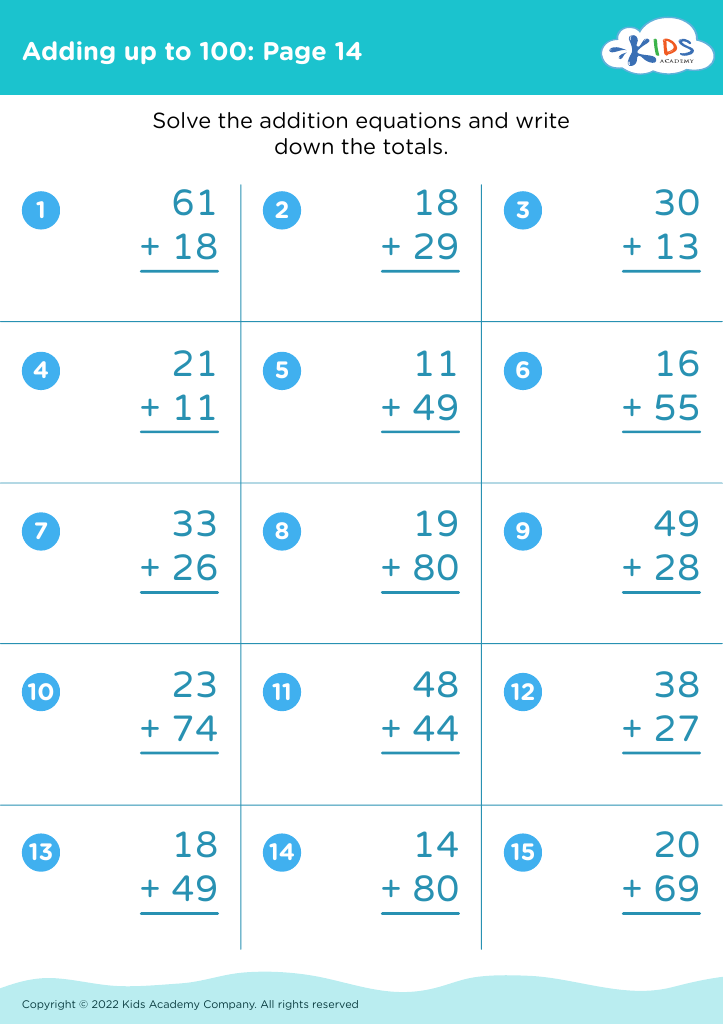
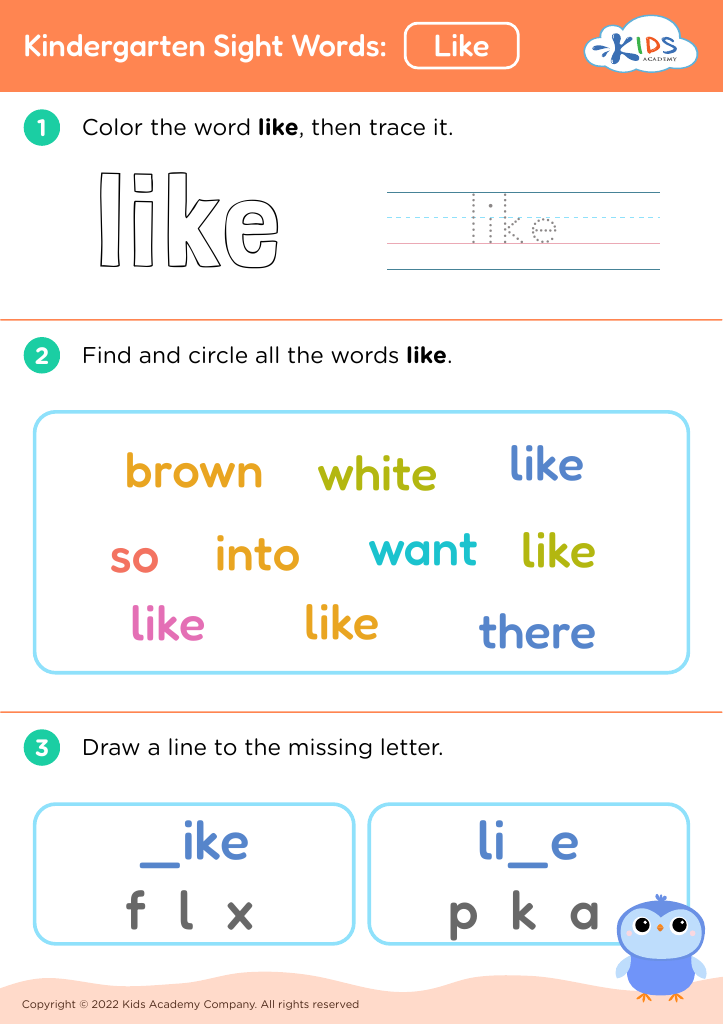
Enhance your child's learning with our engaging Counting Shapes Worksheets designed for kids aged 4-9! Our printable resources help young learners develop essential counting and shape recognition skills in a fun and interactive way. Featuring vibrant illustrations and a variety of activities, these worksheets introduce basic shapes like circles, squares, and triangles, making math enjoyable. Each worksheet encourages children to count, color, and identify shapes, boosting their confidence and enthusiasm for learning. Ideal for homeschoolers, teachers, or parents looking to supplement learning, our Counting Shapes Worksheets are a perfect tool to foster a strong mathematical foundation in early education. Grab yours today!




.jpg)



Counting shapes is an essential skill for children aged 4-9, laying the foundation for their mathematical understanding and spatial awareness. Parents and teachers should prioritize this skill for several reasons. Firstly, counting shapes helps children develop number sense, which is critical for further mathematical learning. It teaches them to recognize quantities, understand one-to-one correspondence, and prepare for addition and subtraction concepts.
Moreover, engaging with shapes enhances problem-solving skills and cognitive development. Children begin to grasp how different shapes form combinations, leading to essential concepts in geometry. This lays the groundwork for their ability to visualize and manipulate objects, a skill that is valuable in science, technology, engineering, and math (STEM) fields.
Additionally, counting shapes encourages creativity and critical thinking. As children sort, classify, and group shapes, they learn to identify patterns and make predictions. This inquisitive mindset nurtures a love for learning and exploration.
Additionally, activities involving shapes often promote fine motor skills, as younger children may use crayons, scissors, or blocks to engage with shapes actively. Ultimately, cultivating these skills in early childhood not only fosters academic success but also builds confidence in their ability to tackle more complex concepts in the future.








