Critical Thinking Worksheets for Ages 4-9 - Page 7
162 filtered results
-
From - To
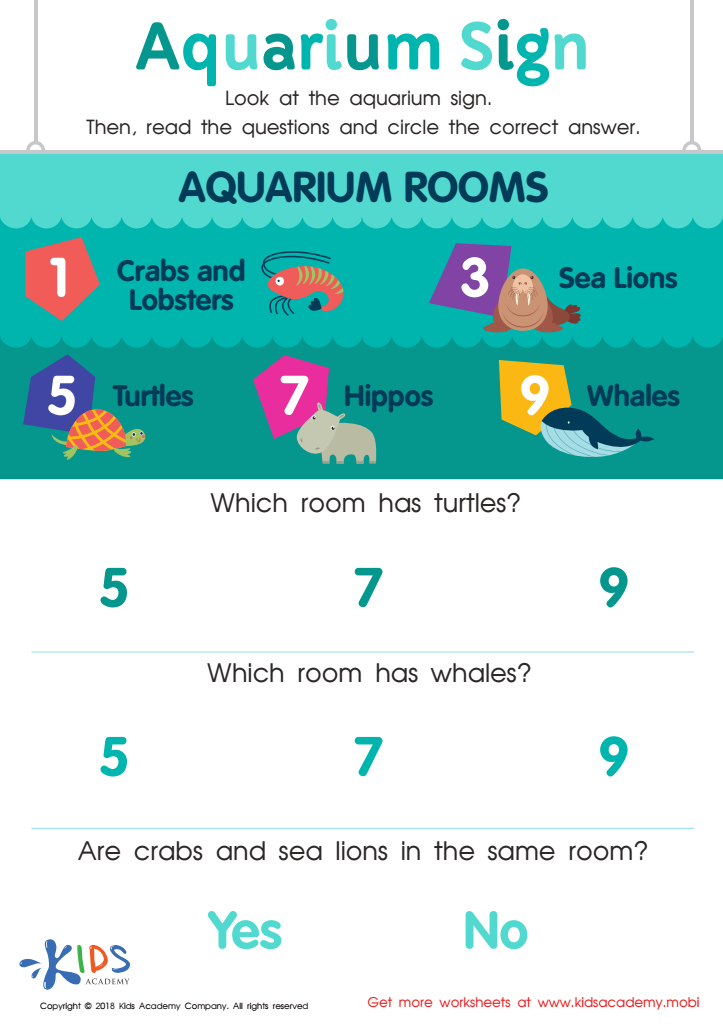
Assessment: Aquarium Sign Worksheet
 Assign to My Students
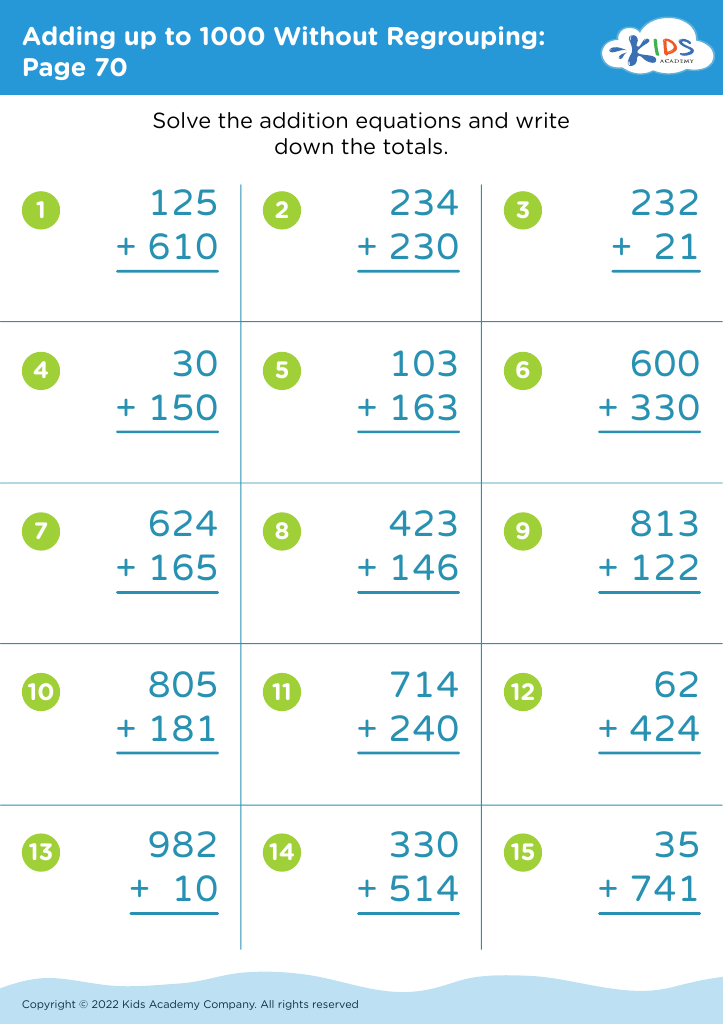
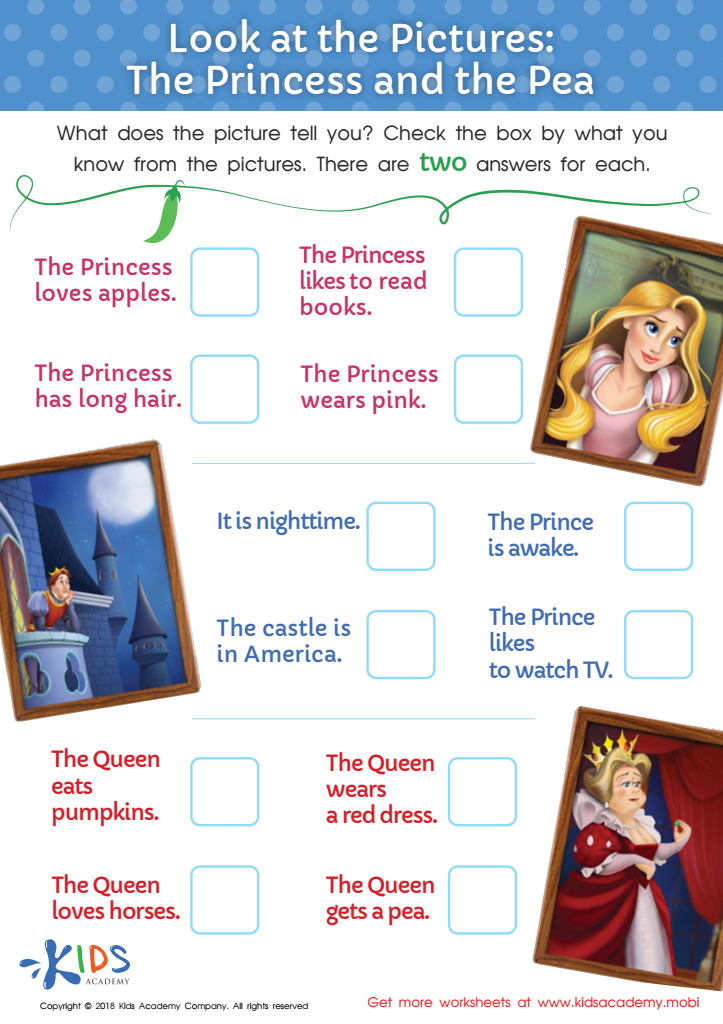
Look at the Pictures: The Princess and the Pea Worksheet
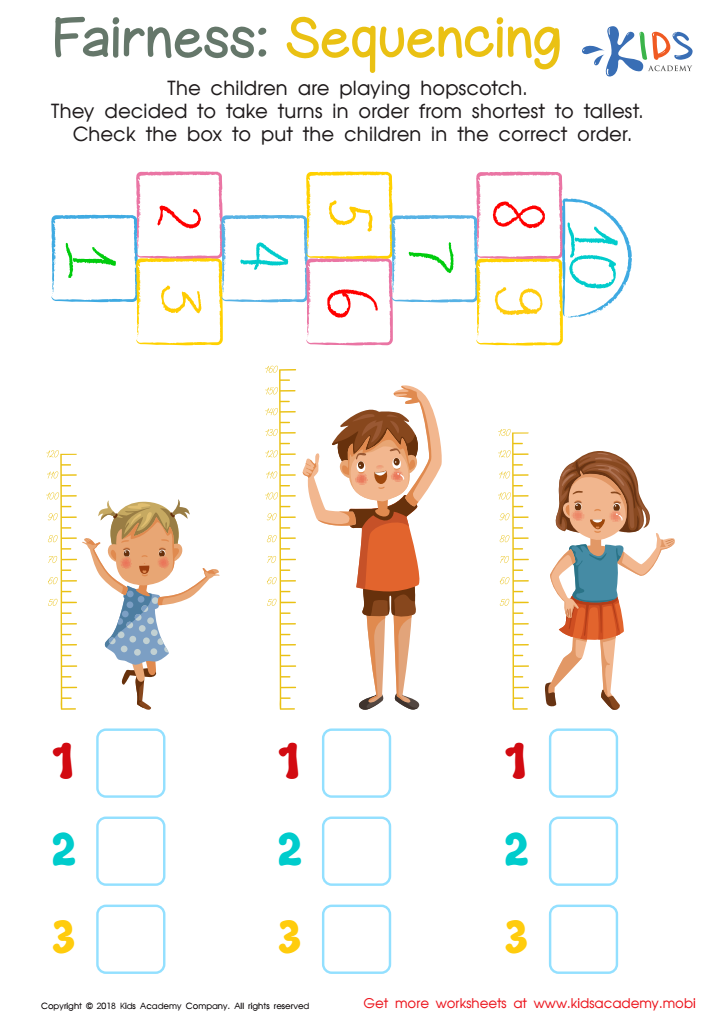
Fairness: Sequencing Worksheet
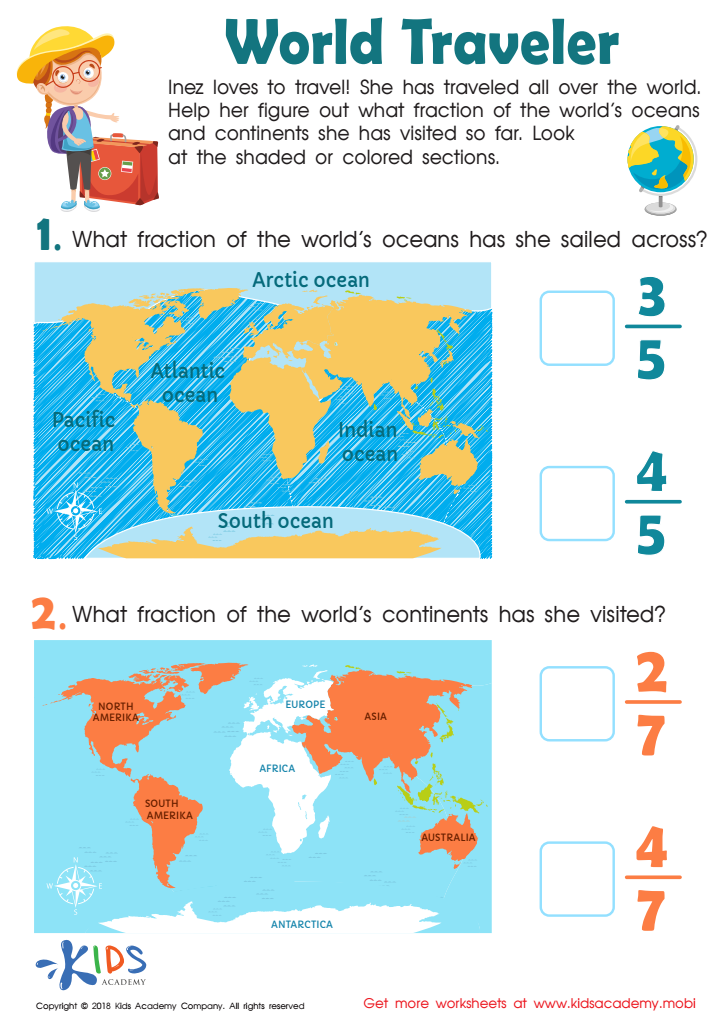
World Traveler Worksheet
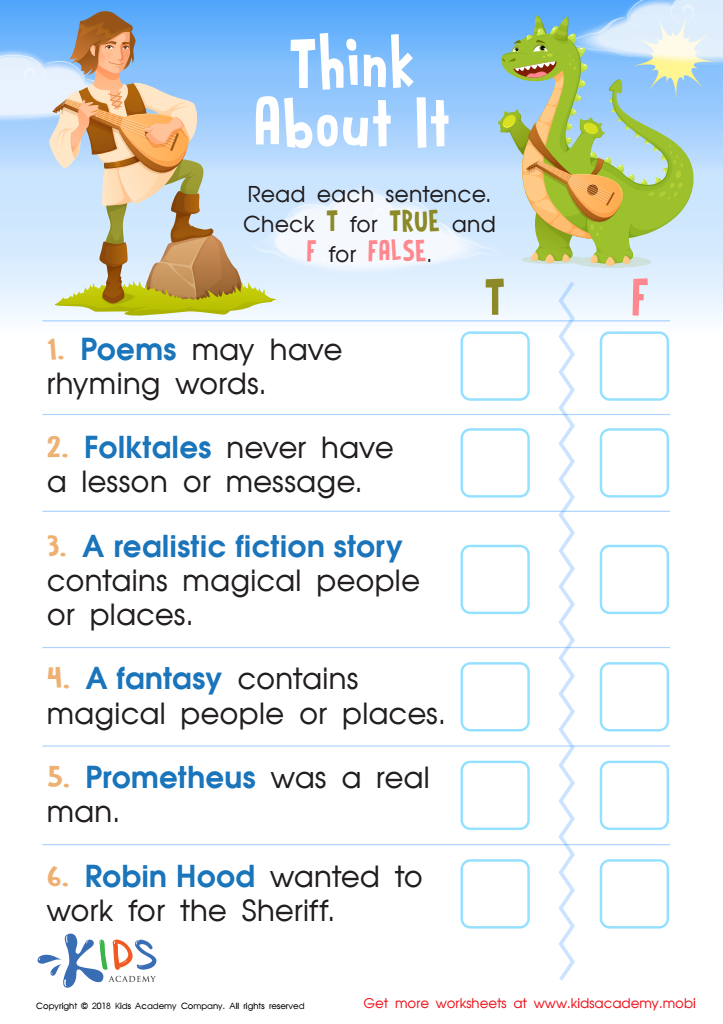
Think About It: Assessment Worksheet
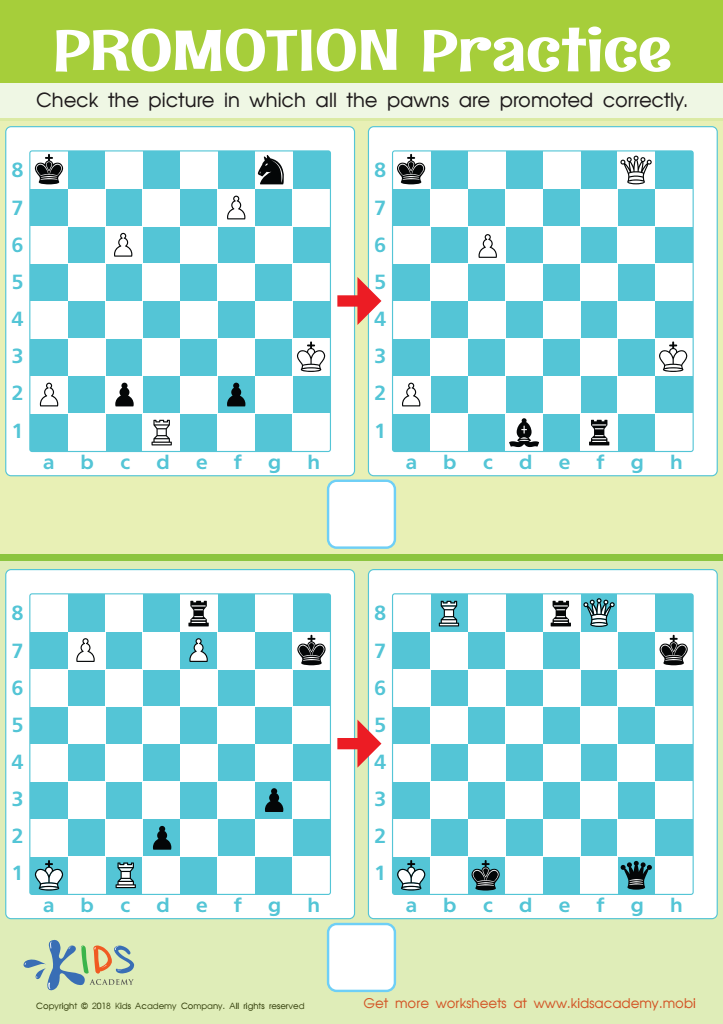
Promotion Practice Worksheet
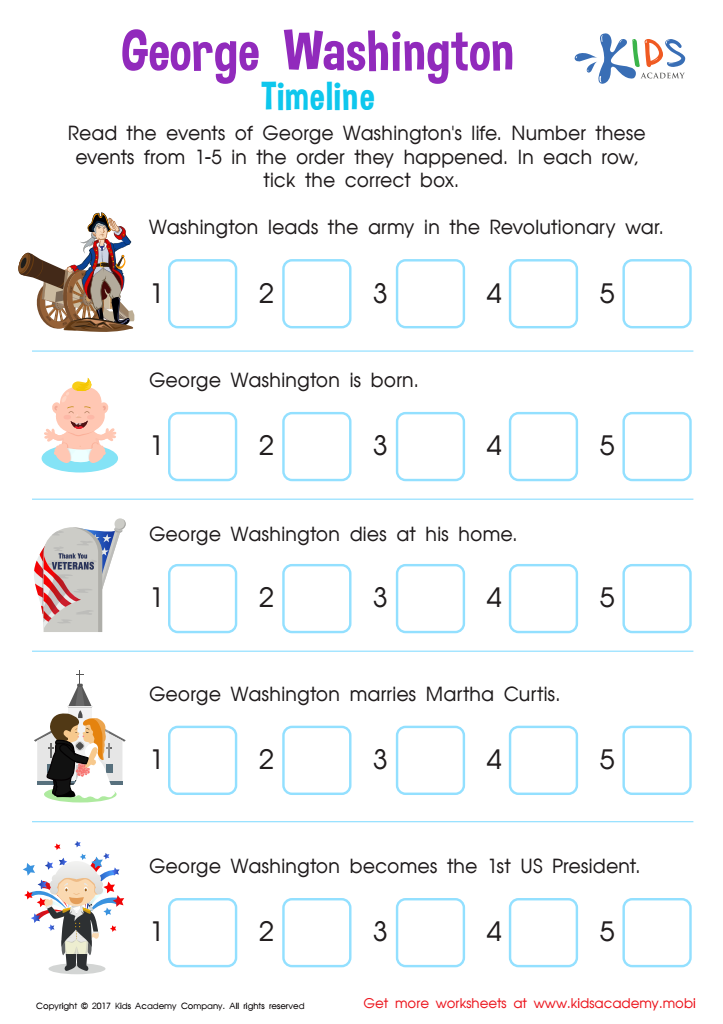
George Washington Timeline Worksheet
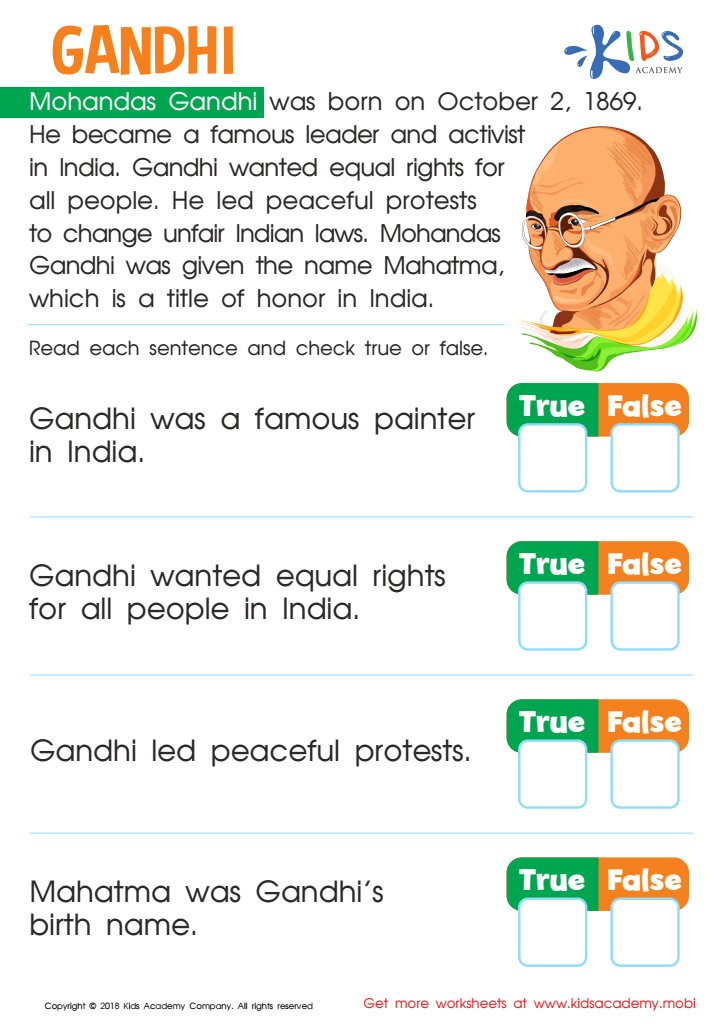
Gandhi Worksheet
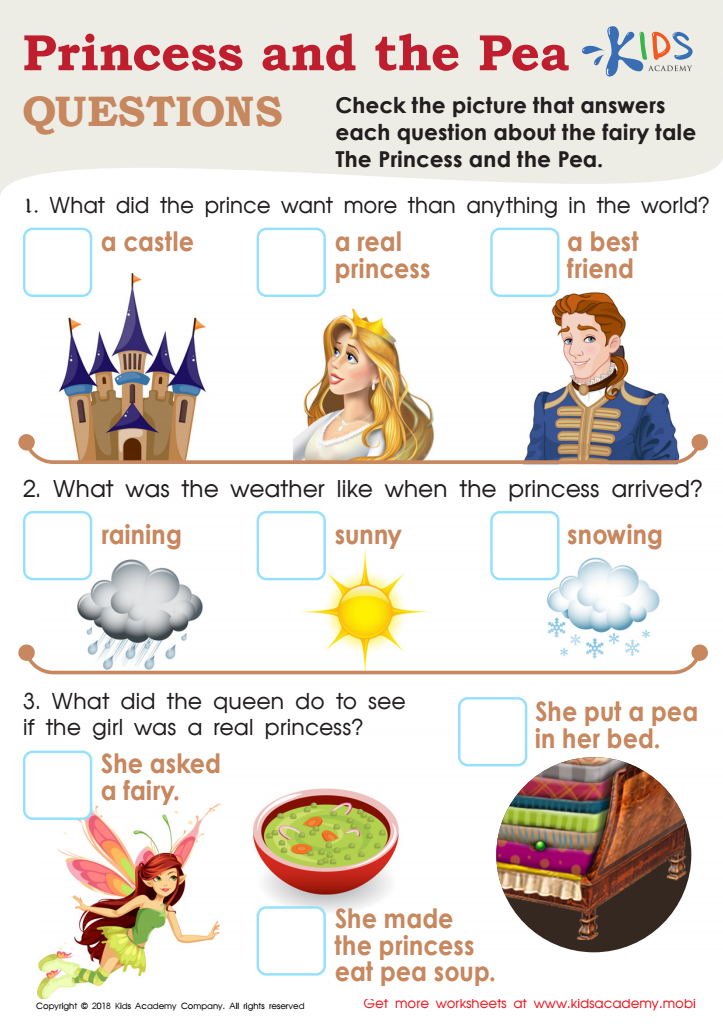
Princess and the Pea Questions Worksheet
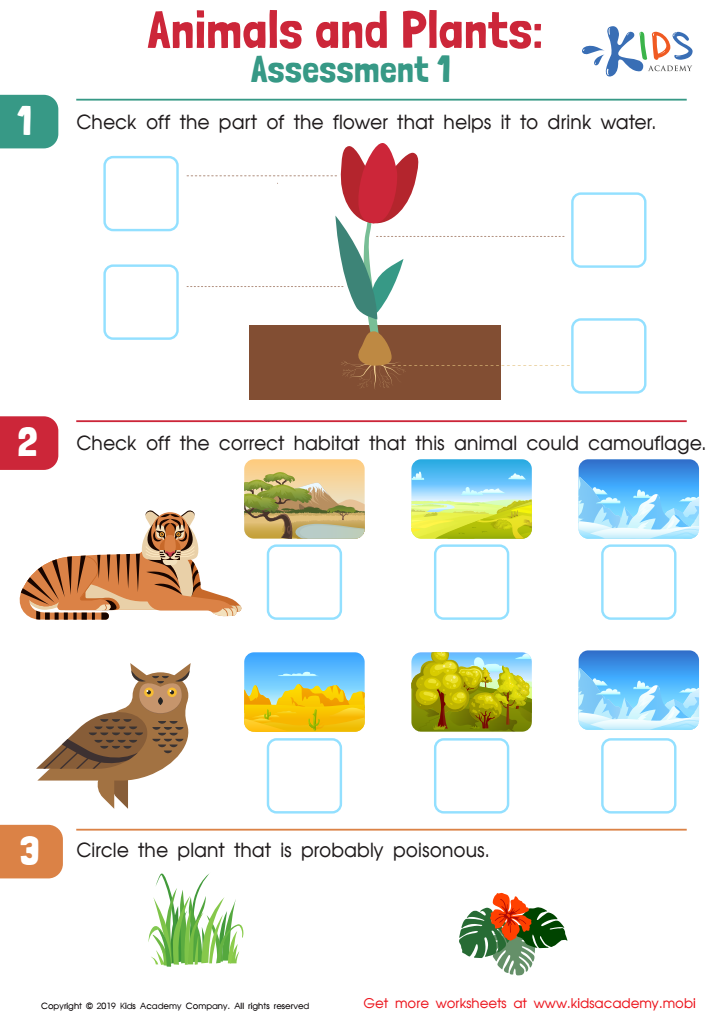
Animals and Plants: Assessment 1 Worksheet
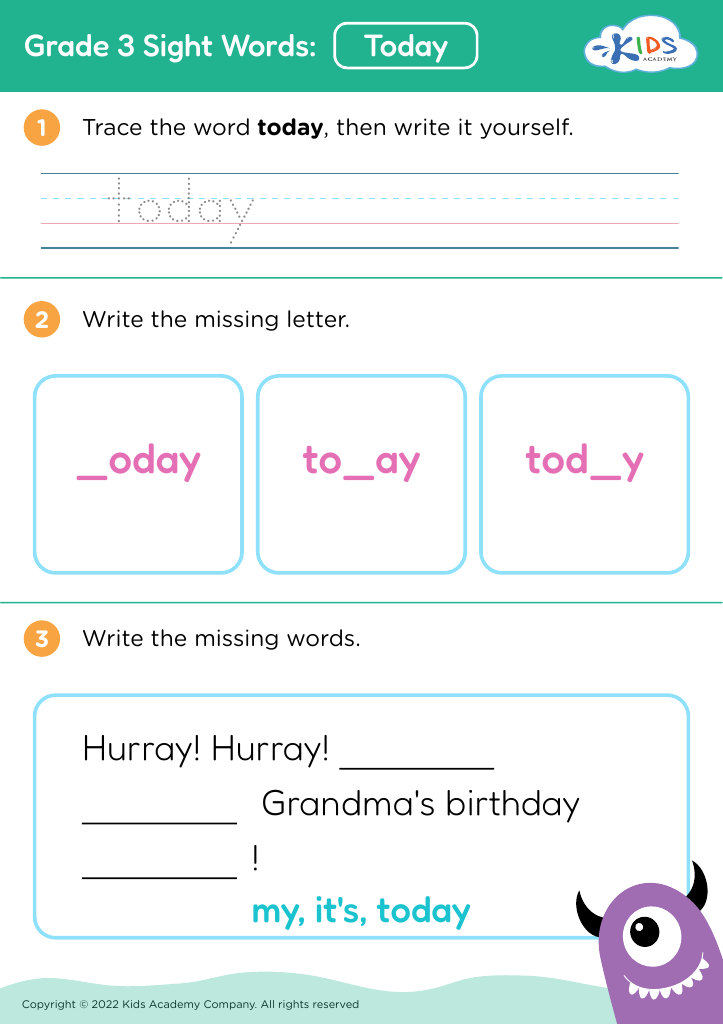
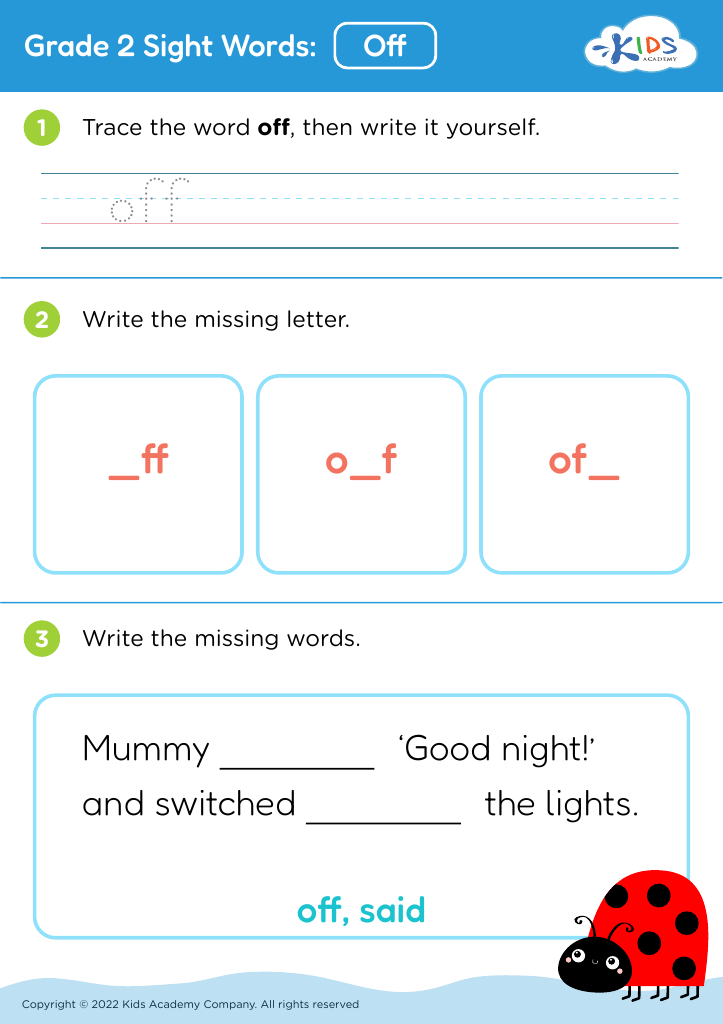
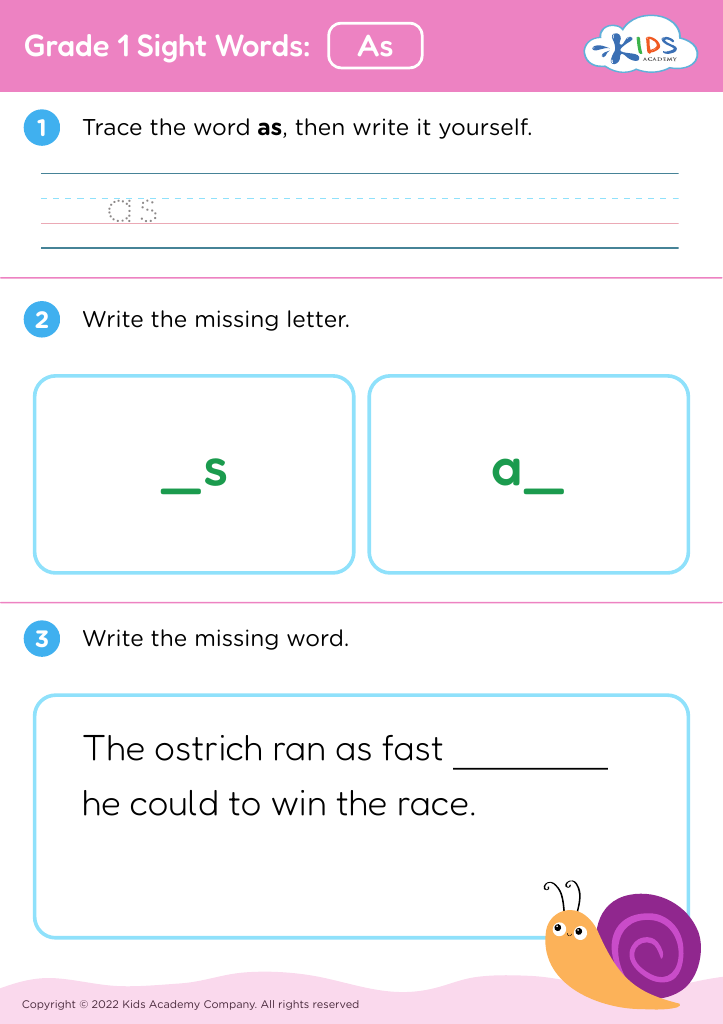
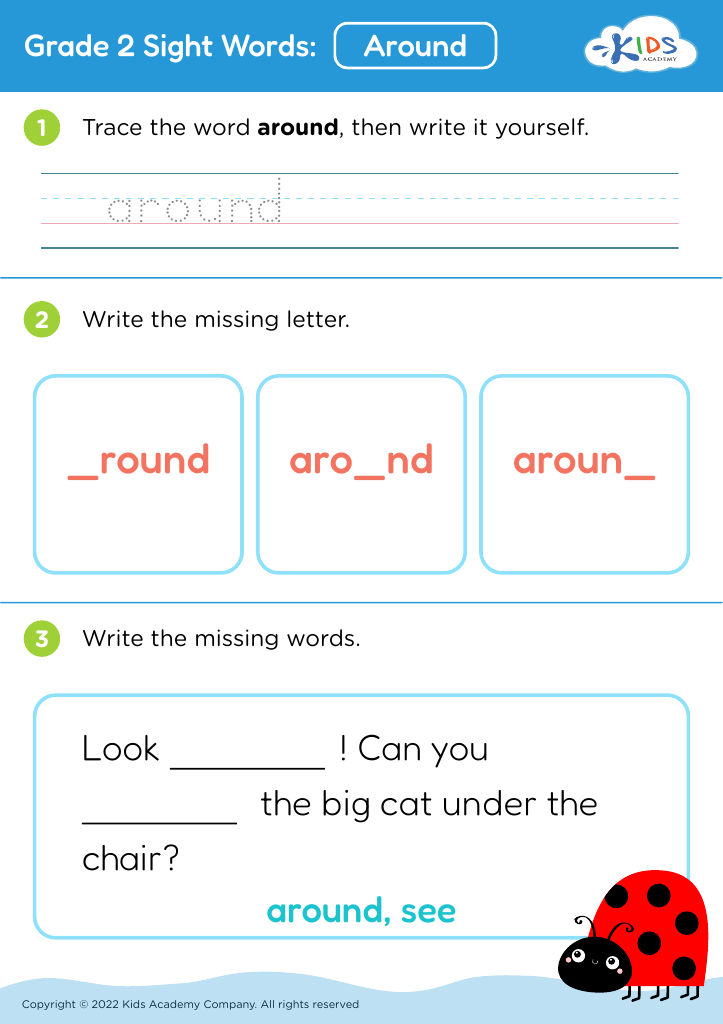
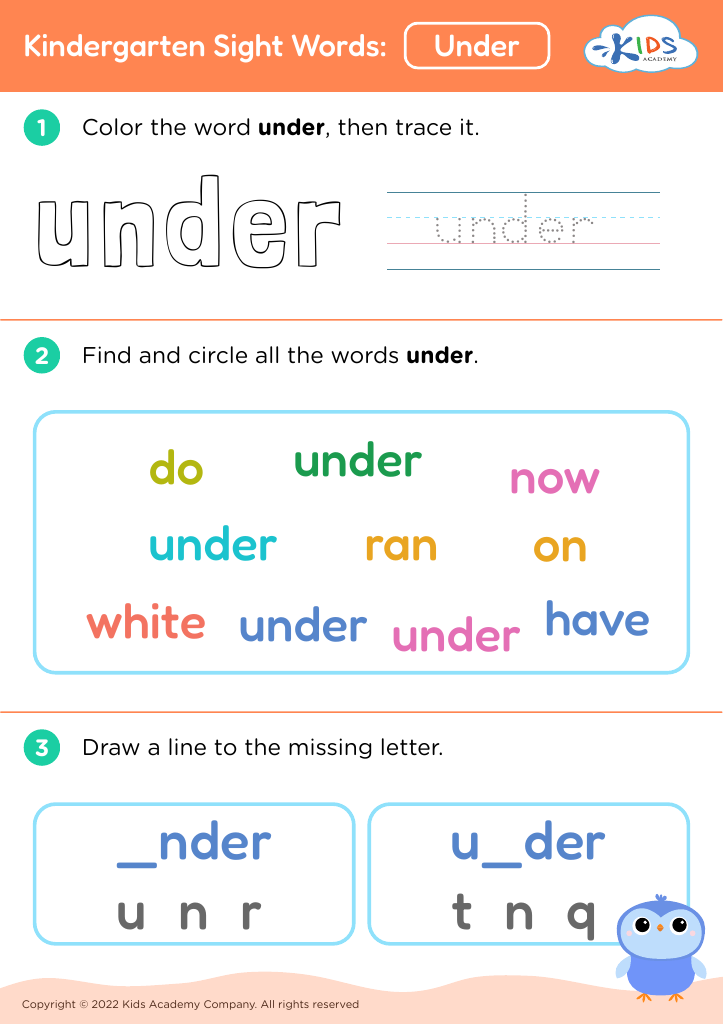









Critical thinking is a vital skill for children aged 4-9, shaping how they understand and engage with the world. At this young age, minds are especially open to learning and forming habits that will last a lifetime. By encouraging critical thinking, educators and parents can help foster problem-solving skills and independent thought. This ability to think deeply gives children the tools to question, analyze, and evaluate information rather than just accept it at face value.
In the classroom and at home, nurturing a child's critical thinking can lead to better academic outcomes, as students become active learners who can make connections across subjects. For instance, they can assess different outcomes in stories, understand basic scientific principles, and apply math in practical situations. These skills are not only essential for school success but also for everyday decision-making.
Moreover, critical thinking contributes to social and emotional development. Children learn to consider different perspectives, enhance their empathy, and communicate more effectively. Parents and teachers who emphasize this can create an environment where curiosity is encouraged and mistakes become learning opportunities, thus preparing kids to navigate a complex, ever-changing world with confidence and resilience.
By investing in critical thinking skills, we help ensure children become thoughtful, capable, and compassionate individuals.








