Develop problem-solving skills Worksheets for Ages 4-9
11 filtered results
-
From - To
Enhance your child’s critical thinking with our "Develop Problem-Solving Skills" worksheets designed for ages 4-9. These engaging activities are tailored to challenge young minds, encouraging creativity and cognitive development through fun, interactive problems. Each worksheet fosters essential skills such as reasoning, pattern recognition, and logical thinking. From puzzles to matching games, children will build confidence as they navigate various scenarios, preparing them for real-life challenges. Perfect for classroom or home use, our printable worksheets are ideal for reinforcing problem-solving techniques in a playful, supportive environment. Unlock your child's potential and watch them thrive with our thoughtfully designed resources!
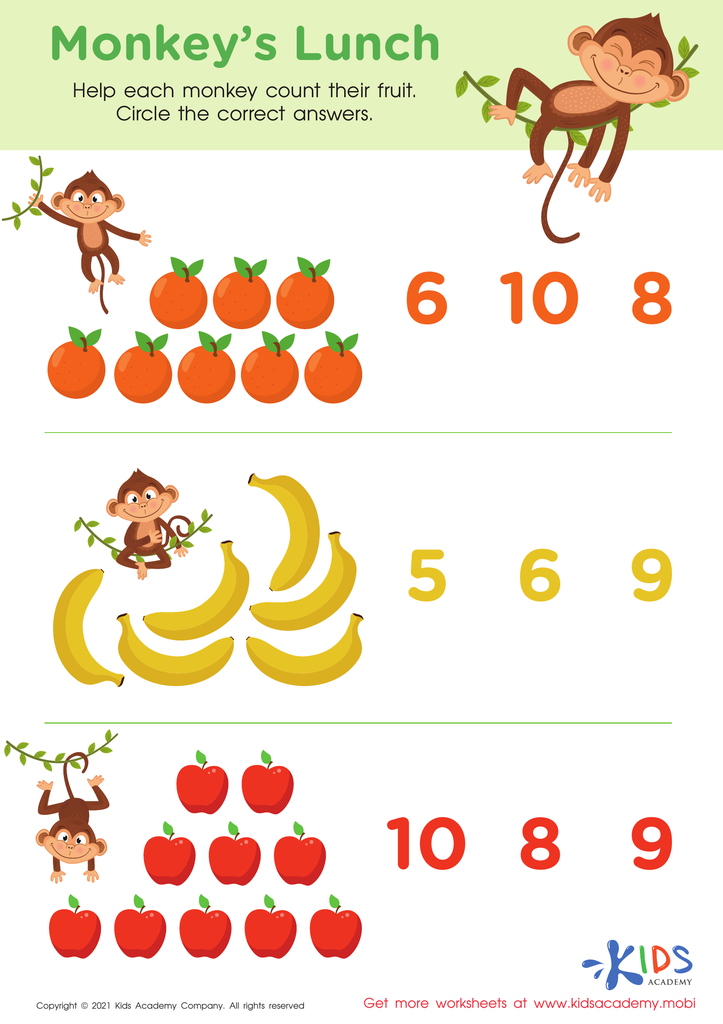
Monkey’s Lunch Worksheet
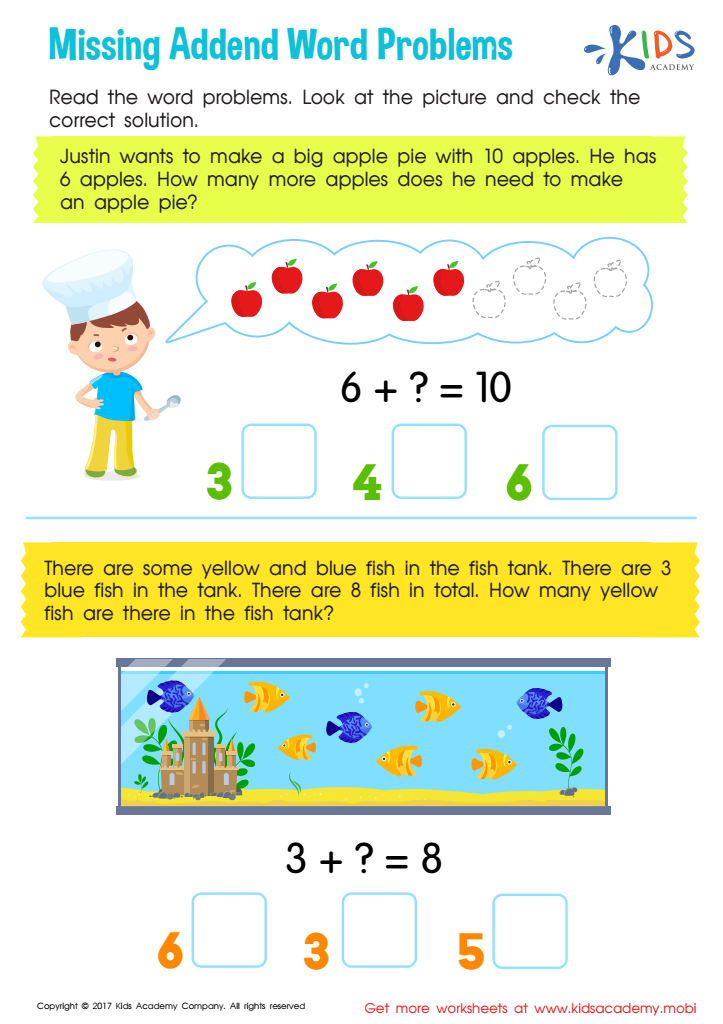
Missing Addend Word Problems Worksheet
 Assign to My Students
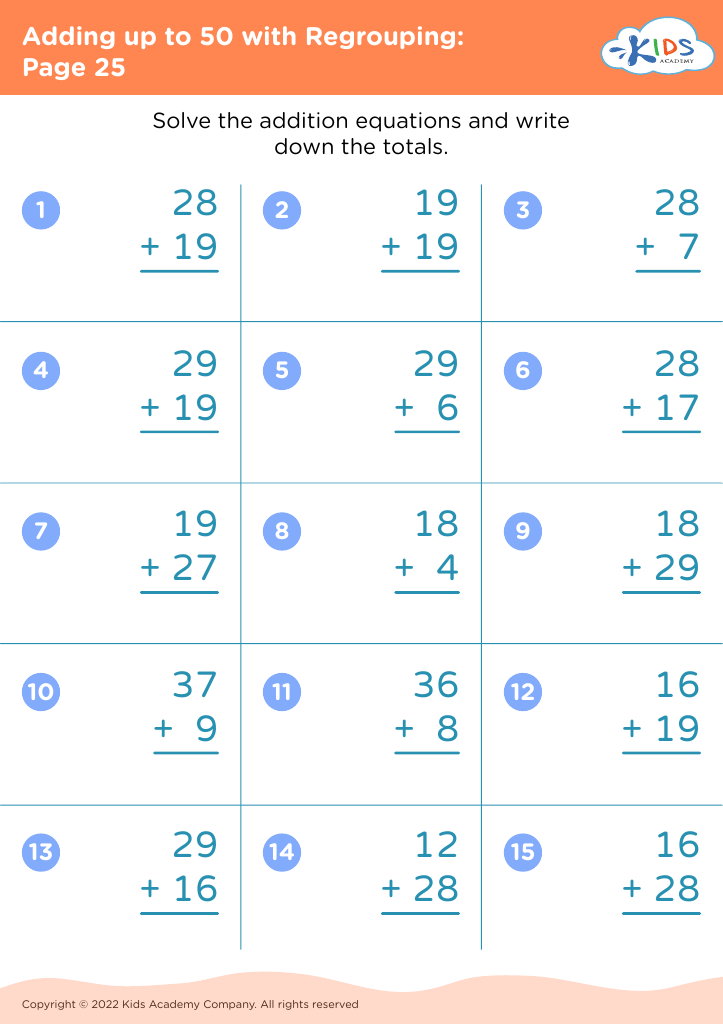
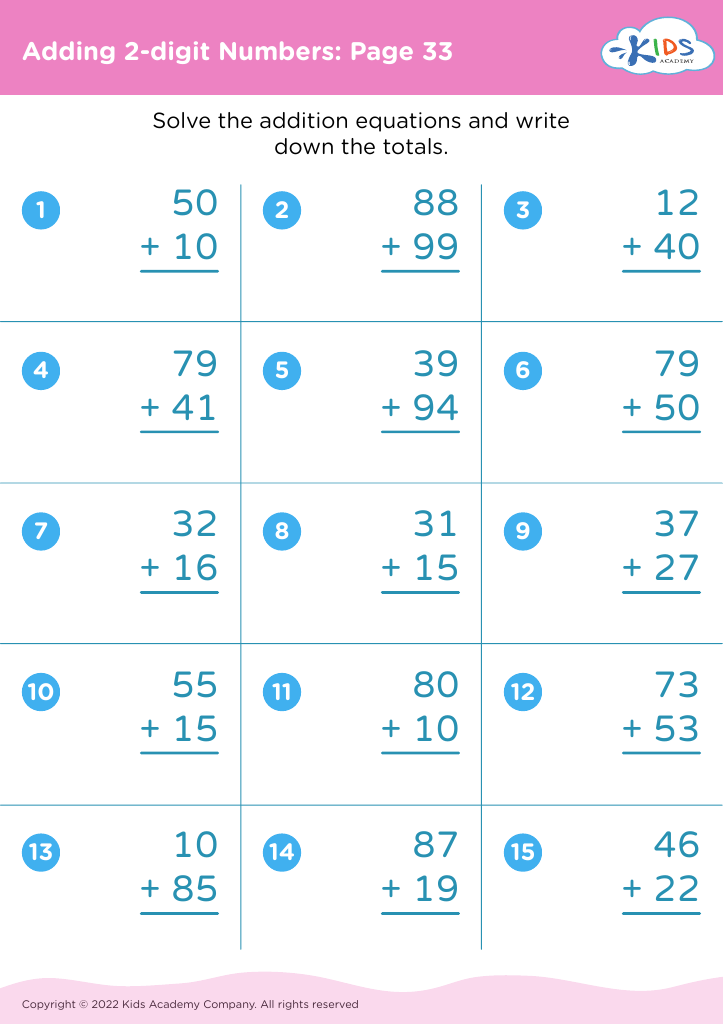
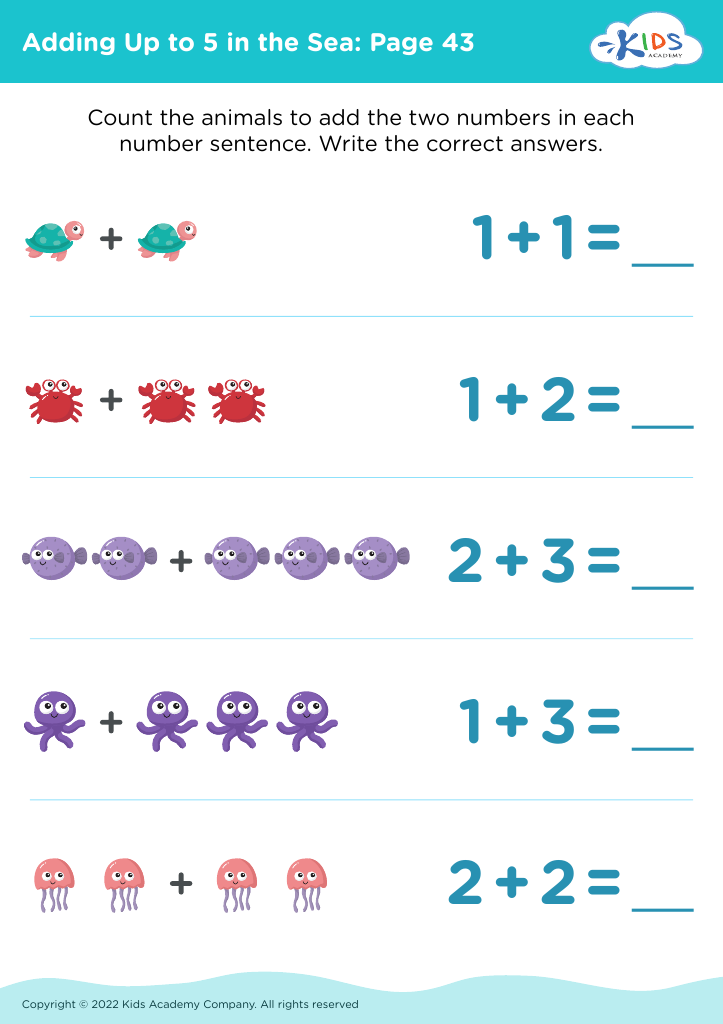
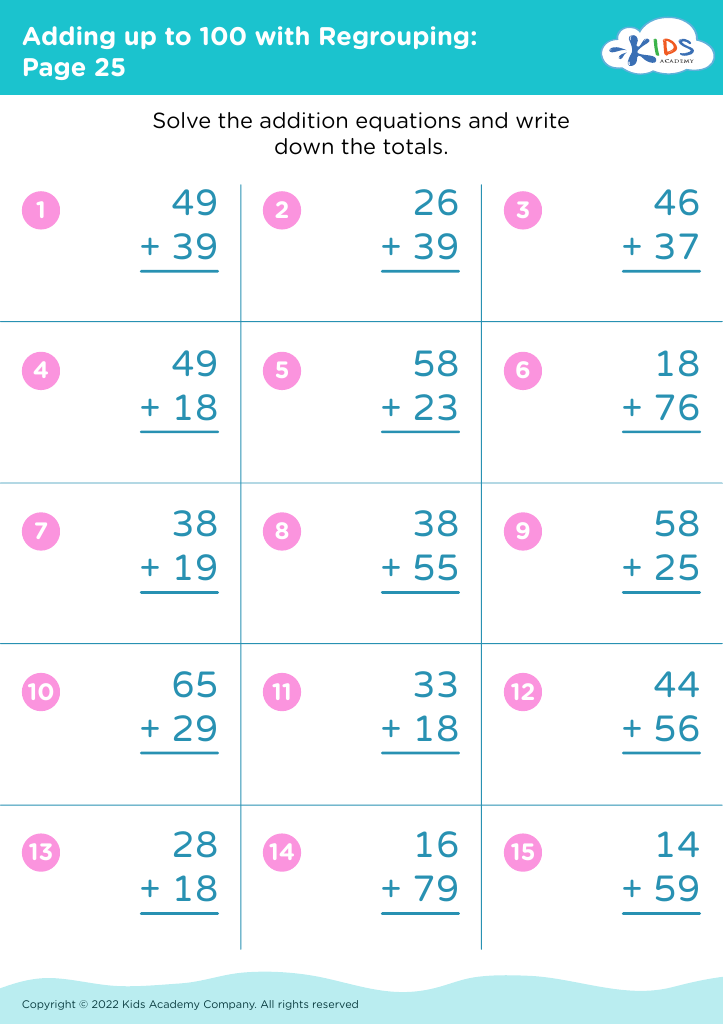
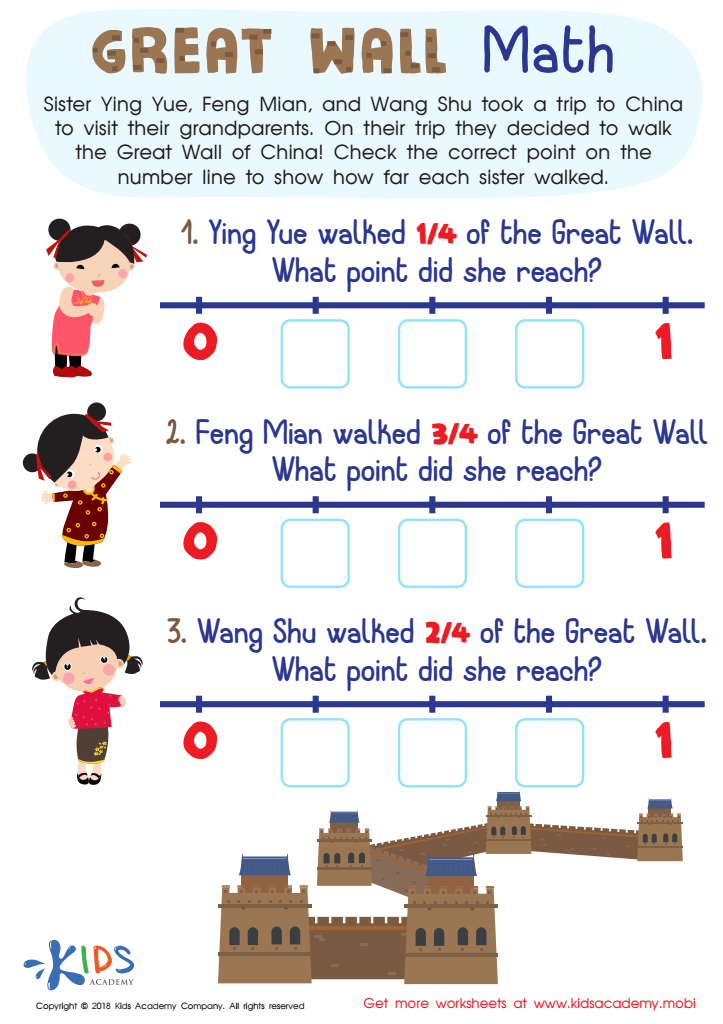
Great Wall Math Worksheet
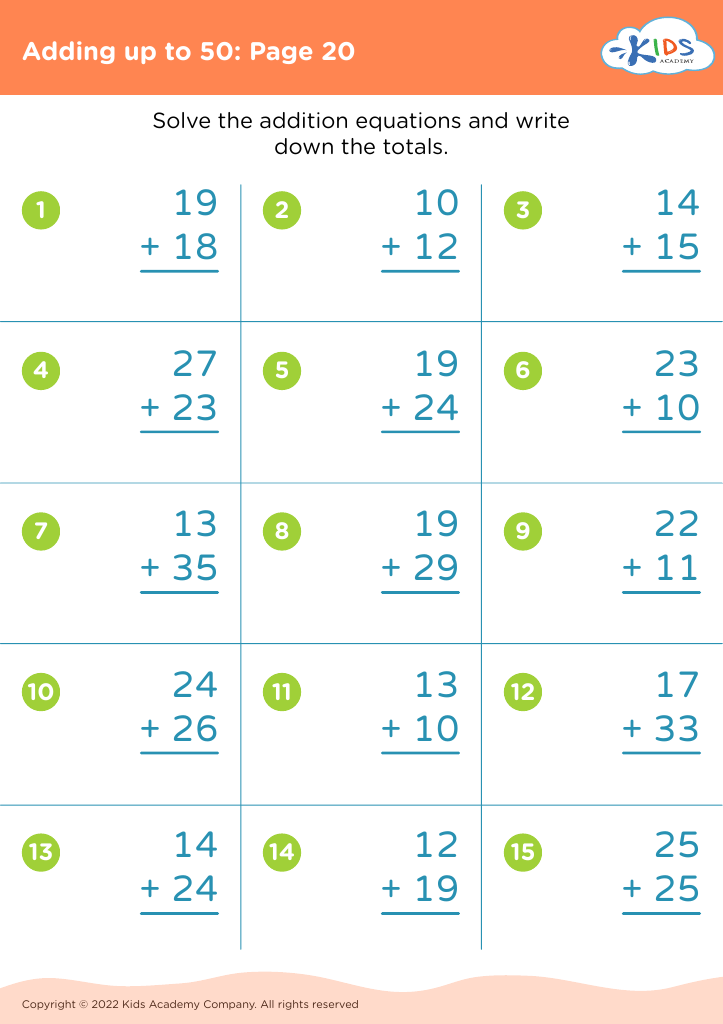
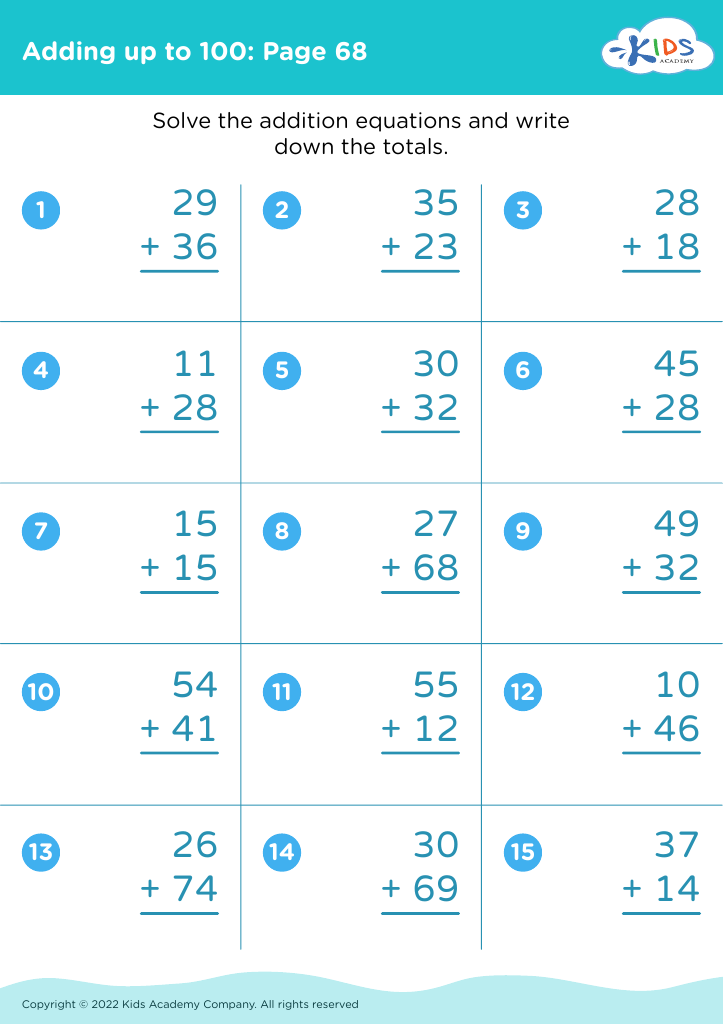
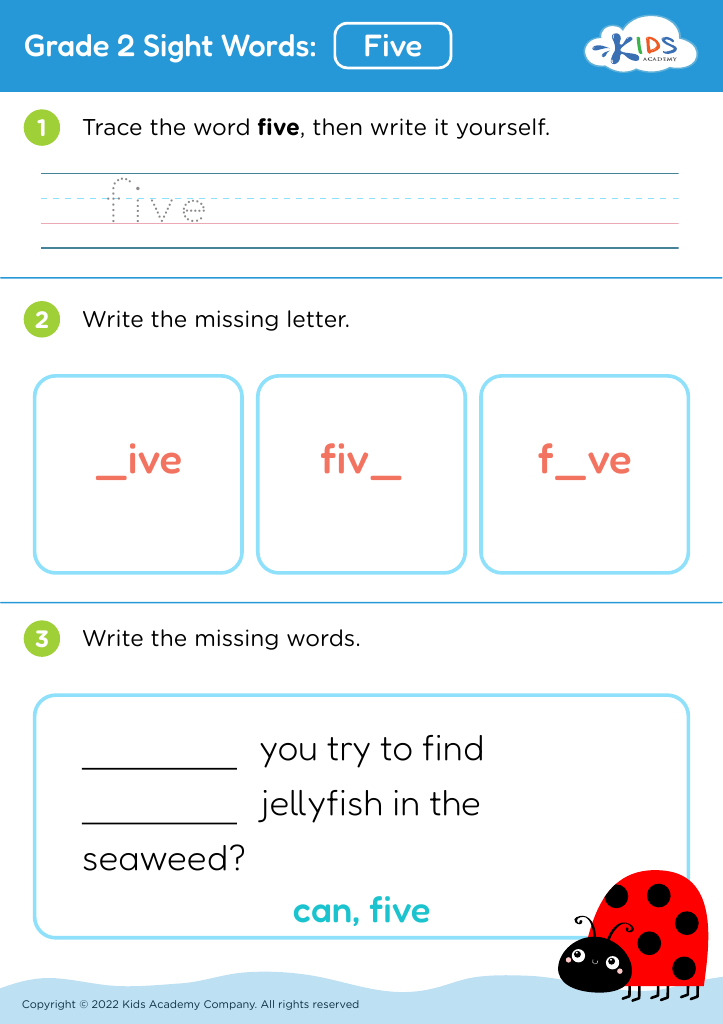








Developing problem-solving skills in children aged 4-9 is crucial for their overall growth and future success. At this age, children's cognitive abilities are rapidly evolving, making it a perfect time to engage them in activities that foster critical thinking and solution-oriented approaches.
Parents and teachers should care because these skills lay the foundation for academic achievement and everyday interactions. Kids who can tackle problems creatively and logically often excel in school, as they can approach complex subjects with confidence. Moreover, strong problem-solving skills enhance a child's ability to face life's challenges, nurturing resilience and independence.
Encouraging problem-solving through play, hands-on activities, and real-life scenarios not only makes learning enjoyable but also helps instill a growth mindset. Children learn that mistakes are opportunities for learning rather than failures to avoid.
Additionally, these skills cultivate teamwork and communication when children collaborate with peers on group challenges. Ultimately, by fostering problem-solving skills in early education, parents and teachers are equipping children with essential tools for their future—preparing them to become effective thinkers, innovators, and responsible decision-makers in an increasingly complex world.








